If you drive a Jeep, you probably love adventure and the freedom of the open road. But what happens when your Jeep starts shaking while you’re driving?
That sudden vibration can be worrying, uncomfortable, and even dangerous. Understanding why your Jeep shakes can help you fix the problem faster and keep your driving safe.
Let’s explore the main causes behind a shaking Jeep, the signs to look out for, and how to deal with this common issue.

Common Reasons A Jeep Shakes While Driving
There isn’t just one reason why your Jeep vibrates. In fact, several mechanical or maintenance issues could be the cause. Here are the most common ones:
1. Unbalanced Tires
Tires need to be balanced properly for smooth driving. If they are not, you may feel a vibration in your steering wheel or the whole vehicle, especially at higher speeds.
- How it happens: Small weights fall off, or uneven tire wear develops.
- When you’ll notice: Most often at speeds above 45 mph.
2. Misaligned Wheels
If your Jeep’s wheels are out of alignment, the tires don’t point straight. This causes the vehicle to shake and may even pull to one side.
- Signs: Uneven tire wear, off-center steering wheel.
3. Worn Suspension Parts
The suspension system absorbs bumps and keeps your Jeep stable. Worn ball joints, bushings, or shocks can make the vehicle shake, especially on rough roads.
4. Faulty Driveshaft Or U-joints
Jeeps, especially 4×4 models, have a driveshaft that sends power to the wheels. If the driveshaft or U-joints are loose or worn, you’ll feel vibration—sometimes even a clunking sound.
5. Brake Problems
A shaking Jeep, especially when you apply the brakes, often means warped brake rotors. This makes the steering wheel and even the whole vehicle shake during braking.
6. “death Wobble”
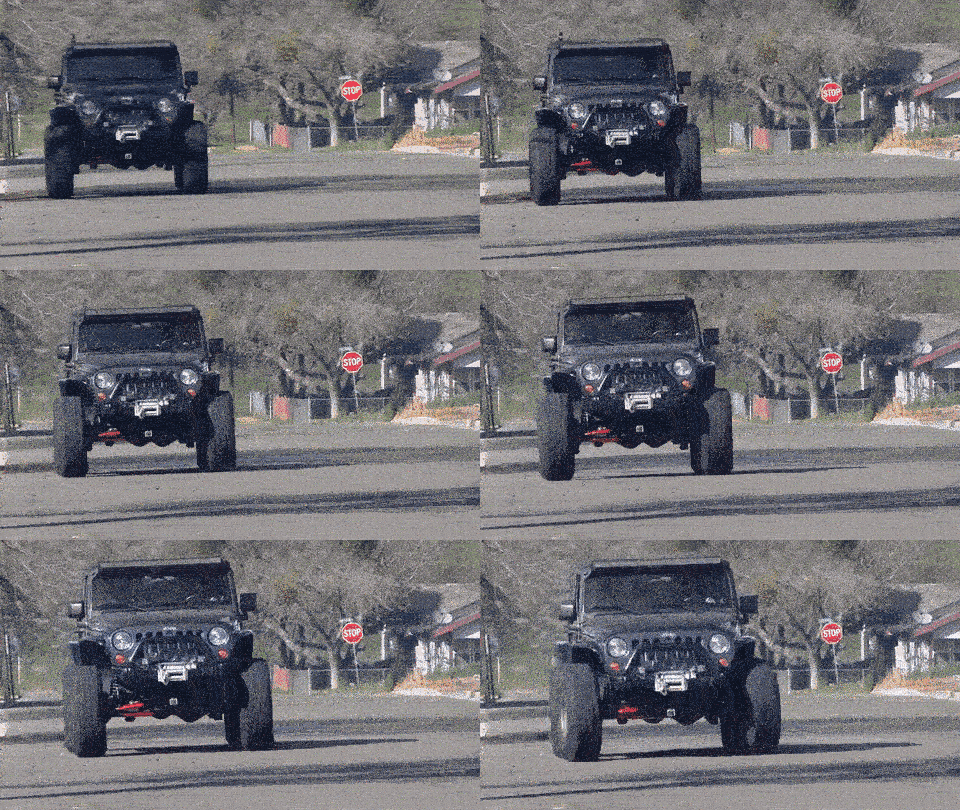
Jeeps are known for a strong, scary vibration called “death wobble.” This usually happens after hitting a bump at highway speeds. It’s often caused by worn steering parts or track bar issues.
7. Bad Wheel Bearings
Wheel bearings help your wheels spin smoothly. If they wear out, you’ll feel shaking, hear grinding noises, and maybe notice uneven tire wear.
8. Engine Or Transmission Mount Issues
The engine and transmission mounts keep these heavy parts in place. If they break or loosen, your Jeep may shake, especially during acceleration.
9. Tire Problems
Other tire issues, like uneven tire wear, low tire pressure, or damaged tires, can also cause shaking. Always check your tires first.
10. Steering System Issues
Loose or worn parts in the steering system (tie rods, drag link, pitman arm) create extra play in the steering wheel and lead to vibrations.
How To Diagnose Jeep Shaking
Finding the exact cause of shaking can be tricky. Here’s a simple way to start:
- Check tire condition and pressure. Look for bulges, uneven wear, or low pressure.
- Notice when the shaking happens. Is it only at high speeds, during braking, or after bumps?
- Listen for noises. Clicking, grinding, or clunking sounds can help identify the problem.
- Test the steering. If your steering wheel feels loose or shakes, the issue may be in the steering or suspension.
Here’s a quick comparison to help you understand the different symptoms and causes:
| Symptom | Possible Cause | When It Occurs |
|---|---|---|
| Steering wheel shakes at high speed | Unbalanced tires, misalignment | Above 45 mph |
| Vibration during braking | Warped brake rotors | While braking |
| Whole Jeep shakes after a bump | Death wobble, suspension/steering parts | After hitting bump at speed |
How To Fix A Shaking Jeep
Once you know what might be wrong, you can start fixing it. Here are some practical steps:
- Balance and rotate tires. This is often the cheapest fix and should be done every 5,000–7,000 miles.
- Get a wheel alignment. If your steering feels off or tires wear unevenly, alignment is a must.
- Inspect brakes. Change worn pads and resurface or replace warped rotors.
- Check suspension and steering parts. Replace any that are loose or worn.
- Replace faulty wheel bearings. This repair often needs a mechanic.
- Inspect and replace driveshaft or U-joints. Listen for clunking noises.
- Check engine/transmission mounts. If you feel vibration during acceleration or hear thuds, have these checked.
Here’s a cost comparison for some common Jeep repairs:
| Repair | Average Cost (USD) |
|---|---|
| Tire balancing and rotation | $40–$80 |
| Wheel alignment | $90–$150 |
| Brake rotor replacement (front) | $250–$350 |
| Suspension/steering part replacement | $200–$600 |
| Wheel bearing replacement | $250–$400 |
Important Insights Most Jeep Owners Miss
Many Jeep drivers overlook routine tire maintenance. Rotating and balancing your tires regularly is one of the simplest ways to prevent shaking and extend tire life. Another common mistake is ignoring small shakes or vibrations. Even if the problem seems minor, it can quickly get worse and lead to expensive repairs.
Also, some lifts and larger tires (common on Jeeps) can increase the chance of vibration if not installed correctly. If you’ve modified your Jeep, make sure all components—especially suspension and steering—are in top shape.
When To See A Mechanic
If you experience strong shaking, especially at high speeds or after hitting a bump, don’t wait. Death wobble can make your Jeep hard to control and dangerous to drive. If you’re not sure about the cause or don’t have the tools, have a mechanic check your vehicle as soon as possible.
Here’s a quick summary of when to seek professional help:
| Situation | DIY Possible? | See Mechanic? |
|---|---|---|
| Tire balancing/rotation | Maybe | Optional |
| Wheel alignment | No | Yes |
| Brake/rotor replacement | Maybe | Recommended |
| Suspension/steering repair | No | Yes |
| Death wobble | No | Urgent |
Frequently Asked Questions