A Jeep misfire is a problem that many owners will face at some point. When you start your Jeep and notice it shakes, sounds rough, or loses power, a misfire could be the cause.
This issue doesn’t just make driving unpleasant it can harm your engine if ignored.
Understanding why a Jeep misfires is the first step to fixing it and keeping your vehicle reliable.
What Does A Jeep Misfire Mean?
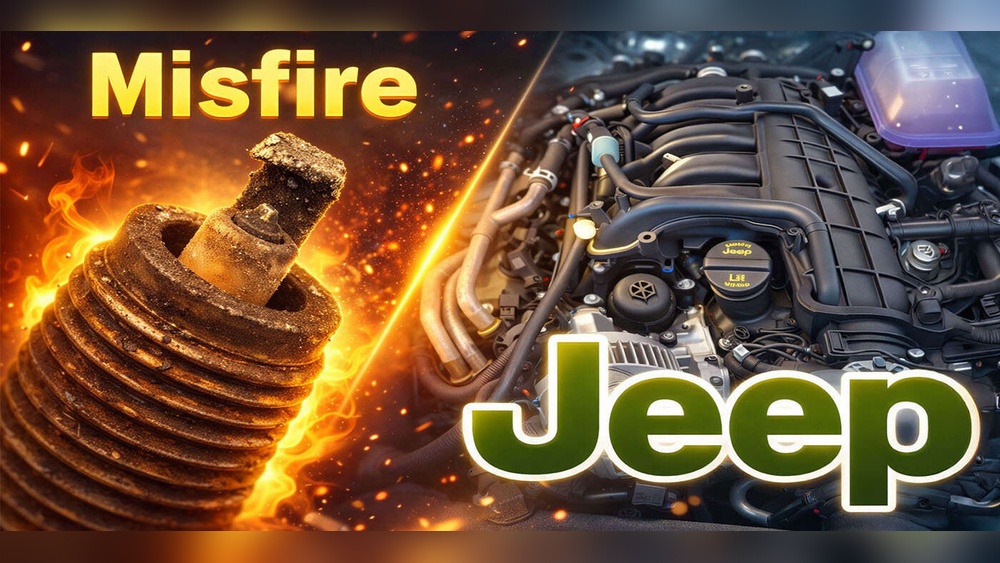
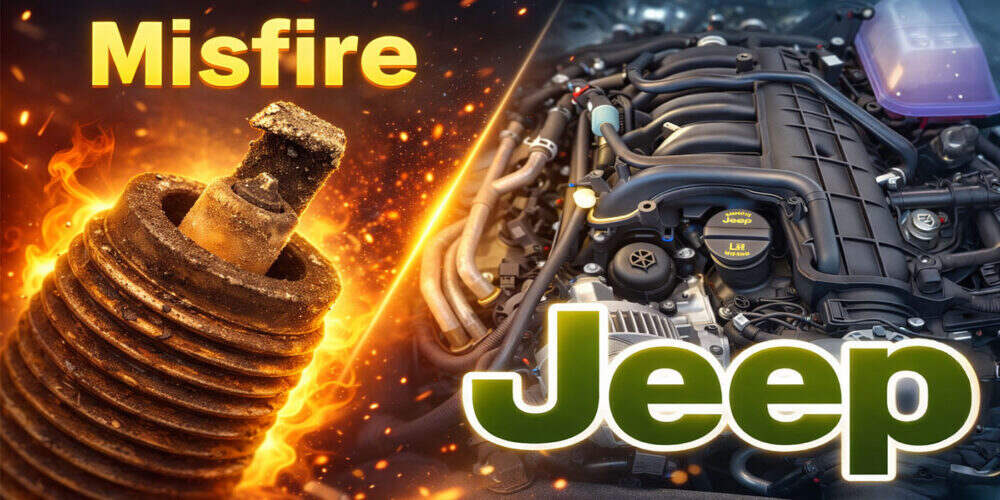
A misfire happens when one or more cylinders in your Jeep’s engine fail to fire properly. Each cylinder should ignite fuel at the right time for smooth power. When a misfire occurs, you might feel jerking, hear popping, or see the check engine light. Sometimes, the symptoms are mild, but in other cases, your Jeep may be hard to drive.
Common Causes Of Jeep Misfires
Many things can lead to a Jeep misfire. Here are the most frequent reasons, with real-world examples and data to help you understand the risks.
1. Faulty Spark Plugs
Spark plugs create the spark that ignites the fuel-air mixture in the engine. Over time, they wear out or get covered in deposits.
- Signs: Hard starts, poor fuel economy, rough idle
- Lifespan: Most spark plugs last 30,000–100,000 miles, depending on type
2. Bad Ignition Coils
Ignition coils send electricity to the spark plugs. If a coil fails, that cylinder won’t fire correctly.
- Common in: 2005–2010 Jeep Grand Cherokee models
- Symptoms: Engine shaking, loss of power, check engine light
3. Fuel Delivery Issues
If the engine doesn’t get the right amount of fuel, a misfire can happen. Causes include a clogged fuel injector, weak fuel pump, or dirty fuel filter.
- Result: Lean or rich fuel mixtures
- Example: A Jeep Wrangler with a blocked injector may misfire only at certain speeds
4. Vacuum Leaks
A vacuum leak allows extra air into the engine, upsetting the fuel-air mix. This confuses the engine computer and can cause misfires.
- Clues: Hissing noise, higher idle speed, engine stalling
5. Compression Loss
When a cylinder loses compression, fuel cannot burn properly. Compression loss comes from bad piston rings, worn valves, or a blown head gasket.
- Seriousness: Compression loss is a major problem and often needs a mechanic
6. Faulty Sensors
Modern Jeeps have many sensors. The oxygen sensor, mass airflow sensor, and crankshaft position sensor all help manage combustion. A failed sensor sends wrong signals, causing misfires.
- Check: Diagnostic tools can read sensor error codes
7. Poor Quality Fuel
Low-quality or contaminated fuel can prevent your Jeep from running smoothly. Water, dirt, or wrong octane levels disrupt combustion.
- Tip: If you recently filled up at a new station and notice issues, suspect the fuel
8. Timing Problems
If the timing belt or chain slips, the engine valves and pistons become out of sync. This can cause random misfires and, if ignored, major engine damage.
- Warning: Engine may not start at all if timing is badly off
9. Worn Or Damaged Wiring
The wires that connect ignition parts can wear out, especially in older Jeeps or after off-road use. Corroded or broken wires break the electrical signal needed for a proper spark.
- Advice: Regularly inspect wires for cracks or damage
10. Emissions System Faults
Parts like the EGR valve or catalytic converter can fail and cause misfires, especially in newer Jeep models.
- Fact: A clogged catalytic converter reduces power and may trigger misfires
How To Diagnose A Jeep Misfire
Pinpointing the cause of a misfire can be tricky, but you can follow a few steps. Here is a basic comparison of different diagnosis methods:
| Diagnosis Method | Tools Needed | Skill Level |
|---|---|---|
| Check Engine Light Codes | OBD-II Scanner | Beginner |
| Visual Inspection | None/Basic Tools | Beginner |
| Compression Test | Compression Gauge | Intermediate |
| Fuel Pressure Test | Fuel Pressure Gauge | Intermediate |
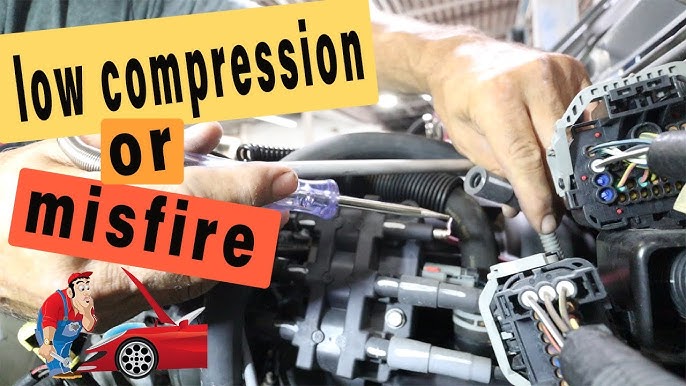
Many auto parts stores offer free code scans. If you see codes like P0300 (random misfire) or P0301–P0306 (misfire in cylinder 1-6), you have a starting point.
Jeep Misfire: Quick Troubleshooting Steps
When your Jeep misfires, here’s what you can do:
- Check the check engine light. Use a scanner to read codes.
- Inspect spark plugs and wires. Replace if worn or dirty.
- Look at ignition coils. Swap coils between cylinders to see if the misfire moves.
- Examine fuel injectors. Listen for clicking sounds or test with a multimeter.
- Check for vacuum leaks. Spray carb cleaner around hoses—engine RPM will change if there’s a leak.
- Review recent changes. Bad gas or new parts can cause new problems.
If you’re unsure, it’s best to get help from a trusted mechanic.
Real-world Examples
Here’s a quick comparison of how misfire causes differ by Jeep model:
| Jeep Model | Common Misfire Cause | Typical Repair Cost |
|---|---|---|
| Wrangler (2007-2011) | Ignition Coil Failure | $150–$350 |
| Grand Cherokee (2011-2018) | Faulty Fuel Injectors | $250–$600 |
| Cherokee (2014-2019) | Sensor Problems | $120–$300 |
Many Jeep drivers report misfires after off-roading, especially if water or mud gets into the engine bay. Keeping your Jeep clean and dry under the hood can prevent some of these issues.
Preventing Jeep Misfires
You can avoid many misfire problems with simple steps:
- Replace spark plugs on schedule (every 30,000–60,000 miles for most Jeeps)
- Use top-quality fuel from trusted stations
- Inspect ignition and fuel system parts regularly
- Avoid deep water crossings if possible
- Fix check engine lights promptly
One non-obvious tip: Always tighten your gas cap well. A loose cap can trigger codes that seem like misfires by confusing the emissions system.
When To See A Mechanic
If your Jeep keeps misfiring after you check the basics, or if you hear loud knocking, smell fuel, or see smoke, get professional help. Some fixes, like timing or compression problems, need special tools and skills.
For more technical details, you can visit the Wikipedia page on engine misfire.
Frequently Asked Questions
<!– wp:rank-math/faq-block {"questions":[{"id":"faq-question-a4f6a4c056cb","title":"What Is The Most Common Cause Of A Jeep Misfire?","content":"The most common cause is worn spark plugs or bad ignition coils. Both are easy to check and replace.
“,”visible”:true},{“id”:”faq-question-ace5ef183703″,”title”:”Can A Misfire Damage My Jeep Engine?”,”content”:”Yes, long-term misfires can cause catalytic converter damage or engine overheating. It’s best to fix misfires quickly.
“,”visible”:true},{“id”:”faq-question-ac0ced675164″,”title”:”Is It Safe To Drive A Jeep With A Misfire?”,”content”:”Driving with a misfire can lead to reduced power and may be dangerous, especially at high speeds. It can also harm your engine.
“,”visible”:true},{“id”:”faq-question-b1cb1390bafe”,”title”:”How Do I Know Which Cylinder Is Misfiring?”,”content”:”Use an OBD-II scanner to check engine codes. Codes like P0302 mean cylinder 2 is misfiring.
“,”visible”:true},{“id”:”faq-question-03ad46beda62″,”title”:”Can Bad Gas Cause A Misfire In My Jeep?”,”content”:”Yes, contaminated fuel or the wrong octane can cause misfires. If you suspect bad gas, try refueling at a trusted station and add a fuel system cleaner.
Understanding what causes a Jeep to misfire helps you keep your ride smooth and dependable. With regular care and quick action, most misfires can be fixed before they turn into bigger problems.
“,”visible”:true}]} –>What Is The Most Common Cause Of A Jeep Misfire?
The most common cause is worn spark plugs or bad ignition coils. Both are easy to check and replace.
Can A Misfire Damage My Jeep Engine?
Yes, long-term misfires can cause catalytic converter damage or engine overheating. It’s best to fix misfires quickly.
Is It Safe To Drive A Jeep With A Misfire?
Driving with a misfire can lead to reduced power and may be dangerous, especially at high speeds. It can also harm your engine.
How Do I Know Which Cylinder Is Misfiring?
Use an OBD-II scanner to check engine codes. Codes like P0302 mean cylinder 2 is misfiring.
Can Bad Gas Cause A Misfire In My Jeep?
Yes, contaminated fuel or the wrong octane can cause misfires. If you suspect bad gas, try refueling at a trusted station and add a fuel system cleaner.
Understanding what causes a Jeep to misfire helps you keep your ride smooth and dependable. With regular care and quick action, most misfires can be fixed before they turn into bigger problems.