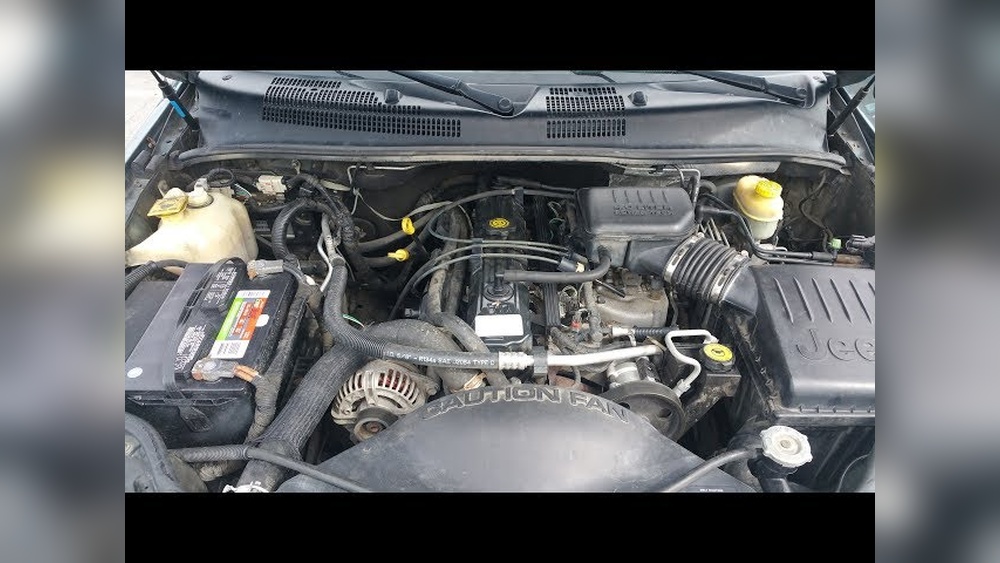
A Jeep is known for its rugged reliability. But even the toughest vehicle can develop problems.
One of the most frustrating issues is a misfire. When your Jeep misfires, it feels rough, loses power, and may even trigger a warning light.
Understanding what causes a Jeep to misfire is key to fixing the problem quickly and avoiding expensive repairs.
What Is A Misfire?
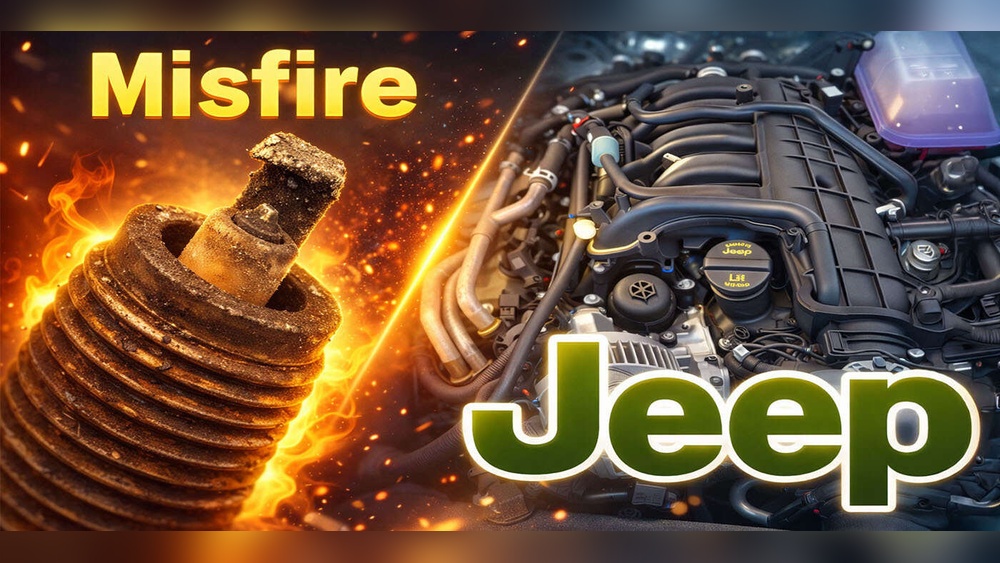
A misfire happens when one or more cylinders in your Jeep’s engine fail to ignite fuel properly. Instead of running smoothly, the engine shakes, hesitates, or loses power. You might notice a “check engine” light or even a popping sound from the exhaust. Misfires can be random or happen on a single cylinder.
Common Causes Of A Jeep Misfire
Several things can cause a Jeep to misfire. Some are easy to fix, while others require a mechanic. Here are the most common reasons:
1. Ignition System Problems
The ignition system creates the spark that lights the fuel in each cylinder. If any part is faulty, the engine can misfire.
- Spark plugs: Worn or dirty spark plugs are the top reason for misfires. Plugs should be replaced every 30,000 to 100,000 miles depending on type.
- Ignition coils: Coils send voltage to the plugs. A weak or broken coil means the spark is weak or missing.
- Wires (for older Jeeps): Damaged spark plug wires can leak electricity, causing weak sparks.
2. Fuel Delivery Issues
The engine needs the right amount of fuel at the right time. Problems here can cause lean or rich mixtures that don’t burn well.
- Clogged fuel injectors: If injectors are blocked, a cylinder may get too little fuel.
- Weak fuel pump: A failing pump can’t keep up pressure, leading to misfires, especially under load.
- Dirty fuel filter: A blocked filter starves the engine of fuel.
3. Air Intake Problems
Engines also need air. Blockages or leaks disrupt the air/fuel mix, causing poor combustion.
- Vacuum leaks: Cracked hoses or gaskets let extra air in, making the mixture too lean.
- Dirty air filter: A clogged filter starves the engine of air.
4. Sensor Failures
Modern Jeeps rely on sensors to control fuel and spark. Bad data from a sensor can cause the engine to misfire.
- Mass Air Flow (MAF) sensor: Measures air entering the engine. A faulty MAF gives the wrong air/fuel mix.
- Oxygen (O2) sensor: Detects oxygen in exhaust. A bad O2 sensor can make the engine run too rich or lean.
- Crankshaft or camshaft sensors: These control timing. If they fail, the engine may misfire or not run at all.
5. Mechanical Problems
Sometimes, the problem is mechanical wear or damage inside the engine.
- Low compression: Worn piston rings or valves mean a cylinder can’t build enough pressure to burn fuel.
- Timing chain or belt issues: If the chain or belt slips, valves open at the wrong time.
Key Differences: Ignition Vs. Fuel Problems
It’s important to know if your misfire is caused by ignition or fuel issues. Here’s a quick comparison:
| Ignition Problem | Fuel Problem |
|---|---|
| Often causes misfire at idle | Misfire under load or acceleration |
| Spark plug fouling visible | Strong fuel smell, poor MPG |
| Usually triggers specific error code | May trigger lean/rich codes |
How To Diagnose A Jeep Misfire
Finding the root cause is important. Here are practical steps to diagnose a misfire:
- Read the codes: Use an OBD-II scanner. Code P030X points to a specific cylinder.
- Check spark plugs: Remove and inspect them. Look for wear, oil, or carbon buildup.
- Swap parts: If code says cylinder 2 is misfiring, swap its coil or plug with another cylinder. If the misfire moves, you found the problem.
- Inspect for vacuum leaks: Listen for hissing sounds. Spray carb cleaner around hoses; a change in engine sound means a leak.
- Test fuel pressure: Use a gauge to check if the pump delivers correct pressure.
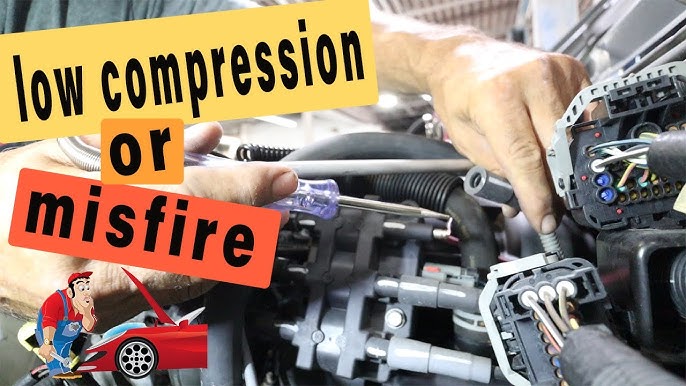
- Look for mechanical problems: A compression test can show if cylinders are sealing well.
Here’s a table of common misfire codes and what they mean:
| Code | Meaning | Possible Cause |
|---|---|---|
| P0300 | Random/Multiple Cylinder Misfire | Ignition, fuel, or vacuum problem |
| P0301-P0306 | Misfire on Cylinder 1-6 | Plug, coil, or injector |
| P0171 | System Too Lean (Bank 1) | Vacuum leak or fuel issue |
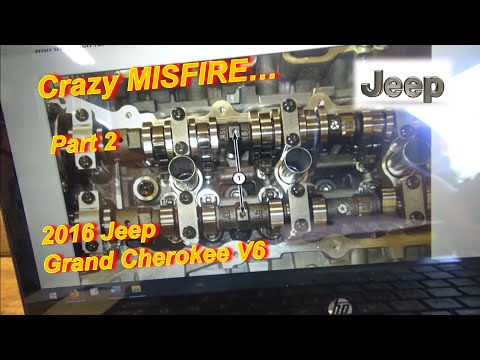
Some causes of misfire are less obvious:
- Aftermarket parts: Cheap spark plugs or coils may not work well with Jeep’s computer.
- Bad engine grounds: Corroded ground wires can cause weak spark or sensor errors.
- ECU software glitches: Rarely, a software update from the dealer is needed.
- Dirty throttle body: A sticky throttle plate can mess with air flow, causing rough idle and misfire.
When To See A Mechanic
If you’ve checked the basics but still have a misfire, it’s time for professional help. Misfires left unsolved can damage the catalytic converter or cause bigger engine problems. A mechanic has advanced tools for testing compression, injectors, and sensors.
Preventing Jeep Misfires
You can reduce the chance of misfires with regular care:
- Replace spark plugs and air filters on schedule.
- Use good-quality fuel and parts.
- Keep sensors and throttle body clean.
- Fix warning lights quickly.
A little maintenance goes a long way to keep your Jeep running strong.