When you step inside a Jeep, you feel adventure calling. But there’s more to the experience than just the rugged look or off-road power—sound plays a big part.
Many people wonder: What brand of speakers does Jeep use? The answer isn’t simple, as Jeep uses a few different brands depending on the model and trim.
This article explains Jeep’s speaker brands, why they matter, and what makes Jeep’s sound systems unique.
Main Speaker Brands Used By Jeep
Jeep does not stick to only one audio partner. Over the years, several respected brands have provided sound systems for Jeep vehicles. Here are the main ones:
- Alpine: This brand is best known for its premium systems in Jeep’s higher trims. The Alpine system often features in the Jeep Wrangler, Grand Cherokee, and Gladiator. It is popular for crisp highs and deep bass.
- Harman Kardon: Some luxury Jeep models, like the Grand Cherokee Summit and Grand Cherokee L, offer a Harman Kardon system. Known for clear, rich sound, Harman Kardon systems are a favorite among audiophiles.
- McIntosh: Recently, Jeep introduced McIntosh systems in the Grand Wagoneer and Wagoneer. McIntosh is famous for its high-end home audio, and its entry into car audio has created excitement.
- Base Jeep Speakers: Entry-level Jeep trims usually have standard, non-branded speakers. These may be made by various OEM suppliers, but they rarely carry a brand name.
Comparing Jeep’s Speaker Systems
Different Jeep models offer different speaker setups. Let’s compare three popular options.
| Jeep Model | Speaker Brand | Number of Speakers | Special Features |
|---|---|---|---|
| Wrangler (Sahara/Rubicon) | Alpine | 9 | All-weather subwoofer |
| Grand Cherokee L (Summit) | Harman Kardon | 19 | Surround sound, active noise cancellation |
| Grand Wagoneer | McIntosh | 23 | 950-watt amp, luxury speaker grilles |
The number of speakers and features can vary even within the same Jeep model, depending on the trim and package. For example, a base Wrangler has fewer speakers and simpler sound, while the Rubicon with Alpine offers a much richer audio experience.
What Makes Jeep’s Audio Systems Unique?
Jeep faces special challenges when it comes to sound. Many Jeep vehicles have removable roofs, doors, and rugged interiors. To provide great sound, Jeep’s partners design speakers that:
- Resist water and dust (especially in the Wrangler and Gladiator)
- Deliver strong bass even with open-air driving
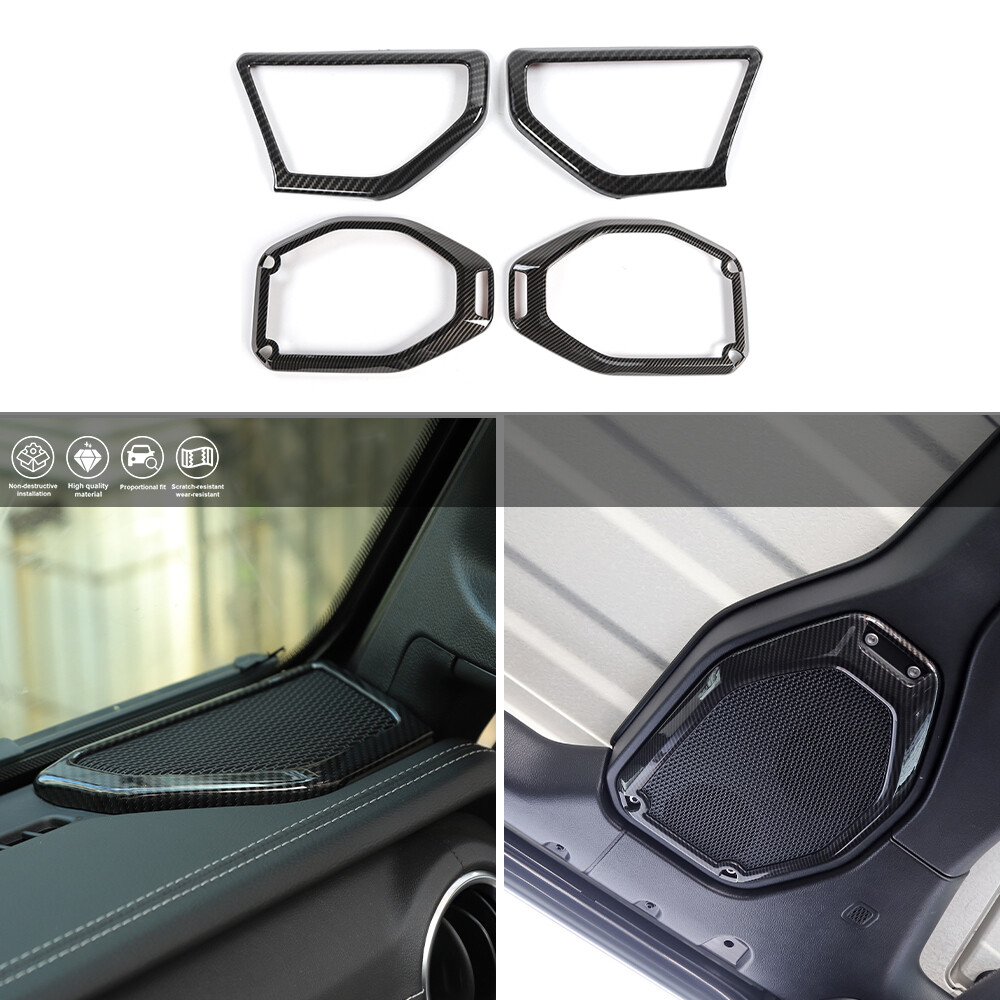
- Use special placement so sound fills the cabin, not just the front seats
Here’s how Jeep’s speaker systems stand out:
All-weather Design
Jeep’s Alpine system, for example, uses an all-weather subwoofer. This means you can take the top off your Wrangler, get caught in the rain, and your sound system still works perfectly. Most car speakers would fail in these conditions.
Custom Tuning
Brands like Harman Kardon and McIntosh work with Jeep engineers to tune the audio for each vehicle. The system is adjusted for the cabin’s shape, seat material, and background noise.
This makes the listening experience much better than a generic setup.
Visual Appeal
In the Grand Wagoneer, the McIntosh system doesn’t just sound good—it looks impressive. The speaker grilles are patterned after McIntosh’s home audio equipment, adding a touch of luxury.
Why Speaker Brand Matters
You might think all speakers are the same, but in a Jeep, the brand makes a real difference:
- Sound Quality: Premium brands like Alpine, Harman Kardon, and McIntosh offer better clarity, deeper bass, and richer sound than standard speakers.
- Durability: Off-roading creates vibration, dust, and moisture. High-end speaker brands design for these conditions.
- Resale Value: Jeeps with branded audio systems often sell for more.
How To Know Which Speakers Your Jeep Has
Finding out your Jeep’s speaker brand is easy:
- Check your window sticker or original sales documents. These usually list the sound system.
- Look for brand logos on the speaker grilles (Alpine, Harman Kardon, or McIntosh).
- Use your vehicle identification number (VIN) to look up details online.
- Ask your dealer if you’re still not sure.
Upgrading Jeep Speakers: What To Consider
If your Jeep has standard speakers, you may want to upgrade. Here are some tips:
- Choose weatherproof options if you drive with the top off.
- Match the amp power to your new speakers.
- Professional installation is smart for complex systems, especially when adding subwoofers or amps.
- Avoid common mistakes, like picking marine speakers that don’t fit Jeep’s unique sizes, or ignoring the need for proper wiring.
Many Jeep owners report that even a simple upgrade to Alpine or Harman Kardon speakers makes a night-and-day difference. Some also choose aftermarket brands, but it’s important to check compatibility.
Real-world Example: Jeep Wrangler Audio Packages
A 2023 Jeep Wrangler Rubicon with the Alpine Premium Audio Group includes:
- 552-watt, 12-channel amplifier
- 9 speakers, including an all-weather subwoofer
- Overhead sound bar speakers
This package transforms the Wrangler’s cabin, even with the roof off. Owners say the bass feels strong, and the clarity is much better than the base system.
In contrast, a Grand Cherokee L Summit with Harman Kardon features 19 speakers and advanced surround sound. The difference is clear during long road trips or when listening to music at high volume.
Table: Speaker Brands By Jeep Model (2023–2024)
Here’s a quick look at which Jeep models offer which speaker brands:
| Model | Speaker Brand | Available On |
|---|---|---|
| Wrangler | Alpine | Optional on most trims |
| Grand Cherokee | Harman Kardon | Summit, Summit Reserve |
| Grand Wagoneer | McIntosh | All trims |
| Compass, Renegade | Standard OEM | Base trims |
These offerings may change with new model years, so always confirm with your local dealer or Jeep’s official website.

Non-obvious Insights For Jeep Owners
- Speaker placement matters as much as brand. Jeep’s use of overhead sound bars and subwoofers in the trunk area helps fill the cabin, especially in vehicles with open roofs.
- Software tuning is key. Many premium Jeep systems use digital signal processing (DSP) to adjust for cabin shape and noise, making the sound more balanced at all speeds.
Frequently Asked Questions