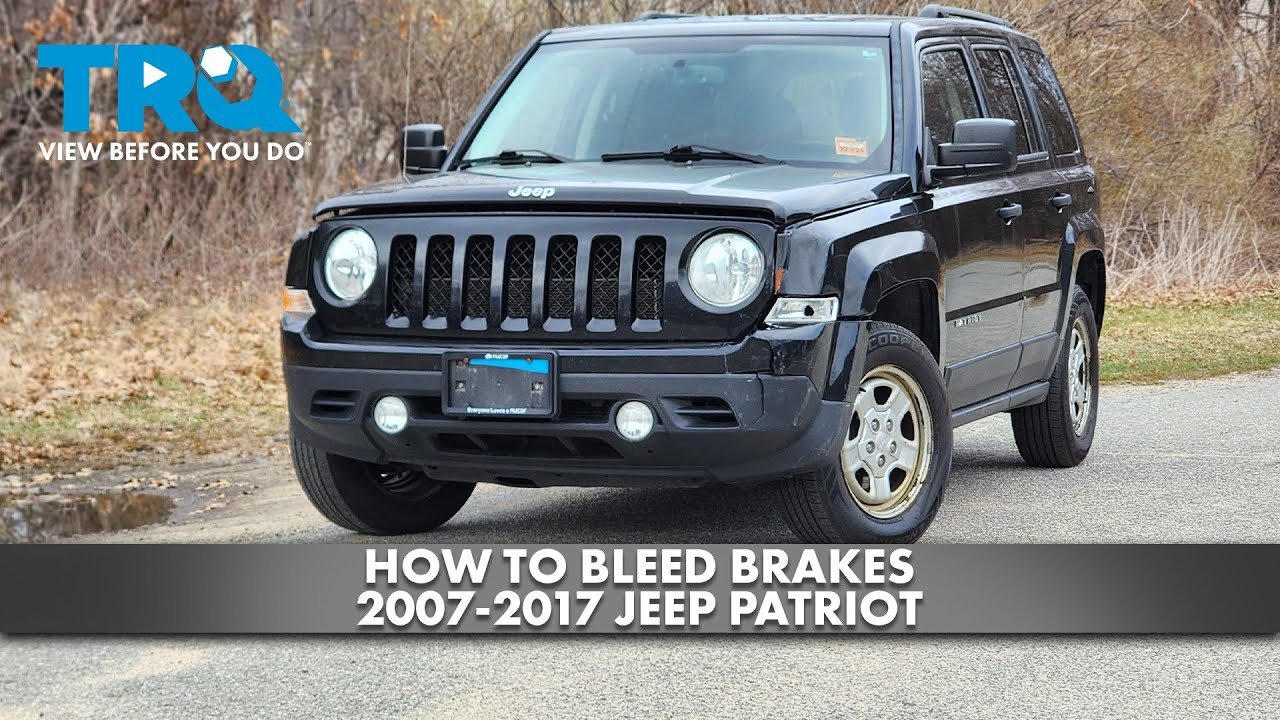
A Jeep is more than just a car it's a symbol of freedom, adventure, and rugged design. But what exactly is the body type of a Jeep?
This question is common among car buyers, off-road fans, and even casual drivers. Understanding Jeep body types helps you choose the right model for your needs and clears up confusion about why Jeeps look and perform differently from other vehicles.
Let’s explore the main body types, their features, and what makes a Jeep unique in the auto world.
Jeep Body Types Explained
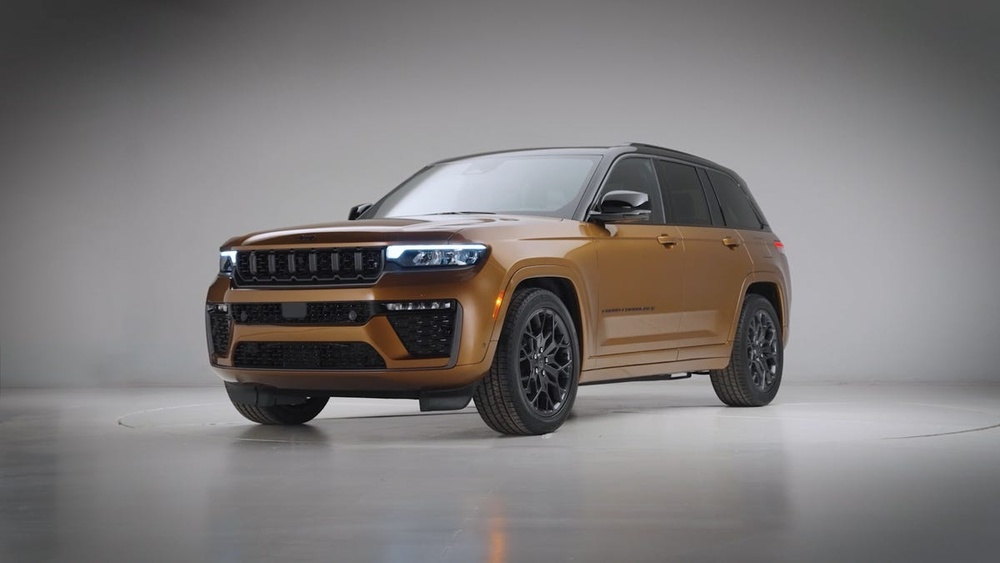
Jeep vehicles come in different body types, each designed for specific purposes. The main types are SUV, pickup truck, and compact crossover. These body styles affect the look, performance, and practicality of each Jeep model.
Suv: The Classic Jeep Look
Most people picture an SUV when they hear “Jeep.” The iconic Jeep Wrangler, Jeep Grand Cherokee, and Jeep Compass are all SUVs. This body type is known for:
- High ground clearance for off-road driving
- Boxy shape with strong lines
- Four-wheel drive capability
SUVs are popular because they combine rugged looks with practical features. Jeeps use a body-on-frame or unibody construction, depending on the model.
The Wrangler, for example, uses body-on-frame, making it tougher for rough terrain.
Pickup Truck: Utility And Strength
Jeep also makes pickup trucks, like the Jeep Gladiator. This body type offers:
- Open cargo bed for carrying goods
- Crew cab for passenger comfort
- Heavy-duty suspension for tough jobs
Pickup trucks from Jeep are rare compared to SUVs, but they are gaining popularity. The Gladiator mixes Jeep’s off-road DNA with the utility of a truck, making it a flexible choice for those who want adventure and work in one vehicle.
Compact Crossover: Urban And Efficient
Jeep’s compact crossovers like the Jeep Renegade and Jeep Compass are smaller and made for city driving. Features include:
- Lower ground clearance
- Unibody construction for lighter weight
- Fuel efficiency for daily use
While they keep Jeep’s look, compact crossovers focus more on comfort and efficiency. They are ideal for people who want the Jeep style without the full off-road package.
Comparison Of Jeep Body Types
Understanding the differences between Jeep body types helps you pick the right model. Here’s a simple comparison:
| Body Type | Main Models | Key Features |
|---|---|---|
| SUV | Wrangler, Grand Cherokee | Off-road, 4WD, rugged design |
| Pickup Truck | Gladiator | Cargo bed, crew cab, utility |
| Compact Crossover | Renegade, Compass | City use, fuel efficiency, smaller size |
Unique Jeep Design Features
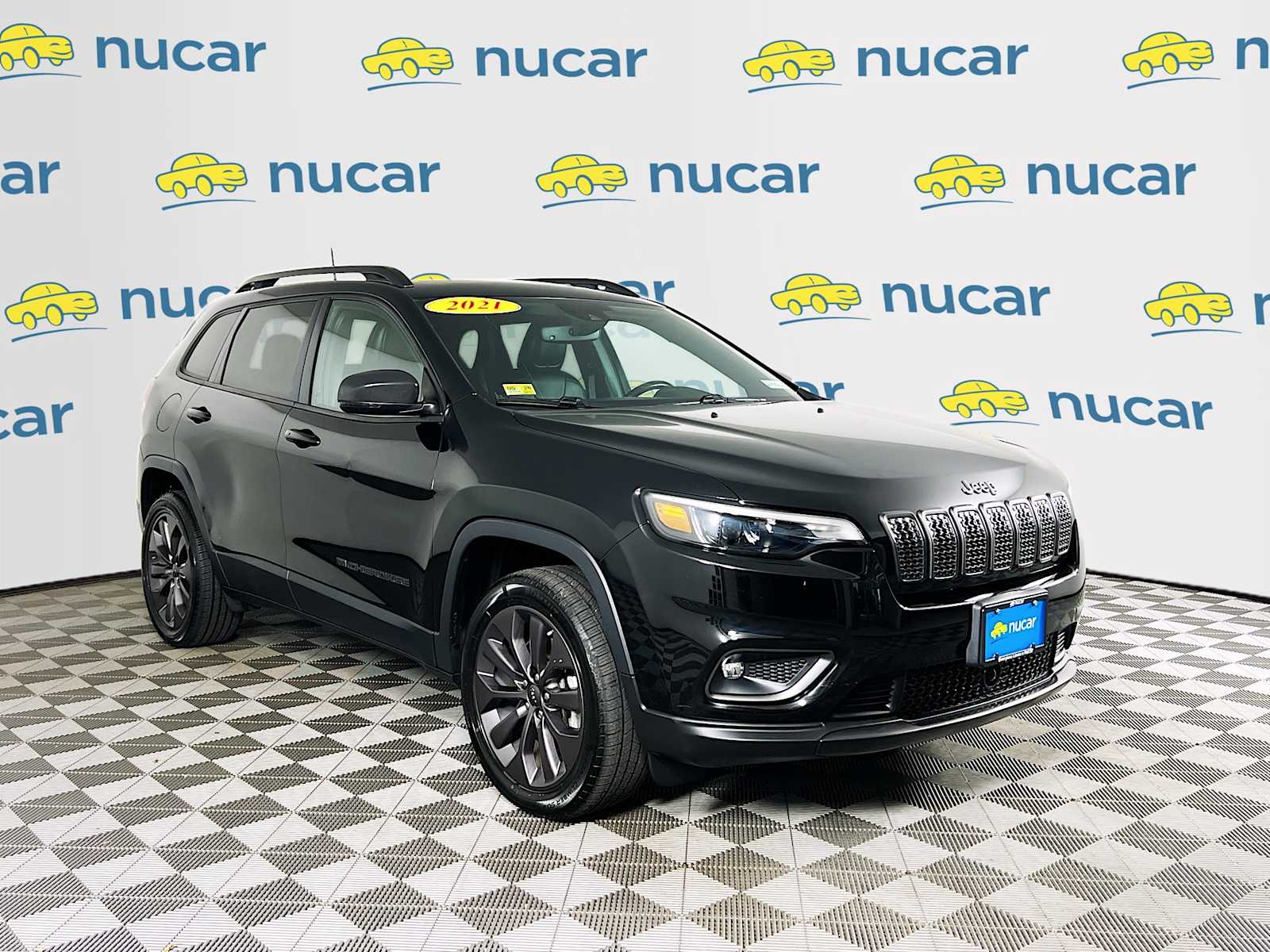
Jeep’s body types share some unique design features that make them stand out:
- Seven-slot grille: This is Jeep’s signature front look.
- Round headlights: Seen on the Wrangler and some other models.
- Removable doors and roof: Available on the Wrangler for open-air driving.
- Boxy shape: Gives Jeeps a strong, muscular look.
These features are not just for style. For example, the removable doors and roof make Jeeps perfect for outdoor lovers who want to feel the wind while driving.
Off-road Capability Vs. Everyday Use
Jeep body types are built for both off-road adventures and daily driving. Here’s how they compare:
| Model | Off-Road Rating | City Comfort |
|---|---|---|
| Wrangler | Excellent | Moderate |
| Grand Cherokee | Good | High |
| Renegade | Fair | High |
| Gladiator | Excellent | Moderate |
How Jeep Body Types Affect Performance
The body type of a Jeep affects its performance in several ways:
- Ground Clearance: Higher clearance means better off-road ability. Wranglers and Gladiators offer up to 10.8 inches.
- Weight and Handling: SUVs are heavier and more stable, while crossovers are lighter and easier to handle in traffic.
- Cargo Space: Pickup trucks have the most cargo room, while crossovers have limited space.
- Fuel Efficiency: Compact crossovers get up to 32 mpg, while larger Jeeps often average 17–22 mpg.
Another insight: Many buyers don’t realize that body-on-frame Jeeps are easier to repair after off-road damage. Unibody Jeeps are lighter and more efficient, but repairs can be more complex.
Jeep Body Type Trends
Jeep body types have evolved over time. Early Jeeps were mostly body-on-frame SUVs, built for the military and rough terrain. Now, Jeep offers more unibody crossovers for city drivers. In 2023, Jeep sold over 870,000 vehicles globally, with the Grand Cherokee and Wrangler as top sellers.
A non-obvious trend: The Jeep Gladiator is the first pickup truck Jeep has made in decades, showing growing demand for adventure trucks. Also, Jeep is making electric and hybrid versions of popular models, blending efficiency with rugged style.
Choosing The Right Jeep Body Type
When picking a Jeep, think about:
- Your main use: Off-road, city driving, or carrying cargo?
- Size and comfort: Do you need space for family or gear?
- Budget: Compact crossovers are cheaper, while Wranglers and Gladiators cost more.
Common mistake: Many buyers choose the Wrangler for daily driving but later find it less comfortable than expected. Always test drive and compare features before buying.
Jeep Body Types Compared To Other Brands
Jeep stands out from other brands because of its strong off-road DNA and classic design. Here’s a quick comparison:
| Brand | Main Body Type | Off-Road Ability |
|---|---|---|
| Jeep | SUV, Pickup, Crossover | High |
| Toyota | SUV, Pickup | Moderate |
| Ford | SUV, Pickup | Moderate |
| Honda | Crossover, SUV | Low |
For more technical details, you can check Jeep’s Wikipedia page.
Frequently Asked Questions
What Is The Main Body Type Of A Jeep?
Most Jeeps are SUVs, known for their boxy shape and off-road ability. Jeep also offers pickup trucks and crossovers.
Which Jeep Model Is Best For Off-road?
The Jeep Wrangler is the top choice for off-road driving. It has high ground clearance, four-wheel drive, and removable parts.
Are All Jeeps Good For City Driving?
No, some Jeeps like the Wrangler are less comfortable for city use. Compact crossovers like the Renegade and Compass are better for urban areas.
What’s The Difference Between Body-on-frame And Unibody?
Body-on-frame means the body sits on a separate frame, making it tougher for off-road. Unibody construction is lighter and better for fuel efficiency.
Do Jeep Body Types Affect Price?
Yes. Compact crossovers are usually cheaper, while SUVs and pickup trucks cost more due to features and size.
Jeep’s body types offer something for everyone rugged adventure, city comfort, or practical cargo. Knowing these differences helps you make the best choice for your lifestyle and needs.