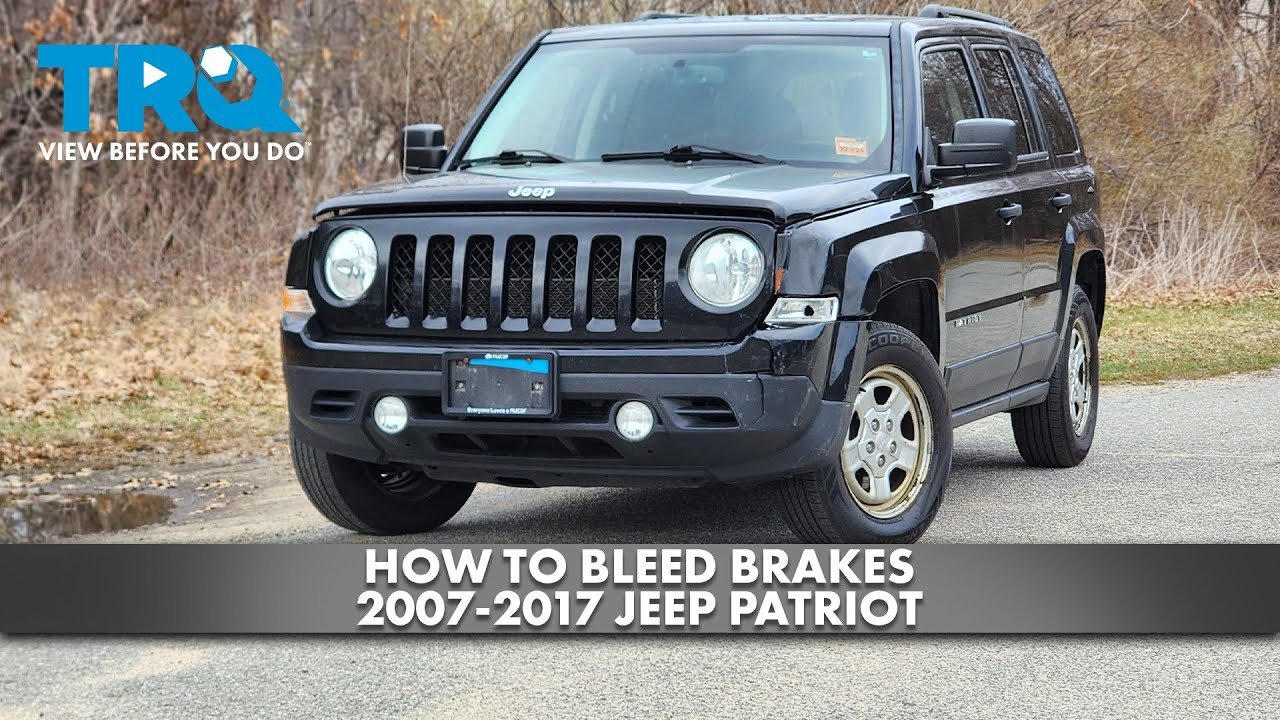
If you own a Jeep JK Sport, you might wonder what axles are under your vehicle. Understanding your axles is important for repairs, upgrades, and off-road driving.
Axles affect strength, performance, and how your Jeep handles tough terrain. This article covers the axles in the Jeep JK Sport, their features, and how they compare to other options.
You’ll also find practical tips, common mistakes, and answers to popular questions.
Jeep Jk Sport Axle Basics
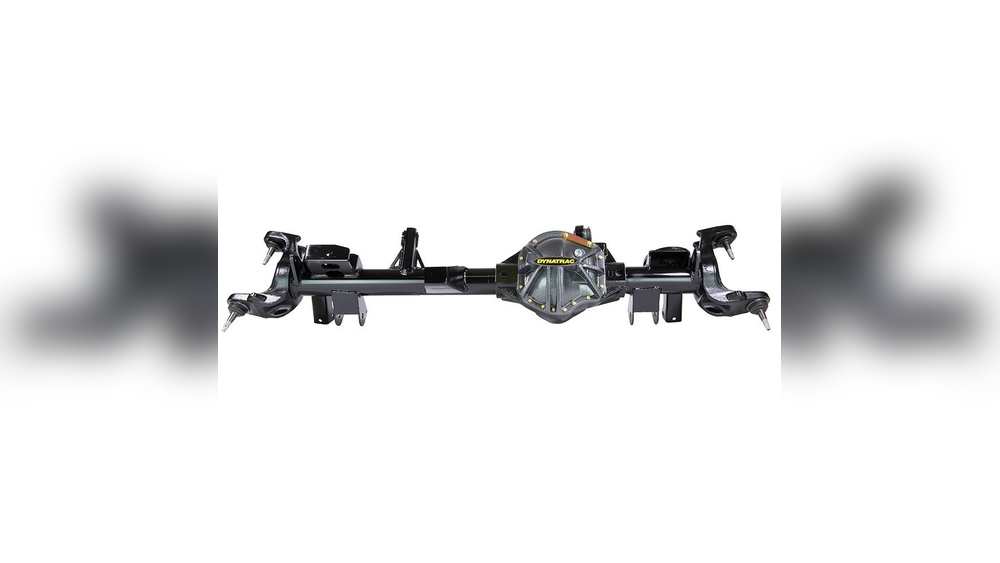
The Jeep JK Sport was produced from 2007 to 2018. Most models come standard with two types of axles: the Dana 30 in the front and the Dana 44 in the rear. These axles are well-known among Jeep owners for their durability and reliability. However, their strength and suitability depend on how you use your Jeep.
Dana 30 Front Axle
The Dana 30 is the front axle for the JK Sport. It’s a lighter-duty axle compared to some other Dana models. It uses a solid axle design, which is good for off-road driving but not as strong as the Dana 44.
Key features:
- Ring gear size: 7.12 inches
- Axle shaft diameter: 27 spline
- Housing: Cast iron
- Differential: Open (standard), limited-slip optional
Dana 44 Rear Axle
The rear axle in the JK Sport is the Dana 44. It’s stronger and can handle more torque, making it better for rough terrain or towing.
Key features:
- Ring gear size: 8.5 inches
- Axle shaft diameter: 30 spline
- Housing: Cast iron
- Differential: Open (standard), limited-slip optional
Axle Identification Tips
Not all JK Sports have identical axles. Sometimes, special editions or dealer upgrades include different axles. Here are easy ways to identify your axles:
- Look for tags: Metal tags on the axle housing often show model numbers.
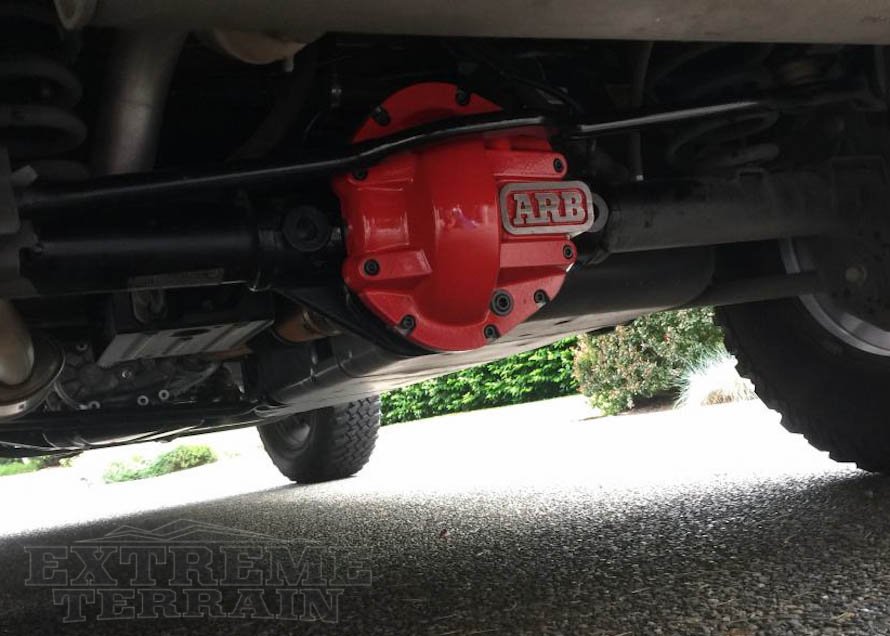
- Check the shape: Dana 30 has a smaller, oval-shaped cover. Dana 44 is larger and more hex-shaped.
- Count bolts: Dana 30 covers usually have 10 bolts, while Dana 44 covers have 10 but are bigger.
- VIN lookup: Your Jeep’s VIN can reveal axle details if you use Jeep’s online lookup tool.
Comparing Jk Sport Axles To Other Jeep Models
Axles can vary between Jeep trims. Comparing helps you understand the strengths and weaknesses of your JK Sport axles.
| Model | Front Axle | Rear Axle |
|---|---|---|
| JK Sport | Dana 30 | Dana 44 |
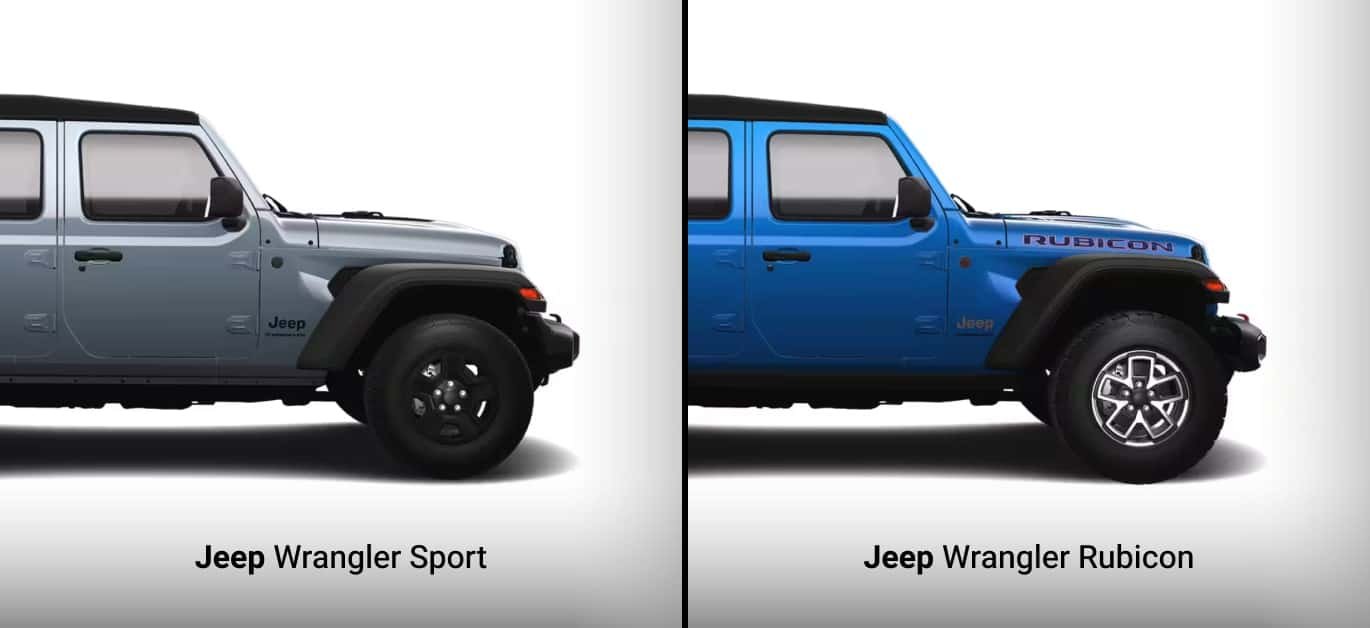
| JK Rubicon | Dana 44 (heavy duty) | Dana 44 (heavy duty) |
| JK Sahara | Dana 30 | Dana 44 |
Rubicon models stand out with Dana 44 axles front and rear, plus locking differentials. This makes them stronger for rock crawling and heavy off-roading.
Axle Upgrade Options
Many JK Sport owners want stronger axles for bigger tires or tough trails. Upgrading is common, but you should know the main options.
| Upgrade Option | Benefits | Drawbacks |
|---|---|---|
| Swap to Dana 44 front | Increased strength, better off-road | Higher cost, complex install |
| Add lockers | Better traction, more control | May void warranty, more maintenance |
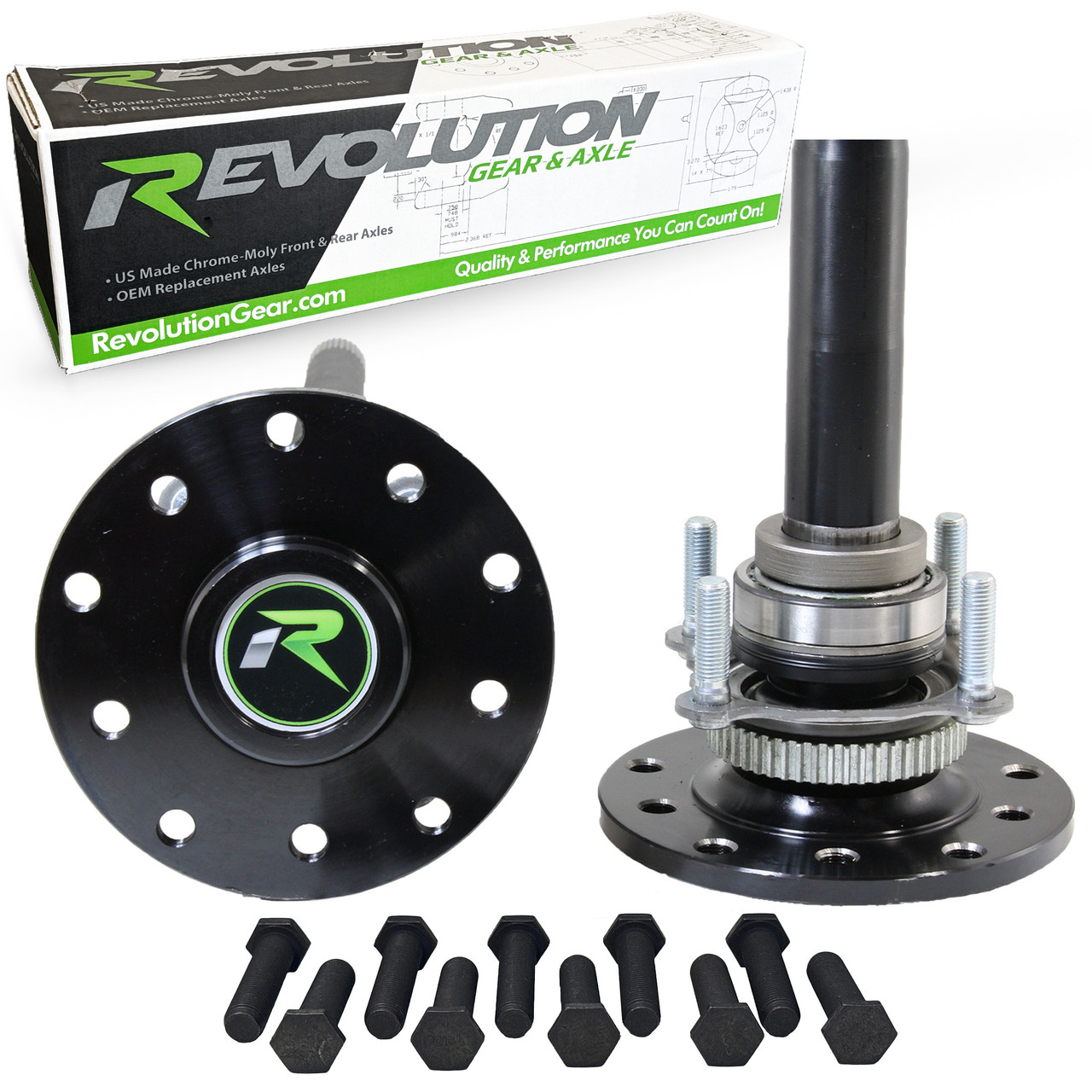
| Chromoly axle shafts | Better durability, less breakage | Costly parts, skilled labor needed |
Upgrading the front to Dana 44 is popular, but expensive. Adding lockers helps with traction but isn’t needed for light off-roading.
Common Mistakes When Dealing With Axles
Many Jeep owners make errors when upgrading or repairing axles. Avoid these to save money and avoid problems.
- Ignoring gear ratios: Swapping axles without matching gear ratios causes performance issues.
- Overloading Dana 30: Running large tires (over 35 inches) stresses the Dana 30 and can lead to breakage.
- Skipping maintenance: Failing to check axle seals and fluid leads to early wear.
- Misidentifying axles: Not checking tags or covers can lead to buying the wrong parts.
Real-world Example: Off-roading With Jk Sport Axles
A 2015 JK Sport owner upgraded to 33-inch tires and added a limited-slip differential. The Dana 30 handled moderate trails, but struggled with steep climbs.
After swapping to a Dana 44 front axle, performance improved, and breakage risk dropped. This shows that the stock axles are fine for light trails, but serious off-roading needs stronger parts.
Axle Maintenance Tips
Proper maintenance extends the life of your axles and keeps your Jeep safe. Here are easy tips:
- Check axle fluid: Every 12,000 miles or after deep water crossings.
- Inspect seals: Look for leaks around axle ends.
- Listen for noises: Clicking or grinding means possible damage.
- Clean after mud: Mud can hide cracks or leaks.
Don’t wait for problems. Regular checks prevent expensive repairs.
Axle Specifications: Quick Reference
For fast comparison, here’s a summary of the most important specs for JK Sport axles.
| Axle | Ring Gear Size | Spline Count | Cover Shape | Standard Differential |
|---|---|---|---|---|
| Dana 30 | 7.12″ | 27 | Oval | Open |
| Dana 44 | 8.5″ | 30 | Hex | Open |
Non-obvious Insights
Many beginners miss two things:
- Gear ratio matters: Changing tire size without adjusting gear ratio leads to poor performance and fuel economy.
- Axle tubes flex: The Dana 30 axle tubes can bend under heavy loads, not just break at the shafts. Upgrades should include tube reinforcement if you plan rough use.
Where To Learn More
For deeper technical specs and Jeep axle history, visit Wikipedia’s Dana 44 page.
Frequently Asked Questions
What Axles Are Standard On A Jeep Jk Sport?
Most Jeep JK Sports have a Dana 30 front axle and a Dana 44 rear axle, both with open differentials.
Can I Install Bigger Tires With Stock Jk Sport Axles?
Yes, but tires over 35 inches can strain the Dana 30. For heavy off-roading, consider upgrading to stronger axles.
How Can I Check Which Axles My Jeep Jk Sport Has?
Check for metal tags on the axle housing, count the bolts on the cover, or use your Jeep’s VIN with an online lookup tool.
Do I Need To Upgrade Axles For Mild Off-roading?
No, stock axles are fine for mild trails and daily use. Upgrading is smart if you plan to use lockers or much larger tires.
What Maintenance Should I Do For My Jk Sport Axles?
Inspect fluid levels every 12,000 miles, check for leaks, listen for odd noises, and clean mud or debris after off-road trips.
With the right knowledge and care, your Jeep JK Sport axles will support your adventures for years. Understanding these parts helps you make smarter upgrades, avoid common mistakes, and enjoy the trails safely.