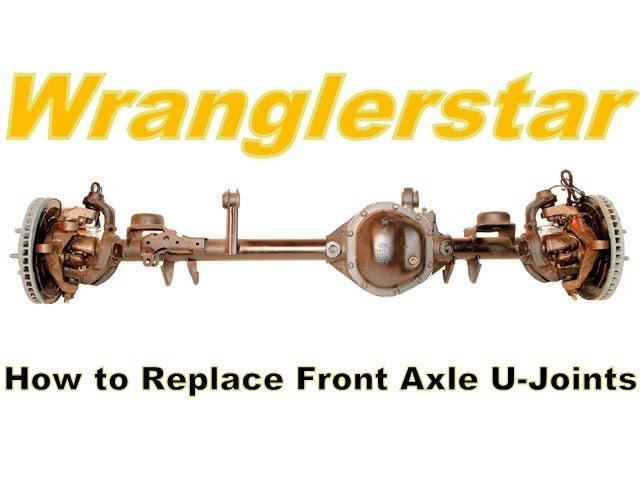
If you drive a Jeep, you may have heard people talk about U joints. These small but powerful parts are easy to overlook, but they play a big role in how your Jeep drives—especially if you like off-roading or own an older model.
Understanding what U joints are and how they work can help you avoid costly repairs and keep your Jeep running smoothly. Let’s break down everything you need to know about U joints on a Jeep.
What Are U Joints?
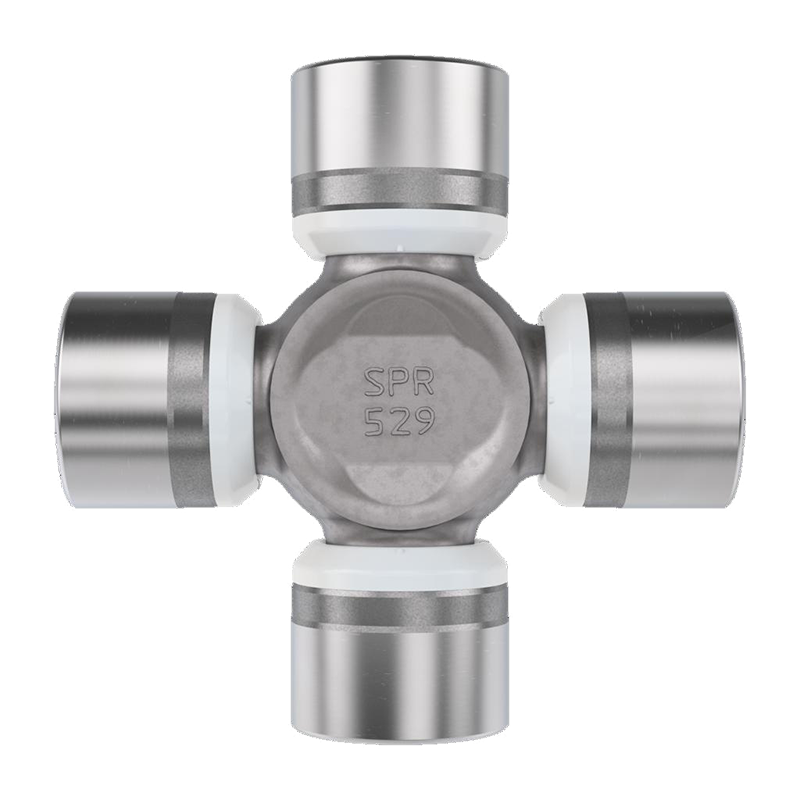
U joints, or universal joints, are flexible couplings that connect two rotating shafts. In a Jeep, you’ll find them on the driveshaft and sometimes on the axles. Their main job is to let the driveshaft transfer power from the transmission to the differential, even as the suspension moves up and down.
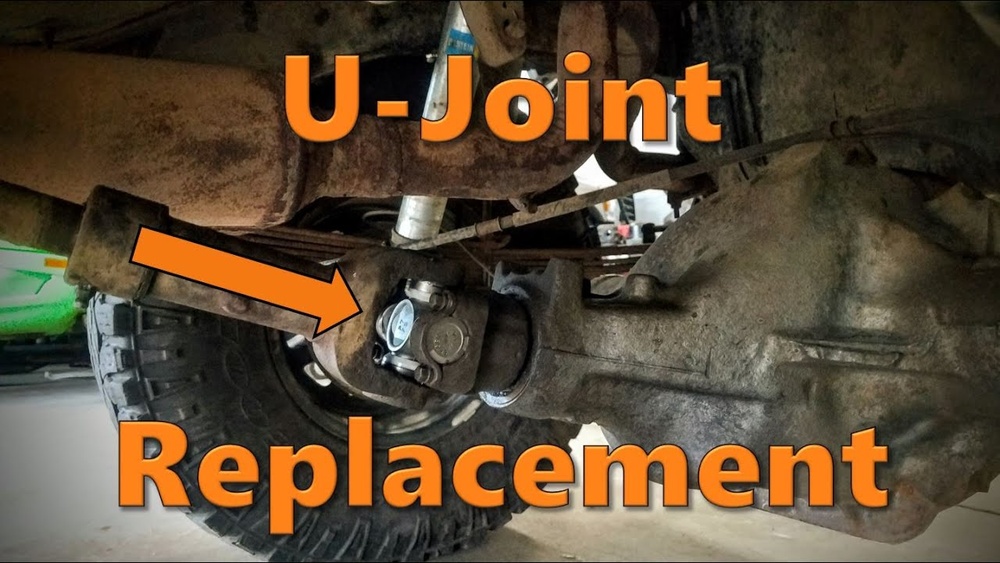
A U joint looks like a small cross or “plus” sign made of metal. Each end is capped with a bearing that allows it to pivot.
This simple design lets the driveshaft twist and bend at different angles without breaking.
It’s especially important for Jeeps because their suspension has more movement than most cars.
Why Are U Joints Important On A Jeep?
Jeeps are known for their off-road abilities. They handle rough trails, big rocks, and deep mud. This kind of driving makes the suspension move a lot, which means the driveshaft needs to flex. U joints absorb this movement, keeping the wheels powered while the Jeep flexes and turns.
If a U joint fails, your Jeep might:
- Lose power to the wheels
- Make loud clunking noises
- Vibrate at high speeds
- Even leave you stranded
Good U joints keep your ride smooth and safe, especially off-road. They also help protect other parts like the transmission and differential from getting damaged.
Where Are U Joints Located On A Jeep?
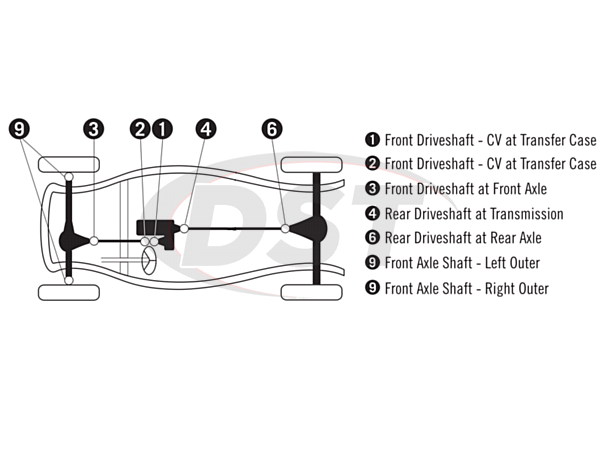
Most Jeeps have U joints in two main places:
- Driveshaft U Joints: Connect the driveshaft to the transmission and differential.
- Axle U Joints: Found in the front axle shafts, especially on 4×4 models. They allow the wheels to turn and move up and down at the same time.
Some models, like the Jeep Wrangler, may have up to four or more U joints. Older Jeeps usually have greasable U joints, while newer ones may use sealed versions.
Here’s a quick comparison of where you’ll find U joints on different Jeep models:
| Jeep Model | Driveshaft U Joints | Axle U Joints |
|---|---|---|
| Wrangler (YJ/TJ/JK) | 2-4 | 2 (front) |
| Cherokee (XJ) | 2-3 | 2 (front) |
| Grand Cherokee | 2-4 | Rare (mostly CV joints) |
Signs Your Jeep’s U Joints Need Attention
A failing U joint can cause serious problems. Here are the most common warning signs:
- Clunking noise when shifting from drive to reverse
- Vibration that gets worse as you go faster
- Squeaking sound at low speeds
- Rust or grease leaks around the joint
Don’t ignore these signs. A broken U joint can let the driveshaft drop and damage your Jeep’s undercarriage.
Non-obvious Signs To Watch For
- Driveshaft Play: If you can move the driveshaft by hand, the U joint may be worn—even if you don’t hear noises yet.
- Wobbling After Off-Roading: Hard landings or deep water crossings can stress U joints. Check them after tough trips.
How Long Do U Joints Last?
The lifespan of a U joint depends on:
- How you drive: Off-roading, towing, or mudding wears them out faster.
- Maintenance: Greasable U joints last longer if you add grease regularly.
- Quality: Higher-quality parts can last over 100,000 miles; cheaper ones may only last 30,000 miles.
Here’s a quick look at average U joint life:
| Type of Use | Average Life Span |
|---|---|
| Highway Driving | 80,000–100,000 miles |
| Off-Road/Heavy Use | 30,000–50,000 miles |
| Lack of Maintenance | Under 30,000 miles |
Tips For Maintaining Jeep U Joints
Taking care of your U joints is simple but important. Here’s what you can do:
- Inspect regularly: Check for play, rust, or leaks every oil change.
- Grease when needed: If your Jeep has greasable U joints, add fresh grease every 5,000–10,000 miles, or after water crossings.
- Replace at the first sign of trouble: Don’t wait for a total failure.
- Use quality parts: Cheap U joints can fail early, costing more in the long run.
A practical tip: Always carry a spare U joint and the right tools if you’re heading off-road. Many Jeep owners have replaced a failed U joint on the trail—it’s not hard with the right preparation.
U Joints Vs. Cv Joints: What’s The Difference?
Some newer Jeeps use CV joints instead of U joints, especially in front axles. Here’s how they compare:
| Feature | U Joint | CV Joint |
|---|---|---|
| Flexibility | Less flexible | More flexible |
| Off-Road Strength | Stronger for heavy use | Can break under extreme loads |
| Maintenance | Often greasable | Usually sealed |
For most off-roaders, U joints are preferred because they handle heavy loads better. For street driving and smoother rides, CV joints are more common.
Frequently Asked Questions