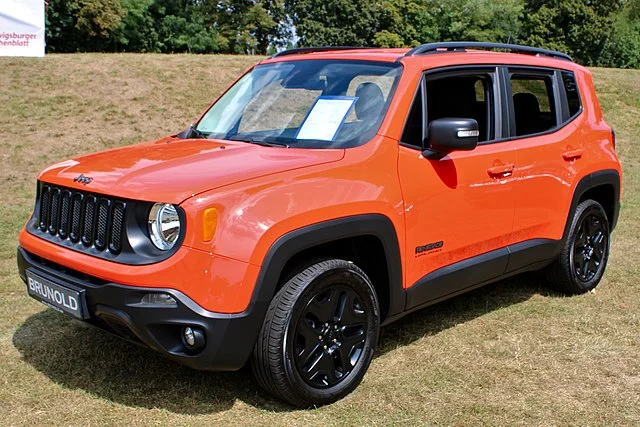
The Jeep Renegade is a compact SUV that grabs attention with its rugged looks and affordable price. Many buyers are drawn to its style and promise of adventure.
But before you decide, it’s important to look closely at the downsides. This article explains the cons of a Jeep Renegade in clear, simple terms.
If you’re considering buying one, these points will help you make a smarter choice and avoid surprises.
Performance And Engine Limitations
The Renegade offers several engine options, but many drivers report they feel underpowered. The base 1.3-liter turbo engine delivers around 177 horsepower, which is enough for city driving. However, when you try to merge onto highways or climb hills, the Renegade can struggle.
| Model Year | Base Engine HP | 0-60 mph (seconds) |
|---|---|---|
| 2022 | 177 | 9.0 |
| 2021 | 177 | 9.2 |
| 2020 | 160 | 10.0 |
For comparison, most compact SUVs reach 0-60 mph in less than 8 seconds. This slower acceleration can be noticeable, especially if you drive in busy cities or carry passengers often.
Another non-obvious issue is engine noise. Many owners mention that the Renegade’s engine is louder than other SUVs in its class. At high speeds, the cabin can become noisy, making long trips less comfortable.
Fuel Economy Concerns
You might expect a small SUV to deliver great fuel efficiency. However, the Renegade often falls short. The official EPA rating is about 24 mpg city and 32 mpg highway for the front-wheel-drive model. Real-world numbers can be even lower, especially with all-wheel drive.
| Drive Type | City MPG | Highway MPG | Combined MPG |
|---|---|---|---|
| FWD | 24 | 32 | 27 |
| AWD | 22 | 29 | 25 |
Compared to competitors like the Honda HR-V and Hyundai Kona, the Renegade uses more fuel. This means higher costs over time, especially for drivers who travel long distances.
Interior Quality And Space Issues
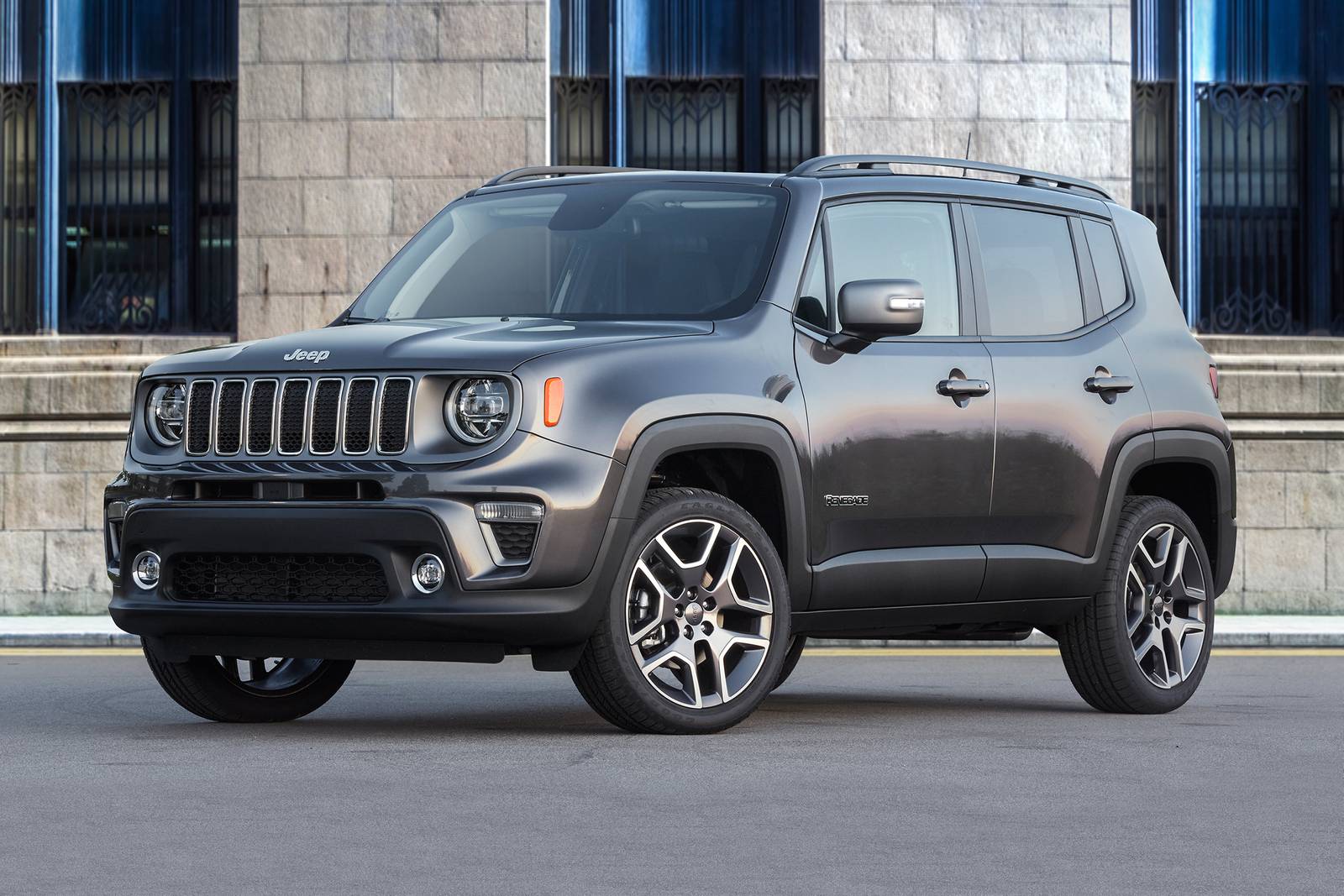
The Jeep Renegade’s interior is designed to look fun and youthful, but some materials feel cheap and hard. Plastic trim is common, and the seats are not as supportive as those in other compact SUVs.
One practical issue is cargo space. With the rear seats up, the Renegade offers about 18.5 cubic feet of storage. Fold the seats down, and you get 50.8 cubic feet. While this seems decent, the shape of the cargo area can make it hard to fit large items.
| Car Model | Rear Seats Up (cu ft) | Rear Seats Down (cu ft) |
|---|---|---|
| Jeep Renegade | 18.5 | 50.8 |
| Honda HR-V | 23.2 | 57.6 |
| Hyundai Kona | 19.2 | 45.8 |
A less obvious downside is the rear seat legroom. Tall passengers may feel cramped on longer rides. If you plan to carry adults in the back, this can be uncomfortable.
Reliability And Maintenance
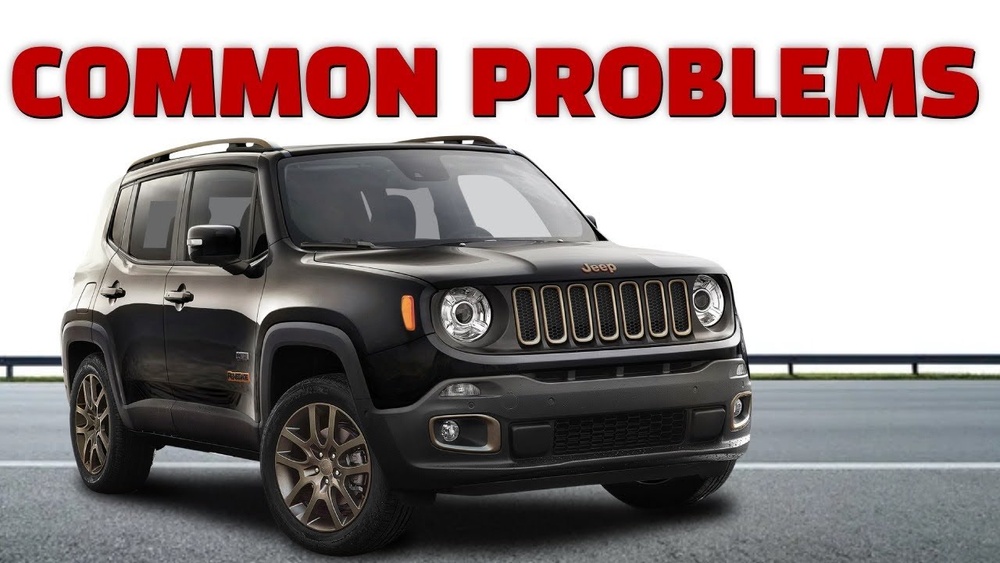
Jeep has a mixed reputation for reliability, and the Renegade is no exception. According to consumer reports, the Renegade scores below average for long-term durability. Common problems include:
- Electrical issues: Problems with the infotainment system, sensors, and lights.
- Transmission trouble: Some owners report rough shifting or hesitation.
- Water leaks: Unusual for SUVs, but several Renegade owners noticed leaks around windows and doors.
The cost of repairs can be higher than expected. Jeep parts are sometimes more expensive, and finding a qualified mechanic can be tricky outside big cities.
A non-obvious insight: The Renegade’s Turbo engine needs premium gas for best performance, which adds extra cost that many buyers overlook.
Safety Features And Ratings
The Renegade offers standard safety features like airbags, stability control, and backup cameras. However, it doesn’t perform as well as rivals in crash tests. The Insurance Institute for Highway Safety (IIHS) gave the Renegade only an “Acceptable” rating for small overlap front crash. Some competitors earn “Good” ratings in all areas.
Advanced safety tech, like adaptive cruise control and lane-keeping assist, is only available on higher trims. Lower trims lack these modern features, which are standard on many other SUVs.
Ride Comfort And Handling
The Renegade’s suspension is tuned for off-road driving. This sounds exciting, but on regular roads, it can feel stiff and bouncy. Potholes and bumps are more noticeable. If you drive mostly in cities, you may want a smoother ride.
Steering is another weakness. It feels loose and less precise compared to other compact SUVs. This can make driving feel less confident, especially at highway speeds.
Technology And Infotainment
Jeep’s Uconnect system is easy to use, but it can be slow and glitchy. Some owners report freezes and delayed responses. Apple CarPlay and Android Auto are available, but only on mid or higher trims.
Another practical issue: The screen size is smaller than what you get in newer models from other brands. If you want advanced tech, you’ll need to pay for a more expensive trim.
Frequently Asked Questions