If you love exploring rough trails in a Jeep Wrangler, you’ve probably heard about rock rails. But what exactly are they, and why do so many off-roaders insist on having them?
This article breaks down what rock rails are, what they do, and why they matter for your Jeep. Whether you’re new to off-roading or thinking about upgrading your Wrangler, you’ll find practical tips, real-world comparisons, and answers to common questions.
What Are Rock Rails?
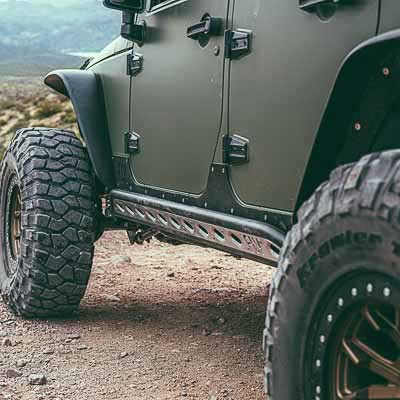
Rock rails (sometimes called rock sliders) are strong, steel bars or plates mounted along the sides of a Jeep Wrangler, just below the doors. Their main job is to protect the Jeep’s body from rocks, tree stumps, and other obstacles you might hit while off-roading.
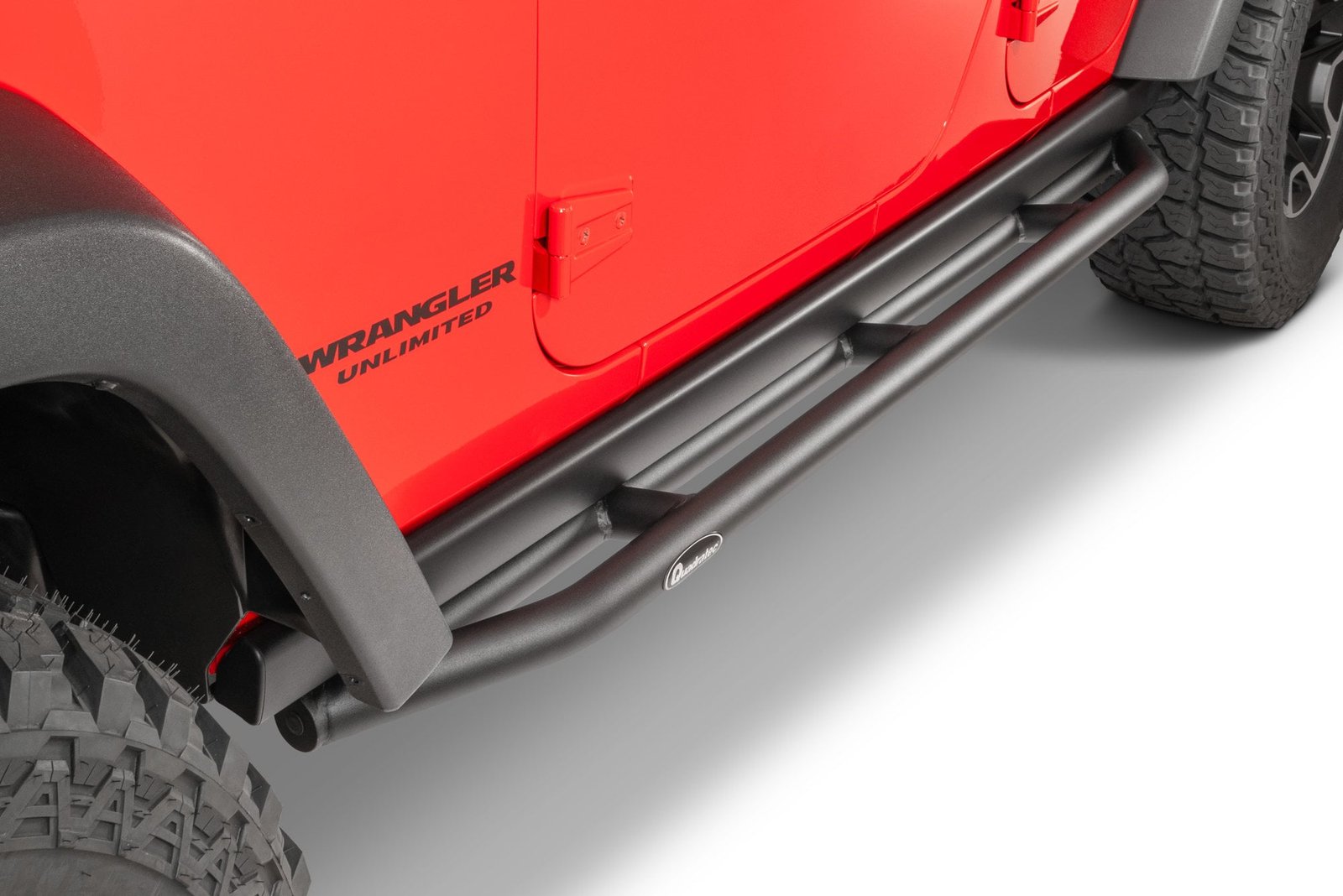
Rock rails are not just for looks. They take the hits that would otherwise dent or damage your door sills and lower panels. For serious off-roaders, they are almost a must-have. For many Jeep owners, rock rails are among the first upgrades after buying a Wrangler, especially if they plan to drive on rocky or uneven trails.
Why Are Rock Rails Important?
A Jeep Wrangler is built for adventure, but its metal body can get damaged quickly on tough terrain. That’s where rock rails come in. Here’s why they matter:
- Body Protection: Rock rails guard the lower sides of your Jeep. Without them, a hard hit from a rock can cause expensive dents or even bend the door frame.
- Safety: They help keep the Jeep’s doors and passengers safe by absorbing impacts that could otherwise cause injury or make the doors hard to open.
- Resale Value: Dents and scrapes lower your Jeep’s value. Rock rails help keep your vehicle looking good for longer.
- Confidence Off-Road: Knowing your Jeep is protected lets you tackle harder trails without worrying about every bump and scrape.
Types Of Rock Rails For Jeep Wrangler
Not all rock rails are the same. There are three main types, each with its own pros and cons.
| Type | Material | Purpose |
|---|---|---|
| Factory Rock Rails | Steel | Basic protection, light off-roading |
| Aftermarket Rock Sliders | Heavy-duty steel or aluminum | Serious off-roading, can support Jeep’s weight |
| Step-Style Rock Rails | Steel with step plate | Protection plus easy entry |
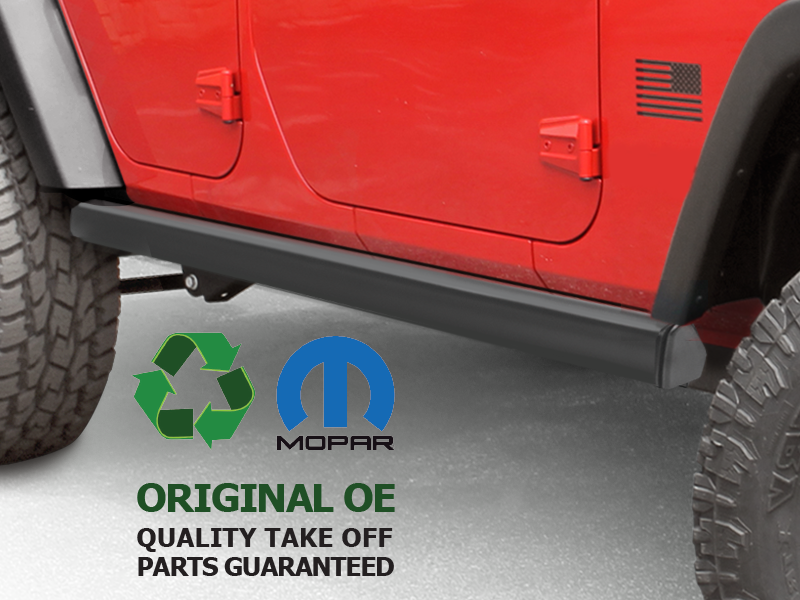
- Factory rock rails come with some Jeep models. They’re better than nothing, but usually not strong enough for extreme trails.
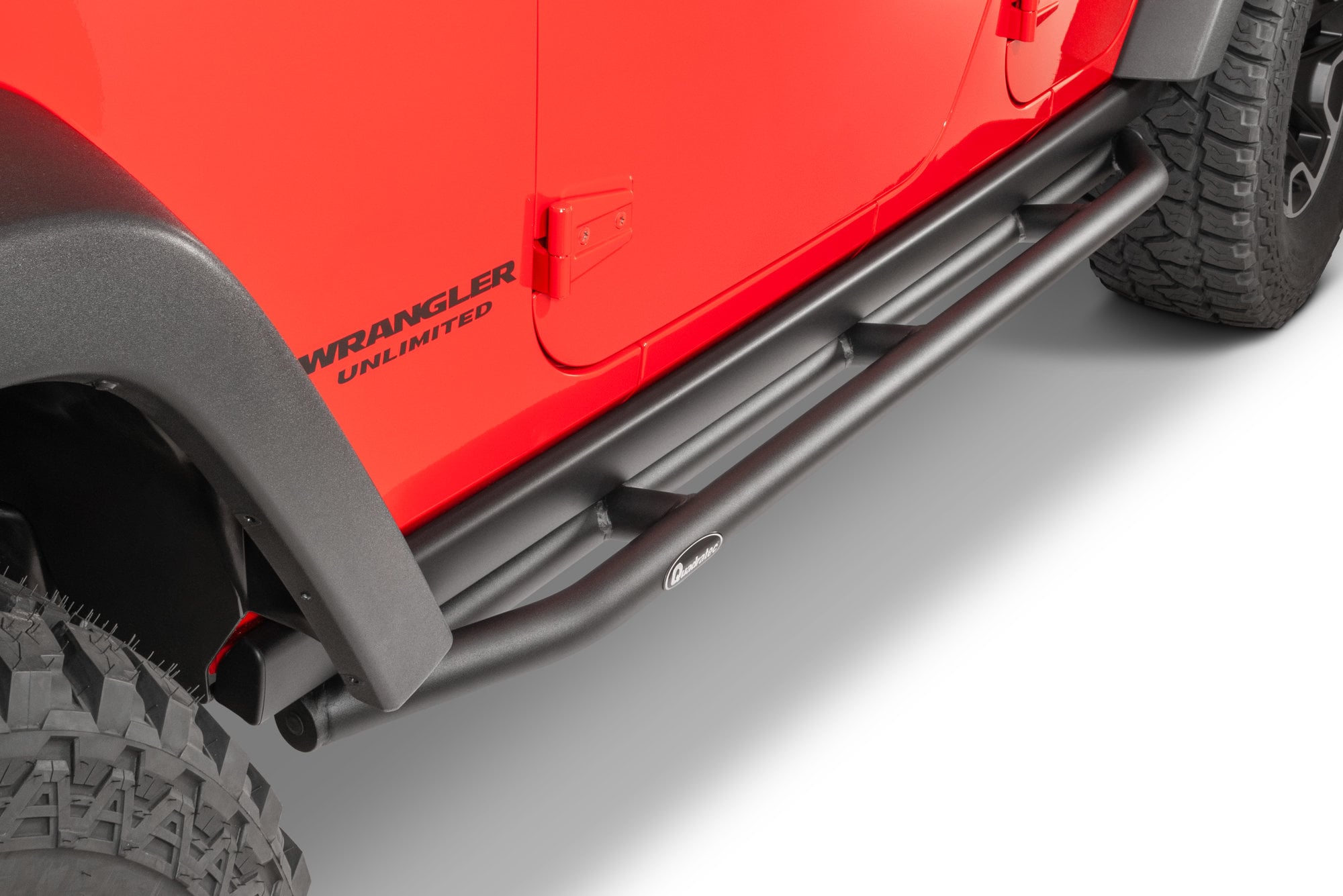
- Aftermarket rock sliders are built for real off-road use. These can take hard hits and even support the weight of your Jeep if you need to use a jack or “slide” over a rock.
- Step-style rock rails combine protection with a step. These are great for daily drivers who also do some off-roading.
How Do Rock Rails Work?
Rock rails are bolted directly to the frame of your Jeep, not just the body. This is important because the frame is much stronger and can handle impacts without bending. When your Jeep’s side hits a rock, the force goes into the frame, not the thin metal of the body.
Some rock rails are designed to stick out a bit from the body. This creates a small “ledge” that can also help you get into the Jeep, but more importantly, it keeps rocks and logs away from the doors.
Here’s a quick comparison of how they protect your Jeep:
| Without Rock Rails | With Rock Rails |
|---|---|
| High risk of body damage | Impact absorbed by strong rail |
| Doors and sills easily dented | Doors remain protected |
| Lower resale value | Better long-term value |
Choosing The Right Rock Rails
Selecting the best rock rails for your Jeep Wrangler depends on how you use your vehicle and your budget. Consider these factors:
- Material: Most rock rails are made from steel (strongest and heaviest) or aluminum (lighter but less tough).
- Mounting Style: Check if they bolt to the frame or just the body. Frame-mounted rails give much better protection.
- Weight: Heavy-duty rails can add 50-80 pounds per side. Too much weight can affect fuel economy and handling.
- Finish: Powder-coated rails resist rust and look good longer.
- Price: Factory rails cost less but offer less protection. High-quality aftermarket rails can cost $400 to $1,500 or more for a set.
An important tip: Some cheap rails look strong but only bolt to thin body panels. These can actually bend and cause more damage in a hard hit. Always check reviews and installation details before buying.
Installation: Can You Do It Yourself?
Many Jeep owners install rock rails themselves with simple hand tools. Most kits are designed for easy, bolt-on installation with no drilling required.
However, some heavy-duty rails might need extra help or a jack to lift them into place.
A few things to keep in mind:
- Make sure you have a safe way to lift and hold the rails during installation.
- Double-check that all bolts are tight.
- Some rails require removing or trimming factory side steps.
If you’re not comfortable with heavy lifting or working under your Jeep, a professional shop can install them in about 1-2 hours.
Real-world Example
A 2021 Jeep Wrangler Rubicon owner who often drives the Rubicon Trail in California reports that rock rails have saved his Jeep from serious damage more than once. On one trip, the rails took a direct hit from a large boulder. The rails were scratched, but the Jeep’s body was untouched. Without the rails, the door and sill would have needed expensive repairs.
Rock Rails Vs. Side Steps: What’s The Difference?
People often confuse rock rails with side steps. Here’s a quick side-by-side look:
| Feature | Rock Rails | Side Steps |
|---|---|---|
| Main Purpose | Protection | Ease of entry |
| Material | Steel/Aluminum | Plastic/Light metal |
| Mounting | Frame | Body |
| Off-Road Use | Yes | No |
Side steps are not designed for off-road impacts and can actually get damaged or ripped off on the trail.
Non-obvious Tips And Insights
- Check for Drain Holes: Some rock rails have drain holes to let out water and mud. This small feature helps prevent rust over time.
- Paint Touch-Ups: After a hard hit, touch up any scratches with rust-resistant paint to stop rust before it starts.
Many beginners skip these details, but they help your rails last much longer and protect your investment.
Frequently Asked Questions
What Material Is Best For Rock Rails On A Jeep Wrangler?
Steel is the most popular because it’s very strong, but it is heavy. Aluminum is lighter and resists rust, but it may bend in extreme situations.
Can Rock Rails Be Used As Steps?
Some rock rails are designed with a flat top so you can use them as steps. However, not all rails are safe to stand on. Always check the manufacturer’s description.
Will Rock Rails Fit With My Factory Side Steps?
Most factory side steps need to be removed before installing rock rails. Some aftermarket rails offer a step feature, so you don’t lose that convenience.
Do Rock Rails Affect Ground Clearance?
Good quality rock rails are designed to hug the body and not reduce ground clearance. Poorly designed or bulky rails can hang down and catch on rocks.
Are Rock Rails Worth The Cost For Casual Drivers?
If you only drive on paved roads, you may not need them. But if you plan any off-roading, even just trails with rocks or deep ruts, they can save you hundreds or thousands in repairs. According to Jeep Official, protective gear like rock rails is recommended for off-road use.
Whether you’re a weekend trail explorer or a daily driver who loves the look, rock rails are a smart investment for any Jeep Wrangler owner who wants to protect their ride and keep it ready for the next adventure.