Jeep owners love making their vehicles tougher and more capable. One upgrade that’s gaining popularity is portal axles. But what are portals on a Jeep, and why do so many off-road fans want them? Let’s break it down simply, so you’ll understand if portals are right for you.
What Are Portals On A Jeep?
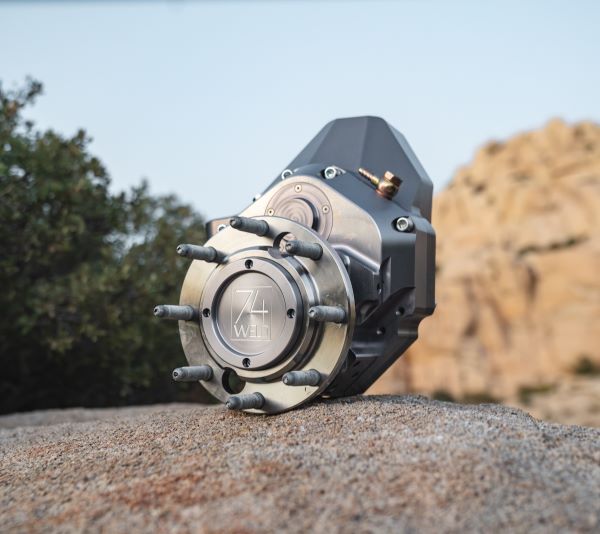
Portals refer to a special kind of axle system. Instead of the axle shaft connecting directly to the wheel hub, portal axles use a set of gears to drop the wheel hub lower than the axle. This design changes the way power gets to the wheels and has big effects on ground clearance and performance.
Think of portal axles as mini gearboxes at each wheel. The axle sits higher, but the wheels are mounted lower thanks to the portal box.

This setup is common in military vehicles, like the Mercedes Unimog, but now you can find aftermarket portal kits for Jeeps.
Why Do Off-roaders Use Portal Axles?
Portals are not just for looks. They offer real, measurable benefits, especially for people who take their Jeeps off-road.
| Standard Axle | Portal Axle |
|---|---|
| Axle sits low, close to ground | Axle sits high, more ground clearance |
| No extra gear reduction | Built-in gear reduction |
| Wheel hub and axle are level | Wheel hub is below axle |
Here’s what portals offer:
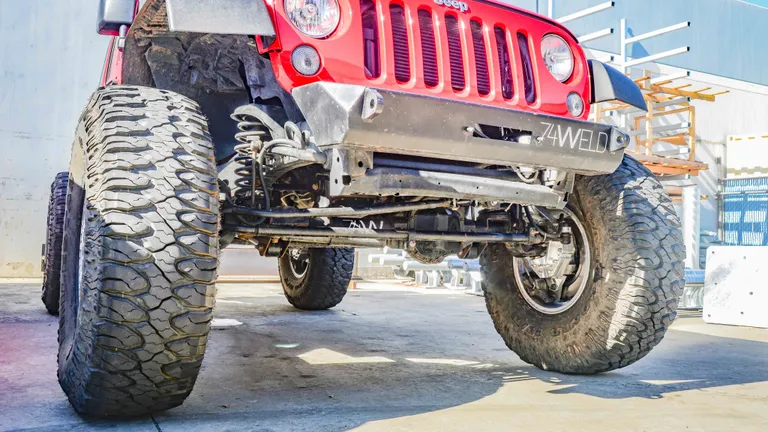
- Extra ground clearance: Portal axles give a Jeep several more inches of clearance under the axles. This helps avoid rocks and obstacles.
- Lower gear ratio: The built-in gearing means you get more torque at the wheels. This is great for crawling slowly over tough terrain.
- Reduced stress on drivetrain: Because the wheels turn slower with portals, the driveshaft and axles don’t work as hard.
- Stronger axles: Many portal kits use heavy-duty axles that can handle bigger tires and tougher trails.
These benefits make portals a favorite for extreme rock crawlers and people who want a Jeep that can handle anything.
How Portal Axles Work
Portal axles use a simple idea: a small gearbox at each wheel. The axle shaft enters the portal box, which contains gears. These gears transfer power down to the wheel hub, which is mounted below the axle.
Here’s a basic breakdown:
- The main axle sits above the wheel hub.
- Inside the portal box, gears reduce speed and increase torque.
- The wheel hub is positioned lower, so the Jeep gets more clearance.
This design means you can run bigger tires without lifting your Jeep as high. It also keeps the center of gravity lower, which helps stability.
| Portal System Feature | Benefit |
|---|---|
| Drop Gearbox | More ground clearance |
| Gear Reduction | Better torque for off-roading |
| Heavy-duty housing | Handles big tires, tough terrain |
Portal Axles Vs. Standard Lift Kits
Many Jeep owners use lift kits to get more clearance. But portal axles do something different.
They lift only the axle, not the whole Jeep body. This means you get clearance without raising the center of gravity too much.
Let’s compare:
| Lift Kit | Portal Axle |
|---|---|
| Raises body and suspension | Raises only the axle |
| Higher center of gravity | Lower center of gravity |
| No gear reduction | Built-in gear reduction |
| Needs bigger tires for more clearance | Extra clearance even with stock tires |
Portal axles make it easier to clear obstacles without making your Jeep unstable. You can run big tires, but you don’t need to raise the body as much.
Are There Any Downsides?
Portals are powerful, but they come with challenges:
- Cost: Portal axle kits are expensive. Most start above $10,000, and professional installation adds more.
- Weight: Portals add weight to the axle. This can affect gas mileage and handling.
- Maintenance: The extra gears need regular checks and oil changes. If you ignore them, repairs can get costly.
- Fitment: Not every Jeep model can use portals easily. Some kits need custom work.
- Noise: Portal gears may make the Jeep louder, especially at high speeds.
Most beginners miss that portals can change tire wear and steering feel. If you’re not ready for extra maintenance, portals might be too much.
Real-world Examples And Stats
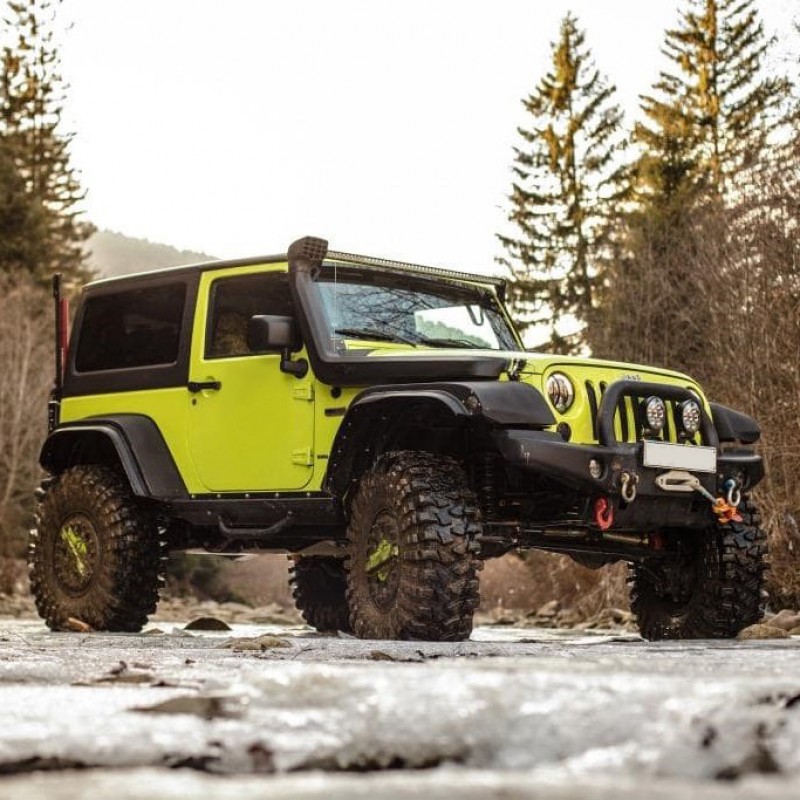
Portal axles are popular in competitions like King of the Hammers. Jeeps with portals often clear obstacles that stop others. One test showed a Jeep Wrangler with portals gained over 4 inches of extra clearance compared to a standard Rubicon.
Drivers report that portal axles let them run 37-inch tires with less lift, keeping the Jeep more stable. In mud and rocks, the extra torque and clearance mean fewer stuck moments.
A Jeep owner with portals shared that maintenance took about 30 minutes every few months, mostly checking gear oil and seals. Most users say the benefits outweigh the hassle, especially for heavy off-roading.
If you want more data, you can read about portal axle design on Wikipedia.
Frequently Asked Questions
What Is The Main Advantage Of Portals On A Jeep?
The biggest benefit is extra ground clearance. Portal axles lift the axle higher, so your Jeep can clear rocks, logs, and deep ruts without getting stuck.
Are Portal Axles Better Than A Regular Lift Kit?
Portal axles offer more clearance under the axle and a lower center of gravity. Lift kits raise the body, which can make the Jeep less stable. Portals are usually better for extreme off-roading.
How Much Do Portal Axles Cost?
Most portal axle kits for Jeeps start at $10,000–$15,000. Professional installation can add another $2,000–$5,000. Maintenance and repairs can also be higher than standard axles.
Do Portal Axles Fit All Jeep Models?
Not every Jeep can use portal axles. Most kits are made for popular models like the Wrangler and Gladiator.
Some older models or special editions may need custom work.
Can Portals Make My Jeep Street Legal?
Portals change the width and height of your Jeep. In some states, you may need to meet special rules for vehicle height and tires. Always check local laws before installing portals.
Portals are not for every Jeep owner. But if you want the best performance on tough trails, they’re a powerful upgrade that delivers real results.


















