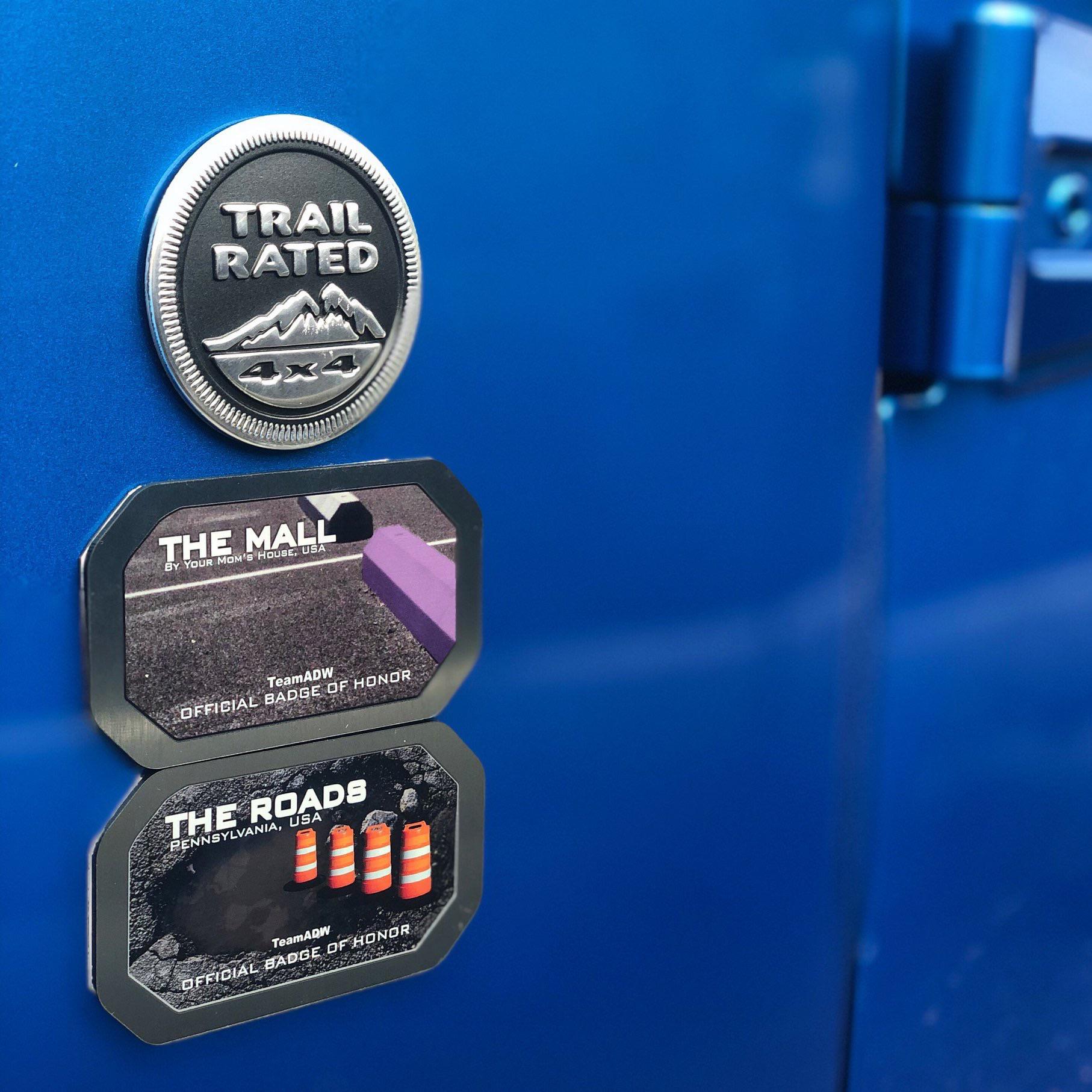
Jeep owners love to show off their vehicles—and one unique way they do this is with Jeep badges. These small emblems tell a story about the Jeep, its owner, and its adventures.
If you’ve seen Jeeps with shiny tags on the grille, fenders, or tailgate, you may wonder what these badges mean. Are they just for looks, or do they represent something special?
Let’s dive into the world of Jeep badges and understand why they matter to drivers and fans.
What Are Jeep Badges?
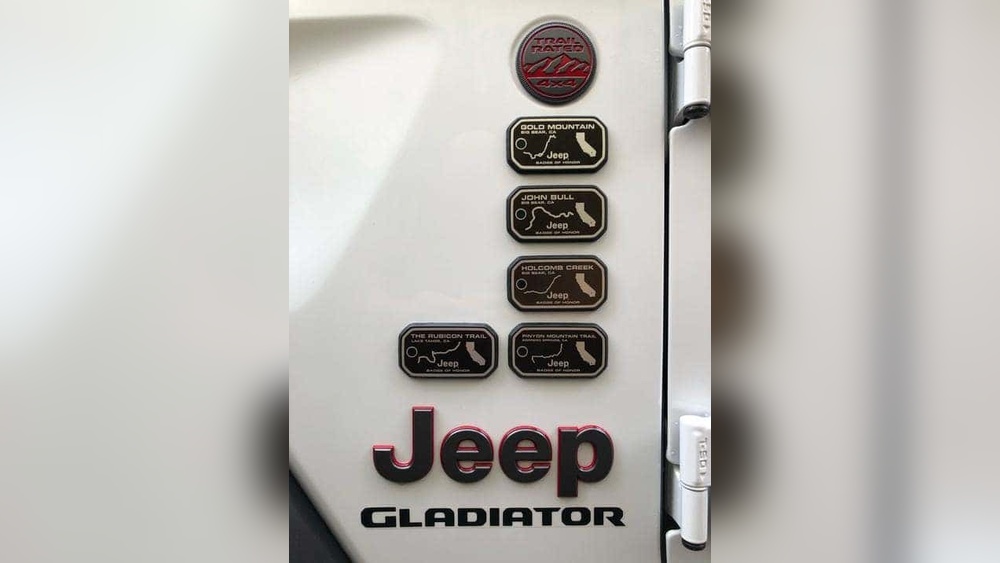
Jeep badges are small metal or plastic emblems placed on different parts of Jeep vehicles. They symbolize achievements, model names, special editions, and even personal milestones. Some badges are awarded for completing challenging trails, while others highlight specific models or features.
For Jeep fans, badges can be a source of pride. They’re not just decorations—they tell others that the Jeep and its owner have accomplished something unique.
The tradition of collecting badges has grown, especially among off-road enthusiasts.
Types Of Jeep Badges
Jeep badges come in many forms. Here are the most common types:
- Trail Badges: Awarded for conquering famous off-road routes, such as the Rubicon Trail or Moab.
- Model Badges: Indicate the specific Jeep model, like Wrangler, Cherokee, or Grand Cherokee.
- Special Edition Badges: Celebrate limited-run Jeeps, such as Jeep 75th Anniversary or Altitude Edition.
- Feature Badges: Show off unique features, like Trail Rated for Jeeps with advanced off-road capabilities.
- Personal Badges: Custom badges made by owners to reflect personal achievements or club memberships.
Below is a comparison table showing some popular badge types and their meaning:
| Badge Type | Purpose | Location |
|---|---|---|
| Trail Badge | Off-road achievement | Fender/Grille |
| Model Badge | Vehicle identity | Tailgate/Side |
| Special Edition Badge | Limited production | Front/Rear |
| Feature Badge | Technical features | Fender |
| Personal Badge | Custom message | Anywhere |

Jeep Badge Of Honor Program
One of the most famous badge traditions is the Jeep Badge of Honor program. This initiative rewards drivers who complete official Jeep trails across the United States. After registering and tracking their trail completion on the Badge of Honor app, drivers receive a physical badge for their Jeep.
The Badge of Honor program covers over 50 trails. Each badge is numbered and named after the trail.
This makes them collectible and highly valued among Jeep owners.
Here’s a quick comparison of two famous Badge of Honor trails:
| Trail Name | Location | Difficulty | Badge Popularity |
|---|---|---|---|
| Rubicon Trail | California | Very High | Top 5 |
| Moab | Utah | High | Top 10 |
Why Jeep Badges Matter
Jeep badges are more than decorations. They represent:
- Achievement: Completing a tough trail or owning a special model.
- Community: Being part of Jeep clubs or groups.
- Heritage: Celebrating Jeep’s history and milestones.
- Customization: Making each Jeep unique.
Many drivers see badges as proof of their skills. For example, earning a Trail Rated badge means your Jeep passed tests for traction, water fording, and ground clearance. Not all models qualify for this badge, so it’s a mark of capability.
How To Earn Jeep Badges
Most badges are earned, not bought. Here’s how you can get them:
- Complete Trails: Join events or drive official Jeep trails. Register your Jeep and log your journey.
- Buy Special Editions: Purchase a limited-run Jeep that comes with exclusive badges.
- Join Clubs: Some Jeep clubs offer badges for membership or participation.
- Customize: Order custom badges from authorized shops or online.
- Upgrade Features: Add features like off-road packages to qualify for feature badges.
A common mistake is thinking badges are only for decoration. In reality, many badges have strict requirements, and some are only given after verification.
Jeep Badge Placement
Where you place your badge matters. Most badges are designed to fit specific parts of the Jeep:
- Fenders: Trail and feature badges usually go here.
- Grille: Some special edition badges are placed up front.
- Tailgate: Model badges are often found here.
- Interior: A few badges, especially club or personal badges, are displayed inside.
Proper placement helps keep badges visible and prevents damage. It’s best to clean the area before attaching a new badge.
Owners should avoid placing badges over paint scratches or rust.
Collecting Jeep Badges
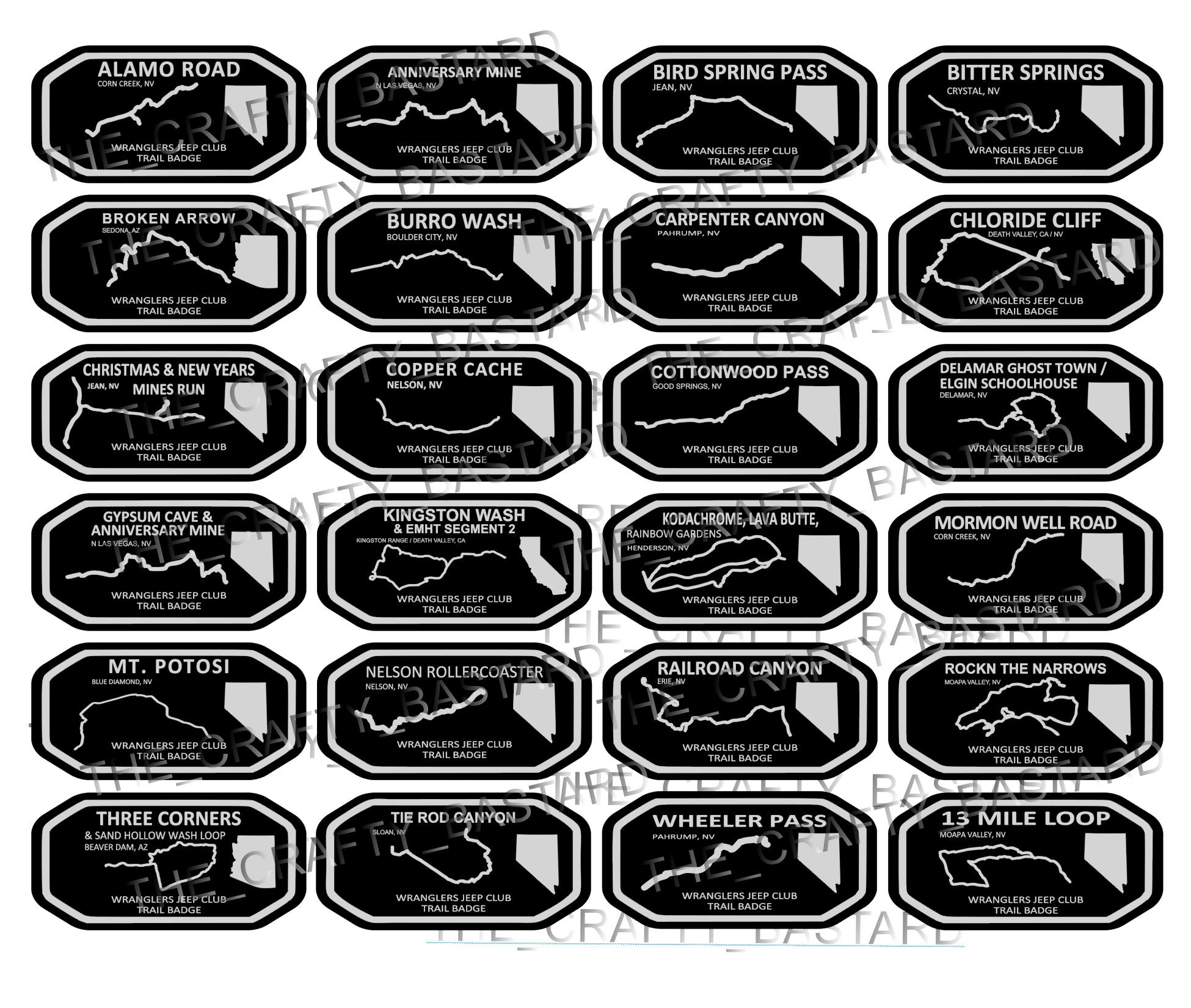
Badge collecting has become a hobby for many Jeep owners. Some aim to earn every trail badge, while others focus on rare model badges.
Online forums and social media groups share tips and stories about badge collections.
A non-obvious insight: collectors often trade badges with other owners. This builds community and lets people own badges from trails they haven’t visited yet.
Another tip: real badges hold more value than replicas. Some owners mistakenly buy fake badges, which can hurt their reputation in Jeep circles.
Jeep Badges Vs. Other Vehicle Badges
Jeep badges are different from badges on other vehicles. Here’s a quick comparison:
| Vehicle Type | Badge Purpose | Owner Value |
|---|---|---|
| Jeep | Achievement, heritage, customization | Very High |
| Luxury Cars | Brand status | High |
| Sports Cars | Performance | Medium |
| Trucks | Capacity, feature | Medium |
Jeep badges tell a story about the driver’s adventures. Other vehicle badges usually focus on brand or model.
Maintaining And Protecting Your Jeep Badges
Badges can fade or get damaged over time. Here’s how to keep them looking good:
- Wash badges gently with soap and water.
- Avoid harsh chemicals that might damage the finish.
- Use a soft brush for tough dirt.
- Check for rust or peeling, especially after off-road trips.
If you lose a badge, contact Jeep or your club for a replacement. Never glue badges back if they break—use proper fasteners.
Frequently Asked Questions