Jeep vehicles are known for their ability to tackle rough trails, rocky paths, and city streets with confidence. But what makes Jeeps so stable and capable off-road?
One key part is the control arm. Many new Jeep owners hear about control arms but may not know what they do or why they matter.
Understanding control arms is important if you want better handling, smoother rides, or plan to lift your Jeep.

What Are Control Arms?
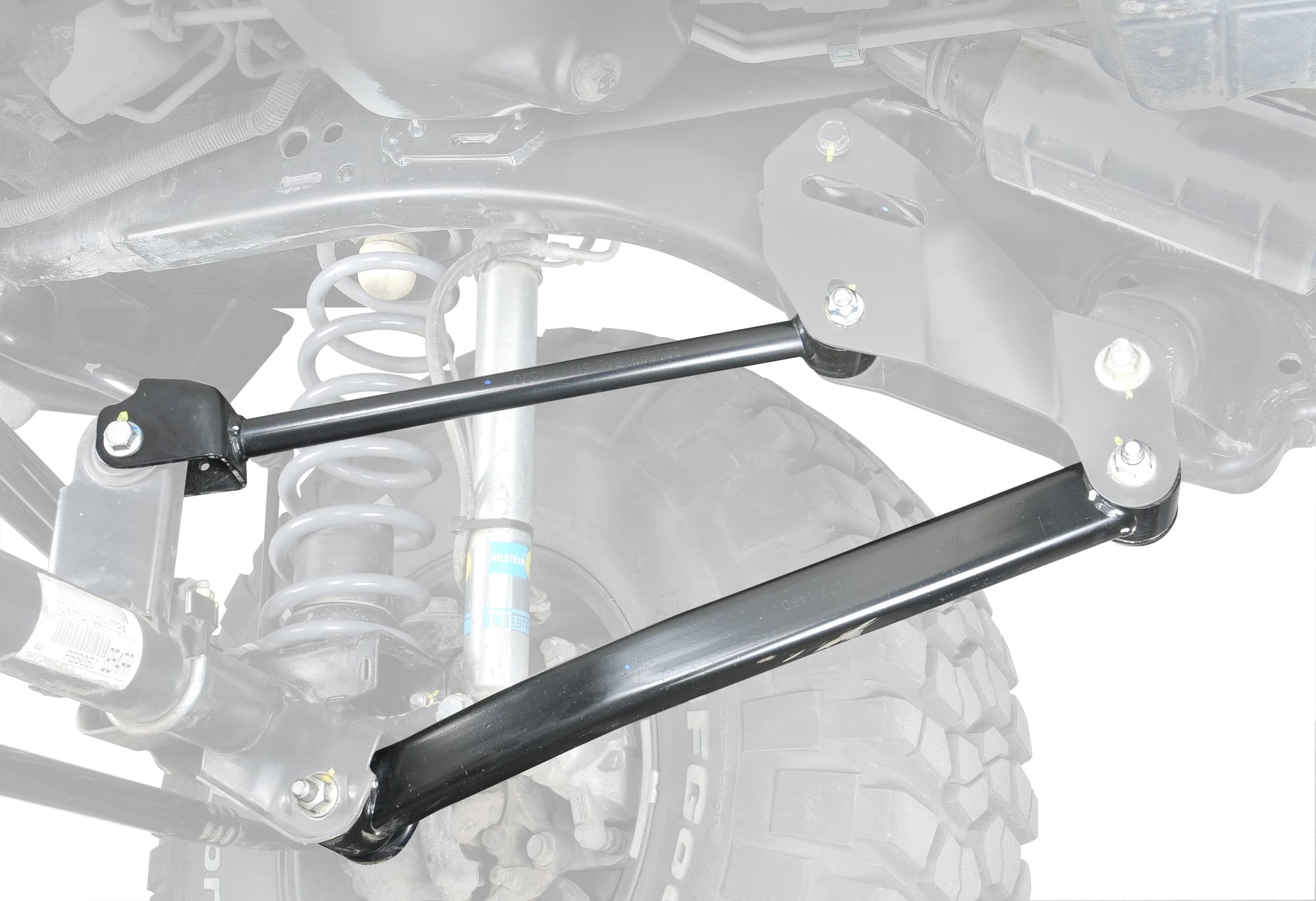
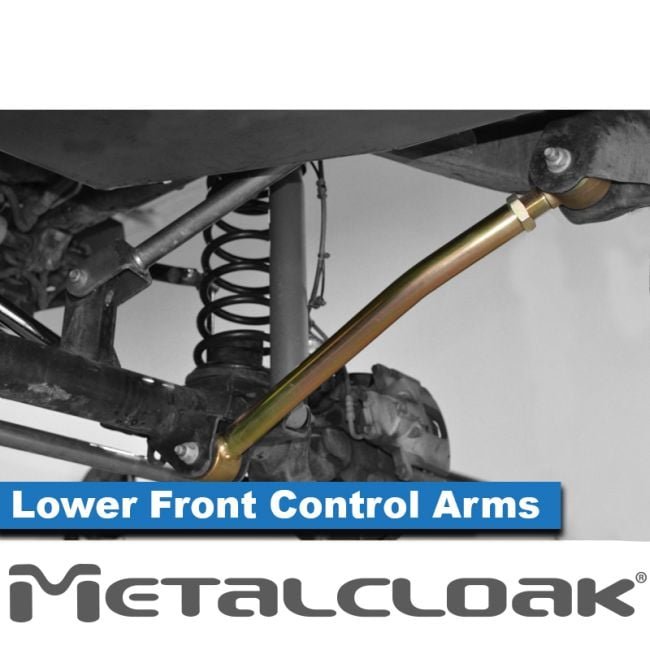
Control arms are strong metal bars that connect the Jeep’s frame to the axle or wheel hub. They help keep the wheels in the right position as the suspension moves up and down. On most Jeeps, you will find control arms both in the front and rear suspension.
A typical Jeep, like the Wrangler, uses a solid axle with several control arms to guide the axle’s movement. Without control arms, your wheels would move around too much, causing poor handling and safety problems.
Basic Function
- Keep wheels aligned: Control arms keep the wheels pointed straight, even as the suspension moves.
- Allow up-and-down movement: They let the suspension move to absorb bumps, while stopping the wheels from moving side to side.
- Transfer forces: Control arms help transfer braking and acceleration forces to the Jeep’s frame.
Types Of Control Arms On A Jeep
Different Jeep models and years may use various control arm setups. However, most use one of these two main types:
| Type | Main Features | Common Models |
|---|---|---|
| Short Arm | Standard length, found on most stock Jeeps | Wrangler TJ, JK, JL |
| Long Arm | Longer for greater flex, used in lifted Jeeps | Wrangler with lift kits |
Short arms are common on factory Jeeps. They provide a balance between ride comfort and off-road performance.
Long arms are popular in modified Jeeps because they allow the suspension to move more, making the ride smoother over large bumps.

How Control Arms Affect Your Jeep’s Ride
Many drivers do not realize how much control arms influence the driving experience. Here’s how they make a difference:
- Stability: Good control arms keep your Jeep stable, especially at high speeds or over rough ground.
- Steering: Worn or damaged arms can cause loose or “wandering” steering.
- Ride Comfort: Upgraded control arms with better bushings can reduce vibration and noise inside the vehicle.
For example, a Jeep with worn control arm bushings may “clunk” over bumps or feel unstable when turning. Replacing or upgrading control arms can bring back a smooth, controlled ride.
When Should You Replace Or Upgrade Jeep Control Arms?
Control arms are strong, but they are not indestructible. Off-roading, age, or accidents can damage them or their bushings. Here’s when you may need to replace or upgrade:
- Suspension Lift: Lifting your Jeep changes the suspension angles. Upgrading to adjustable or long arms helps keep the suspension geometry correct.
- Worn Bushings: If you hear clunking noises or feel extra vibration, the rubber bushings may be worn out.
- Bent Control Arm: Hard impacts can bend a control arm. This affects wheel alignment and safety.
- Better Performance: Upgraded arms with stronger materials or better joints can improve off-road ability.
Upgrading is common for Jeep owners who want to tackle tougher trails. Adjustable control arms allow for custom suspension setups, which is important for lifted Jeeps.
Common Control Arm Materials And Joints
Control arms are made from different materials and use various joints. Both affect strength, weight, and maintenance.
| Material | Pros | Cons |
|---|---|---|
| Steel | Strong, affordable, easy to repair | Heavier, can rust |
| Aluminum | Lighter, resists rust | More expensive, can bend under extreme loads |
For the joints, you may see:
- Rubber bushings: Quiet and smooth, but wear out faster.
- Polyurethane bushings: Last longer, give firmer feel, may squeak if not greased.
- Spherical (heim) joints: Maximum movement for off-roading, but can transmit more vibration to the cabin.
Most factory Jeeps use rubber bushings. Upgrades often include polyurethane or spherical joints for better durability or articulation.
How Many Control Arms Does A Jeep Have?
The number depends on the Jeep model and the suspension design. For example, a Jeep Wrangler JK (2007–2018) with solid axles has:
- 4 front control arms (2 upper, 2 lower)
- 4 rear control arms (2 upper, 2 lower)
So, there are usually 8 control arms on a solid axle Jeep. Some newer models or those with independent suspension (like the Grand Cherokee) have different setups. Always check your specific Jeep’s manual for the correct information.
Signs Of Bad Or Failing Control Arms
If your Jeep’s control arms or bushings are failing, you might notice:
- Clunking or banging noises when going over bumps
- Steering feels loose or unstable
- Uneven tire wear
- Vibration in the steering wheel
- Visible damage to the arms or bushings
Ignoring these signs can lead to bigger issues, such as poor handling or unsafe driving.
Control Arms And Alignment
Control arms play a big role in wheel alignment. If you change the length of the arms (like with adjustable arms), you can set the caster, camber, and pinion angles for better handling. Many Jeep owners do not realize that even a small change in control arm length can change how the Jeep drives.
If you install a lift kit, do a full alignment after adjusting or replacing your control arms. This helps prevent uneven tire wear and keeps your Jeep safe on the road.
Comparison: Stock Vs Aftermarket Control Arms
Here’s a quick side-by-side look at factory vs upgraded control arms:
| Feature | Stock Control Arms | Aftermarket Control Arms |
|---|---|---|
| Material | Stamped steel | Heavy-duty steel or aluminum |
| Adjustability | Fixed length | Often adjustable |
| Best Use | Daily driving, light off-road | Lifted Jeeps, heavy off-road |
| Price | Lower | Higher |
Aftermarket arms are not always necessary for casual drivers. However, for serious off-roaders or those with lifted Jeeps, the investment brings better performance and longer life.
Closing Thoughts
Control arms are a key part of your Jeep’s suspension. They help your vehicle handle well, ride smoothly, and stay safe on or off the road. Regular checks and timely upgrades can keep your Jeep ready for any adventure. Whether you stick with factory parts or upgrade for off-roading, understanding control arms helps you make smarter decisions about maintenance and modifications.
For more technical details, visit this Wikipedia page on control arms.
Frequently Asked Questions
What Do Control Arms Do On A Jeep?
Control arms connect the Jeep’s frame to the axle, keeping the wheels in line while letting the suspension move up and down.
How Do I Know If My Jeep’s Control Arms Are Bad?
Listen for clunking noises over bumps, check for loose steering, or look for uneven tire wear. Visible damage or worn bushings are also signs.
Can I Replace Just One Control Arm Or Should I Do All At Once?
You can replace just one if it’s damaged. However, it’s often best to check and replace them in pairs or sets for balanced handling.
Are Aftermarket Control Arms Worth It For Daily Driving?
For most daily drivers, factory arms are fine. Aftermarket arms are more useful for lifted Jeeps or serious off-road use.
Do I Need An Alignment After Changing Control Arms?
Yes, always get a wheel alignment after replacing or adjusting control arms to ensure safe handling and proper tire wear.