The 2014 Jeep Cherokee stands out for its sporty design and comfortable ride, attracting many drivers looking for a versatile SUV. However, owners often face several problems that can affect reliability and driving experience.
Understanding these issues helps you make better decisions, whether you’re buying, selling, or maintaining a Cherokee.
This article explains the most common problems, shares real data, and highlights key points that beginners often miss. Even if you’re new to cars, you’ll find practical advice and examples to help you avoid common mistakes.
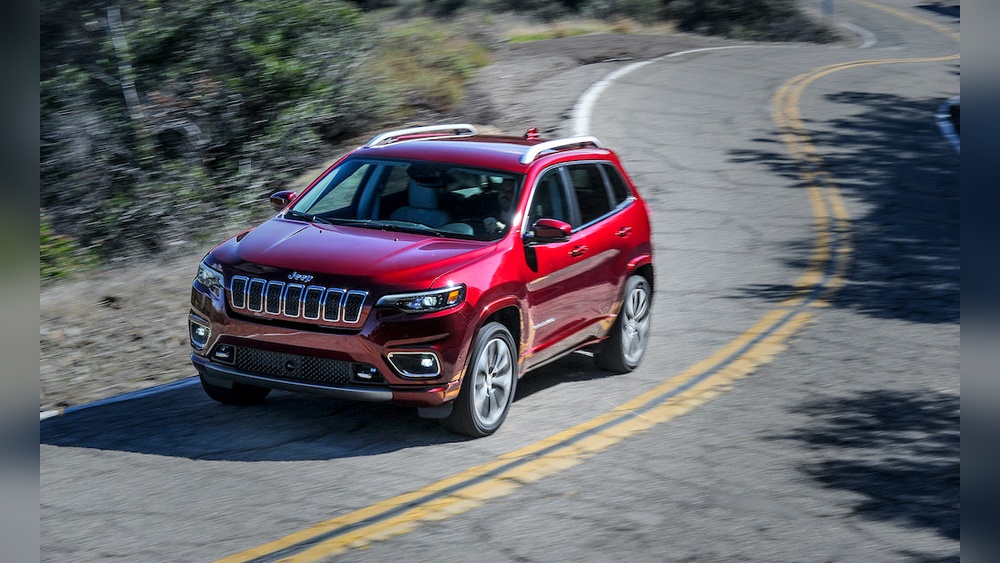
Transmission Problems
Many drivers report transmission issues with the 2014 Jeep Cherokee. The main concern is the nine-speed automatic gearbox. It can feel jerky or hesitate when shifting between gears, especially at low speeds. Some owners experience unexpected stalling, which can be dangerous in traffic. According to the National Highway Traffic Safety Administration (NHTSA), the 2014 Cherokee has over 600 complaints related to transmission.
Transmission problems sometimes appear during the first year of ownership, but many drivers notice them after driving 20,000–40,000 miles. For example, some owners say the car “lurches” when accelerating from a stop, which is both uncomfortable and worrying.
Others mention the car suddenly shifting into neutral or refusing to move into higher gears, especially on cold mornings.
Symptoms
- Delayed gear changes
- Grinding or clunking noises
- Sudden loss of power
- Gear indicator flashing on dashboard
Why It Happens
The nine-speed transmission was new in 2014, and software glitches often cause these problems. Jeep released several updates, but not all cars received them.
Sometimes, hardware problems like faulty sensors or worn parts add to the trouble.
Practical Tip
If you notice shifting issues, ask your dealer about the latest transmission software updates. Some updates are free if your car is under warranty or recall. Ignoring these symptoms can lead to expensive repairs later, such as needing a full transmission replacement. It’s also smart to test the transmission by driving in both city and highway conditions before purchase.
Electrical System Issues
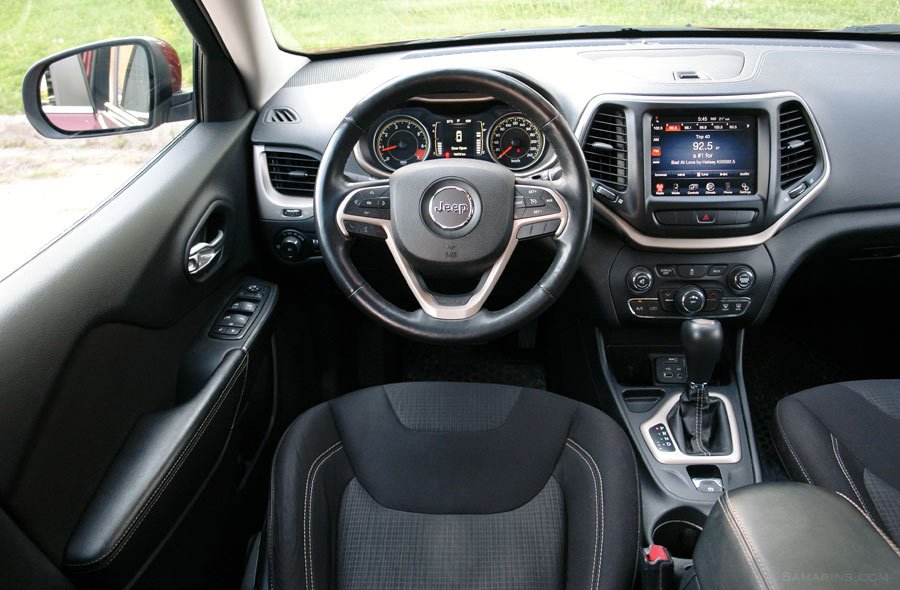
Electrical problems are another frequent complaint. Drivers report touchscreen failures, backup camera malfunctions, and random warning lights. Sometimes, the Uconnect system freezes, preventing access to navigation or phone features.
These problems can appear suddenly, even in newer vehicles with low mileage. For example, a driver may start the car and find the radio or navigation system stuck on the loading screen.
In colder weather, some owners experience even more glitches, such as the screen going completely black or the climate control not responding.
| Electrical Issue | Reported Frequency | Repair Cost (Avg.) |
|---|---|---|
| Touchscreen failure | Common | $600 |
| Backup camera | Moderate | $400 |
| Random warning lights | Frequent | $150 |
Other electrical issues include power windows or door locks not working, or the car failing to start because of battery drain. Sometimes, the root cause is a faulty wiring harness or a bad ground connection.
Overlooked Insight
Many beginners skip checking all electronics during test drives. Always test the touchscreen and camera before buying a used Cherokee. Also, check features like power seats, heated mirrors, and Bluetooth, as these can be expensive to fix if they fail.
Engine Concerns
The 2014 Cherokee offers both 2.4L and 3.2L engines. While they provide decent power, several owners report engine issues like rough idling, misfires, and in some cases, complete failure.
Some drivers notice that the engine shakes or vibrates when stopped at a light. Others mention the engine warning light turning on after a misfire.
In rare cases, the engine may shut off completely while driving, forcing the driver to pull over immediately.
If you hear ticking noises or see blue smoke from the exhaust, these may be signs of oil-burning problems, especially with the 2. 4L engine.
Data
- Over 300 NHTSA complaints about engine stalls
- Most common at 40,000–60,000 miles
- Some owners report engine replacement before 80,000 miles
Common Mistakes
Some buyers don’t check the oil consumption rate. The 2.4L engine is known for burning oil faster than expected. Low oil can cause engine damage, so monitor levels regularly. Checking the oil at every fill-up is a good habit. Many people forget that waiting for the oil light to come on may be too late to prevent damage.
| Engine Type | Common Problem | Repair Cost |
|---|---|---|
| 2.4L | High oil consumption | $1,200 |
| 3.2L | Stalling | $900 |
Another detail: Always listen for unusual engine sounds or vibrations during test drives, and ask for a pre-purchase inspection if you’re not sure.
Water Leaks
Many owners notice water leaks inside the cabin, especially after heavy rain. The most common spots are near the sunroof and door seals. Leaks can cause mold, electrical damage, and unpleasant smells.
Sometimes leaks are not obvious right away. Water can pool under the floor mats or behind the dashboard, causing slow damage.
In winter, trapped moisture can freeze, making windows harder to open or causing electrical connections to corrode.
Symptoms
- Wet carpets
- Fogged windows
- Damp smell
- Stains on headliner or door panels
Practical Advice
Inspect seals around doors and roof. If buying used, check carpets for moisture.
Water leaks can be hard to fix and may affect resale value. Run your hand along door seals and check the trunk for damp spots.
Small leaks can turn into big problems if left untreated.
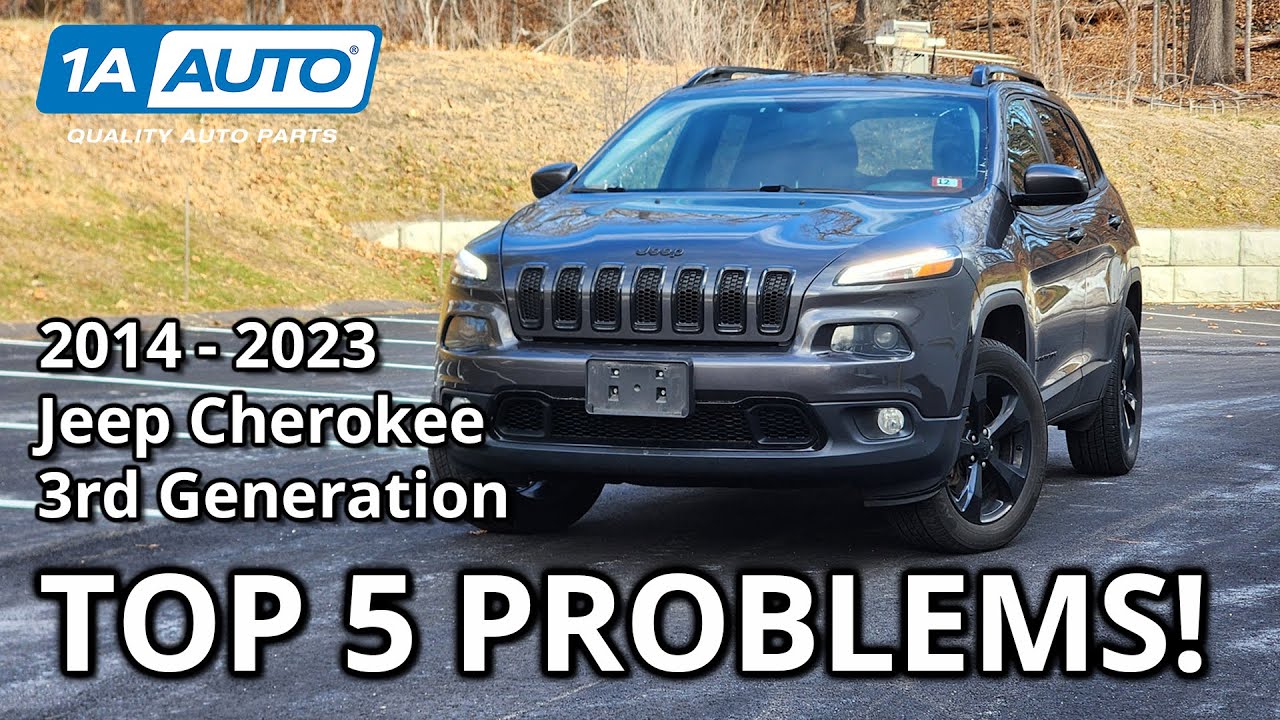
Suspension And Steering
The 2014 Cherokee sometimes has suspension problems. Drivers report clunking noises and a rough ride, especially over bumps. Steering can feel loose, making the car harder to control.
This is not just a comfort issue; poor suspension can affect how the vehicle handles in emergencies. For example, loose steering may make it difficult to keep the car in its lane on the highway, especially in windy conditions.
Some owners also mention vibrations at certain speeds, which could mean a worn wheel bearing or unbalanced tires.
Data
- Suspension complaints: Over 200 (NHTSA)
- Most repairs involve struts, ball joints, or tie rods
- Average repair cost ranges from $400–$900
Non-obvious Insight
Many buyers ignore test-driving on rough roads. Always try different surfaces to spot steering and suspension issues.
If you hear rattling or feel excessive bouncing, get the suspension checked before buying.
Brake System Problems
Brake complaints are less common but still important. Some owners report soft brakes, premature wear, and ABS warning lights. The average repair cost is around $400, but ignoring brake issues puts safety at risk.
Sometimes, the brake pedal may feel “spongy,” or you may hear a squealing noise when stopping. These are early signs of worn brake pads or air in the brake lines.
Fixing small problems early can help you avoid more expensive repairs, such as replacing the ABS control module.
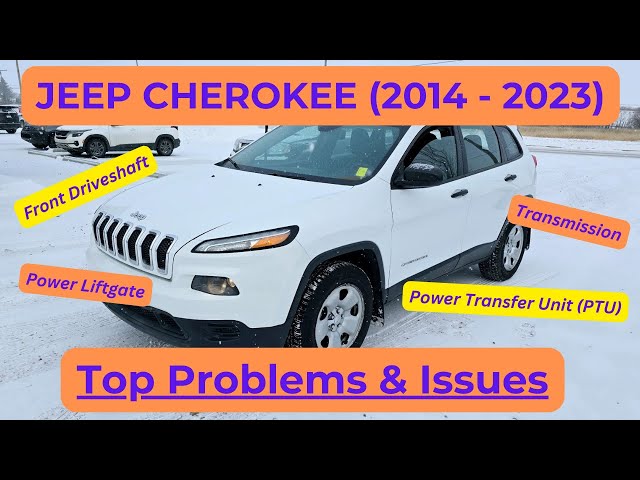
Comparison: Cherokee Vs. Competitors
How does the 2014 Cherokee compare to other midsize SUVs in terms of reliability?
Compared to the Honda CR-V and Toyota RAV4, the Cherokee has more transmission and engine complaints. Both the CR-V and RAV4 are known for their long-term reliability and fewer electronic issues.
If you want fewer headaches, these alternatives may be a safer bet, although they often cost more on the used market.
| Model | Transmission Complaints | Electrical Complaints | Engine Complaints |
|---|---|---|---|
| Jeep Cherokee 2014 | High | Moderate | High |
| Honda CR-V 2014 | Low | Low | Moderate |
| Toyota RAV4 2014 | Low | Low | Low |
What Owners Can Do
If you own a 2014 Jeep Cherokee, regular maintenance is key. Check for recalls, update software, and inspect seals and electronics. If you’re buying used, ask for service records and test drive carefully. For technical details, visit the official NHTSA website.
One extra step: Keep a maintenance log, including oil changes, repairs, and software updates. This helps you spot patterns and can improve resale value. If you experience a recurring issue, report it to your dealer and consider joining online owner forums, where you can share experiences and learn from others.
Frequently Asked Questions
Is The 2014 Jeep Cherokee Reliable For Daily Use?
The 2014 Cherokee is comfortable, but reliability issues—especially with the transmission and electrical system—can affect daily driving. Regular maintenance helps, but problems may still occur. It’s important to budget for possible repairs.
How Expensive Are Repairs For The 2014 Cherokee?
Repair costs vary. Transmission fixes can cost $2,000–$4,000, while electrical repairs usually range from $150–$800. Engine repairs may reach $1,200 or more. Simple issues like replacing door seals or fixing a camera are cheaper but add up over time.
Are There Any Recalls For The 2014 Jeep Cherokee?
Yes, several recalls address transmission, airbags, and electrical issues. Always check the VIN for open recalls before buying. Some fixes are free if your vehicle qualifies.
Does The 2014 Cherokee Have Problems With Water Leaks?
Yes, many owners report water leaks near the sunroof and doors. Inspect seals and carpets for moisture before purchase. Leaks may not be visible right away, so check after rain if possible.
What Should I Check When Buying A Used 2014 Jeep Cherokee?
Test drive on rough roads, check transmission performance, inspect electronics, and look for water leaks. Ask for service records and recall history. Don’t be shy about bringing a mechanic for a full inspection—this small investment can save you big money later.
The 2014 Jeep Cherokee is appealing but has several well-known problems. Knowing these issues helps you avoid surprises and make smarter choices.
With careful inspection and regular maintenance, you can enjoy the Cherokee’s strengths while minimizing its weaknesses. If you stay alert to these common problems, you’ll be better prepared for ownership or purchase.


















