The Jeep Grand Cherokee is a favorite among SUV lovers, known for its strong off-road ability and comfortable ride. But owners sometimes face a common headache: transmission problems. Whether you drive an older model or a newer version, understanding these issues can save you time, money, and frustration. This guide explains the most common transmission problems in the Jeep Grand Cherokee, why they happen, how to spot them early, and what you can do to fix or prevent them.
What Makes The Jeep Grand Cherokee Transmission Unique?
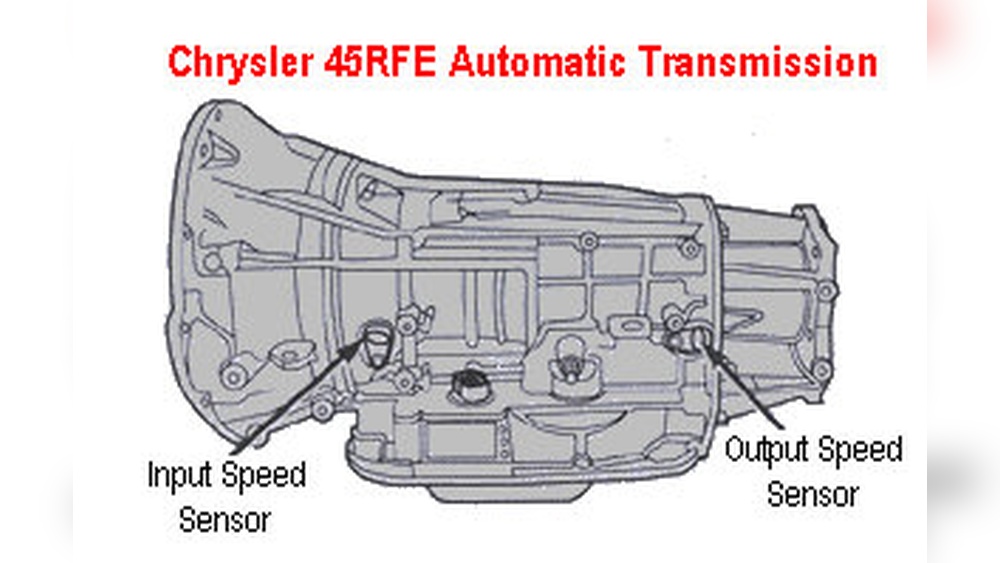
The Grand Cherokee uses different transmissions depending on the model year and engine. Older versions (1990s–early 2000s) often have a 4-speed automatic, while newer ones (2014 onwards) use a ZF 8-speed automatic transmission. Each has its strengths, but also its weak points.
A unique feature in some models is the Quadra-Trac system, which controls how power moves to each wheel. This can affect how the transmission behaves, especially during off-road driving or in bad weather.
Common Transmission Problems
1. Hard Or Rough Shifting
Many Jeep Grand Cherokee drivers notice hard shifts when changing gears. This can feel like a sudden jerk or a delay between gears. Rough shifting is most reported in 2014–2016 models with the 8-speed transmission.
Why it happens:
- Faulty transmission control module
- Low or dirty transmission fluid
- Software glitches
Example: Some owners reported that their 2015 Grand Cherokee would jerk into gear, especially when accelerating slowly.
2. Transmission Slipping
Transmission slipping means your Jeep changes gears for no reason or the engine revs but the car doesn’t speed up. This can be dangerous, especially on highways.
Causes include:
- Worn clutch packs (in automatic transmissions)
- Failing solenoids
- Low fluid levels
3. Delayed Engagement
You may notice a delay when shifting from Park to Drive or Reverse. Instead of moving right away, the car hesitates, which is often a sign of early transmission trouble.
4. Warning Lights And Error Codes
Modern Grand Cherokees have many sensors. If the transmission has an issue, you might see a warning like “Service Transmission” or a check engine light. Scanning for error codes can tell you what’s wrong, such as P0730 (incorrect gear ratio) or P0740 (torque converter clutch problem).
5. Transmission Failure
Complete transmission failure is rare but costly. It usually happens if early warning signs are ignored. Replacement can cost $3,000–$5,000, depending on the model and year.
Transmission Problems By Model Year
Some model years have more problems than others. Here’s a quick comparison:
| Model Year | Main Transmission Issue | Reported Frequency |
|---|---|---|
| 2011–2013 | Delayed shifting, rough engagement | Medium |
| 2014–2016 | Hard shifting, software errors | High |
| 2017–2020 | Minor electronic glitches | Low |
Insight: The 2014–2016 models are most likely to have transmission complaints, according to user forums and industry surveys.
Causes And Contributing Factors
Transmission problems don’t just appear out of nowhere. Here are the main reasons:
- Poor Maintenance: Skipping fluid changes is a leading cause. Transmission fluid should be checked every 30,000–60,000 miles.
- Software Bugs: The 8-speed automatic is controlled by complex software. Glitches can cause shifting problems.
- Heavy Use: Towing, off-roading, or frequent stop-and-go driving puts more strain on the transmission.
- Design Flaws: Some model years had recalls or technical service bulletins about transmission issues.
How To Diagnose Transmission Problems
Early diagnosis can prevent costly repairs. Here’s what to look for:
- Unusual Noises: Whining, clunking, or humming from under the car.
- Fluid Leaks: Red or brown fluid under the vehicle is a red flag.
- Burning Smell: Overheated transmission fluid smells burnt.
- Dashboard Warnings: Any transmission warning light should be checked right away.
A professional mechanic can run a diagnostic scan to find specific error codes.
Repair And Replacement Options
If you catch a problem early, repairs may be simple and affordable. If not, a full rebuild or replacement could be needed.
| Problem | Typical Solution | Estimated Cost |
|---|---|---|
| Low/dirty fluid | Fluid flush & refill | $150–$300 |
| Software bug | Re-flash/update software | $100–$200 |
| Worn components | Rebuild transmission | $2,000–$3,500 |
| Total failure | Replace transmission | $3,000–$5,000 |

Prevention Tips
You can avoid many transmission problems with simple habits:
- Check fluid levels every few months.
- Change transmission fluid at the recommended interval.
- Warm up your Jeep before heavy driving in cold weather.
- Avoid aggressive driving or sudden gear changes.
- Get software updates from your dealer if you notice shifting issues.
A surprising tip: Many Jeep owners forget to check for recalls. Always check your VIN for open recalls, as some transmission problems are fixed for free by the dealer.
When To See A Mechanic
If your Grand Cherokee:
- Struggles to shift gears
- Makes strange noises
- Shows a transmission warning light
Don’t wait. Driving with a faulty transmission can lead to sudden breakdowns or accidents. A small repair now can prevent a big repair later.
Frequently Asked Questions
What Are The First Signs Of Transmission Problems In A Jeep Grand Cherokee?
The first signs are usually rough or delayed shifting, unusual noises during gear changes, or a warning light on the dashboard. You might also notice a burning smell or leaking fluid.
How Much Does It Cost To Fix A Jeep Grand Cherokee Transmission?
Simple fixes like a fluid flush cost about $150–$300. Major repairs, like a full rebuild, can cost $2,000–$3,500. Replacing the entire transmission may cost up to $5,000.
Is It Safe To Drive With A Transmission Warning Light On?
No, it’s risky. A transmission warning light means something is wrong. Driving further can cause more damage and may leave you stranded.
How Often Should I Change The Transmission Fluid In My Grand Cherokee?
Most experts recommend a fluid change every 30,000–60,000 miles. Check your owner’s manual for your specific model’s schedule.
Where Can I Find More Technical Details About Jeep Grand Cherokee Transmissions?
You can find more information and technical data about Jeep transmissions on the official Jeep Grand Cherokee Wikipedia page.
Jeep Grand Cherokees are reliable when maintained well. By knowing the early signs of trouble and taking action, you can enjoy many miles of smooth driving. Pay attention to your transmission, and your Jeep will reward you with years of service.