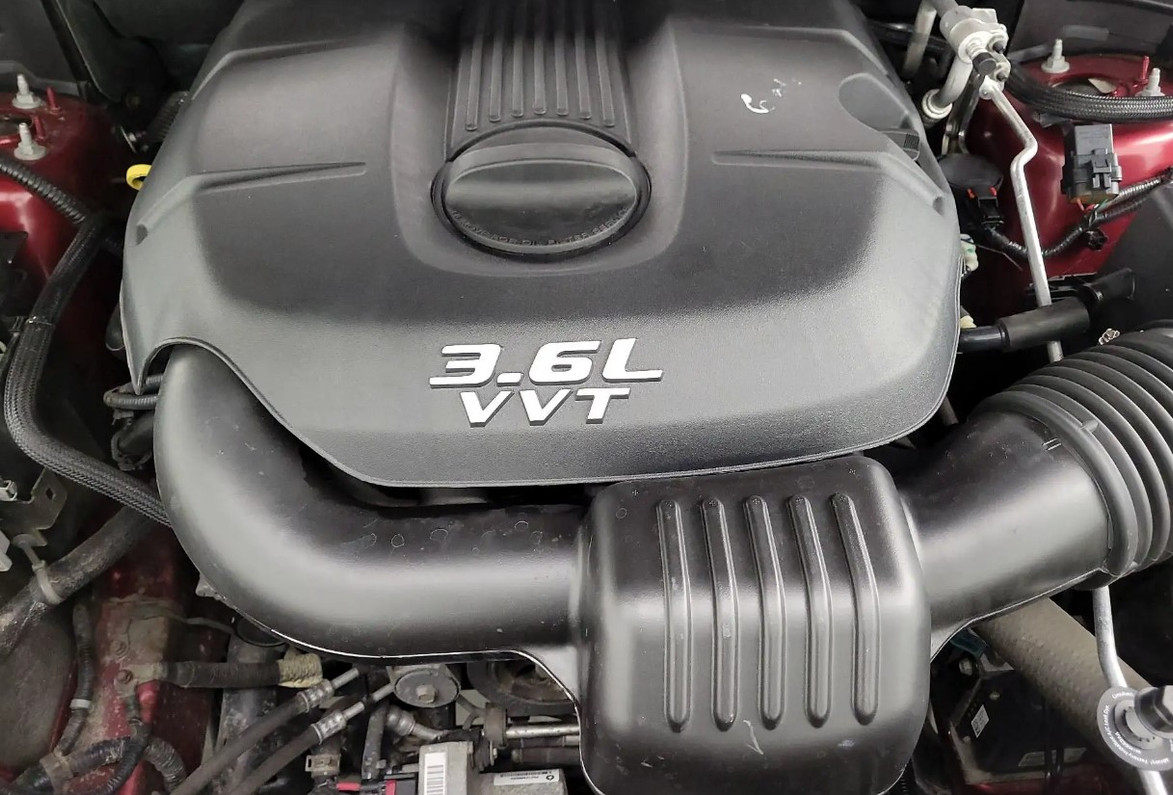
The Jeep 3.6 engine is known for its strong performance and reliability. Many drivers love its power and smooth operation. However, even well-designed engines can have problems over time. If you own a Jeep with the 3.6 Pentastar engine, understanding these issues can help you maintain your vehicle and avoid costly repairs. This article will explain the three most common Jeep 3.6 engine problems, how they affect your vehicle, and what you can do about them.
Common Jeep 3.6 Engine Problems
The Jeep 3. 6 Pentastar engine is used in several models, including the Wrangler, Grand Cherokee, and Dodge vehicles. While most owners enjoy years of trouble-free driving, three major problems are reported more often than others.
1. Cylinder Head Failure
One of the most serious issues is cylinder head failure. This problem affects early versions of the 3.6 engine, especially those made before 2014. The cylinder head can develop cracks, which leads to misfires and poor engine performance.
Symptoms you may notice:
- Check engine light comes on
- Rough idling or stalling
- Loss of power
According to Chrysler, this issue mainly affects the left cylinder head. The company extended warranties for affected models, but repairs outside warranty can cost $2,000 or more.
| Model Year | Affected Cylinder | Repair Cost (USD) |
|---|---|---|
| 2011-2013 | Left (Cylinder #2) | 2,000 – 3,500 |
| 2014+ | Rare | 1,500 – 2,500 |
Non-obvious tip: If your Jeep is still under warranty, insist on a dealership diagnosis. Some independent shops may miss early signs of cylinder head failure.
2. Oil Consumption And Leaks
Another frequent issue is excessive oil consumption. Some owners report needing to add oil between changes, even if their engine is not leaking visibly. Over time, this can lead to engine damage if oil drops too low.
Common causes include:
- Worn valve seals
- Faulty oil filter housing
- PCV (Positive Crankcase Ventilation) system issues
The oil filter housing is a plastic part prone to cracking, causing slow leaks. These leaks can be difficult to spot because they often drip onto hidden engine parts.
| Oil Consumption Rate | Normal | Problematic |
|---|---|---|
| Per 1,000 miles | < 0.5 quart | > 1 quart |
Non-obvious tip: Always check the oil level monthly, even if your Jeep is new. Oil consumption problems can begin at 30,000 miles. Catching them early prevents engine wear.
3. Rocker Arm And Valve Train Noise
The third major issue is rocker arm and valve train noise. This problem often starts as a ticking sound from the engine, especially during startup or idling. The noise is caused by worn rocker arms or lifters, which can lead to misfires and reduced performance.
Symptoms include:
- Ticking or tapping noise
- Misfires (especially at low RPM)
- Loss of fuel efficiency
If ignored, the problem can damage the camshaft and other engine parts. Repairs often involve replacing the rocker arms, lifters, and sometimes the camshaft.
| Symptom | Possible Cause | Repair Cost (USD) |
|---|---|---|
| Ticking Noise | Rocker arms/lifters | 800 – 1,500 |
| Misfire | Valve train wear | 1,200 – 2,000 |
Non-obvious tip: If you hear ticking, ask your mechanic to check the valve train before replacing spark plugs. Many shops misdiagnose this as an ignition issue.
How To Prevent Jeep 3.6 Engine Problems
You can avoid most engine issues with good maintenance. Here are practical steps:
- Change oil regularly: Use the recommended oil type and change it every 5,000 miles.
- Monitor oil level: Check monthly and top up as needed.
- Listen for unusual sounds: Early detection saves money.
- Use quality parts: Cheap filters or oil can cause problems.
- Follow recall and warranty updates: Check your VIN for recalls.
These actions lower risk and help your Jeep last longer. It’s also smart to build a relationship with a trusted mechanic who knows Jeep engines.
Real Owner Experiences
Thousands of Jeep owners share their stories online. One Wrangler owner noticed a ticking noise at 40,000 miles. The dealer replaced the rocker arms and lifters under warranty, solving the issue. Another Grand Cherokee owner reported oil leaks from the filter housing at 35,000 miles.
Repair cost was $400, but catching it early avoided engine damage.
Many drivers say problems start between 30,000 and 60,000 miles. Regular maintenance and attention to symptoms can prevent big repairs. While the Pentastar engine is generally reliable, these issues are worth watching.
Frequently Asked Questions
What Years Of Jeep 3.6 Are Most Affected By Cylinder Head Failure?
Cylinder head failure is most common in 2011–2013 models. After 2014, Chrysler improved the design and the issue is rare.
How Can I Tell If My Jeep 3.6 Has Oil Consumption Problems?
Check your oil level monthly. If you need to add more than one quart every 1,000 miles, your engine may have excessive consumption.
Is Rocker Arm Noise Dangerous For My Engine?
Yes, ignoring rocker arm noise can cause misfires and damage other parts. Early repair is much cheaper than waiting for bigger problems.
Are Jeep 3.6 Engine Repairs Expensive?
Repairs range from $400 for oil leaks to $2,000+ for cylinder head or valve train issues. Costs depend on the problem and whether you have warranty coverage.
Where Can I Find More Technical Details About The Jeep 3.6 Engine?
You can find detailed specifications at Wikipedia.
Taking care of your Jeep 3. 6 engine is key to enjoying reliable performance. Understanding these three common problems will help you spot issues early, save money, and keep your Jeep running strong for years.