Choosing the right transmission fluid for your Jeep Cherokee is more important than many drivers realize. A smooth-shifting transmission keeps your SUV reliable, whether you’re commuting or exploring off-road trails. But with different models, fluid types, and myths out there, it’s easy to feel overwhelmed. Let’s break down everything you need to know about transmission fluid for Jeep Cherokee—so your vehicle stays in top shape.
Why Transmission Fluid Matters
Transmission fluid does much more than just lubricate parts. It cools the transmission, protects gears from wear, and helps transfer power efficiently. If you use the wrong fluid or let it get old, you risk hard shifting, overheating, or even total transmission failure. For a Jeep Cherokee, the stakes are higher—these SUVs often handle tough conditions, making the right fluid even more critical.
Types Of Transmission Fluid For Jeep Cherokee
Not every transmission fluid is the same. Jeep Cherokees use different fluids depending on the model year and transmission type. Here’s a clear overview:
| Model Year | Transmission Type | Recommended Fluid |
|---|---|---|
| 2014–2022 | 9-Speed Automatic (948TE) | Mopar ZF 8&9 Speed ATF |
| 2011–2013 | 6-Speed Automatic (62TE) | ATF+4 |
| 2001–2010 | 4-Speed Automatic (42RLE/45RFE) | ATF+4 |
| 1990–2000 | AW4/AX15 | Dexron III/Mercon |
Always check your owner’s manual to confirm the correct fluid. Using the wrong type can cause shifting problems and void warranties.
Synthetic Vs Conventional
Most modern Jeep Cherokees require synthetic transmission fluid. Synthetic fluids last longer, handle heat better, and offer more protection. Older models may be compatible with conventional fluids, but switching to synthetic usually offers better performance.
How To Check And Change Transmission Fluid
Changing transmission fluid isn’t just about pouring new fluid in. Here’s how to do it right:
- Warm up the engine by driving for 10–15 minutes.
- Park on a level surface and engage the parking brake.
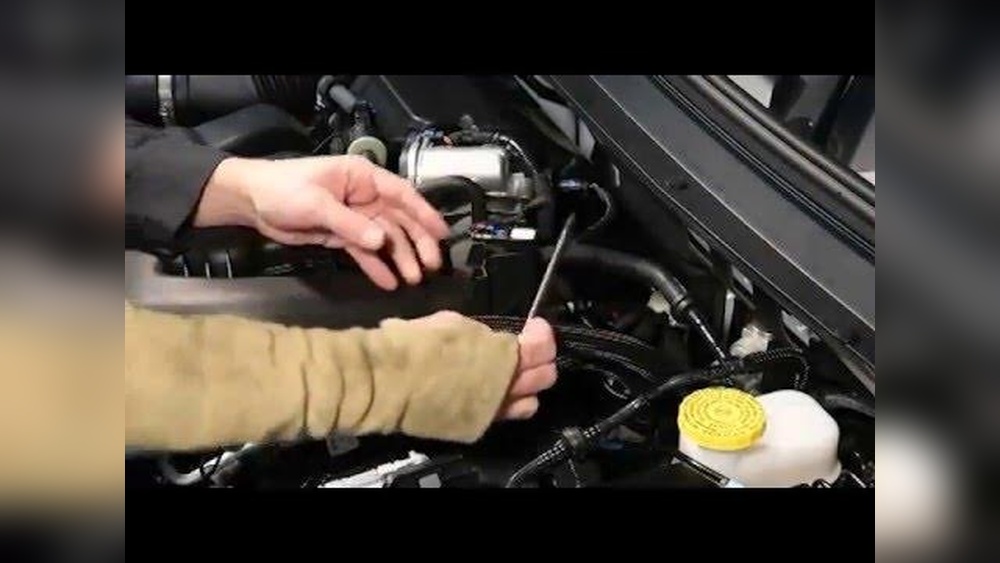
- With the engine running, pull out the transmission dipstick (if your model has one).
- Wipe the dipstick, reinsert, then check the fluid level and color.
Healthy fluid should be red or pink and almost odorless. If it’s brown or smells burnt, it’s time to change it.
Changing The Fluid
- For most Jeep Cherokees, changing the transmission fluid is recommended every 60,000 miles or sooner if you drive in tough conditions.
- Some newer models have “sealed” transmissions without a dipstick. These require a professional service.
Here’s a quick look at service intervals:
| Driving Style | Fluid Change Interval |
|---|---|
| Normal driving | Every 60,000 miles |
| Towing/off-road | Every 30,000–40,000 miles |
How Much Fluid Does A Jeep Cherokee Need?
Fluid capacity changes by model and transmission:
| Transmission | Fluid Capacity (quarts) |
|---|---|
| 9-Speed Automatic (948TE) | ~5.1 quarts (drain and fill) |
| 6-Speed Automatic (62TE) | ~5.5 quarts |
| 4-Speed Automatic (42RLE/45RFE) | ~4.0–5.0 quarts |
Overfilling or underfilling can damage the transmission. Always measure carefully.

Common Mistakes To Avoid
Many owners accidentally shorten their transmission’s life. Here are mistakes to watch out for:
- Mixing fluid types—never mix ATF+4 with Dexron or other brands.
- Ignoring the service schedule—old fluid loses its protective qualities.
- Using universal fluids—always use the type specified for your Cherokee.
- Not changing the filter—if your model has a transmission filter, replace it during fluid changes.
- DIY on sealed units—sealed transmissions need special equipment and procedures.
One insight many people miss: some “universal” fluids can claim to work for all transmissions, but Jeep’s engineering is specific. Sticking to OEM-approved fluids is always safest.
Signs You Need A Fluid Change
Don’t wait for a breakdown. If you notice these signs, check your transmission fluid soon:
- Delayed or rough shifting
- Transmission slipping between gears
- Leaks under the vehicle (red or brown fluid)
- Unusual noises during shifting
- A burning smell from under the hood
Act quickly if you notice these. Transmission repairs are expensive, but fluid changes are not.

Choosing The Right Transmission Fluid Brand
Jeep recommends Mopar fluids, but there are quality alternatives. Brands like Valvoline, Castrol, and Pennzoil offer ATF+4 and ZF 8&9 Speed ATF equivalents. Always check the label for Jeep or Chrysler approval.
A tip many miss: even high-quality fluid can go bad if stored improperly. Keep bottles sealed and avoid using old fluid left open for months.
If you want to dig deeper into transmission fluids and their role, the Wikipedia page on automatic transmission fluid gives technical details and history.
Frequently Asked Questions
What Is The Best Transmission Fluid For A 2019 Jeep Cherokee?
The Mopar ZF 8&9 Speed ATF is recommended for the 9-speed automatic transmission in the 2019 model. Using the correct fluid is vital for warranty and performance.
How Often Should I Change My Jeep Cherokee’s Transmission Fluid?
For most models, change the fluid every 60,000 miles. If you drive in tough conditions, consider changing it every 30,000–40,000 miles.
Can I Use Atf+4 In Older Jeep Cherokees?
ATF+4 is suitable for many 2001–2013 Cherokees. For models before 2001, check if Dexron III/Mercon is specified. Never mix these fluids.
What Happens If I Overfill The Transmission?
Overfilling can cause foaming, slipping, and increased pressure—damaging seals and internal parts. Always fill to the level recommended in your manual.
Is It Safe To Do A Transmission Fluid Change Myself?
If your Cherokee has a dipstick and drain plug, a DIY change is possible with the right tools and fluid. For sealed transmissions or if unsure, have a professional handle it.
Taking good care of your Jeep Cherokee’s transmission fluid is one of the simplest ways to ensure a long and trouble-free life for your SUV. With the right knowledge and attention to detail, you’ll keep your Cherokee shifting smoothly for years.