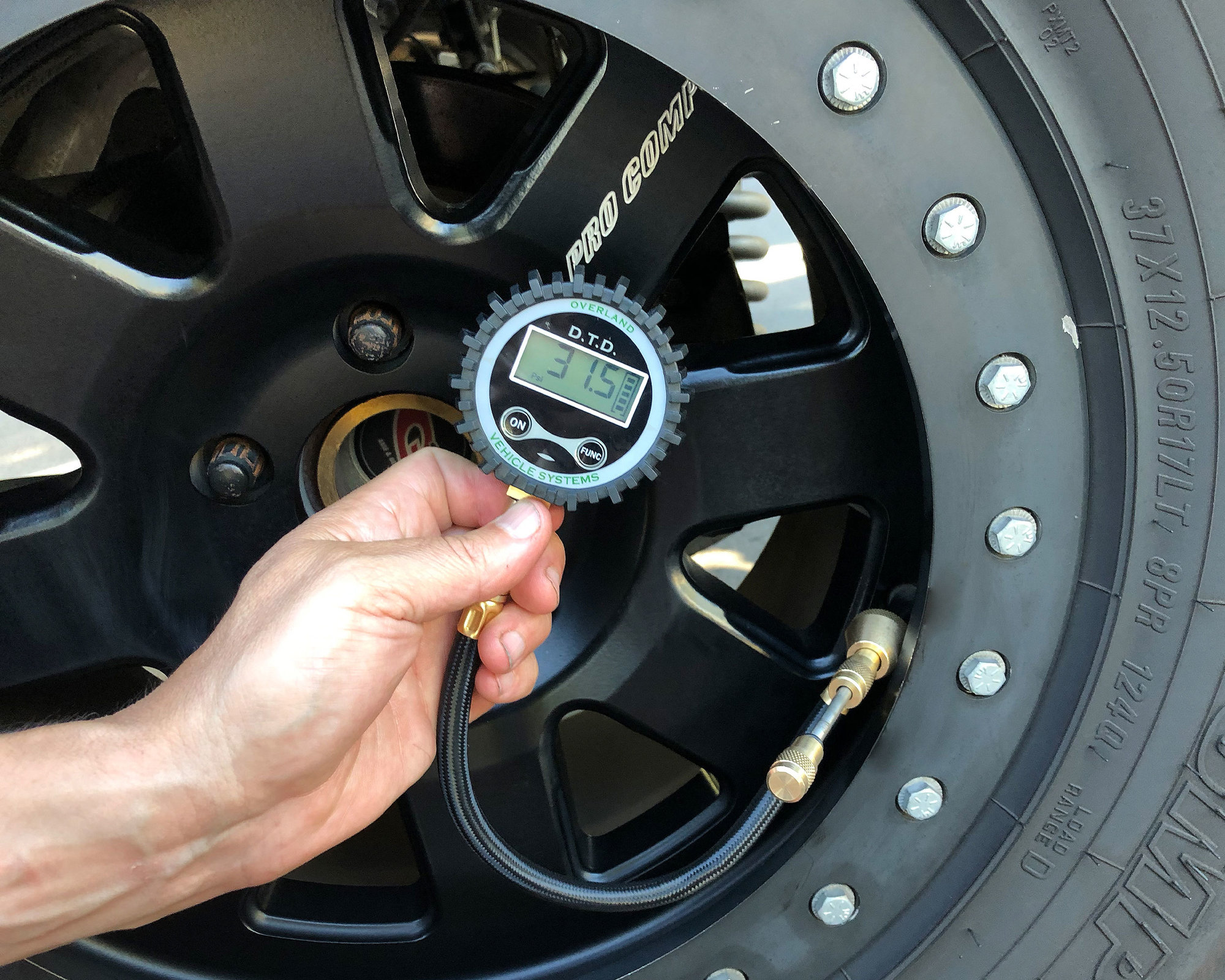
Keeping the right tire pressure for your Jeep is more important than many drivers realize. The pressure in your tires affects not only ride comfort, but also safety, fuel economy, and tire life.
For Jeep owners, tire pressure can be a bit more complicated because of off-road adventures, tire modifications, and different driving conditions. This guide will help you understand the best practices for Jeep tire pressure, how to check and adjust it, and common mistakes to avoid.
Why Tire Pressure Matters For Jeeps
The correct tire pressure keeps your Jeep running smoothly on both highways and trails. If your pressure is too high or too low, you may face:
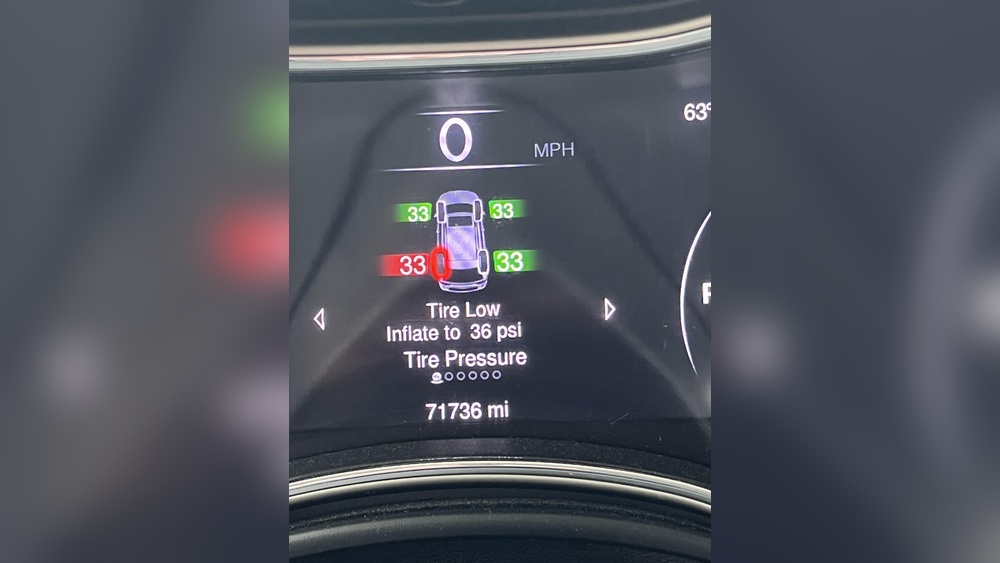
- Reduced traction and grip, especially on loose or wet surfaces
- Uneven tire wear leading to early replacements
- Increased stopping distances, which can be dangerous
- Less fuel efficiency, costing you more at the pump
Many Jeep owners upgrade to bigger tires or hit off-road trails, which makes monitoring pressure even more critical.
Recommended Tire Pressure For Different Jeep Models
Jeep has several popular models like the Wrangler, Grand Cherokee, and Gladiator. Each model and tire size has its own recommended pressure. Here’s a helpful comparison:
| Jeep Model | Stock Tire Size | Recommended Pressure (PSI) |
|---|---|---|
| Wrangler JL | 245/75R17 | 35 PSI |
| Grand Cherokee | 265/60R18 | 33 PSI |
| Gladiator | 255/75R17 | 37 PSI |
| Renegade | 215/65R16 | 35 PSI |
Always check the sticker on your driver’s side door jamb or your owner’s manual for the official numbers, as they are based on the factory tire size and load.
Adjusting Tire Pressure For Off-road And On-road
Jeep drivers often change tire pressure depending on where they drive. Here’s how it works:
On-road Driving
For highways and city streets, stick to the manufacturer’s recommended pressure. This gives you the best mix of safety, comfort, and tire life.
Off-road Adventures
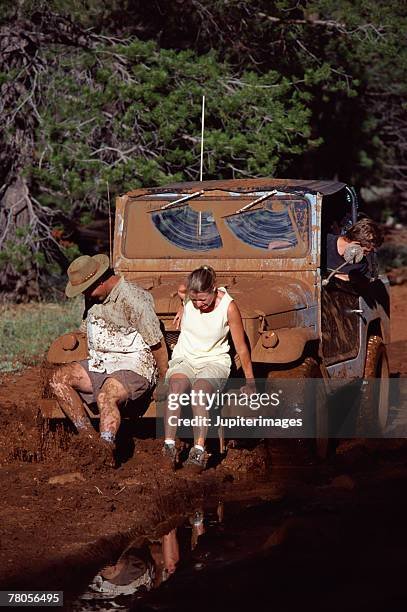
Lowering your tire pressure helps the tires flex and grip uneven surfaces better. This is called “airing down.” Here’s a simple guide:
| Terrain Type | Suggested Pressure (PSI) |
|---|---|
| Sand | 12-15 PSI |
| Mud | 16-20 PSI |
| Rocks | 15-18 PSI |
| Gravel/Trail | 20-22 PSI |
Always air back up before returning to pavement. Driving at low pressure on roads can overheat and damage your tires.
How To Check And Adjust Tire Pressure
Checking tire pressure is simple, but many drivers skip it. Follow these steps:
- Use a tire pressure gauge (digital or analog) for accurate results.
- Check pressure when tires are “cold” (before driving or after sitting).
- Remove the valve cap and press the gauge onto the valve stem.
- Read the number and compare it to the recommended PSI.
- Add air if the pressure is low, or release air if it’s too high.
- Replace the valve cap when done.
If you have larger aftermarket tires, you may need to experiment. Start with the factory recommendation, then adjust by 2 PSI up or down, based on how the tire wears and how the Jeep handles.
Common Mistakes Jeep Owners Make
Many Jeep owners make simple mistakes with tire pressure:
- Ignoring changes in temperature: Cold weather lowers pressure, hot weather raises it.
- Forgetting to adjust after off-roading.
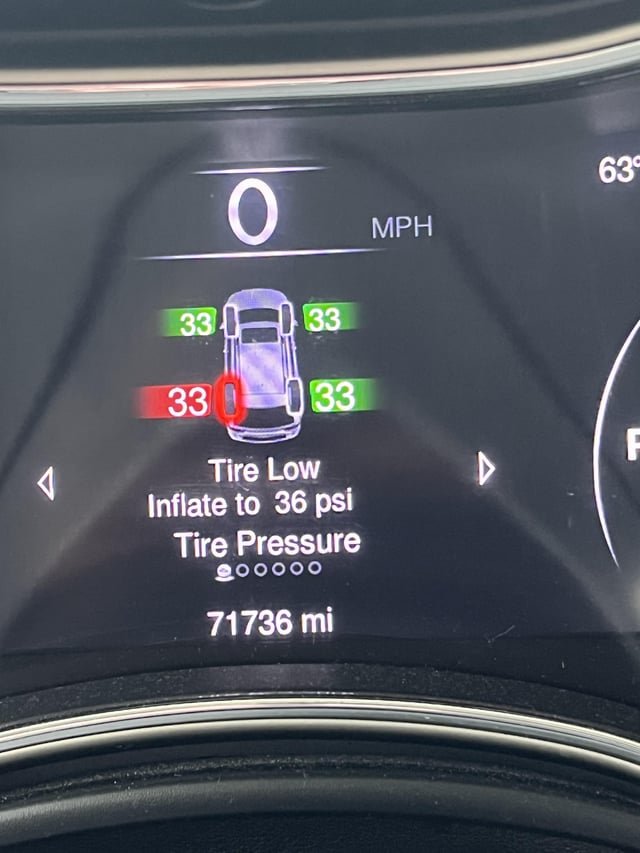
- Trusting the TPMS (Tire Pressure Monitoring System) only. These systems can be off by a few PSI, especially with aftermarket tires.
- Not rotating tires. Uneven pressure can cause irregular wear, which rotation helps prevent.
A surprising mistake is using the maximum PSI on the tire sidewall. That number is the tire’s limit, not the recommended operating pressure.
Signs Your Tire Pressure Is Wrong
Spotting issues early saves money and keeps you safe. Watch for:
- Steering feels heavy or loose
- Vehicle pulls to one side
- Tires look flatter or bulging at the sides
- Uneven tread wear (center or edges wearing faster)
- Warning lights on your dashboard
If you notice any of these, check your tire pressure right away.
Tire Pressure With Aftermarket Or Larger Tires
Many Jeep drivers install bigger tires for better off-road ability. These tires often need different pressures than factory tires.
The heavier the tire and wheel, the more PSI you might need to maintain proper shape and safety.
Use the “chalk test” for a quick check:
- Draw a line across the tire tread with chalk.
- Drive forward about 30 feet.
- Inspect the chalk line:
- If it wears off evenly, your pressure is good.
- If the center wears off first, pressure is too high.
- If the edges wear off, pressure is too low.
This test helps fine-tune your PSI for non-stock tire setups.
How Tire Pressure Affects Jeep Performance
The right pressure does more than protect your tires. It changes how your Jeep handles:
| Pressure Condition | Effect on Performance |
|---|---|
| Too High | Stiff ride, less grip, fast center wear |
| Too Low | Soft feel, slow steering, edge wear, risk of tire failure |
| Correct | Comfortable, stable, good fuel use, long tire life |
A well-inflated tire adapts to the road, increases confidence in curves, and helps your Jeep stop safely.
Final Thoughts
Maintaining the right tire pressure for your Jeep is one of the easiest ways to boost safety, save money, and get the most from your vehicle—on and off the road. Check pressures at least once a month and before any off-road trip. Pay attention to seasonal changes and always carry a good tire gauge and air compressor. Proper tire pressure means a safer, smoother Jeep adventure every time.
For more technical info on tire pressure, see this resource: National Highway Traffic Safety Administration.
Frequently Asked Questions
What Is The Ideal Tire Pressure For A Jeep Wrangler?
The ideal pressure is usually 35 PSI for stock tires. Always confirm by checking your owner’s manual or the door sticker.
Can I Drive On The Highway With Aired-down Tires?
No, driving on the road with low tire pressure is dangerous. Always inflate your tires back to recommended levels before highway driving.
Does Tire Pressure Affect Gas Mileage?
Yes. Low tire pressure increases rolling resistance, which means your engine works harder and uses more fuel.
How Often Should I Check My Jeep’s Tire Pressure?
Check at least once a month and before any long trip or off-road adventure.
What Tools Do I Need To Adjust Tire Pressure?
You need a tire pressure gauge and a portable air compressor. Both are small and easy to keep in your Jeep.