Buying or leasing a Jeep Wrangler is a big decision. If you love adventure, off-roading, or want a car with personality, the Wrangler is a great choice.
But should you buy it or lease it? Both options have pros and cons.
The answer depends on your needs, budget, and how you plan to use your Jeep. Let’s break down the key differences, costs, and what most drivers miss when making this choice.

Key Differences: Buying Vs Leasing
When you buy a Jeep Wrangler, you own the car. You can modify it, drive as much as you want, and sell it later. Leasing means you rent the car for a set period, usually 24-36 months. You pay lower monthly payments, but you must return the car at the end of the lease unless you buy it out.
Here’s a quick comparison:
| Option | Ownership | Monthly Payment | Mileage Limits | Modifications |
|---|---|---|---|---|
| Buy | Yes | Higher | No | Allowed |
| Lease | No | Lower | Yes | Usually Not Allowed |
Costs And Value
Buying Costs
When you buy a Wrangler, you pay more upfront. A new Jeep Wrangler starts around $35,000. If you finance it, your monthly payments can be $600-$700 for five years, depending on your down payment and interest rate. After payments end, you own the car and can keep it or sell it.
Leasing Costs
Leasing often requires a smaller down payment, sometimes just $2,000-$3,000. Monthly payments are usually $400-$500.
But at the end of the lease, you don’t own the car and must return it unless you buy it out. Leasing also comes with mileage limits (often 12,000-15,000 miles per year).
Exceeding the limit costs around $0. 25 per extra mile.
Here’s a sample cost comparison for a 2023 Jeep Wrangler:
| Cost Factor | Buy (5 Years) | Lease (3 Years) |
|---|---|---|
| Down Payment | $5,000 | $3,000 |
| Monthly Payment | $650 | $450 |
| Total Paid | $44,000 | $19,200 |
| Ownership | Yes | No |
One insight many buyers miss: Wranglers have strong resale value. After five years, a Wrangler keeps about 60% of its value. This is higher than most SUVs. Leasing seems cheaper, but buying can be better for long-term savings.
When Buying Makes Sense
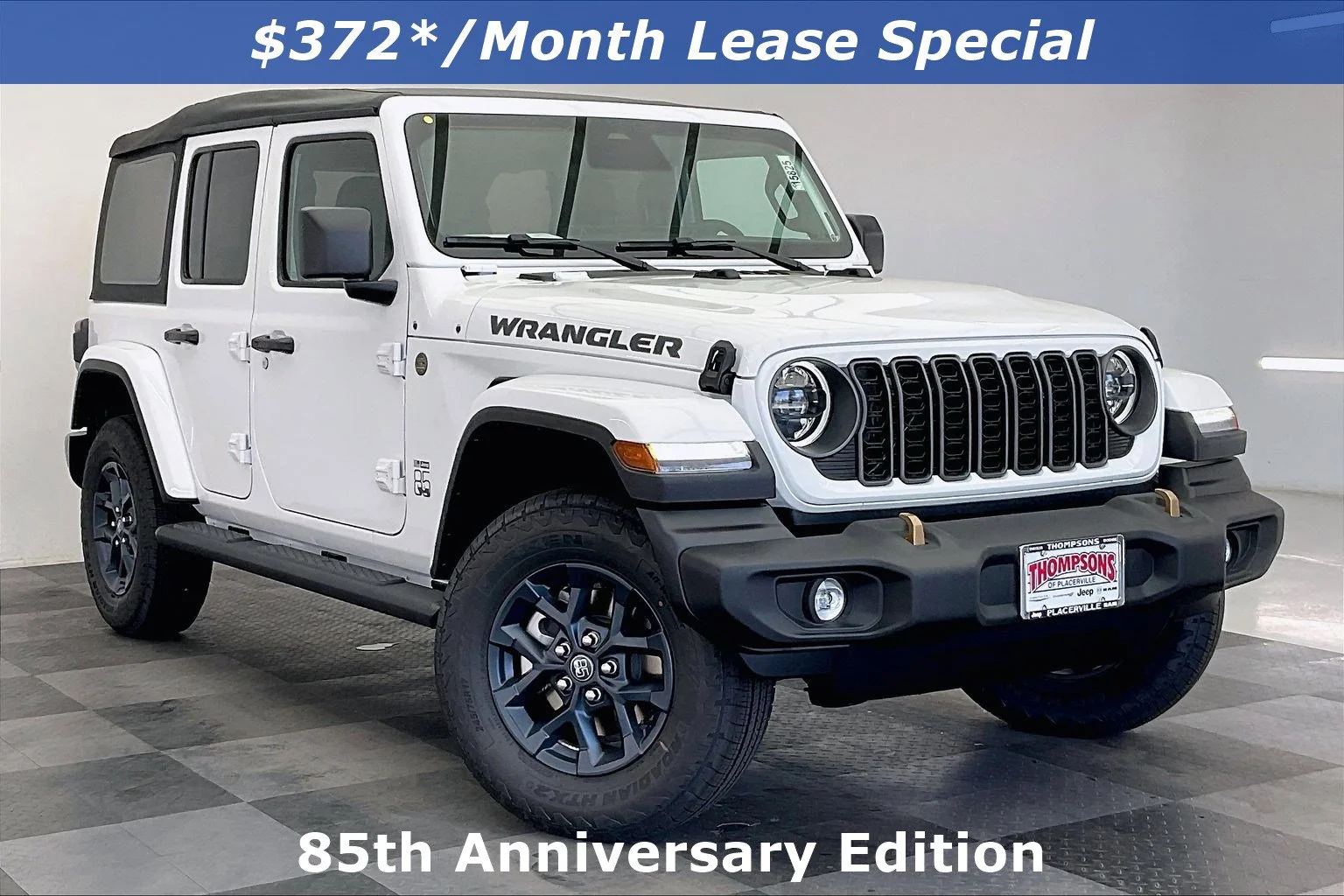
- You drive a lot: If you travel more than 15,000 miles per year, buying saves money. Leases charge for extra miles.
- You want to customize: Wranglers are popular for modifications. If you want to add bigger tires, lift kits, or custom lights, buying is better.
- You plan to keep it: Keeping your Jeep for 5-10 years offers better value than leasing and buying out.
- You want to build equity: Every payment brings you closer to owning the car.
Not obvious to many: Insurance is usually lower for buyers after the loan is paid. Leased cars require higher coverage.
When Leasing Makes Sense
- You want lower payments: Leasing costs less per month, freeing up cash for other needs.
- You like new cars: Leasing lets you drive a new Wrangler every few years.
- You don’t drive much: If you stay under 12,000 miles per year, leasing is cost-effective.
- You don’t want to worry about selling: At the end of the lease, just return the car.
Many miss this: Leasing can help avoid repair costs. The lease covers most repairs under warranty. Older, bought cars can have expensive fixes.
Common Mistakes To Avoid
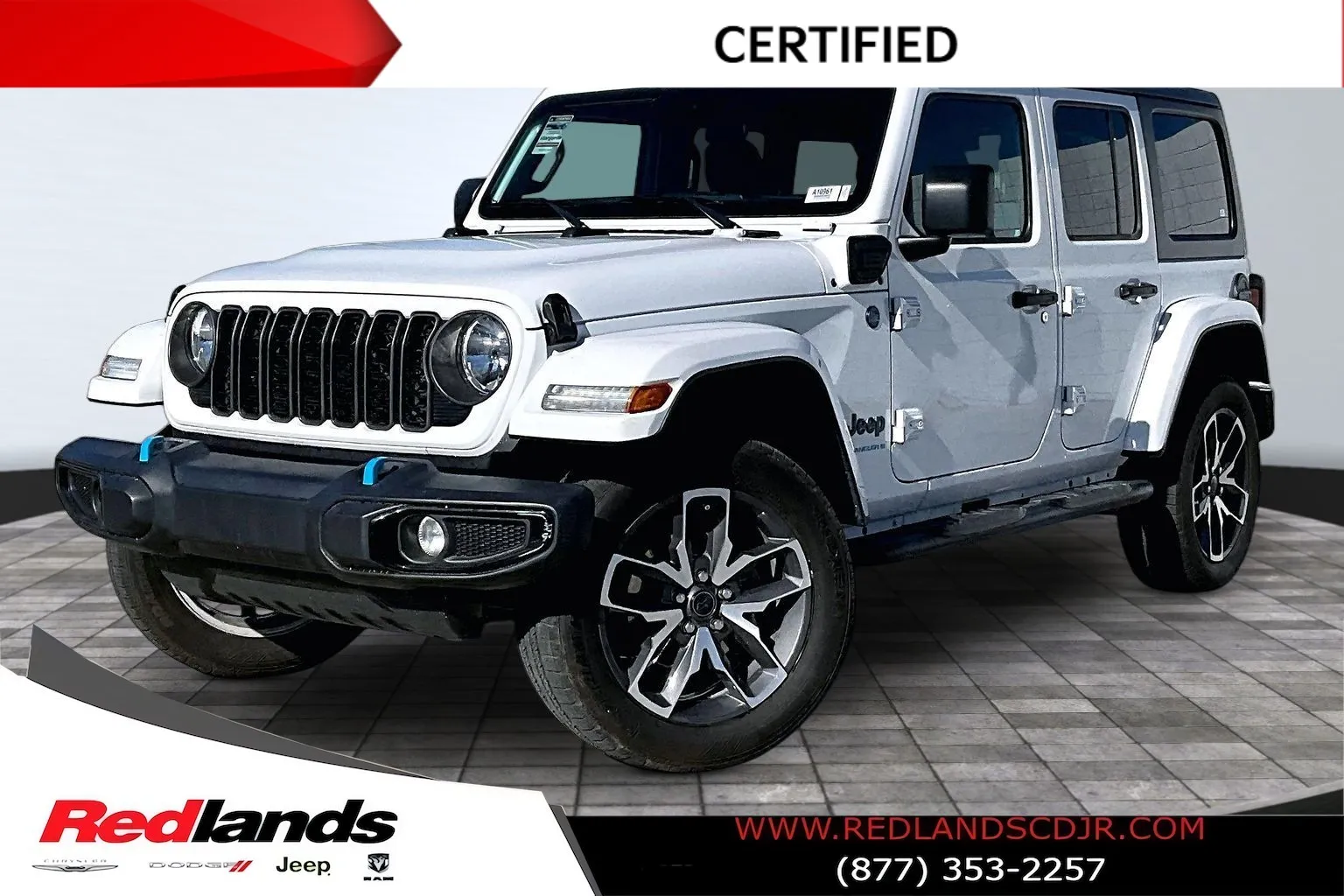
- Ignoring mileage limits: Many lease drivers pay extra fees because they drive more than allowed.
- Not reading the fine print: Lease contracts often include wear-and-tear charges.
- Forgetting resale value: Buying pays off if you keep the Wrangler or sell it later.
- Missing hidden costs: Leases may have acquisition fees, end-of-lease charges, or penalties for early exit.
Real Examples
Jack bought a Jeep Wrangler Rubicon for $40,000. He added a lift kit and drove 20,000 miles each year. After six years, he sold it for $24,000. He saved money compared to leasing, plus enjoyed full customization.
Lisa leased a Wrangler for three years. She paid $450 per month, stayed under the mileage limit, and returned it without stress.
She loved always having a new car and not worrying about selling.
Comparing Flexibility And Freedom
| Factor | Buy | Lease |
|---|---|---|
| Customization | Unlimited | Limited |
| Long-term Cost | Lower | Higher |
| Upgrade Frequency | Low | High |
| Ownership | Full | None |
Making Your Choice
Ask yourself:
- How many miles do I drive yearly?
- Do I want to customize my Jeep?
- Am I comfortable with higher monthly payments to own?
- Do I prefer new cars often or long-term value?
If you want freedom, custom options, and plan to drive a lot, buying is smarter. If you prefer lower payments and like new cars, leasing is ideal.
For more detailed Jeep Wrangler specs and market data, visit the official Jeep Wrangler site.
Frequently Asked Questions
Is It Better To Lease Or Buy If I Want To Modify My Wrangler?
Buying is better. Leasing contracts usually forbid modifications.
If you want to add custom parts, buy your Wrangler.
How Much Money Do I Need Upfront To Lease A Jeep Wrangler?
Most leases require a down payment of $2,000–$3,000. This is less than buying, which often needs $5,000 or more.
What Happens If I Exceed The Mileage Limit On A Lease?
You pay extra fees, usually $0. 25 per mile.
This can add up quickly, so track your mileage carefully.
Does Leasing Include Maintenance?
Most leases cover basic maintenance and repairs while under warranty. However, you may need to pay for tire changes or other wear items.
Is Buying A Used Jeep Wrangler A Good Idea?
Yes. Used Wranglers hold their value well and are reliable.
Just check for off-road wear and get a vehicle history report.
Choosing between buying or leasing a Jeep Wrangler depends on your driving habits, financial goals, and lifestyle. With strong resale value and customization options, buying makes sense for many. Leasing is best for those wanting lower payments and a new ride every few years. Make your choice with confidence, knowing both options have clear advantages.