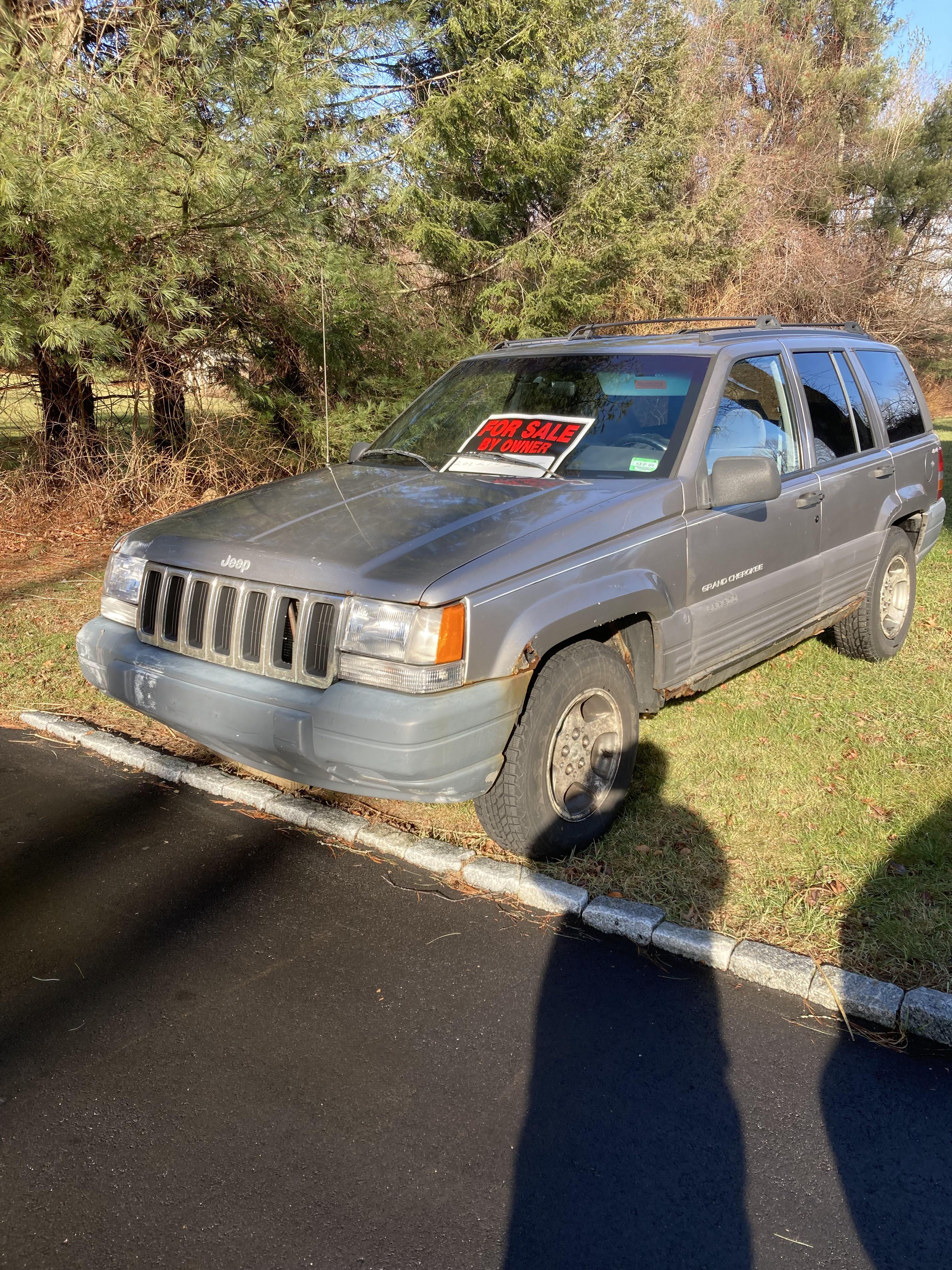
Buying a used car can feel risky, especially when you see a high number like 150,000 miles on the odometer. Many drivers wonder if a Jeep with this mileage is still a smart investment.
Let’s break down the facts, look at real-life data, and help you decide whether a high-mileage Jeep is right for you.
What Does 150k Miles Mean For A Jeep?
For most vehicles, 150,000 miles marks a turning point. But Jeeps, especially models like the Wrangler and Grand Cherokee, are known for their durability. Owners often use them for off-road adventures, which means they’re built tougher than typical sedans.

In the US, the average car lasts about 12 years and covers 200,000 miles before major issues start. Many Jeeps reach, or even exceed, this number with good care. Still, not all Jeeps are equal, and how those miles were driven matters more than the number itself.
Pros And Cons Of Buying A High-mileage Jeep
Let’s weigh the main advantages and risks.
| Pros | Cons |
|---|---|
| Lower price | More wear and tear |
| Proven longevity | Possible costly repairs |
| Potential for off-road use | Older technology |
Pros
- Lower price: A Jeep with 150K miles is often 30–50% cheaper than a similar model with lower miles.
- Proven longevity: If it’s still running strong, it’s likely been well maintained.
- Potential for off-road use: Many high-mileage Jeeps have upgraded parts for off-road durability.
Cons
- More wear and tear: Suspension, transmission, and engine parts may need replacement soon.
- Possible costly repairs: Older Jeeps may need work like new brakes, timing belt, or even engine rebuilds.
- Older technology: Features like navigation or Bluetooth may be outdated.

Key Things To Check Before Buying
Not all Jeeps with high miles are equal. Before you buy, check these important points:
- Service history: Ask for maintenance records. Regular oil changes and repairs mean a healthier Jeep.
- Engine and transmission: Listen for strange noises and check for smooth shifting.
- Rust and frame damage: Look under the Jeep, especially if it was used off-road or in snowy areas.
- Suspension and steering: Test drive to feel for shaking or loose steering.
- Electrical systems: Make sure lights, windows, and electronics work well.
Here’s a comparison of common Jeep models and their typical mileage lifespan:
| Model | Average Lifespan (Miles) | Known Issues |
|---|---|---|
| Wrangler | 200,000–250,000 | Rust, transmission |
| Grand Cherokee | 200,000–220,000 | Electrical, suspension |
| Liberty | 180,000–200,000 | Engine, windows |
Real-life Examples And Data
According to a survey by iSeeCars, the Jeep Wrangler ranks among the top 10 vehicles most likely to reach 200,000 miles. Many Jeep owners share stories online about crossing 250,000 miles with only basic maintenance.
But high mileage can hide problems. For example, a Jeep used for towing or heavy off-roading might have more wear than one used for highway driving. Always ask how the Jeep was used.
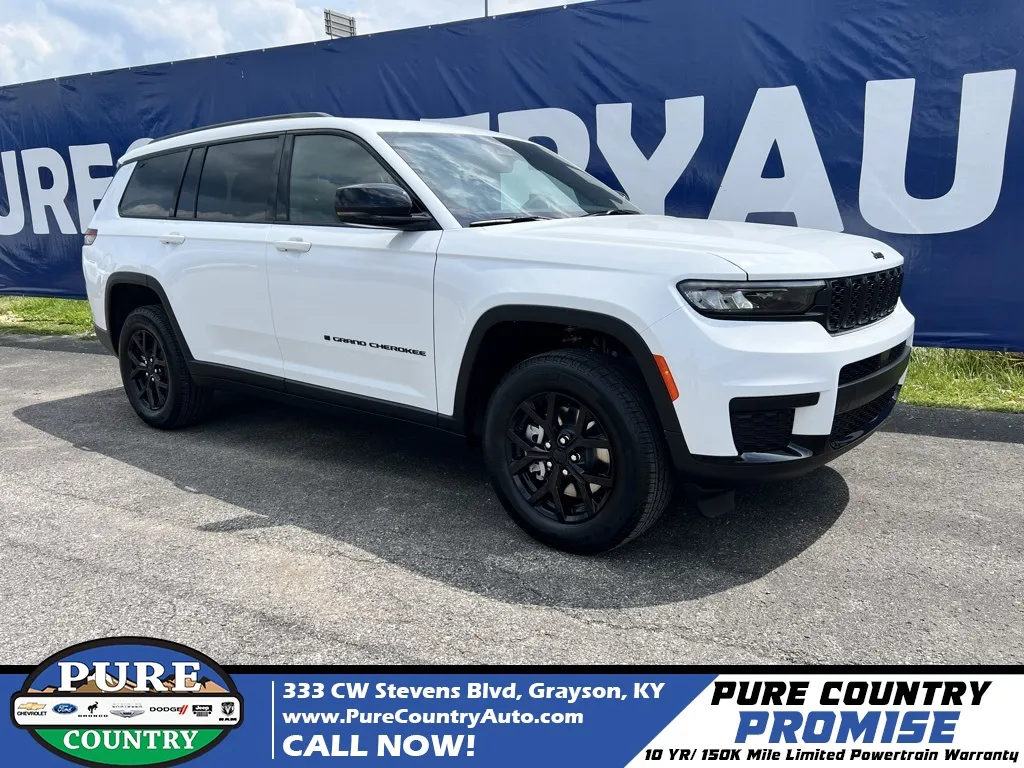
Cost Of Ownership For High-mileage Jeeps
Owning a Jeep with 150K miles often means higher maintenance costs. Here’s a rough estimate for annual expenses:
| Expense Type | Estimated Annual Cost |
|---|---|
| Routine maintenance | $300–$500 |
| Major repairs | $800–$1,500 |
| Insurance | $900–$1,200 |
These numbers depend on local labor rates and parts prices. One non-obvious tip: Older Jeeps often have cheaper insurance compared to newer models, but repair bills can surprise you if big parts fail.
How To Make A Safe Purchase
Buying a Jeep with 150K miles isn’t just about the price. Here’s how to protect yourself:
- Get a pre-purchase inspection from a trusted mechanic.
- Check the VIN for accident history.
- Test drive to check for odd sounds and handling.
- Negotiate price based on needed repairs.
- Understand resale value: High-mileage Jeeps lose value faster, so plan to keep it for a while.
A smart buyer avoids common mistakes like skipping the inspection or ignoring signs of rust.
Is A High-mileage Jeep Right For You?
A Jeep with 150K miles can be a good deal if:
- You need a tough, reliable vehicle for off-road or rural driving.
- You’re ready to handle basic repairs and maintenance.
- The Jeep has full service records and shows no signs of serious damage.
But it’s not the best choice if:
- You want a worry-free daily driver with little maintenance.
- You’re not comfortable with possible breakdowns.
- You plan to resell soon, since resale value drops sharply.
If you want more details on Jeep reliability, visit Consumer Reports.
Frequently Asked Questions
Should I Buy A Jeep With 150k Miles If I Plan To Use It Daily?
You can, but expect higher maintenance. If the Jeep has been well cared for and runs smoothly, it should handle daily use.
Still, be ready for repairs as parts wear out.
How Much Should I Pay For A Jeep With 150k Miles?
Prices vary by model and condition. A Jeep Wrangler with 150K miles often sells for $8,000–$13,000. Always compare with similar vehicles and factor in repair costs.
Are Jeeps Reliable At High Mileage?
Many Jeeps, especially Wranglers and Grand Cherokees, stay reliable past 150K miles if maintained. Look for service records and avoid models with known engine or electrical issues.
What Are The Most Expensive Repairs On A High-mileage Jeep?
Repairs like transmission replacement, engine rebuilds, and suspension work can cost over $2,000. Check these areas during inspection.
Does High Mileage Affect Jeep Resale Value?
Yes. High-mileage Jeeps lose value faster.
If you plan to sell in a few years, expect a lower selling price than lower-mileage models.
Buying a Jeep with 150,000 miles is a practical choice for some, but risky for others. With careful inspection and honest answers from the seller, you can find a tough Jeep that still has life left. Decide based on your needs, budget, and willingness to handle repairs. If you check all the boxes, a high-mileage Jeep could be a smart ride.