Replacing the rear wheel speed sensor on a Jeep Wrangler is a task that many owners face, especially as the vehicle ages or sees off-road use. This sensor is vital for your Jeep’s anti-lock braking system (ABS) and traction control, so a faulty sensor can affect safety and performance.
While the job sounds technical, most people with basic tools and patience can do it at home. This guide will walk you through the process, explain why the sensor matters, and help you avoid common mistakes.
If you’re ready to tackle this repair, read on for practical advice and clear steps.
What Is A Rear Wheel Speed Sensor?
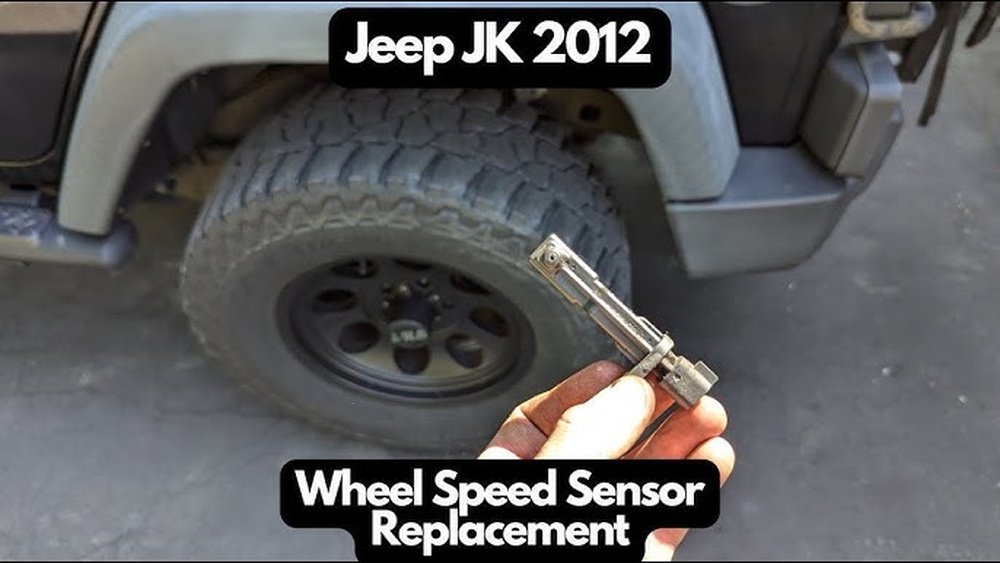
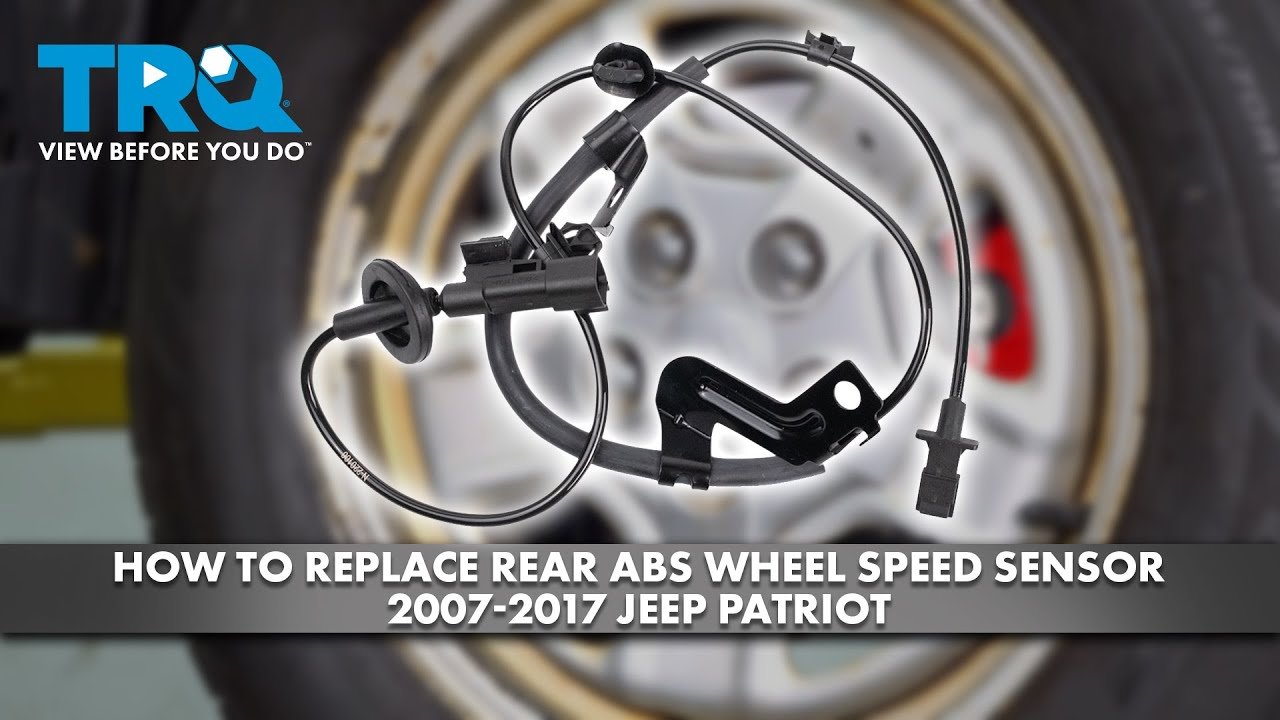
The rear wheel speed sensor is a small electronic device located near your Jeep’s wheel hub. It measures how fast the wheel spins and sends this data to the vehicle’s computer. The computer uses this information to control ABS, traction, and stability systems. If the sensor is faulty, you may see warning lights on your dashboard, experience poor braking, or lose traction control. For Jeep Wranglers, this sensor is especially important because many owners drive on rough roads where traction is vital.
Signs Of A Bad Rear Wheel Speed Sensor
Before replacing the sensor, you should know how to spot a problem. Typical signs include:
- ABS warning light stays on
- Traction control light appears
- Brakes feel strange or pulse unexpectedly
- Speedometer shows incorrect speed
- Cruise control stops working
These symptoms can appear suddenly or gradually. Sometimes, mud, debris, or rust can cause temporary sensor errors.
However, if the warning lights persist after cleaning, replacement is likely needed.
Preparing For Replacement
Getting ready is half the battle. Here’s what you’ll need:
- Replacement rear wheel speed sensor (make sure it matches your Jeep’s model year)
- Socket set and ratchet
- Flathead screwdriver
- Jack and jack stands
- Safety gloves
- Wheel chocks
- Torque wrench (optional but recommended)
- Clean cloth
Always check your Jeep’s manual for sensor location and specific instructions, as placement can change slightly between model years.
Comparison: Oem Vs Aftermarket Sensors
Choosing the right sensor is important. OEM (Original Equipment Manufacturer) sensors are made by Jeep or its partners. Aftermarket sensors are made by third-party companies. Here’s a quick comparison:
| Type | Price Range | Reliability | Warranty |
|---|---|---|---|
| OEM | $45-$70 | High | Long (1-2 years) |
| Aftermarket | $30-$55 | Medium to High | Short (6 months-1 year) |
OEM parts generally last longer and fit perfectly, but aftermarket sensors can save money. For older Jeeps, aftermarket parts are often good enough if you buy from a trusted brand.
Step-by-step: Replacing The Rear Wheel Speed Sensor
Follow these steps to replace your sensor safely. Work slowly, and double-check each step.
1. Park And Prepare
- Park your Jeep on a flat surface
- Put on safety gloves
- Place wheel chocks behind the front wheels
- Use a jack to lift the rear of the Jeep
- Secure with jack stands (never rely just on the jack)
2. Remove The Wheel
- Use a ratchet or wrench to loosen lug nuts
- Remove the rear wheel for easy access to the sensor area
3. Locate The Sensor
- The sensor is usually attached to the wheel hub or axle
- Look for a small wire leading to a plastic sensor
- Check your manual or online diagrams if you’re unsure
4. Disconnect The Sensor
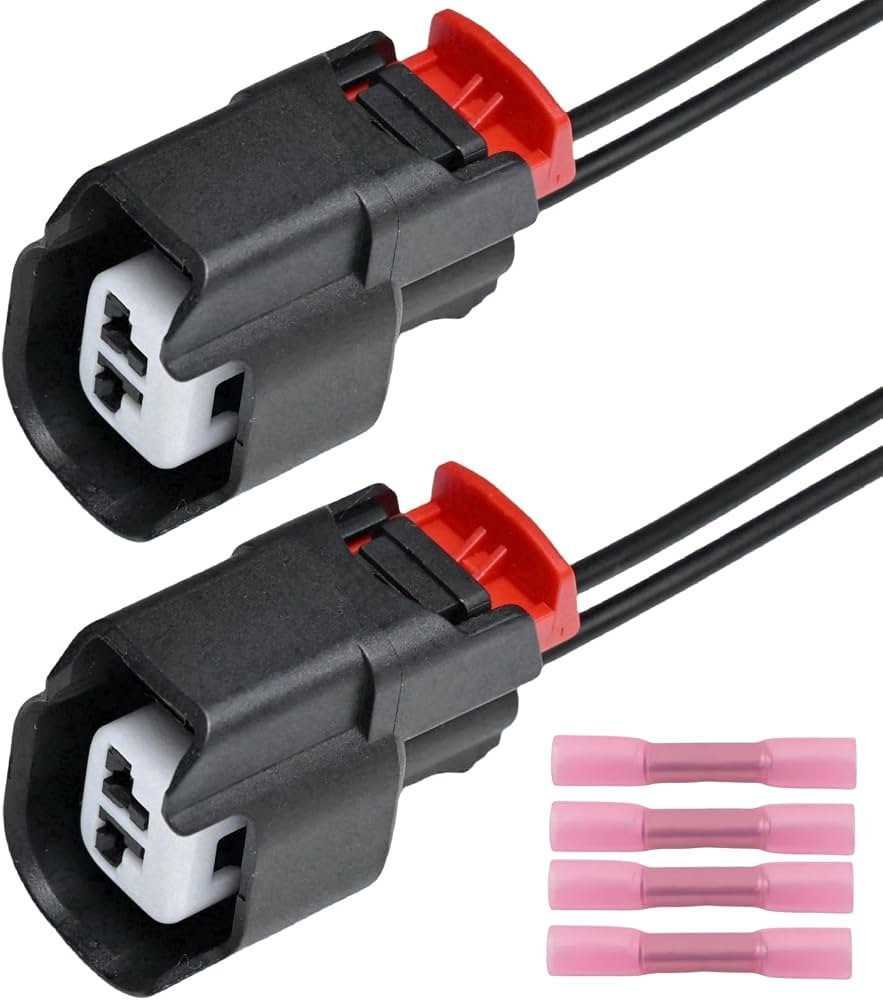
- Use a flathead screwdriver to carefully remove the sensor’s wiring clip
- Pull the connector gently, don’t force it
5. Unscrew And Remove The Sensor
- Remove the sensor mounting bolt (usually a 10mm or 12mm bolt)
- Wiggle the sensor out (sometimes it’s stuck due to rust or dirt)
- Clean the area with a cloth
6. Install The New Sensor
- Insert the new sensor in the same spot
- Secure with the mounting bolt, tighten snugly (use a torque wrench if you want)
- Reconnect the wiring clip
7. Reinstall The Wheel
- Put the wheel back on
- Tighten the lug nuts
8. Lower The Jeep
- Remove jack stands
- Lower your Jeep carefully
9. Test Drive
- Start the Jeep
- Check for warning lights
- Drive slowly at first to test the brakes and traction
- If the ABS or traction lights stay off, the repair was successful
Common Mistakes And How To Avoid Them
Many beginners make simple errors that cause more trouble. Here are some tips to avoid them:
- Wrong sensor type: Double-check the part number and fit before buying.
- Damaging the connector: Don’t pull too hard; use a screwdriver to release clips.
- Leaving dirt in the hub: Always clean the area before installing the new sensor.
- Not tightening bolts: Loose sensors can cause error codes and vibrations.
- Skipping test drive: Always check for warning lights and brake function before driving normally.
One insight many beginners miss is that ABS sensors often fail due to water, mud, or rust. If you drive off-road, check the sensor regularly—even before you see warning lights.
Jeep Wrangler Model Differences
Not all Jeep Wranglers are the same. Sensor location and design can change between models and years. Here’s a quick data table comparing rear wheel speed sensor placement for popular Jeep Wrangler generations:
| Model Year | Sensor Placement | Sensor Shape |
|---|---|---|
| 2007-2011 (JK) | Axle housing | Rectangular |
| 2012-2017 (JK) | Wheel hub | Round |
| 2018-2024 (JL) | Wheel hub | Round, smaller |
If you’re not sure which sensor you need, check your owner’s manual or visit a Jeep forum. Some sensors look similar but won’t fit your model.
Resetting Error Codes After Replacement
After installing a new sensor, your Jeep may still show error lights. Sometimes, the computer needs to be reset. Here’s how:
- Disconnect the battery for 10 minutes, then reconnect
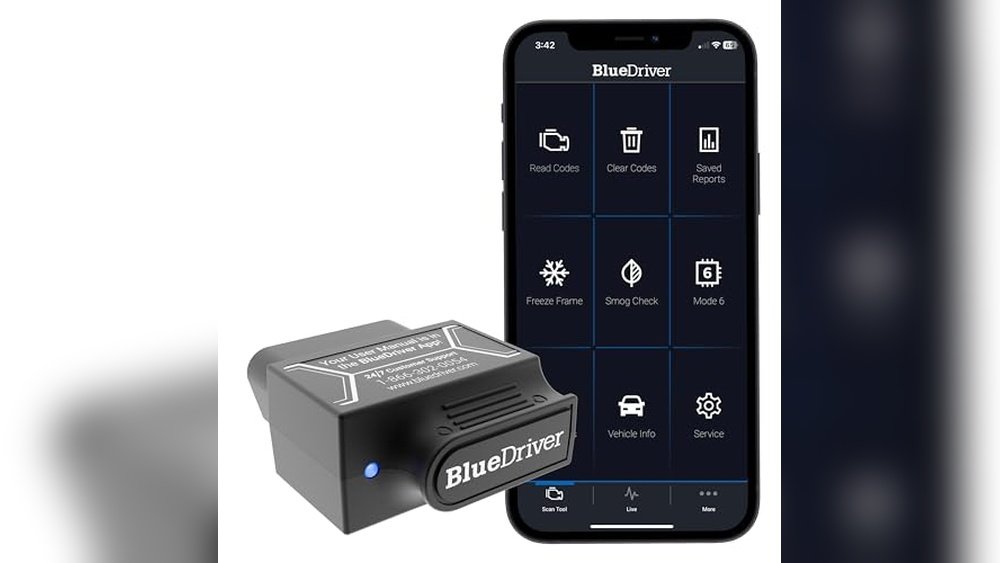
- Use an OBD-II scanner to clear error codes (many auto parts stores will do this for free)
- Drive for a few miles; if the lights stay off, the system has reset
If lights return, double-check your installation. Sometimes, a faulty sensor or damaged wiring can cause persistent errors.
Maintenance Tips For Longer Sensor Life
A new sensor should last at least 50,000 miles under normal driving. For off-road or harsh conditions, regular maintenance helps:
- Check sensor and wiring for damage every oil change
- Clean mud and debris from wheel hubs after off-roading
- Avoid high-pressure washing near the sensor area
Many Jeep owners overlook these simple steps. Regular checks can prevent sensor failure and keep your ABS and traction systems working.

Cost And Time Estimates
Replacing a rear wheel speed sensor is not expensive compared to other repairs. Here’s a quick cost and time comparison:
| Replacement Method | Cost | Time Required | Skill Level |
|---|---|---|---|
| DIY | $30-$70 | 30-60 minutes | Beginner |
| Mechanic | $120-$180 | 30-45 minutes | Professional |
If you’re comfortable using tools, DIY is much cheaper and usually just as effective. Professional replacement costs more but can save time if you’re unsure.
When To Call A Mechanic
Most Jeep owners can replace the sensor themselves. However, call a mechanic if:
- You see multiple warning lights that don’t clear after replacement
- The connector or wiring is damaged
- You’re uncomfortable lifting the vehicle safely
- The sensor is stuck due to rust and won’t budge
Safety matters most. If you’re unsure, pay for professional help rather than risk an accident.
Real-world Example: Off-road Jeep Owner
Consider Mike, a Jeep Wrangler owner who loves off-roading. After a muddy trip, his ABS light came on.
He checked the sensor and found it packed with dirt. Cleaning didn’t fix it, so he ordered an OEM sensor for $60 and replaced it himself.
The process took about 45 minutes. After resetting his Jeep’s computer, the ABS and traction lights disappeared.
Mike now checks his sensors after every off-road adventure and hasn’t had issues since.
Many Jeep owners forget that regular cleaning is as important as replacement. For those who drive in tough conditions, extra care can save money and keep safety systems working.
Frequently Asked Questions
What Does A Rear Wheel Speed Sensor Do?
The rear wheel speed sensor measures how fast your Jeep’s wheel spins. It sends this data to the vehicle’s computer, which uses it for ABS, traction, and stability control. Without a working sensor, these systems can’t function properly.
Can I Drive My Jeep With A Faulty Sensor?
You can drive with a bad sensor, but it’s not safe. ABS and traction control may not work, making your Jeep harder to control in emergencies or on slippery roads. Replace the sensor as soon as possible.
How Do I Know Which Sensor To Buy?
Check your Jeep’s model year and the part number in your manual. Compare the sensor’s shape and connector to your old one. If unsure, ask at a parts store or check online resources like Jeep’s official site.
Do I Need Special Tools For Replacement?
No special tools are needed. A socket set, screwdriver, jack, and jack stands are enough. A torque wrench is helpful for proper tightening, but not required.
Will Replacing The Sensor Fix All Warning Lights?
If the sensor was the cause, replacing it should clear the ABS and traction lights. If lights stay on, check for damaged wiring or use an OBD-II scanner to reset error codes.
Replacing a rear wheel speed sensor on a Jeep Wrangler is a practical, cost-effective repair for most owners. By following clear steps and avoiding common mistakes, you can restore your Jeep’s safety systems and enjoy peace of mind on any road.
With regular checks and proper maintenance, your sensor will last longer and keep your Wrangler ready for adventure.