The red light above the temperature gauge on your Jeep dashboard is a clear signal that something is wrong with the engine's cooling system. This isn't a warning you can afford to ignore.
Overheating can cause severe damage to your engine, leading to costly repairs. Understanding what this light means, why it appears, and how to respond can save your Jeep and your wallet.
This light, often shaped like a thermometer submerged in liquid, indicates that your engine’s temperature has risen to a critical level. Modern vehicles have sophisticated systems to monitor engine temperature, and this light is a direct indicator that those systems are detecting a problem.
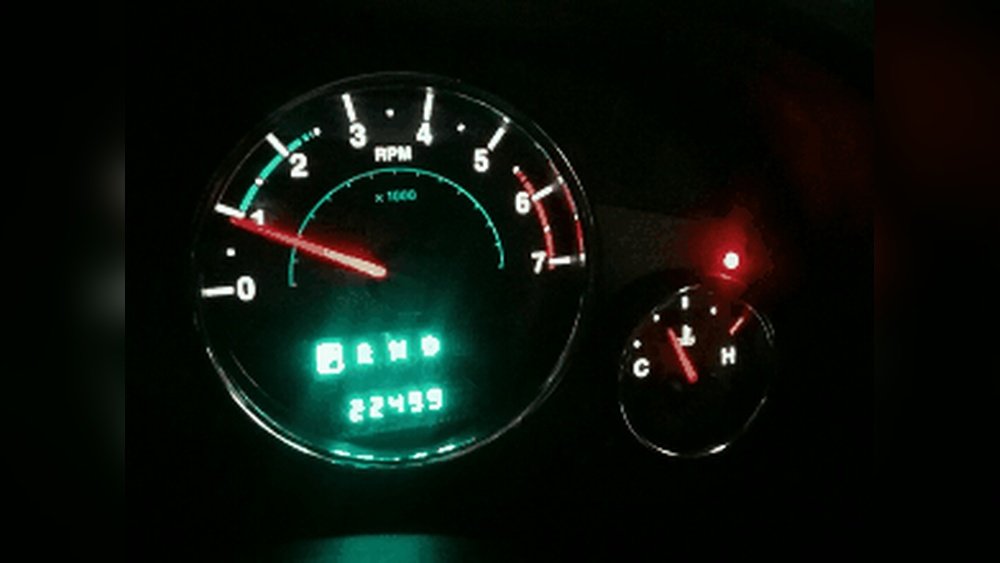
It’s crucial to differentiate this from other dashboard warning lights; the red temperature light is specifically about your engine getting too hot.
Many factors can cause your Jeep's engine to overheat. Some are simple fixes, while others require more in-depth mechanical attention.
Regardless of the cause, the immediate action should always be to address the overheating situation to prevent further damage. This guide will walk you through the common reasons for this red light appearing, how to diagnose the problem, and what steps you should take to get your Jeep back to a safe operating temperature.
Understanding The Jeep Temperature Warning Light
The temperature gauge on your Jeep’s dashboard is designed to give you a visual representation of how hot your engine is running. It typically has a range from ‘C’ (cold) to ‘H’ (hot), with a normal operating zone in the middle. The red light associated with this gauge is an overheat indicator. It illuminates when the engine temperature exceeds a predetermined safe limit. This limit is usually set to prevent catastrophic engine failure.
When this light comes on, it means the engine coolant has reached a temperature that can cause damage. The cooling system in your Jeep, like most vehicles, is a complex network of components working together to dissipate heat generated by the engine’s combustion process.
If any part of this system fails or becomes compromised, the engine can overheat.
It’s important to note that the red light is a more urgent warning than just the needle on the gauge climbing towards ‘H’. While a needle moving into the hot zone is a cause for concern, the red light signifies that the system has reached a critical threshold. Ignoring this warning can lead to severe consequences, including warped cylinder heads, blown head gaskets, or even a seized engine, repairs that can cost thousands of dollars.
Why Your Jeep’s Engine Gets Too Hot
Several components are vital for keeping your Jeep’s engine at an optimal temperature. When one or more of these fail, overheating can occur.
- Coolant Level: The most common cause of overheating is a low coolant level. Coolant, a mixture of antifreeze and water, circulates through the engine, absorbing heat and then releasing it through the radiator. If the level is too low, there isn’t enough fluid to effectively cool the engine. This can be due to leaks in the system, a faulty radiator cap, or simply evaporation over time if not properly maintained.
- Radiator Issues: The radiator is where the hot coolant releases its heat to the outside air. If the radiator is clogged with debris (inside or outside), or if its fins are damaged, it cannot dissipate heat efficiently. A clogged radiator restricts coolant flow, while a damaged one reduces the surface area for heat exchange.
- Thermostat Malfunction: The thermostat is a valve that controls the flow of coolant to the radiator. When the engine is cold, it stays closed to help the engine warm up faster. Once the engine reaches its optimal operating temperature, the thermostat opens, allowing coolant to flow to the radiator. If the thermostat gets stuck in the closed position, coolant cannot reach the radiator, leading to rapid overheating.
- Water Pump Failure: The water pump is responsible for circulating the coolant throughout the engine and radiator. If the pump’s impeller is damaged or the pump itself fails, coolant will not move, and the engine will overheat. Signs of a failing water pump can include a whining noise from the front of the engine or visible coolant leaks.
- Cooling Fan Problems: The cooling fan, whether engine-driven or electric, pulls air through the radiator, especially when the vehicle is moving slowly or stopped. If the fan isn’t working correctly (e.g., a broken belt for a belt-driven fan, or a faulty motor for an electric fan), the radiator won’t get enough airflow to cool the coolant.
- Leaking Hoses or Seals: The cooling system relies on a network of hoses and seals to keep the coolant contained. If any of these components develop cracks, splits, or become loose, coolant can leak out, leading to a low coolant level and eventual overheating.
Immediate Actions When The Red Light Appears
The moment you see that red light above the temperature gauge, your priority is to stop the engine from getting hotter. Driving with an overheating engine can cause irreversible damage.
- Turn Off the AC, Turn On the Heater: This might sound counterintuitive, but it’s a crucial first step. Your air conditioning system generates heat. Turning it off reduces the load on the engine. Turning your heater on to its highest setting, even if it makes the cabin uncomfortable, actually helps draw some heat away from the engine into the cabin’s heater core.
- Find a Safe Place to Pull Over: Do not continue driving. Look for a safe spot to stop your Jeep as soon as possible. This might be a shoulder on the highway, a parking lot, or a side street.
- Turn Off the Engine: Once safely pulled over, immediately turn off the engine. This stops the combustion process that generates heat.
- DO NOT Open the Radiator Cap: The cooling system is pressurized and extremely hot when the engine is overheating. Opening the radiator cap can cause scalding hot coolant to erupt, leading to severe burns. Wait for the engine to cool down completely, which can take at least 30 minutes to an hour, before attempting to check anything under the hood.
- Visually Inspect for Obvious Leaks: Once the engine has cooled, you can carefully open the hood. Look for any visible signs of coolant leaks. Check hoses, the radiator, and the area around the water pump. You might see puddles of coolant under the Jeep. Coolant typically has a sweet smell and comes in various colors like green, orange, pink, or yellow.
Diagnosing The Cause Of Overheating
Once you’ve pulled over and the engine has cooled, you can begin to diagnose the problem. Many of these checks can be done by a DIYer with basic tools, but if you’re unsure, it’s always best to call for roadside assistance or a tow to a mechanic.
Checking The Coolant Level
The most critical check is the coolant level.
- Locate the Coolant Reservoir: This is usually a translucent plastic tank connected to the radiator. It will have ‘MIN’ and ‘MAX’ or ‘COLD’ and ‘HOT’ markings.
- Check the Level: When the engine is completely cold, the coolant level should be between the MIN and MAX lines. If it’s below MIN, you have a low coolant situation.
- Adding Coolant (Temporary Fix): If the level is low, you can add a 50/50 mixture of antifreeze and distilled water. Do not use plain water unless it’s an emergency, as it offers less protection against freezing and boiling. If you don’t have the correct mixture, plain distilled water is better than nothing in an emergency, but you’ll need to address the proper mixture later.
Inspecting The Radiator And Hoses
- Radiator: Visually inspect the radiator for any signs of damage, corrosion, or leaks. Check the exterior for debris like leaves or dirt that might be blocking airflow.
- Hoses: Squeeze the radiator hoses (when cool!). They should feel firm but pliable. If they are hard, brittle, mushy, or swollen, they need to be replaced. Look for cracks or leaks at the connection points.
Examining The Cooling Fan
- Electric Fans: If your Jeep has electric cooling fans, check if they are operating when the engine is running (and has reached operating temperature). Sometimes, a fuse or relay can fail, preventing the fan from turning on.
- Belt-Driven Fans: If your fan is driven by a belt, check the condition of the belt. A loose or broken belt means the fan won’t spin.
The Thermostat’s Role
The thermostat is usually located where the upper radiator hose connects to the engine.
- Symptoms of a Bad Thermostat: If the engine overheats quickly but the upper radiator hose feels cool, it’s a strong indicator that the thermostat is stuck closed.
- Replacement: Replacing a thermostat is a relatively straightforward DIY job for many, but it requires draining some coolant and ensuring the new thermostat is installed correctly.
Water Pump Issues
- Leaks: Look for coolant leaks around the water pump pulley. There’s often a “weep hole” that will show signs of leakage when the pump’s seal starts to fail.
- Noise: A failing water pump bearing can sometimes produce a grinding or whining noise.

Common Jeep Models And Their Cooling System Quirks
While the general principles of cooling systems apply to all Jeep models, some generations and specific models have known tendencies or common issues that owners should be aware of.
Jeep Wrangler (jk/jl Generations)
The JK (2007-2018) and JL (2018-Present) Wrangler models are popular for off-roading. Their cooling systems are generally robust, but common issues can include:
- Plastic Radiator Tanks: Many modern radiators use plastic tanks attached to an aluminum core. Over time, these plastic tanks can become brittle and crack, leading to coolant leaks.
- Electric Cooling Fan Failure: The electric fans on these models can fail due to motor issues or control module problems.
- Water Pump Leaks: Like many vehicles, the water pump is a wear item and can develop leaks over time.
Jeep Grand Cherokee (wk2 Generation)
The WK2 Grand Cherokee (2011-2026) often comes with more powerful V6 and V8 engines, which generate more heat.
- Overheating Under Load: These models can sometimes struggle with overheating when towing heavy loads or driving in extreme heat, especially if the cooling system isn’t in peak condition.
- Coolant Leaks: Leaks from hoses, the radiator, or the water pump are common maintenance items.
- Thermostat Issues: Stuck thermostats can also be an issue, leading to the temperature gauge climbing quickly.
Jeep Cherokee (kl Generation)
The KL Cherokee (2014-2026) uses different engine options, including the Tigershark and Pentastar.
- Tigershark Engine: This 2.4L engine can be prone to overheating if the cooling system isn’t maintained. Low coolant levels due to minor leaks are often the culprit.
- Pentastar V6: The 3.6L Pentastar engine is generally reliable, but like all engines, it requires proper cooling system maintenance. Issues can include thermostat failures and water pump leaks.
Jeep Liberty / Commander
Older models like the Jeep Liberty (KJ/KK) and Commander (XK/XK) have cooling systems that are susceptible to age-related wear.
- Radiator Degradation: Older radiators can corrode or develop leaks.
- Hose Brittleness: Rubber hoses become brittle with age and can crack or split.
- Water Pump Wear: The water pump is a common failure point on older vehicles.
Pro Tip: Always refer to your Jeep’s owner’s manual for specific maintenance schedules and recommended coolant types. Using the wrong coolant can cause damage to your cooling system components. For example, Chrysler/Jeep often specifies HOAT (Hybrid Organic Acid Technology) coolants, typically orange or pink.
Repairing Cooling System Problems
Once you’ve identified the problem, the next step is to repair it. The complexity and cost of repairs vary significantly depending on the issue.
Simple Fixes
- Topping Up Coolant: If the only issue is a slightly low coolant level and you can’t find an obvious leak, topping it up might solve the immediate problem. However, you should still monitor it closely for any signs of further loss. A persistent loss of coolant indicates a leak that needs to be found and fixed.
- Clearing Radiator Debris: If the radiator is blocked externally by leaves or dirt, you can carefully clean it with a hose or compressed air.
Moderate Repairs
- Replacing Hoses: Replacing cracked or brittle radiator hoses is a manageable DIY task. You’ll need basic tools, new hoses, and the correct coolant mixture. It’s often recommended to replace hoses in pairs (e.g., both upper and lower radiator hoses) to ensure consistent performance.
- Replacing a Radiator Cap: A faulty radiator cap can prevent the system from maintaining pressure, leading to boiling and overheating. These are inexpensive and easy to replace.
- Replacing a Thermostat: This is a moderately difficult DIY repair. You’ll need to drain some coolant, remove the thermostat housing, replace the thermostat, and then refill and bleed the cooling system.
Complex Repairs
- Replacing Radiator: Replacing a radiator can be more involved, requiring draining the entire system, disconnecting hoses and fan shrouds, and carefully removing the old radiator to install the new one.
- Replacing Water Pump: This is often a more labor-intensive job, as the water pump can be located behind other engine components. It usually requires removing belts and sometimes other parts to gain access.
- Head Gasket Repair: If the engine has severely overheated, a blown head gasket is a serious possibility. This is a major engine repair that typically requires removing the cylinder head and is best left to experienced mechanics. Symptoms include white smoke from the exhaust, coolant in the oil (milky appearance), or oil in the coolant.
The Importance Of Bleeding The Cooling System
After any repair that involves draining or opening the cooling system (like replacing a hose, thermostat, or radiator), it’s crucial to bleed the system. This process removes air pockets that can get trapped inside. Air pockets can cause localized hot spots, prevent proper coolant circulation, and lead to new overheating issues.
The bleeding process typically involves running the engine with the radiator cap off (or the bleed screw open) and the heater on high, allowing air to escape. Your Jeep’s owner’s manual or a repair manual will provide specific instructions for your model.

Preventative Maintenance To Avoid Overheating
The best way to deal with the red light above your temperature gauge is to prevent it from ever coming on. Regular maintenance is key to keeping your Jeep’s cooling system in top shape.
Regular Coolant Checks And Flushes
- Check Coolant Level: Make it a habit to check your coolant level at least once a month, especially before long trips or during hot weather.
*