The 2016 Jeep Wrangler is an iconic vehicle, known for its off-road prowess and rugged design. For many owners, the factory radio is a starting point, but not the end of their audio journey.
Upgrading the Jeep Wrangler radio can significantly enhance your driving experience, whether you're tackling challenging trails or cruising down the highway.
This guide will explore the ins and outs of choosing, installing, and enjoying a new infotainment system for your 2016 Jeep Wrangler, covering everything from basic head unit replacements to advanced multimedia setups.
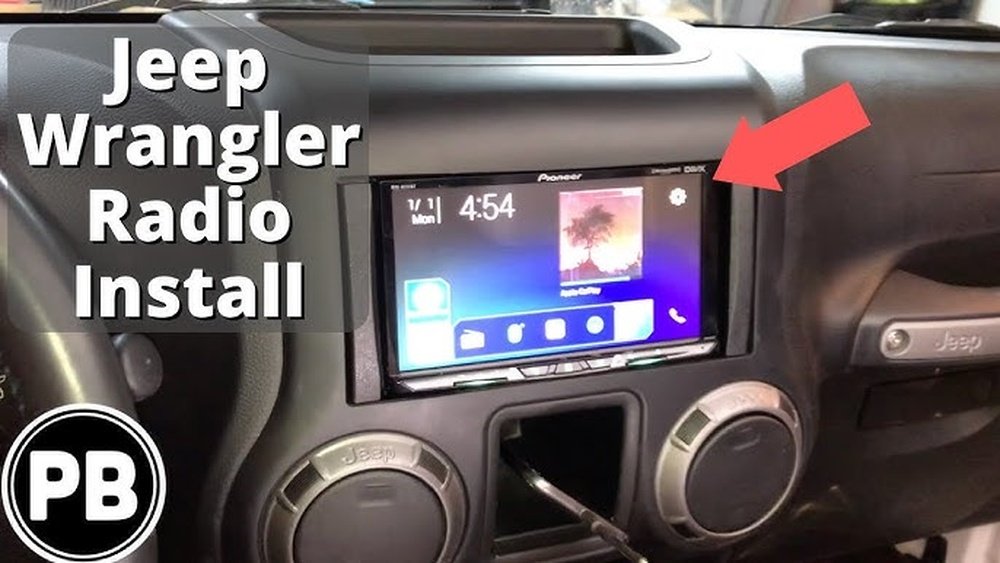
Understanding Your 2016 Jeep Wrangler’s Audio System
Before diving into upgrades, it’s essential to understand the factory setup in a 2016 Jeep Wrangler. Most models came equipped with a basic AM/FM radio, often with a CD player and auxiliary input. Higher trims might have offered SiriusXM satellite radio and a slightly more advanced speaker system. The dash layout is designed for durability, meaning aftermarket units can often fit with relative ease, though some minor modifications or dash kits might be necessary.
The factory system, while functional, often lacks modern features like Bluetooth connectivity, Apple CarPlay, Android Auto, and high-resolution touchscreens. Sound quality can also be a limiting factor, especially for those who appreciate a richer audio experience. This is where the aftermarket world of car audio truly shines, offering a vast array of options to suit every need and budget.
Key Features To Look For In An Aftermarket Radio
When selecting a new radio for your 2016 Jeep Wrangler, consider what features are most important to you. Modern head units offer a wealth of technology designed to improve convenience, safety, and entertainment.
Connectivity And Smartphone Integration
This is arguably the biggest leap from a factory system.
- Bluetooth: Essential for hands-free calling and wireless audio streaming. It allows you to connect your smartphone without cables.
- Apple CarPlay & Android Auto: These systems mirror your smartphone’s interface onto the car’s screen. You can access navigation apps (like Google Maps or Waze), send and receive texts, make calls, and play music using familiar smartphone controls, all while keeping your phone safely stowed. For safety, using these integrated systems is far better than fumbling with your phone.
- USB Ports: For wired connections to your phone or for playing music from a USB drive. Many units offer fast charging capabilities.
- Auxiliary Input: A traditional 3.5mm jack, still useful for older devices.
Display And Interface
The screen is your primary interaction point with the radio.
- Screen Size: Aftermarket units come in various sizes, typically 6.2 inches, 7 inches, or even larger for double-DIN units. Larger screens offer better visibility and easier touch control.
- Touchscreen Technology: Capacitive touchscreens (like on smartphones) are more responsive and intuitive than older resistive types.
- Resolution and Brightness: A higher resolution offers a sharper image, and good brightness is crucial for visibility in direct sunlight, especially important in a Jeep with its large windows.
- Customization: The ability to change themes, wallpaper, and button colors can help match your Jeep’s interior.
Audio And Sound Quality
Beyond basic playback, advanced units offer more control.
- Equalizer (EQ): Allows you to adjust bass, treble, and mid-range frequencies to tailor the sound to your liking and speaker setup. Many offer preset EQs or customizable settings.
- Pre-amp Outputs: If you plan to add external amplifiers for speakers or subwoofers, a radio with multiple pre-amp outputs (e.g., front, rear, subwoofer) is crucial for a high-quality audio system.
- Digital Signal Processing (DSP): More advanced units include DSP features like time alignment and advanced EQ, allowing for precise audio tuning.
Some units are full-blown infotainment centers.
- Built-in Navigation: Some aftermarket radios include GPS navigation, often with real-time traffic updates.
- DVD/CD Playback: While less common now, some units still offer disc playback.
- HD Radio: Offers improved sound quality and additional digital channels over traditional FM radio.
- Satellite Radio (SiriusXM): Many units have built-in tuners or can be connected to a SiriusXM tuner module.
Camera And Sensor Integration
- Backup Camera Input: Essential for safety, especially in a vehicle like the Wrangler where rear visibility can be limited. Many aftermarket radios can display the feed from a factory or aftermarket backup camera.
- Parking Sensor Support: Some units can integrate with factory or aftermarket parking sensors.
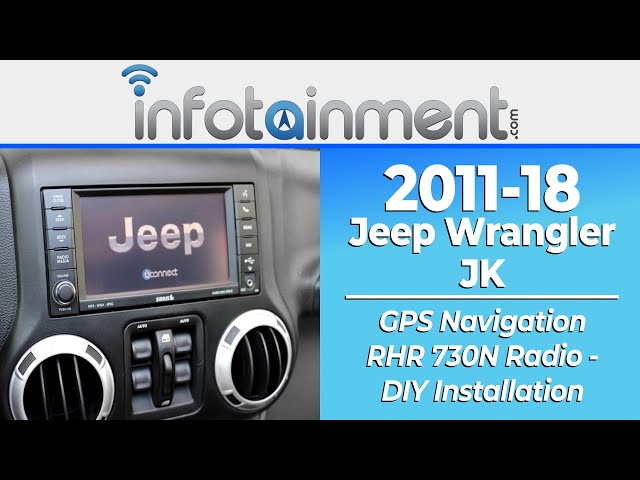
Types Of Aftermarket Radios For Your 2016 Jeep Wrangler
There are generally two main types of aftermarket radios that fit the 2016 Jeep Wrangler: single-DIN and double-DIN.
Single-din Units
These are the standard, smaller size radios. They typically have a flip-out screen or a fixed face with a smaller, non-touch display.
- Pros: Generally less expensive, easier to install in some cases, and available with a wide range of basic to advanced features.
- Cons: Smaller screens mean less intuitive control, especially for navigation and media browsing. Flip-out screens can be more prone to damage and may obstruct airflow from vents.
Double-din Units
These are larger, roughly twice the height of a single-DIN unit, and feature a large, fixed touchscreen display.
- Pros: Significantly better user interface, larger screens for navigation and media, modern look, and often come packed with the latest features like Apple CarPlay and Android Auto.
- Cons: Usually more expensive, may require a specific dash mounting kit for a clean installation in the 2016 Wrangler, and can potentially block some climate controls or vents if not installed correctly.
For a 2016 Jeep Wrangler, a double-DIN unit is often the preferred choice due to the significant upgrade in user experience and feature set. The dashboard provides ample space to accommodate these larger units, making them a popular upgrade.
Popular Brands And Models To Consider
The aftermarket car audio industry is competitive, with several reputable brands offering excellent head units compatible with the 2016 Jeep Wrangler. Here are a few well-regarded options:
Pioneer
Pioneer is a long-standing leader in car audio, known for its reliable performance and innovative features.
- Pioneer AVH Series: Models like the AVH-W4500NEX or AVH-1500NEX are popular choices. They often feature Apple CarPlay, Android Auto, Bluetooth, and responsive touchscreens. The NEX (Networked Entertainment eXperience) line is particularly strong, offering advanced smartphone integration.
- Pioneer DMH Series: These are digital media receivers (no CD/DVD drive) that focus on smartphone integration and offer excellent value. The DMH-C2550NEX is a good example, providing a 6.2-inch touchscreen with CarPlay and Android Auto.
Kenwood
Kenwood is another major player, offering a range of units with solid build quality and user-friendly interfaces.
- Kenwood eXcelon Series: The DDX9707S or DMX957XR are high-end options that boast features like wireless Apple CarPlay and Android Auto, advanced sound tuning capabilities, and robust connectivity.
- Kenwood Standard Series: Models like the DDX492BT offer good value with Bluetooth, USB, and a 6.1-inch touchscreen.
Jvc
JVC, often associated with Kenwood through parent company JVCKENWOOD, offers competitive options.
- JVC KW Series: The KW-V950BW is a flagship model featuring wireless CarPlay/Android Auto, a large touchscreen, and extensive audio customization.
- JVC KD Series: Digital media receivers like the KD-X370BTS offer Bluetooth, USB, and a compact design, often at a more affordable price point.
Sony
Sony brings its expertise in consumer electronics to the car audio market.
- Sony XAV Series: Models like the XAV-AX7000 or XAV-AX5500 are known for their sleek designs, powerful sound, and excellent smartphone integration. They often feature large, responsive touchscreens and robust connectivity options.
Alpine
Alpine is highly regarded for its premium sound quality and advanced features, often favored by audiophiles.
- Alpine iLX Series: The iLX-F309 (“Halo9”) is a unique unit with a floating 9-inch screen that can be adjusted for optimal viewing. It offers CarPlay, Android Auto, and high-fidelity audio components.
- Alpine UTE Series: Digital media receivers like the UTE-56BT offer essential features like Bluetooth and USB at an entry-level price.
When choosing, always check the dimensions and ensure the unit comes with or is compatible with a dash kit specifically designed for the 2016 Jeep Wrangler to guarantee a factory-like fit.

Installation: Do It Yourself Or Professional?
Installing an aftermarket radio can range from a relatively simple plug-and-play process to a more complex undertaking requiring wiring modifications.
Diy Installation
Pros:
- Cost Savings: You save on labor costs.
- Learning Experience: Gain a deeper understanding of your vehicle’s systems.
- Customization: You have complete control over the installation process.
Cons:
- Time Consuming: Can take several hours, especially for beginners.
- Potential for Errors: Incorrect wiring can damage the new radio, your Jeep’s electrical system, or both.
- Requires Tools: You’ll need specific tools like wire strippers, crimpers, screwdrivers, panel removal tools, and possibly a multimeter.
What You’ll Need for DIY:
- New Head Unit: The radio itself.
- Dash Mounting Kit: This plastic trim piece fills the gap between the aftermarket radio and the Jeep’s dashboard, ensuring a clean look. Brands like Metra and Scosche make specific kits for the 2016 Wrangler.
- Wiring Harness Adapter: This crucial component connects the new radio’s wiring to your Jeep’s factory wiring harness without cutting or splicing factory wires. This preserves your vehicle’s original wiring. Look for adapters specifically for the 2016 Jeep Wrangler.
- Antenna Adapter: May be needed to connect the factory antenna to the new radio.
- Steering Wheel Control Interface: If you want to retain the use of your steering wheel audio controls, you’ll need a specific interface module (e.g., from ASWC-1 or Pac Audio).
- Tools: Screwdriver set, panel removal tool kit, wire strippers, crimping tool, electrical tape or heat shrink tubing.
Basic DIY Steps:
- Disconnect Battery: Always disconnect the negative battery terminal before starting electrical work.
- Remove Factory Radio: Carefully remove the dash trim panels and then the factory radio unit using the appropriate tools.
- Wire the Harness Adapter: Connect the wires from the new radio’s harness to the corresponding wires on the wiring harness adapter. Match colors and use crimp connectors or solder for a secure connection. This is the most critical step.
- Connect Adapters: Plug the wiring harness adapter, antenna adapter, and steering wheel control interface (if used) into their respective locations.
- Mount the New Radio: Install the new radio into the dash mounting kit, then secure the kit into the dashboard opening.
- Reconnect Battery and Test: Reconnect the negative battery terminal. Turn on the Jeep and test all functions of the new radio: power, sound, Bluetooth, radio reception, USB, etc. Test steering wheel controls if applicable.
- Reassemble Dash: Once everything works correctly, reassemble the dashboard trim panels.
Professional Installation
Pros:
- Expertise: Installers have the knowledge and experience to handle any complexities.
- Time Savings: Most installations can be completed in a few hours.
- Warranty: Many installers offer a warranty on their labor, providing peace of mind.
- Proper Tools: They have specialized tools for a clean and efficient installation.
Cons:
- Cost: You’ll pay for the installer’s time and expertise, which can add $100-$300 or more to the total cost.
Where to Get Professional Installation:
- Car Audio Specialty Shops: These are dedicated shops with experienced technicians.
- Electronics Retailers: Large chains like Best Buy often offer installation services.
- Mobile Installers: Some companies offer installation services at your home or office.
Pro Tip: Even if you plan a DIY installation, visiting a professional shop beforehand can be beneficial. They can advise on the best head unit for your needs and ensure you have all the necessary installation accessories.
Enhancing Your Audio System Beyond The Head Unit
A new head unit is a fantastic starting point, but to truly transform your 2016 Jeep Wrangler’s sound, consider upgrading other components.
Speakers
The factory speakers are often a weak link. Upgrading them can dramatically improve clarity, bass response, and overall fidelity.
- Component Speakers: These separate the woofer (for mid-bass) and tweeter (for high frequencies), offering better sound staging and detail. They usually require a separate amplifier.
- Coaxial Speakers: These have the tweeter mounted in front of the woofer, making them easier to install and often a direct replacement for factory speakers.
- Speaker Size: The 2016 Jeep Wrangler typically uses 5.25-inch speakers in the dash and soundbar, though adapters can allow for 6.5-inch speakers in some locations. Always confirm fitment.
Amplifiers
An external amplifier provides more clean power to your speakers than a head unit alone can deliver. This results in:
- Increased Volume: Play music louder without distortion.
- Improved Dynamics: Better reproduction of loud and quiet passages.
- Enhanced Bass: More control and punch from your speakers and subwoofers.
Look for amps that match the power handling (RMS rating) of your chosen speakers.
Subwoofers
For deep, impactful bass, a subwoofer is essential.
- Enclosed Subwoofers: Come in a box,