The 2004 Jeep Grand Cherokee is a robust SUV, known for its off-road capabilities and comfortable ride. A key component that makes steering this vehicle smooth and easy is the power steering pump.
This part circulates hydraulic fluid, which then assists your steering wheel, allowing you to turn the wheels with minimal effort. If your Grand Cherokee's steering feels heavy, makes whining noises, or you notice fluid leaks, the power steering pump might be the culprit.
Understanding how this system works, what can go wrong, and how to address these issues is crucial for keeping your 2004 Jeep Grand Cherokee performing at its best.
Understanding The Power Steering System In Your 2004 Grand Cherokee
The power steering system in your 2004 Jeep Grand Cherokee is a hydraulic system designed to reduce the physical effort required to steer. It consists of several main components, all working together to provide that effortless steering feel. The power steering pump is the heart of this system. It’s typically driven by a belt connected to the engine’s crankshaft. As the engine runs, the pump spins, drawing power steering fluid from the reservoir and pushing it under pressure into the steering gear.
When you turn the steering wheel, a control valve within the steering gear directs this pressurized fluid to one side of a piston in the steering rack. This fluid pressure pushes the piston, which in turn moves the steering linkage and turns the front wheels. The amount of pressure and the direction of fluid flow are precisely controlled by your steering input, making the system responsive and effective. The power steering fluid itself is vital; it acts as the medium that transmits hydraulic pressure and also lubricates the pump and steering gear components. The power steering reservoir stores this fluid, and it often includes a filter to keep the fluid clean. Finally, the steering gear (which can be a rack-and-pinion system or a recirculating ball system, depending on the vehicle’s design) is where the hydraulic pressure is converted into mechanical force to move the wheels. For the 2004 Grand Cherokee, understanding these interconnected parts helps diagnose problems more effectively.
How The Power Steering Pump Works
At its core, the power steering pump is a type of positive displacement pump. This means it delivers a relatively constant volume of fluid with each rotation, regardless of the system’s resistance (within its operating limits). For your 2004 Grand Cherokee, the pump is usually a vane-type or gear-type pump. As the engine turns the pump’s shaft via a serpentine belt, internal components (vanes or gears) spin. This rotation creates a low-pressure area that draws fluid from the reservoir. As the fluid moves through the pump, it’s trapped and forced out under high pressure through the pump’s outlet port.
A pressure relief valve is a critical safety feature within the pump or steering gear. If the steering wheel is held at full lock (turned all the way to one side) for too long, the system pressure can build to dangerous levels. This valve opens to bypass fluid back to the reservoir, preventing damage to the pump, hoses, or steering gear. The continuous circulation of fluid not only provides steering assist but also helps to cool the system and flush out any small contaminants. The consistent operation of the pump is essential for maintaining smooth, responsive steering.
The Role Of Power Steering Fluid
Power steering fluid is not just ordinary hydraulic oil. It’s specifically formulated to handle the demands of the power steering system. This fluid must maintain its viscosity across a range of temperatures, from cold starts in winter to hot conditions in summer. It also needs to provide adequate lubrication for the pump’s internal moving parts and the steering gear. Furthermore, the fluid acts as a cleaning agent, carrying away small metal particles that wear off from the pump and steering gear over time.
The type of fluid specified for your 2004 Grand Cherokee is important. Using the wrong type of fluid can lead to premature wear, seal damage, or reduced performance. For instance, some systems are designed for specific synthetic fluids, while others might use a conventional mineral-based fluid. Always consult your owner’s manual or a reliable parts supplier for the correct power steering fluid type for your specific vehicle. Regular inspection and maintenance of the fluid level and condition are vital. Low fluid levels can cause the pump to suck in air, leading to noise and damage, while contaminated or degraded fluid can accelerate wear on critical components.
Common Problems With The 2004 Jeep Grand Cherokee Power Steering Pump
Like any mechanical component, the power steering pump on a 2004 Jeep Grand Cherokee can develop problems over time. These issues typically manifest as changes in steering feel, unusual noises, or fluid leaks.
Identifying these symptoms early can help prevent more serious damage and costly repairs.
Steering Feels Heavy Or Difficult
One of the most noticeable signs of a failing power steering pump is heavy steering. If you find yourself struggling to turn the steering wheel, especially at low speeds or when stationary, it indicates that the hydraulic assist is not working effectively. This can be due to a number of reasons related to the pump:
- Low Fluid Level: If the fluid level in the reservoir is too low, the pump may not be able to generate sufficient hydraulic pressure. This can happen due to leaks elsewhere in the system or simply evaporation over time.
- Air in the System: A low fluid level or a leak can allow air to enter the power steering system. When air gets into the hydraulic lines, it compresses instead of transmitting fluid pressure, leading to a spongy or ineffective steering assist. You might also hear a groaning or whining noise.
- Worn Pump Internals: The internal components of the pump, such as the vanes or gears, can wear down over time. This wear reduces the pump’s ability to create and maintain the necessary hydraulic pressure, resulting in reduced steering assist.
- Belt Slippage: The serpentine belt that drives the power steering pump can become loose, worn, or glazed. If the belt slips on the pump pulley, the pump won’t spin at the correct speed, or at all, thus failing to provide adequate assist.
Whining Or Groaning Noises
Unusual noises coming from the power steering system are often a strong indicator of a problem with the pump. A whining noise that gets louder as you turn the steering wheel, particularly at idle or low speeds, is a classic symptom. This noise is often caused by:
- Low Fluid Level or Air: As mentioned, low fluid or air in the system can cause the pump to cavitate, essentially, it’s trying to pump fluid but is drawing in air. This creates a distinct whining or groaning sound.
- Worn Pump Bearings: The bearings inside the power steering pump can wear out. As they degrade, they can produce a grinding or whining noise that is usually constant, even when not steering.
- Internal Pump Damage: If the pump’s internal components are damaged or worn, they can create friction and noise as they operate. This might sound like a whine, a groan, or even a grinding noise.
Fluid Leaks
Power steering fluid leaks are a common issue and can lead to the other problems mentioned above. The fluid is under pressure, so even small leaks can quickly become significant. Leaks can originate from several points in the system:
- Pump Seals: The seals on the power steering pump itself can degrade over time due to heat and fluid exposure. This can cause fluid to leak from the pump housing or around the shaft where the pulley attaches.
- Hoses: The high-pressure hoses and low-pressure return hoses that carry the power steering fluid can crack, become brittle, or develop leaks at the crimped fittings.
- Steering Gear: The steering gear itself can develop internal or external leaks.
- Reservoir: The plastic reservoir can crack, or its seals can fail, leading to leaks.
If you notice reddish or brownish fluid (depending on the type of fluid used) under your Jeep, it’s important to investigate the source of the leak promptly.
Other Potential Issues
Beyond the primary symptoms, other less common problems can affect the power steering pump:
- Overheating: In extreme conditions or if the system is low on fluid, the pump can overheat. This can cause the fluid to break down, reducing its lubricating properties and potentially damaging seals.
- Contaminated Fluid: Debris or metal particles in the fluid can clog passages, damage seals, or cause excessive wear within the pump and steering gear. This contamination often originates from a failing pump or other components.

Diagnosing A Faulty Power Steering Pump
Before concluding that the power steering pump is the issue, it’s important to perform some basic diagnostics. Many symptoms associated with a bad pump can also be caused by other problems within the power steering system. A thorough diagnosis can save you time and money by ensuring you replace the correct part.
Checking The Power Steering Fluid
The first and easiest step is to check the power steering fluid level.
- Locate the Reservoir: Find the power steering fluid reservoir under the hood. It’s usually a plastic or metal container with a cap marked “Power Steering.”
- Inspect the Level: Remove the cap and check the fluid level against the markings on the reservoir or dipstick (if present). The fluid should be between the “MIN” and “MAX” or “COLD” and “HOT” lines.
- Examine Fluid Condition: Look at the color and consistency of the fluid. It should typically be clear to amber. If it’s dark brown, black, or has a burnt smell, it indicates that the fluid is degraded and may need to be flushed and replaced. Milky or foamy fluid suggests air contamination.
If the fluid is low, you'll need to add the correct type of fluid. However, if it's low, there's likely a leak somewhere in the system that needs to be found and fixed.
Simply topping it off might be a temporary fix, but the underlying leak will cause future problems.
Inspecting The Serpentine Belt
The serpentine belt drives the power steering pump, alternator, and other accessories. If this belt is loose, worn, or damaged, it can slip, causing the pump (and other components) to underperform.
- Visual Inspection: Look for cracks, fraying, glazing (a shiny, smooth surface), or missing chunks on the belt.
- Tension Check: Gently try to twist the belt. It should have some resistance and not be easily rotatable. A loose belt might also squeal, especially under load (like when turning the steering wheel).
If the belt appears worn or is loose, it should be replaced or tightened according to the manufacturer’s specifications.
Listening For Noises
Noises are often the most telling sign. With the engine running, listen carefully to the power steering system.
- Whining/Groaning: As mentioned, this often points to air in the system or a worn pump. Try turning the steering wheel slowly from lock to lock (all the way left, then all the way right) a few times. If the noise changes or subsides temporarily, it might indicate air. If it remains constant, the pump itself is more likely the issue.
- Grinding/Squealing: A persistent grinding or squealing noise that doesn’t change with steering input could indicate failing pump bearings or a pulley issue.
Checking For Leaks
Thoroughly inspect all components of the power steering system for signs of fluid leakage.
- Pump: Check around the pump housing, shaft seal, and hose connections.
- Hoses: Examine the high-pressure and return hoses for cracks, bulges, or wet spots. Pay close attention to where they connect to the pump, steering gear, and reservoir.
- Reservoir: Look for cracks or leaks around the cap and mounting points.
- Steering Gear: Inspect the steering gear assembly for any signs of fluid seepage.
A UV dye can be added to the power steering fluid to help pinpoint elusive leaks. The dye will show up under a black light, making it easier to find the source.
Testing Pump Pressure (advanced)
For a more definitive diagnosis, a power steering pressure test can be performed. This requires a specialized pressure gauge kit that connects to the power steering system. The gauge measures the pressure generated by the pump under various conditions (e.g., at idle, when turning the wheel). The readings are then compared to the manufacturer’s specifications. If the pressure is significantly below the specified range, it confirms that the pump is faulty. This test is typically performed by a mechanic.
Replacing The Power Steering Pump On A 2004 Jeep Grand Cherokee
Replacing a power steering pump is a moderately difficult DIY job. It requires some mechanical aptitude, the right tools, and careful attention to detail. If you’re not comfortable with these tasks, it’s best to have a qualified mechanic perform the replacement.
Tools And Parts Needed
- New Power Steering Pump: Ensure it’s the correct model for your 2004 Jeep Grand Cherokee.
- Power Steering Fluid: The specific type recommended in your owner’s manual.
- Serpentine Belt: It’s often recommended to replace the belt at the same time, especially if it’s old or worn.
- Wrench Set and Socket Set: SAE sizes will likely be needed.
- Pliers: For hose clamps.
- Fluid Catch Pan: To collect drained fluid.
- Funnel: For adding new fluid.
- Rags/Shop Towels: For cleaning up spills.
- Pulley Puller/Installer Tool: Some pumps require a special tool to remove and install the pulley.
- Safety Glasses and Gloves: Essential for protecting yourself.
Step-by-step Replacement Guide (general)
Note: Procedures can vary slightly depending on the exact engine configuration. Always consult a service manual for your specific vehicle.
- Disconnect Battery: For safety, disconnect the negative terminal of the battery.
- Drain the System: Place a catch pan under the power steering reservoir. Use a siphon or turkey baster to remove as much fluid as possible from the reservoir. You can also disconnect the return hose from the reservoir and aim it into the catch pan, then have someone briefly start the engine to pump out more fluid (be quick to avoid running the pump dry).
- Remove Serpentine Belt: Locate the belt tensioner and use a wrench to release the tension, then slip the belt off the power steering pump pulley.
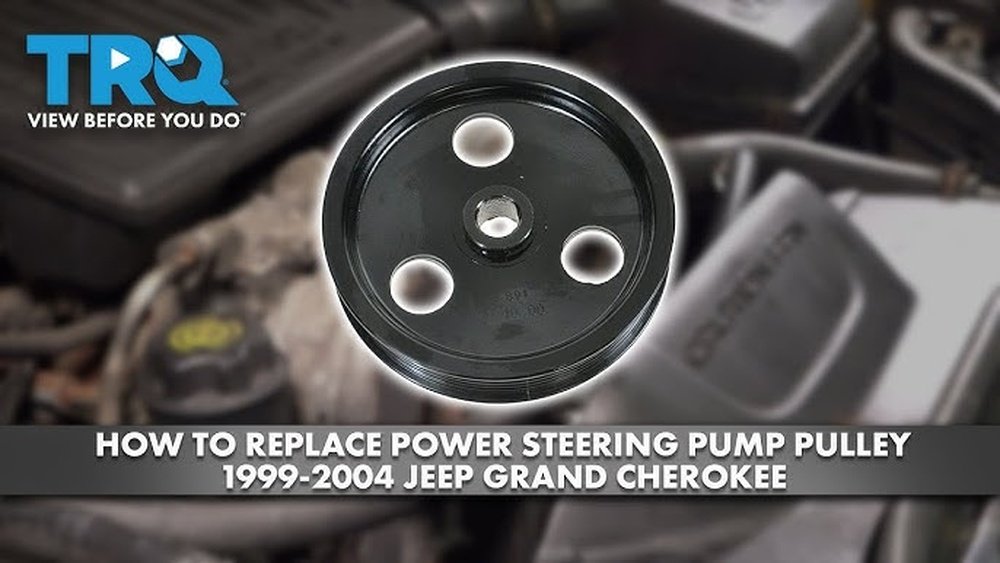
- Remove Pulley: The pulley is usually held onto the pump shaft by a bolt in the center. You may need a pulley holder tool to keep the pulley from spinning while you loosen the bolt. Once the bolt is out, you might need a pulley puller to remove the pulley from the shaft. Some pulleys are press-fit and require a special puller.
- Unbolt the Pump: The power steering pump is typically mounted to the engine block or a bracket with several bolts. Loosen and remove