Mixing different types of motor oil can be confusing. Many drivers wonder if it’s safe to mix 5W20 and 5W30 oils. Both are popular choices for modern cars, but they have different properties. If you find yourself needing to top up your oil and only have one type available, knowing the risks and benefits is important. This guide explains what happens when you mix these oils, how it affects your engine, and what experts recommend.
Understanding 5w20 And 5w30 Oils
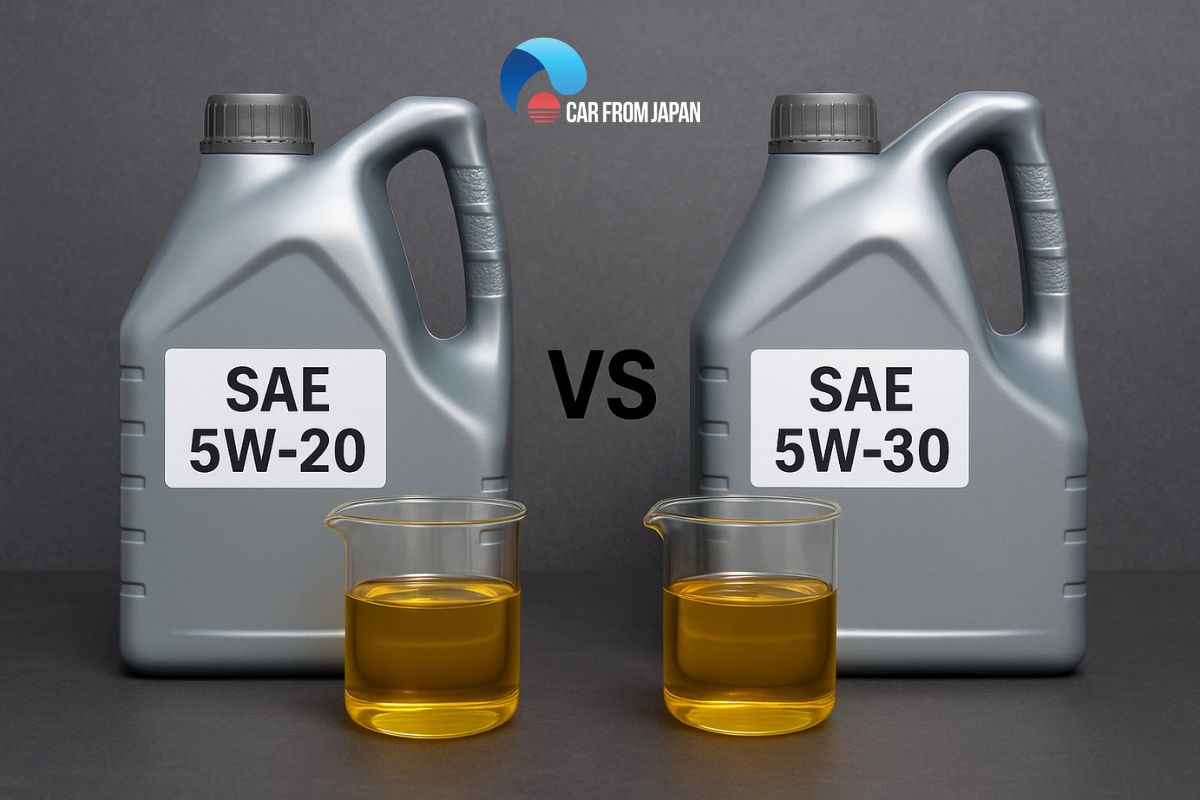
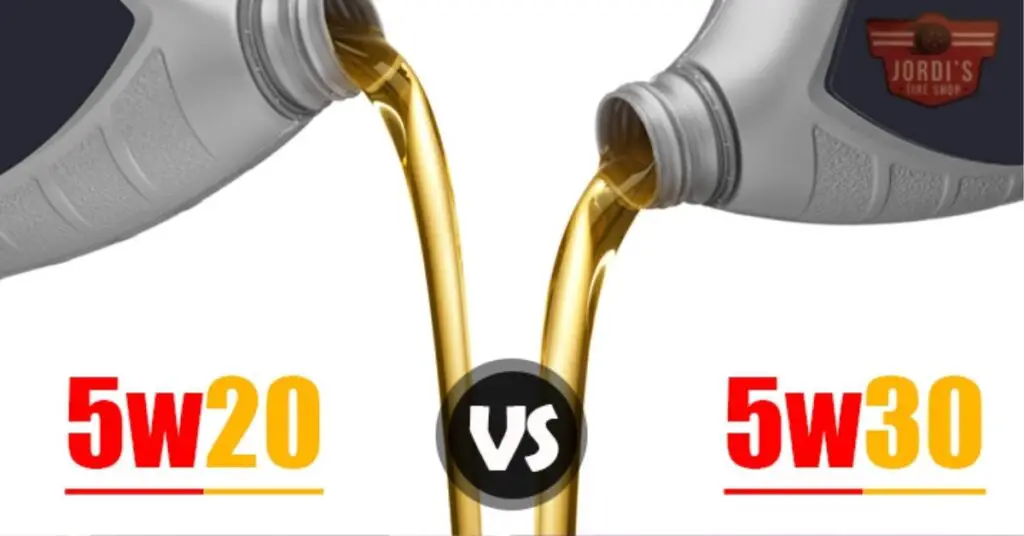
5W20 and 5W30 are both multi-grade oils. The “W” stands for “winter.” The numbers before and after the W show how the oil flows at cold and hot temperatures. 5W20 is thinner at high temperatures than 5W30. This means 5W20 flows more easily, which is good for fuel efficiency and cold starts. 5W30 is thicker and offers better protection at higher temperatures.
Here’s a quick comparison of their basic properties:
| Oil Type | Viscosity (Cold) | Viscosity (Hot) | Common Use |
|---|---|---|---|
| 5W20 | 5 | 20 | Modern engines, fuel efficiency |
| 5W30 | 5 | 30 | High-performance, hot climates |
Can You Mix 5w20 And 5w30?
If you are in a situation where you need to mix 5W20 and 5W30, it’s usually safe for most cars. Both oils have the same cold viscosity, so your engine will start well in cold weather. The main difference happens when the engine is hot.
Mixing these oils results in a blend. The hot viscosity will be somewhere between 20 and 30. This won’t harm most engines, especially if you only mix them for a short time or in small amounts. However, using the wrong oil for a long time can affect engine wear and performance.

Effects On Engine Performance
Mixing 5W20 and 5W30 changes the oil’s thickness when the engine is hot. If your car needs 5W20, adding 5W30 makes the oil a bit thicker. This can:
- Slightly reduce fuel efficiency
- Offer more protection in high heat
- Not cause major issues for most daily driving
If your car needs 5W30, adding 5W20 makes the oil thinner. This can:
- Improve fuel efficiency
- Reduce protection under heavy loads or high temperatures
- Be risky in hot climates or for high-performance engines
Here is how the mixture affects different engine types:
| Engine Type | Recommended Oil | Mixing Impact |
|---|---|---|
| Small, modern engines | 5W20 | Safe to mix, minor impact |
| Older, high-performance engines | 5W30 | Mixing can lower protection |
| Turbocharged engines | 5W30 | Mixing not recommended |
When Is Mixing Acceptable?
Mixing is acceptable when:
- You need to top off your oil in an emergency.
- The oils are both synthetic or both conventional.
- You drive in moderate climates.
It’s best to avoid mixing for long periods. Always use the oil recommended in your owner’s manual for regular changes.
Common Myths And Mistakes
There are many myths about mixing oils. Let’s clear up a few:
- Mixing ruins your engine: Not true. Small amounts won’t cause damage.
- Different brands can’t be mixed: Brands don’t matter as much as viscosity and oil type.
- Mixing voids warranty: If you use the correct viscosity, most warranties are safe. Always check your policy.
The biggest mistake is using the wrong oil for extended periods. Another mistake is mixing synthetic and conventional oils, which can affect performance.
Practical Tips For Drivers
If you have to mix 5W20 and 5W30:
- Only mix if you have no other choice.
- Use the same oil type (synthetic or conventional).
- Change to the recommended oil at your next oil change.
- Watch for changes in engine noise or performance.
- Record what you added for your mechanic.
Many experts agree that mixing is safe in emergencies, but regular use is not ideal. For detailed specs and oil standards, you can check API’s Engine Oil Guide.
Real-world Examples
Some drivers in colder states mix oils during winter for easier starts. Others in hot climates stick to 5W30 for better protection. Mechanics often see mixed oils in cars that are overdue for an oil change, but most engines handle these blends without trouble.
A study showed that engines running blended oils for short periods had no measurable increase in wear. However, engines used in extreme conditions did better with the proper viscosity.
Important Data And Statistics
- About 40% of drivers have mixed different oils at least once, according to a US survey.
- Engines running a blend of 5W20 and 5W30 showed no significant drop in performance in daily driving.
- Engines exposed to extreme heat or heavy loads were 15% more likely to show extra wear when mixed oils were used for long periods.
Frequently Asked Questions
Can Mixing 5w20 And 5w30 Harm My Engine?
Mixing these oils won’t harm most engines if done occasionally. Long-term use may cause extra wear, especially if your engine requires a specific viscosity.
Is It Safe To Mix Synthetic And Conventional Oils?
It’s best to avoid mixing synthetic and conventional oils. Stick to one type for best performance and protection.
Will Mixing Void My Car Warranty?
Most warranties require you to use the recommended viscosity. Mixing once or twice likely won’t void your warranty, but regular mixing could be a problem.
What Happens If I Use The Wrong Oil For A Long Time?
Using the wrong oil over time can lead to increased engine wear, reduced efficiency, and possible overheating. Always return to the recommended oil as soon as possible.
How Should I Fix A Mix Of 5w20 And 5w30?
Simply change your oil to the recommended type at your next oil change. There’s no need to flush unless your engine shows problems.
Choosing the right motor oil is important for engine health. Mixing 5W20 and 5W30 is safe in emergencies but should not be your routine. Always follow your manufacturer’s advice, watch for performance changes, and stay informed. Your engine will thank you for it.