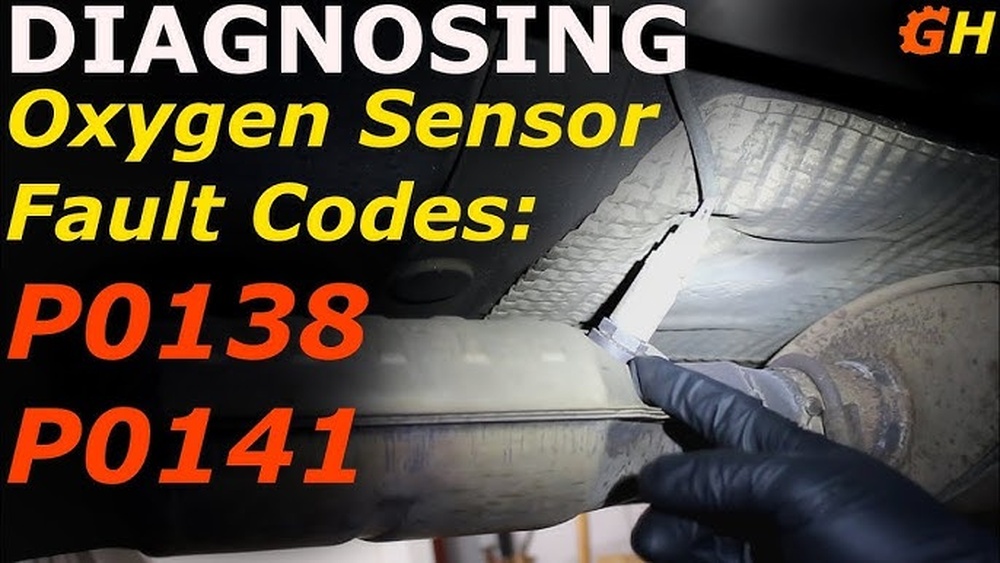
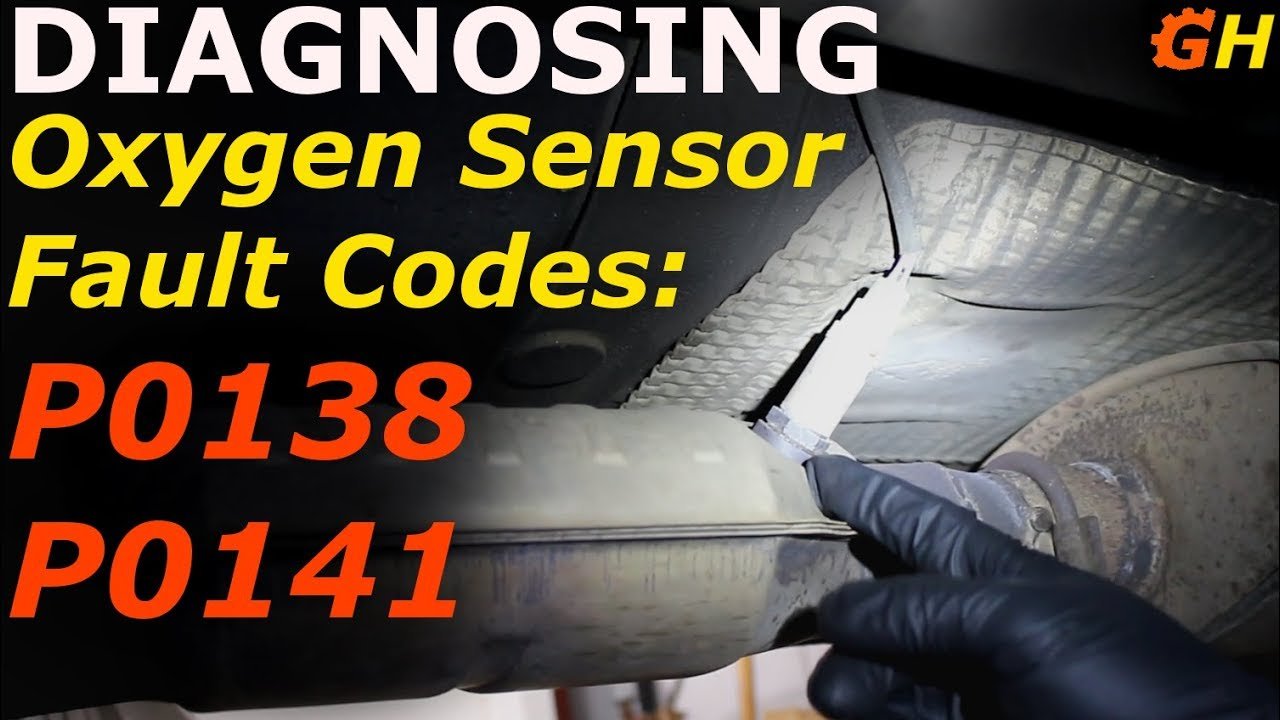
If your Jeep just threw the code P0138, you’re probably wondering what it means and how it might affect your ride. This trouble code points to a problem with the oxygen sensor in your vehicle’s exhaust system, specifically indicating that the sensor is sending a higher voltage signal than it should.
Why should you care? Because this issue can lead to poor fuel economy, rough engine performance, and even damage to your catalytic converter if left unchecked.
You’ll learn what causes Jeep Code P0138, how to diagnose it, and the simple steps you can take to fix it yourself or know when to seek professional help.
Stay with me, and by the end, you’ll be ready to get your Jeep back on the road smoothly and efficiently.

What P0138 Means
Jeep code P0138 means the oxygen sensor is sending a higher voltage than normal. This can cause poor fuel economy and engine performance issues.
It often points to a problem with the sensor or its wiring.
The Jeep code P0138 signals a problem with the oxygen sensor. This sensor is located after the catalytic converter.
It measures the oxygen level in the exhaust gas.
The code means the sensor is reading a voltage higher than normal. This usually means the sensor detects too much fuel in the exhaust.
It can cause your Jeep to run rich.
A rich mixture lowers fuel efficiency and can increase emissions. The engine may also run rough or stall.
The vehicle’s computer sets this code to alert you.
Oxygen Sensor Role In Your Jeep
The oxygen sensor helps control the air-fuel mixture. It sends voltage signals to the engine control unit (ECU).
The ECU adjusts fuel delivery based on these signals.
The sensor after the catalytic converter checks how well the converter cleans exhaust gases. High voltage means excess fuel is present after the converter.
Why High Voltage Happens
High voltage at this sensor can mean several issues. The sensor itself might be faulty or damaged. Wiring problems can cause wrong signals too.
Another cause is a rich fuel mixture from leaking injectors or a bad fuel pressure regulator. Exhaust leaks before the sensor also affect readings.
Effects Of Ignoring P0138
Ignoring this code can harm your Jeep’s engine. Fuel economy drops, costing more money at the pump.
Pollution levels rise, which can fail emissions tests.
Long-term problems may include damage to the catalytic converter. Repairs become more expensive the longer you wait to fix the issue.
Common Causes
The Jeep code P0138 signals a high voltage condition in the oxygen sensor circuit. This issue can stem from several common causes.
Understanding these causes helps diagnose and fix the problem effectively. Each cause affects the sensor’s ability to measure exhaust gases properly.
This leads to poor engine performance and lower fuel efficiency.
Faulty Oxygen Sensor
The oxygen sensor itself may be defective. Over time, sensors wear out or get contaminated.
A faulty sensor sends incorrect voltage signals to the engine control unit. This triggers the P0138 code.
Replacing the sensor often resolves the issue quickly.
Wiring Issues
Wiring problems can cause false voltage readings. Damaged, corroded, or disconnected wires interrupt sensor signals.
Heat and vibration may cause wires to break or short. Inspecting and repairing wiring restores proper sensor communication.
Heater Circuit Problems
The oxygen sensor heater warms the sensor for accurate readings. If the heater circuit fails, the sensor may output high voltage.
A blown fuse, faulty relay, or broken wire can stop the heater from working. Testing and fixing the heater circuit is necessary.
Fuel System Malfunctions
Issues in the fuel system can also trigger P0138. Injectors that leak or deliver too much fuel cause a rich air-fuel mixture.
This changes the oxygen level in the exhaust. The sensor detects the abnormal mixture and reports high voltage.
Checking fuel injectors and related parts helps identify problems.
Symptoms To Watch For
The Jeep code P0138 signals a problem with the oxygen sensor in your vehicle. Recognizing symptoms early can prevent further damage and costly repairs.
Watch for specific signs that your Jeep may be facing this issue. These symptoms can affect your driving experience and vehicle efficiency.
Check Engine Light
The most common symptom of code P0138 is the check engine light turning on. This light appears on your dashboard as a warning.
It means the vehicle’s computer has detected a problem with the oxygen sensor circuit. Ignoring the check engine light can lead to bigger issues later.
Poor Fuel Economy
Another sign is poor fuel economy. The oxygen sensor helps control the air-fuel mixture.
When it malfunctions, your Jeep may use more fuel than usual. You might notice that your gas tank empties faster.
This means you spend more money on fuel over time.
Engine Performance Issues
Code P0138 can also cause engine performance problems. You may feel rough idling or hesitation during acceleration.
Sometimes, the engine may stall unexpectedly. These issues happen because the sensor sends incorrect data to the engine control unit.
This disrupts normal engine operation and reduces power.
Quick Inspection Tips
Quick inspection saves time and money when dealing with Jeep code P0138. This code points to a high voltage issue in the oxygen sensor circuit.
A fast check helps identify simple faults early. Follow these tips to spot common problems.
Check Sensor Wiring
Begin by examining the wiring connected to the downstream oxygen sensor. Look for melted spots, breaks, or worn insulation.
Damaged wires cause incorrect voltage readings. Make sure connectors are tight and free of corrosion. A secure connection ensures proper signal flow.
Test Sensor Voltage
Use a digital multimeter to measure the sensor’s voltage output. The voltage should fluctuate between 0.1 and 0.9 volts during engine operation.
A constant high voltage indicates a fault. Test both the signal and ground wires for correct voltage levels.
This step confirms if the sensor sends accurate data.
Inspect Heater Circuit
The oxygen sensor heater helps it reach operating temperature quickly. Check for power supply at the heater terminals.
Test the heater’s resistance with a multimeter; it should match the manufacturer’s specs. A broken heater circuit can cause delayed sensor response and trigger code P0138.
Step-by-step Fixes
Fixing Jeep code P0138 requires careful steps to solve the problem. This code signals a high voltage from the oxygen sensor.
It affects engine performance and fuel use. Follow these clear steps to fix it safely and correctly.
Repair Or Replace Wiring
Start by checking the wiring connected to the downstream oxygen sensor. Look for any melted, frayed, or broken wires.
Use a multimeter to test for continuity. Repair damaged wires with proper connectors or replace them if needed.
Good wiring ensures correct sensor signals and prevents voltage issues.
Swap Out The Oxygen Sensor
If wiring is fine, the oxygen sensor may be faulty. Remove the old sensor carefully with a sensor socket.
Install a new, compatible oxygen sensor. Make sure it fits tightly and connects well.
A fresh sensor helps the engine get accurate air-fuel data and stops the P0138 code.
Check And Replace Relays
Relays power the oxygen sensor heater circuit. Test the relay for proper function using a relay tester or by swapping with a similar relay.
Replace any relay that does not work correctly. A bad relay can cause sensor heater voltage problems and trigger the code.
Address Fuel System Problems
Fuel issues can lead to sensor voltage errors. Inspect fuel injectors for leaks or poor spray patterns.
Check fuel pressure and clean or replace clogged injectors. Fix fuel delivery problems to keep the engine running smoothly.
This step supports sensor accuracy and engine health.
Preventive Maintenance
Preventive maintenance plays a important role in avoiding Jeep Code P0138. This code signals a problem with the oxygen sensor’s voltage readings.
Keeping your vehicle in good condition stops errors like this from occurring. Simple care steps help keep your Jeep’s sensors and systems running smoothly.
Regular attention avoids costly repairs and improves fuel efficiency.
Regular Sensor Checks
Check the oxygen sensors often for dirt and damage. Sensors that are dirty or faulty can send wrong signals.
Use a scan tool to monitor sensor readings. Replace sensors showing unusual voltage or slow response.
Early detection of sensor problems prevents the P0138 code from triggering.
Protect Wiring Harness
Inspect wiring harnesses near the oxygen sensors regularly. Look for cracks, cuts, or melted wires.
Secure loose wires to avoid rubbing or pulling. Damaged wiring causes high voltage signals that trigger the code.
Fixing wiring issues early keeps the sensor signals stable and accurate.
Use Quality Fuel
Fill your Jeep with high-grade fuel from trusted stations. Low-quality fuel creates deposits that harm sensors.
Deposits cause false readings and reduce sensor lifespan. Clean fuel helps sensors work correctly and prevents voltage spikes.
Consistent use of good fuel supports engine health.
When To See A Mechanic
A Jeep showing code P0138 signals a high voltage issue with the oxygen sensor. Visit a mechanic if the check engine light stays on or the engine runs rough.
Prompt repair helps avoid poor fuel economy and further damage.
Signs You Should See A Mechanic
Jeep code P0138 means your oxygen sensor shows high voltage. This can cause poor engine performance.
You might notice rough idling or lower fuel efficiency. If the check engine light stays on, it signals a problem.
Driving with this issue can damage other parts. Visit a mechanic if you see these warning signs.
Serious Symptoms Requiring Immediate Attention
Strong engine misfires or stalling are serious signs. Strange smells or smoke from the exhaust also warn of trouble.
Loud engine noises or hesitation during acceleration need quick checks. These symptoms can worsen fast and cause costly repairs. Stop driving and get professional help immediately.
Routine Checks To Avoid Bigger Problems
Regular inspections can catch sensor issues early. Mechanics can test the oxygen sensor voltage and wiring.
They check for broken or melted wires near the sensor. Early fixes keep your Jeep running smoothly. Schedule routine visits to prevent sudden breakdowns.

How Do You Fix The Code P0138?
Fix code P0138 by inspecting and repairing the downstream oxygen sensor wiring. Replace the sensor if damaged.
Check the heater circuit and related fuses. Clear the code and test drive to confirm the fix.
What Is A Common Cause Of P0138?
A common cause of P0138 is a faulty oxygen sensor or damaged wiring causing high voltage in the sensor’s circuit.
How Long Can I Drive With A P0138 Code?
You can drive a short distance with a P0138 code, but avoid long trips. Fix it soon to prevent engine damage and poor fuel efficiency.
How Much Does It Cost To Fix A P0138 Code?
Fixing a P0138 code usually costs between $150 and $300. Most expenses cover oxygen sensor replacement and labor.
Conclusion
Jeep Code P0138 signals a problem with the oxygen sensor’s voltage. This can affect your engine’s performance and fuel use.
Check the sensor wiring and connections carefully. Fix any damaged wires or faulty parts you find.
Timely repairs keep your Jeep running smoothly and save money.
Understanding this code helps you act fast and avoid bigger issues. Stay aware of your vehicle’s signals for safer driving.