If you’ve seen the P0128 code pop up on your Jeep Grand Cherokee, you’re probably wondering what it means and how it could affect your ride.
This code signals that your engine isn’t warming up to its ideal temperature, which might seem minor but can impact your vehicle’s performance and fuel efficiency.
Understanding why this happens and how to fix it can save you time, money, and headaches on the road.
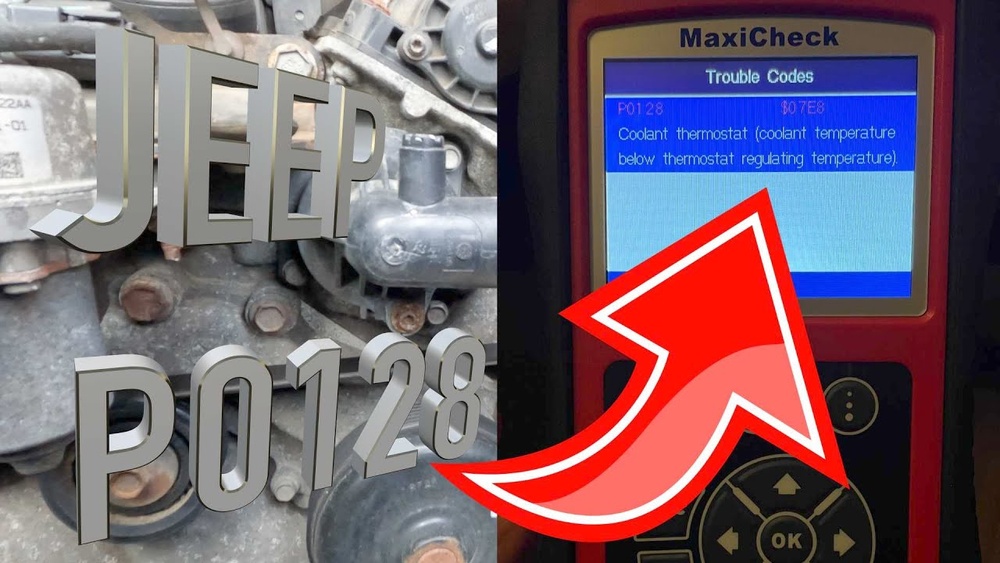
Keep reading to learn exactly what causes the P0128 code in your Jeep Grand Cherokee and what steps you can take to get your engine running smoothly again.
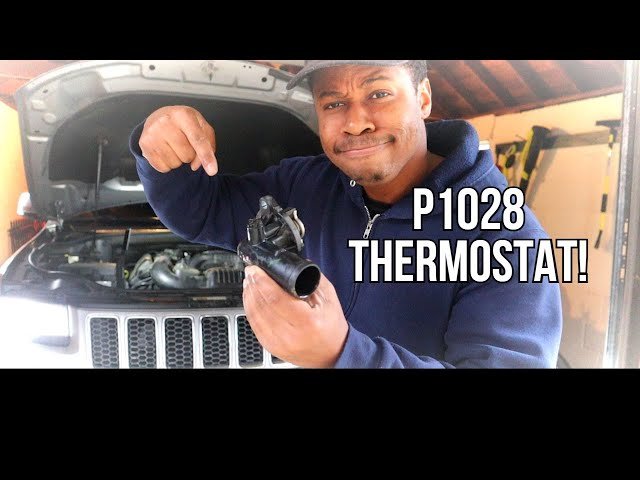
P0128 Code Explained
The P0128 code signals a problem with the engine’s coolant temperature. It means the engine is not warming up to its normal operating temperature fast enough.
This issue can affect your Jeep Grand Cherokee’s performance and fuel efficiency.
Understanding this code helps you know what to check and how to fix it. It often relates to the thermostat or the coolant system.
Fixing it quickly keeps your engine running smoothly and prevents damage.
What The Code Means
The P0128 code means the engine coolant temperature is below the required level. This usually happens when the thermostat is stuck open.
The engine stays too cool, which causes the engine control module (ECM) to detect a problem.
The ECM expects the coolant to reach a specific temperature within a certain time. If it does not, the P0128 code triggers the check engine light.
This code alerts you to a cooling system issue that needs attention.
Effects On Engine Performance
An engine that runs too cool will not perform at its best. Fuel efficiency drops because the engine runs in a rich fuel mixture.
This means more fuel is used than needed, wasting gas.
The heater may blow cold air, making cabin comfort poor. The engine can also produce more harmful emissions. Over time, this can cause damage to engine parts and reduce the life of your Jeep Grand Cherokee.
Common Causes
The P0128 code on a Jeep Grand Cherokee signals that the engine coolant temperature is not reaching the expected level quickly enough. This often means the engine runs cooler than it should. Several common causes lead to this issue. Understanding these helps diagnose and fix the problem faster.
Stuck-open Thermostat
The thermostat controls engine temperature by opening and closing. When stuck open, it lets coolant flow continuously.
This keeps the engine cooler than normal. The engine takes longer to warm up, triggering the P0128 code. Replacing the thermostat usually fixes this issue.
Low Coolant Levels
Coolant keeps the engine at the right temperature. Low coolant means less fluid to absorb heat.
This causes the engine to warm up slowly or not reach the correct temperature. Check the coolant level regularly and refill if needed to avoid this problem.
Faulty Coolant Temperature Sensor
The coolant temperature sensor sends temperature data to the engine control module (ECM). A faulty sensor gives wrong readings.
The ECM then thinks the engine is cooler than it actually is. This triggers the P0128 code. Replacing the sensor often solves this fault.
Wiring And Connection Issues
Damaged wiring or loose connections can disrupt signals from the coolant temperature sensor. This leads to incorrect temperature readings.
Inspect wiring and connectors for damage or corrosion. Repairing these issues restores proper sensor function and clears the code.
Troubleshooting Steps
Troubleshooting the P0128 code on a Jeep Grand Cherokee requires a clear approach. This code means the engine is not reaching its proper temperature quickly enough.
Identifying the root cause helps avoid engine damage and saves money on repairs. Follow these steps carefully to find the issue and fix it.
Using An Obd-ii Scanner
Start by connecting an OBD-II scanner to your Jeep’s port. This tool reads trouble codes and live data from the engine. Check for any stored codes besides P0128. Look at real-time coolant temperature values. Compare them to expected values for your engine’s temperature. This step helps confirm if the sensor or engine is faulty.
Checking Coolant Temperature Readings
Observe the coolant temperature on the scanner during engine warm-up. The temperature should rise steadily.
If the coolant stays too cold, it may point to a thermostat or sensor issue. Also, check the coolant level in the reservoir.
Low coolant can cause incorrect temperature readings and poor heating.
Inspecting Thermostat Function
The thermostat controls when coolant flows through the engine. A stuck-open thermostat lets coolant flow too soon.
This keeps the engine cool and triggers the P0128 code. Remove and test the thermostat by heating it in water.
It should open at the specified temperature. Replace it if it remains open or closed.
Testing Coolant Temperature Sensor
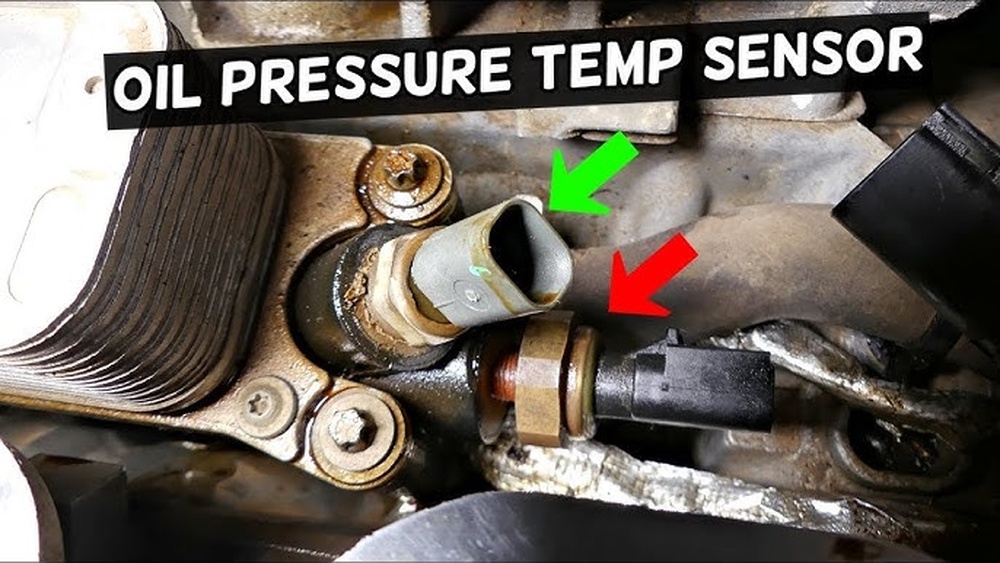
The coolant temperature sensor sends heat data to the engine’s computer. Use a multimeter to check its resistance.
Compare readings to the sensor’s specifications. Faulty sensors give wrong data, causing the engine to run cold.
Replace the sensor if it fails the test. Clear codes after replacement to reset the system.

Quick Fixes
Quick fixes for the P0128 code on your Jeep Grand Cherokee often involve simple steps. These steps can restore the engine’s proper temperature quickly.
Acting fast helps avoid bigger problems and saves money on repairs. Here are three key fixes to try before heading to a mechanic.
Thermostat Replacement Tips
Start by checking the thermostat. A stuck-open thermostat causes the engine to run too cool.
Replace it to let the engine reach the right temperature. Drain some coolant first, but you don’t need to empty the whole system.
Remove the old thermostat and install a new one carefully. Make sure it fits the right way to avoid leaks or overheating.
Coolant Top-up And Flush
Low coolant levels cause poor heating and can trigger the P0128 code. Check the coolant level and add more if it’s low.
Use the correct type of coolant for your Jeep. Flushing the coolant system removes dirt and old coolant.
This keeps the engine running smoothly and prevents temperature issues. Regular coolant maintenance helps avoid future P0128 codes.
Sensor Cleaning And Reconnection
The coolant temperature sensor sends data to the engine’s computer. Dirt or loose wires can cause wrong readings.
Carefully clean the sensor to remove any buildup. Check the wiring and connectors for damage or looseness.
Reconnect the sensor firmly to ensure accurate temperature signals. This small step often clears the P0128 code and fixes the issue.
Preventive Maintenance
Preventive maintenance is key to avoiding the P0128 code on your Jeep Grand Cherokee. This code signals that the engine is not reaching its ideal operating temperature.
Proper care keeps your engine running smoothly and prevents costly repairs. Paying attention to coolant levels, thermostat health, and sensor function can save you time and money.
Regular Coolant Checks
Check coolant levels often to ensure they are within the recommended range. Low coolant can cause the engine to run too cool and trigger the P0128 code.
Look for leaks or discoloration in the coolant. Replace old or dirty coolant as per the Jeep’s maintenance schedule.
Keeping coolant fresh helps maintain the engine’s temperature balance.
Thermostat Inspection Schedule
Inspect the thermostat regularly to confirm it opens and closes properly. A stuck-open thermostat lets coolant flow continuously, keeping the engine too cool.
Replace the thermostat every 50,000 to 100,000 miles or if you notice temperature issues. Proper thermostat function ensures your engine reaches and maintains the right temperature.
Sensor Health Monitoring
Monitor the coolant temperature sensor for accurate readings. A faulty sensor sends wrong data to the engine control module.
This may cause the P0128 code to appear even if the engine temperature is fine. Use an OBD-II scanner to check sensor output during routine maintenance.
Replace the sensor if it shows erratic or incorrect values.
Expert Tips
Handling the P0128 code in your Jeep Grand Cherokee requires careful attention. Expert tips help avoid repeated issues and costly repairs.
Follow clear guidance to keep your engine running smoothly and efficiently.
Avoiding Common Mistakes
Do not ignore the P0128 code. It signals your engine is not reaching the right temperature.
Avoid replacing parts without proper diagnosis. Check the thermostat first, as it often causes this code.
Never skip checking coolant levels. Low coolant can trigger the error.
Use a scan tool to confirm sensor readings. Do not reset the code without fixing the problem. This wastes time and hides underlying issues.
Using Quality Replacement Parts
Choose parts designed for your Jeep Grand Cherokee. Cheap or generic parts may fail quickly.
Always use a thermostat and coolant temperature sensor from trusted brands. Quality parts ensure correct temperature regulation.
They last longer and fit better. Using the right parts prevents the P0128 code from returning.
Avoid mixing old and new components during repairs. This can cause system imbalances and errors.
When To Seek Professional Help
Some repairs need expert skills and tools. If you cannot access the thermostat or sensor easily, ask a mechanic.
Complex engine issues require professional diagnosis. Mechanics use advanced scanners to read live engine data.
They spot hidden faults beyond simple fixes. Seek help if your check engine light stays on after repairs.
Professionals ensure your Jeep runs safely and efficiently. Don’t delay if your engine overheats or runs cold.
Conclusion
The P0128 code on a Jeep Grand Cherokee means the engine is running too cool. This usually points to a stuck-open thermostat or low coolant.
Checking the coolant temperature sensor and coolant levels helps find the problem. Use an OBD-II scanner to read live data for accurate diagnosis.
Fixing the issue keeps the engine at the right temperature. This improves performance and fuel efficiency.
Regular maintenance can prevent this code from returning. Stay on top of your Jeep's cooling system to avoid engine trouble.