If you’ve seen the P0153 code pop up on your Jeep’s dashboard, you’re probably wondering what it means and how it affects your ride.
This code signals an issue with your vehicle’s oxygen sensor circuit, which can lead to rough idling, decreased fuel economy, and that annoying check engine light staying on.
Don’t ignore it understanding what causes this problem and how to fix it can save you from costly repairs down the road. You’ll discover the symptoms, common causes, and straightforward steps to get your Jeep running smoothly again.
Keep reading to take control of your Jeep’s health and drive with confidence.

P0153 Code Basics
Diagnosing the P0153 code on a Jeep requires careful steps. This code points to an issue with the oxygen sensor’s circuit, often related to its heater. Proper diagnosis helps avoid unnecessary part replacements.
Focus first on reading the trouble codes, then inspect the wiring and sensor heater. Each step narrows down the cause and guides the repair process.
Reading Trouble Codes Without A Scanner
Turn the ignition key from OFF to ON three times quickly. Leave it in the ON position after the third turn. Watch the dashboard odometer for flashing codes.
The code P0153 should appear as a series of flashes. Count the flashes carefully to confirm the code. This method works without special tools.
Inspecting Sensor Wiring
Look for melted, frayed, or broken wires near the oxygen sensor. Check the connectors for corrosion or dirt. Clean any dirty connectors with electrical cleaner.
Ensure all wires are secure and not loose. Damaged wiring can cause false sensor readings or heater failure. Repair or replace faulty wiring as needed.
Checking Sensor Heater Function
The oxygen sensor has a heater to reach its operating temperature quickly. Use a multimeter to check the heater circuit’s resistance. Compare the reading to the sensor’s specifications.
If the resistance is out of range, the heater may be faulty. A bad heater causes the sensor to respond slowly, triggering the P0153 code.
Replace the sensor if the heater fails this test.
Signs Of Oxygen Sensor Issues
Fixing the oxygen sensor issue in your Jeep is important for optimal engine performance. The P0153 code usually points to a problem with the oxygen sensor circuit.
This sensor helps control the air-to-fuel mixture for better fuel efficiency and reduced emissions. Ignoring this issue may lead to poor engine running and higher fuel consumption. practical steps to resolve this problem effectively.
Replacing The Oxygen Sensor
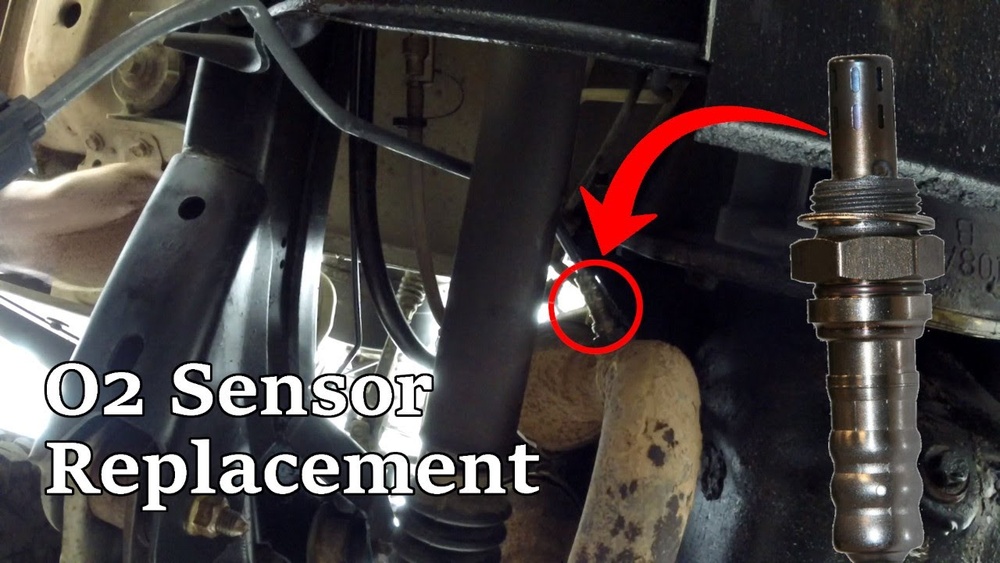
Start by identifying the faulty oxygen sensor. Use an OBD-II scanner to confirm the sensor location. Disconnect the electrical connector and remove the old sensor with a wrench. Install a new, compatible oxygen sensor carefully. Tighten it securely but avoid over-tightening. Reconnect the wiring harness and clear the error codes. This step often solves the issue quickly.
Repairing Wiring And Connectors
Inspect the sensor wiring for damage like frays or corrosion. Damaged wires can cause poor signals and trigger the P0153 code.
Clean corroded connectors with electrical contact cleaner. Replace any broken wires or connectors using proper tools.
Secure the wiring to prevent future wear. Good electrical connections ensure accurate sensor readings.
Addressing Exhaust Leaks
Check for exhaust leaks near the oxygen sensor. Leaks allow extra air to enter, causing wrong sensor readings.
Look for holes, cracks, or loose joints in the exhaust system. Repair any leaks using exhaust repair kits or professional welding.
Fixing leaks helps restore correct sensor function and engine efficiency.
Conclusion
The P0153 code in your Jeep often points to oxygen sensor issues. Addressing it quickly helps avoid poor fuel economy and engine problems.
Check the wiring and sensor condition to fix the problem. Replacing a faulty sensor usually solves the issue.
Clearing the code after repair ensures your Jeep runs smoothly. Regular maintenance can prevent this error from returning.
Stay attentive to warning lights for safe driving. Simple steps keep your Jeep reliable and efficient on the road.