The rugged charm of the open Jeep four wheel drive 1980 model still turns heads decades later. These vehicles combined a raw, mechanical feel with practical off-road abilities that made them favorites among adventure seekers, rural workers, and collectors. If you’ve ever wondered why the open Jeep of this era holds such a special place in automotive history, or if you’re considering restoring or buying one, this guide will walk you through everything that matters.
What Made The 1980 Open Jeep Four Wheel Drive Unique?
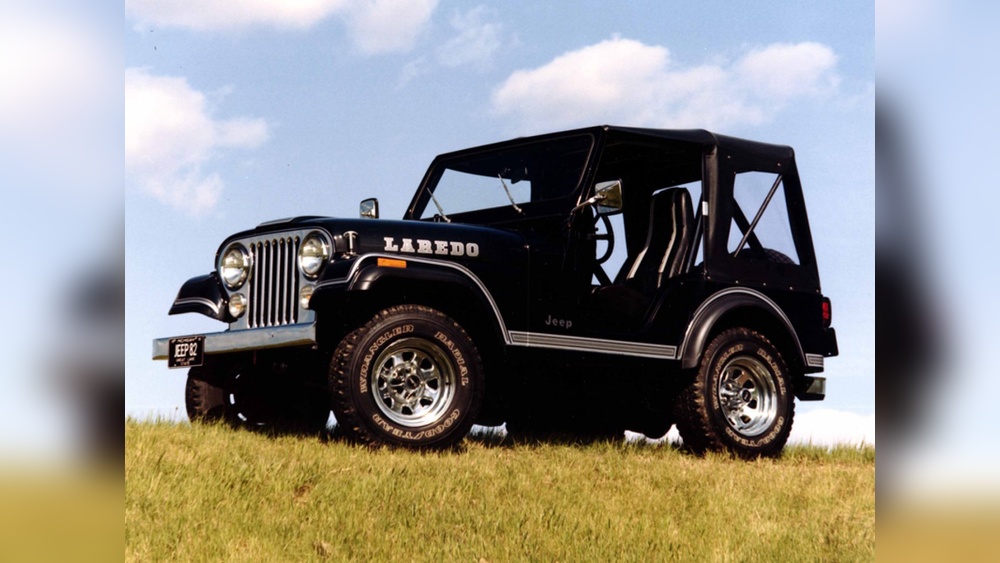
In the late 1970s and early 1980s, the world was changing. But some things remained the same: the Jeep brand’s commitment to building tough, reliable vehicles. The open Jeep from 1980 captured that spirit. It featured exposed metal, removable soft or hard tops, and a design that prioritized function over luxury. You could drive it with the top off, windshield down, and feel every bump in the road—or off it.
Several things made the 1980 model stand out:
- Simple mechanics: Most systems were easy to repair, even by non-experts.
- Boxy design: The look was iconic and easy to recognize.
- Part-time four wheel drive: Drivers could switch between 2WD and 4WD, making it flexible for both street and trail.
Many of these Jeeps were based on the CJ (Civilian Jeep) series, especially the CJ-5 and CJ-7 models. Their military roots were clear in the tough steel construction and no-nonsense interior.
Key Features And Specifications
Understanding the specs helps you see why the 1980 open Jeep is so beloved.
| Feature | CJ-5 | CJ-7 |
|---|---|---|
| Engine Options | 2.5L I4, 4.2L I6 | 2.5L I4, 4.2L I6, 5.0L V8 (rare) |
| Transmission | 3-speed manual, 4-speed manual | 3-speed auto, 4-speed manual |
| Wheelbase | 83.5 in (212 cm) | 93.4 in (237 cm) |
| Doors/Top | Removable soft/hard top | Removable soft/hard top |
| 4WD System | Part-time Dana 20 or 300 | Part-time Dana 300 |
Ground clearance was around 8 inches, enough for most trails. The curb weight ranged from about 2,800 to 3,200 lbs, which kept them light and maneuverable. Fuel economy was modest—expect 13-18 mpg, depending on engine choice and driving conditions.
Driving Experience: On Road And Off
The 1980 open Jeep’s driving experience is very different from modern SUVs. Here’s what stands out:
- Manual steering and brakes: Most models didn’t have power steering or brakes, which means more driver effort.
- Solid axles front and rear: This design gave strength and articulation but made handling less smooth on pavement.
- Noisy ride: With the top off, you heard everything: wind, engine, road, and nature.
But once you left the city behind, the Jeep came alive. The part-time four wheel drive system let you shift into 4WD for mud, snow, rocks, and sand. A simple lever on the floor engaged the front axle. Many models had manual locking front hubs for extra durability. This made them almost unstoppable on rough ground.
One non-obvious insight: the short wheelbase made these Jeeps easy to turn and maneuver on tight trails, but it also made them less stable at high speeds. Owners learned quickly to respect the limits, especially on highways with crosswinds.
Comparison: 1980 Open Jeep Vs. Modern 4wd Suvs
How does the classic 1980 open Jeep compare to today’s popular four wheel drive SUVs? Here’s a quick look:
| Aspect | 1980 Open Jeep | Modern 4WD SUV |
|---|---|---|
| Comfort | Basic, noisy, bouncy | Quiet, smooth, climate control |
| Safety | No airbags, simple seatbelts | Airbags, ABS, stability control |
| Off-Road Ability | Excellent, pure mechanical | Very good, electronic assists |
| Maintenance | DIY-friendly, few electronics | Complex, more dealer visits |
| Fuel Economy | 13-18 mpg | 18-25 mpg or better |
The old Jeep wins for simplicity and raw fun, but it loses when it comes to comfort and safety. Modern SUVs are much easier for daily commuting, but they rarely match the classic’s open-air feeling.
Popular Models And Variations
In 1980, the most popular open Jeep models were the CJ-5 and CJ-7. Both were descendants of the original military Jeeps used in World War II, but the CJ-7 had a longer wheelbase and a more comfortable ride. Some differences:
- The CJ-5 was shorter, more nimble, but cramped for tall drivers.
- The CJ-7 offered more legroom, a bit more cargo space, and optional automatic transmission.
- Rare special editions like the Laredo or Golden Hawk added chrome, unique decals, and upgraded seats.
You could also buy the Scrambler (CJ-8), which was a longer, pickup-style version introduced in 1981 (but some late 1980 models exist).
One thing beginners miss: the VIN (vehicle identification number) on these Jeeps can tell you engine type, plant location, and build year. Checking this helps you avoid buying a model that’s been misrepresented.
Common Problems And Maintenance
The 1980 open Jeep is tough, but age brings issues. Here are some common problems and solutions:
- Rust: Frame and body rust are the biggest enemies. Check under the floor, rocker panels, and frame rails.
- Electrical gremlins: Simple wiring, but old connections can corrode. Cleaning contacts and replacing wires is common.
- Leaky gaskets: Oil leaks from the engine and transmission are frequent but usually easy to fix.
- Steering play: Worn steering boxes and linkages can make the Jeep wander on the road.
- Brakes: Drum brakes fade quickly on hills. Upgrades to disc brakes are popular.
Many owners do their own repairs. Parts are widely available, and the mechanical simplicity means you don’t need expensive tools. However, don’t underestimate the time and patience required for a proper restoration.

Restoration: What To Look For
If you’re thinking about restoring a 1980 open Jeep, keep these tips in mind:
- Check for original parts: Many have been modified over the years. Original gauges, seats, and wheels are more valuable.
- Frame integrity: Surface rust is common, but deep rust or cracks are a deal-breaker for safety.
- Engine health: Listen for knocks, smoke, or oil pressure problems. The 4.2L inline-six is reliable but needs regular oil changes.
- Title and paperwork: Make sure the VIN matches the title. Stolen or “Frankenstein” Jeeps (built from many parts) can cause legal headaches.
One often-overlooked detail: the transfer case. Some models came with the Dana 20, others with the stronger Dana 300. The Dana 300 is more durable and sought after by off-roaders.
Driving An Open Jeep Today: Practicalities And Legalities
Taking a 1980 open Jeep on the road today is possible, but there are a few things to know:
- Emissions regulations: Some states require older vehicles to pass emissions tests; others offer exemptions for classics.
- Safety laws: You may need to add seatbelts or other upgrades to meet local laws.
- Insurance: Many insurers offer special rates for classic vehicles, but you may have mileage limits.
Modern tires and brakes can improve safety without ruining the classic look. However, the ride will always be “old school” expect road feel, wind, and noise.

Collectibility And Market Value
Interest in classic open Jeeps has grown in recent years. Prices depend on condition, originality, and model. Here’s a snapshot of the market:
| Condition | Typical Price Range (USD) |
|---|---|
| Project (needs work) | $4,000 – $8,000 |
| Good driver | $10,000 – $16,000 |
| Restored/show quality | $18,000 – $30,000+ |
Special editions, original paint, and rare options (like the T-18 four-speed manual) can increase value. As with any classic, buying documentation and maintenance records is wise.
Why Enthusiasts Still Love The 1980 Open Jeep
The loyalty for the 1980 open Jeep four wheel drive isn’t just nostalgia. Owners point to:
- Mechanical connection: You feel every input—steering, shifting, and acceleration.
- Go-anywhere spirit: Few vehicles combine open-air freedom and true off-road ability.
- Endless custom options: Lift kits, bigger tires, winches, and more—customization is part of the fun.
- Community: Jeep clubs and online forums are welcoming and helpful for both beginners and experts.
A less obvious reason: parts interchangeability. Many Jeep parts from the 1970s and 1980s fit across models, making repairs and upgrades easier than with most classic vehicles.
What Engines Were Available In The 1980 Open Jeep?
Most 1980 open Jeeps came with either a 2.5L inline-four or the 4.2L inline-six engine. A small number had the 304 cubic inch (5.0L) V8, but this was rare. The inline-six is known for its durability and strong torque, making it a favorite among restorers.
Is The 1980 Open Jeep Four Wheel Drive Good For Daily Driving?
While you can drive one daily, it lacks modern comforts and safety features. Expect a noisy, bouncy ride, manual controls, and basic heating or ventilation. For city driving or long highway trips, most people prefer a newer SUV. However, for short trips, weekend fun, or rural work, it’s still very practical.
How Hard Is It To Find Parts For The 1980 Open Jeep?
Parts are widely available. Many companies make new old stock (NOS) and reproduction parts for these Jeeps. Online forums and Jeep specialty shops are good resources. One tip: always double-check compatibility, as some parts changed mid-year.
Can I Legally Drive A 1980 Open Jeep With No Doors Or Roof?
In many US states, it’s legal to drive without doors or roof, but you must have side mirrors and seatbelts. Laws vary, so check your local vehicle code. For example, California and Texas allow doorless Jeeps, but some states require at least one outside mirror.
Where Can I Learn More About The History Of The 1980 Open Jeep?
A great resource is the official Jeep history page at Jeep.com, which covers the evolution of the CJ series and its military roots. Enthusiast forums and books like “Jeep: The History of America’s Greatest Vehicle” also offer in-depth stories and technical details.
The 1980 open Jeep four wheel drive remains a symbol of freedom, adventure, and mechanical simplicity. Whether you’re restoring one, searching for a survivor, or just dreaming of open roads, this classic still delivers a unique driving experience you won’t find anywhere else.