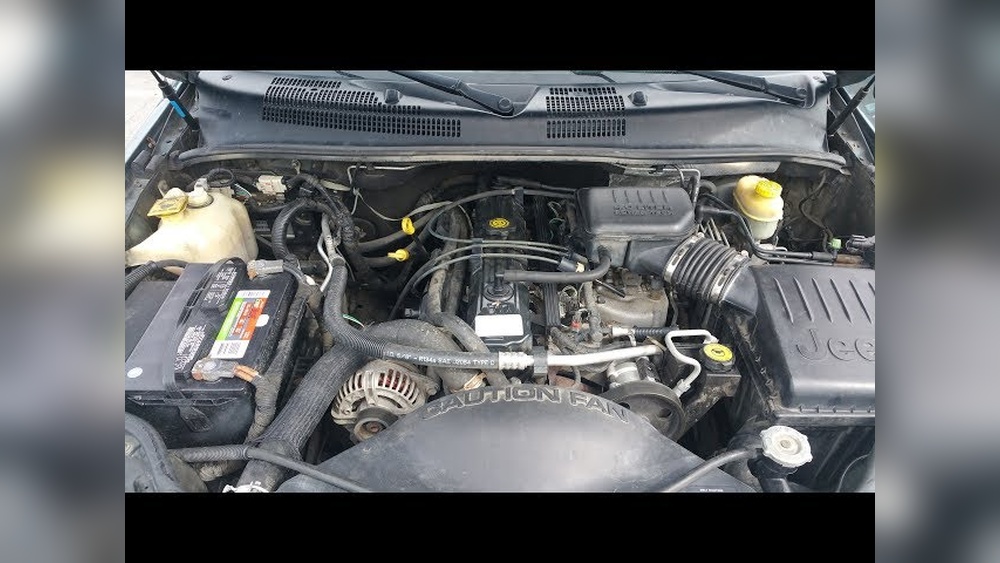
Changing the oil in your 2015 Jeep Grand Cherokee is one of the simplest ways to extend its life and keep the engine running smoothly. Many owners pay for oil changes at service centers, but doing it yourself can save money and give you a better understanding of your vehicle.
This guide explains how to change the oil, what tools you need, and shares tips to help you avoid common mistakes.
Why Regular Oil Changes Matter
Oil is the lifeblood of your engine. It lubricates moving parts, helps control temperature, and keeps the engine clean. For a 2015 Jeep Grand Cherokee, most experts recommend changing the oil every 5,000 to 7,500 miles if using synthetic oil. Neglecting oil changes can lead to engine wear, reduced performance, and even costly engine failure.
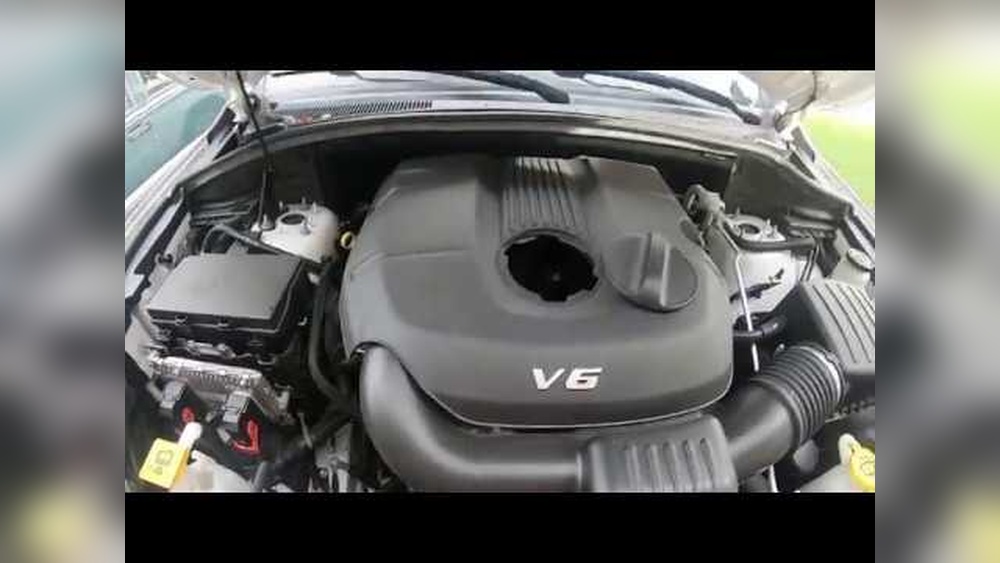
What You Need For An Oil Change
Before you start, gather these items:
- New oil: 5.9 quarts of 5W-20 synthetic oil
- New oil filter: Check your manual or ask at the parts store for the correct model
- Oil filter wrench
- Socket set (usually 13mm or 15mm)
- Drain pan
- Funnel
- Gloves and rags
- Jack and jack stands (if needed for clearance)
A tip many beginners miss: Always double-check the oil filter and oil type. Using the wrong filter or oil can cause leaks or engine damage.
Step-by-step Oil Change Process
Follow these steps for a safe and clean oil change.
- Warm up the engine for a few minutes. Warm oil drains better.
- Park on a level surface and turn off the engine. Engage the parking brake.
- Lift the front of the Jeep if needed. Secure with jack stands.
- Place the drain pan under the oil pan bolt.
- Use a socket to remove the drain plug. Let oil drain completely (usually 5-10 minutes).
- Replace the drain plug and tighten it. Don’t over-tighten—this can strip the threads.
- Remove the old oil filter with the filter wrench. Some oil will spill, so keep the pan under it.
- Lubricate the new filter’s gasket with a little new oil. Install the filter by hand until snug, then give it another 3/4 turn.
- Add new oil using the funnel. Pour in 5.9 quarts of 5W-20 synthetic oil.
- Start the engine and let it run for 30 seconds. Check for leaks around the filter and drain plug.
- Turn off the engine, wait a minute, and check the oil level with the dipstick. Add oil if needed.
Common Mistakes And How To Avoid Them
Many first-timers make small errors that can be costly. Here are the top mistakes and how to prevent them:
- Over-tightening the drain plug: This can damage the oil pan. Tighten just until snug.
- Forgetting to lubricate the filter gasket: This can cause leaks.
- Using the wrong oil or filter: Always check the owner’s manual.
- Not checking for leaks: After finishing, always inspect for drips under the car.
A practical tip: Save your receipts and note the mileage and date of each oil change. This helps with warranty claims and resale value.
Oil Change Cost: Diy Vs. Service Center
Here’s a quick comparison to help you decide whether to do it yourself or visit a service center.
| Option | Average Cost | Time Needed |
|---|---|---|
| DIY | $35–$55 | 45–60 minutes |
| Service Center | $70–$110 | 30–45 minutes |
Doing it yourself saves money, but requires tools and basic skills. Service centers are faster and may offer checks for other issues.
Choosing The Right Oil And Filter
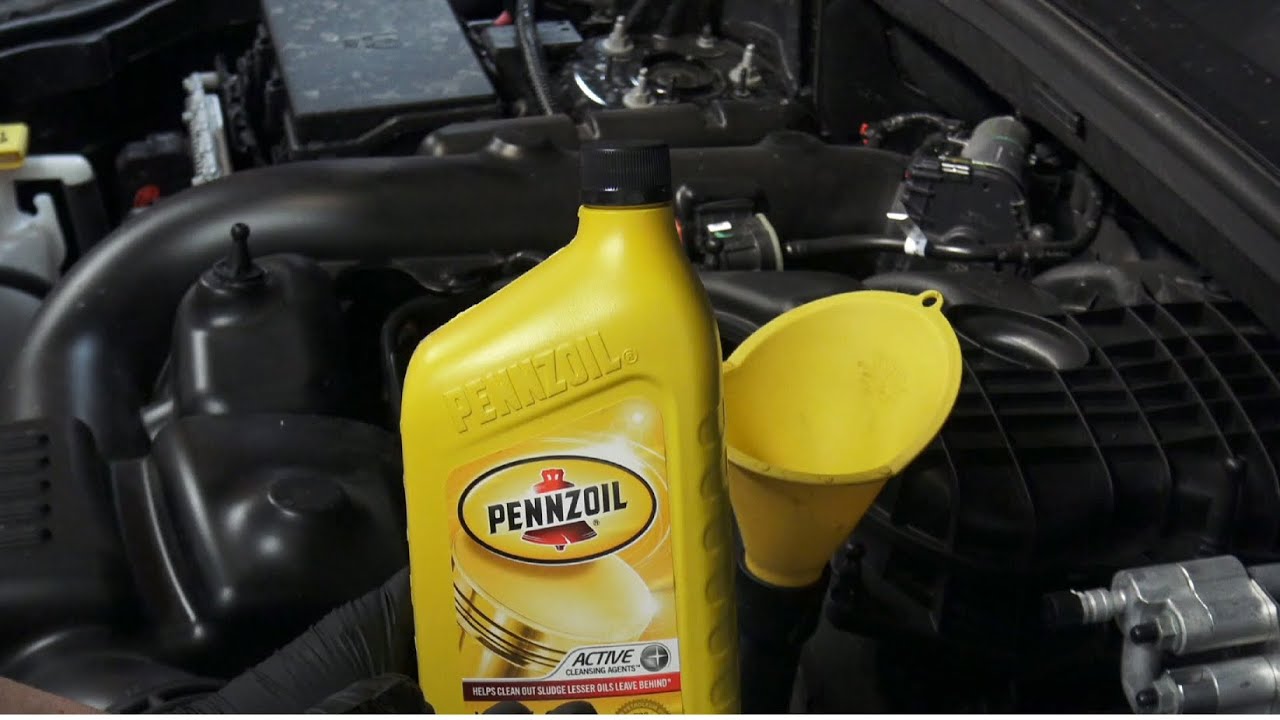
The 2015 Jeep Grand Cherokee with a V6 or V8 engine works best with 5W-20 fully synthetic oil. Using synthetic oil helps with:
- Better engine protection
- Longer oil life
- Improved fuel economy
When picking a filter, choose brands known for quality, such as Mopar, Bosch, or Fram. Cheap filters may save money now, but can cause problems later.
Here’s a quick look at popular oil brands:
| Brand | Typical Price (5 qt.) | Performance |
|---|---|---|
| Pennzoil Platinum | $30 | Excellent |
| Mobil 1 | $28 | Very Good |
| Valvoline Advanced | $25 | Good |
How To Dispose Of Used Oil
Never pour used oil down a drain or onto the ground. Most auto parts stores and recycling centers accept used oil for free.
Store old oil in the empty oil container and drop it off as soon as possible. Proper disposal protects the environment and is often required by law.
Signs Your Jeep Needs An Oil Change
If you’re not tracking mileage, look for these signs:
- Oil change light or check engine light comes on
- Engine sounds louder or rougher than normal
- Oil looks dark and dirty on the dipstick
- You smell burnt oil inside or outside the car
If you notice any of these, change your oil soon—even if your last change was recent.