When you see “80 psi” written on your Jeep tires, it’s easy to wonder what this number actually means. Many Jeep owners get confused, especially if the number seems much higher than what they expect.
Understanding tire pressure is important for both your safety and your vehicle’s performance.
Let’s break down what you need to know about the “80 psi” label and how it affects your Jeep driving experience.
What Does “80 Psi” On Jeep Tires Mean?
The “80 psi” on your tire sidewall is the maximum cold inflation pressure. This is the highest amount of air pressure the tire can safely hold when it’s cold. It is not the recommended pressure for normal driving. Most passenger vehicles, including Jeeps, do not run their tires anywhere near this high.
For example, if you check your Jeep’s manual or the sticker inside the driver’s door, you’ll probably see a recommended tire pressure between 30–40 psi. The 80 psi number is there mainly for special uses, such as heavy towing or carrying a full load.
Why Do Some Jeep Tires Say 80 Psi?
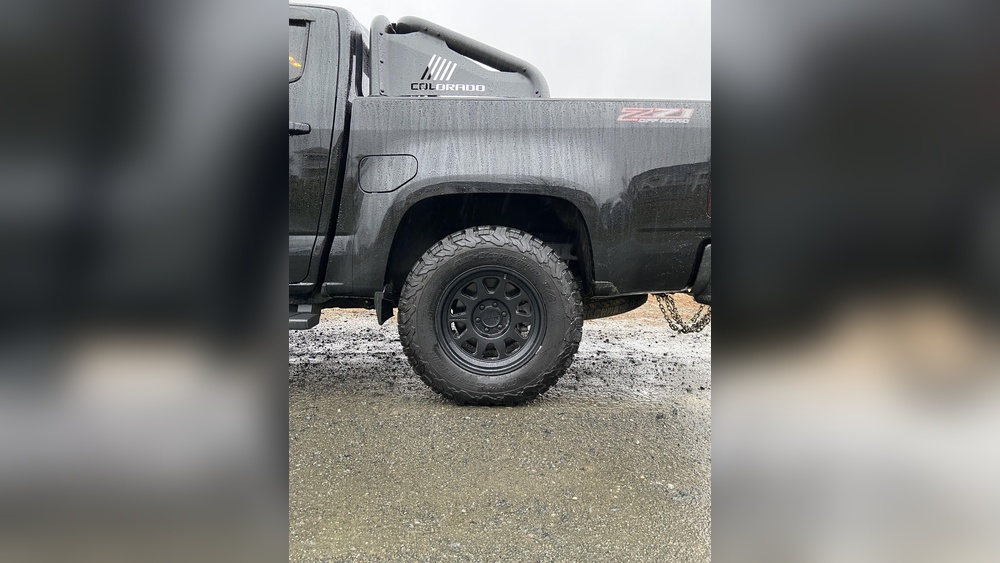
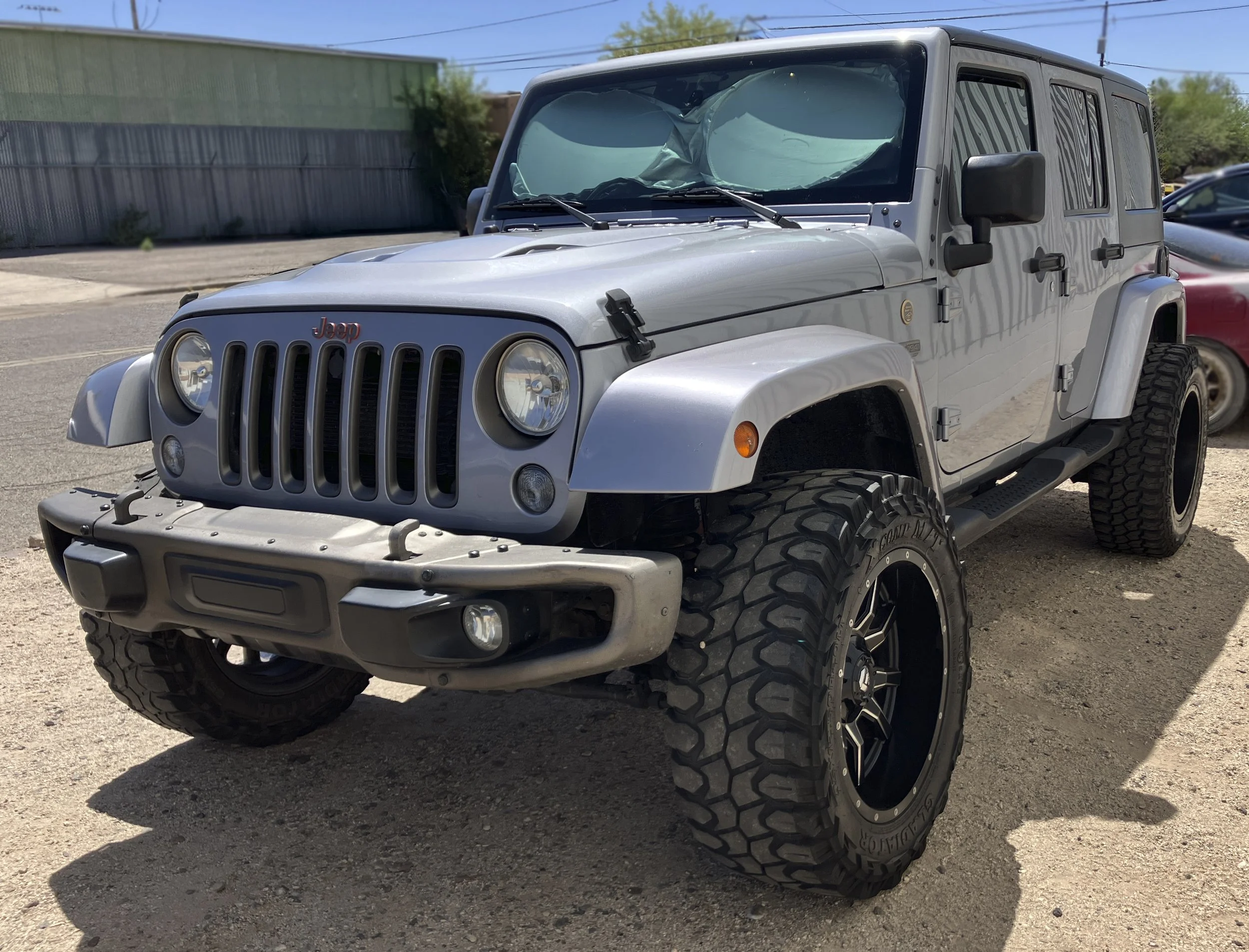
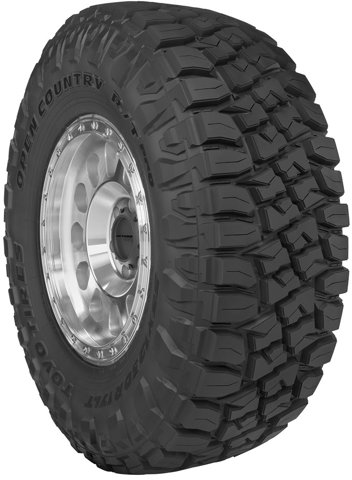
Not all Jeep tires have this high maximum pressure. Some Jeeps, especially heavy-duty models or those used for towing, may come with “E-rated” or “Load Range E” tires. These tires are built for trucks and can handle more weight. That’s why their sidewall shows 80 psi.
Regular all-terrain or highway tires for Jeeps usually show a lower maximum—often 44 or 50 psi. Only heavy-duty, truck-style tires need the 80 psi maximum.
Should You Inflate Your Jeep Tires To 80 Psi?
In most cases, no. The 80 psi rating is not for everyday driving. Overinflating your tires to this level can cause:
- Rough ride: Your Jeep will feel much harder and less comfortable.
- Reduced grip: Tires can’t flex or grip the road properly.
- Uneven tire wear: Center of the tire wears out faster.
- Increased stopping distance: Less rubber contacts the road.
You should always follow your Jeep’s recommended tire pressure, which you’ll find in the owner’s manual or inside the door.
How To Check The Correct Tire Pressure
- Open the driver’s side door and look for a white or yellow sticker.
- Find the “Tire and Loading Information” section.
- Note the recommended psi for front and rear tires.
- Use a tire pressure gauge to check your tires when cold (before driving).
If you have upgraded to heavy-duty tires, check with a tire shop or your Jeep dealer for the right pressure for your setup.
Common Misunderstandings About Jeep Tire Psi
Many Jeep owners think the number on the sidewall is the recommended pressure. This mistake can lead to overinflated tires. Here are two insights that most people miss:
- Tire pressure should be set based on the vehicle, not the tire’s max rating.
- Tire psi can change with temperature. For every 10°F change, tire pressure moves by about 1 psi.
Jeep Tire Pressure For Different Uses
Your driving needs can change the right tire pressure:
- Daily driving: Use the pressure Jeep recommends (usually 33–37 psi).
- Heavy towing: You may increase pressure, but rarely to 80 psi. Check with your manual or a tire professional.
- Off-roading: Lower your tire pressure to increase grip (sometimes down to 18–22 psi). Remember to inflate back before highway driving.
Comparing Tire Psi For Different Jeep Models
Here’s a quick look at common Jeep models and their usual tire pressure recommendations.
| Jeep Model | Stock Tire PSI (Front) | Stock Tire PSI (Rear) | Max Tire PSI (Sidewall) |
|---|---|---|---|
| Wrangler Sport | 35 psi | 35 psi | 50 psi |
| Grand Cherokee | 36 psi | 36 psi | 51 psi |
| Gladiator (with E-rated tires) | 37 psi | 37 psi | 80 psi |
How Tire Pressure Affects Your Jeep
Tire pressure impacts:
- Ride comfort
- Fuel economy
- Tire life
- Braking distance
For example, running your tires at 80 psi when the recommended is 35 psi can shorten their life by up to 25%, and increase stopping distance by 10–20%.
Real-world Example
A Jeep Gladiator owner swapped to E-rated tires for towing a heavy trailer. He noticed the sidewall read 80 psi, but his Jeep recommended 37 psi. He set his tires to 80 psi and found the ride rough and handling poor. After returning to 37 psi, the ride improved, and the tires wore evenly.
Tire Load Rating And Psi
The load rating works together with tire pressure. Higher psi allows the tire to carry more weight. But unless you are hauling close to your Jeep’s maximum load, inflating to the tire’s maximum psi is not necessary.
| Load Range | Max PSI | Typical Use |
|---|---|---|
| C | 50 psi | Light trucks, SUVs |
| D | 65 psi | Heavy-duty SUVs |
| E | 80 psi | Towing, commercial vehicles |
Practical Tips For Jeep Tire Psi
- Always check pressure when tires are cold.
- If carrying a full load or towing, consult your manual for adjustments.
- Never exceed the pressure listed on your tire’s sidewall.
- Replace the valve cap to keep dirt out.
How Tire Pressure Changes With Temperature
Colder air makes pressure drop, while heat increases it. This is why your tires may look underinflated in winter mornings.
Check your pressure monthly and adjust as the seasons change.
Tools You Need
A simple digital tire gauge costs under $20 and gives an accurate reading. Many gas stations have air pumps, but these can be less precise.
When To Seek Professional Help
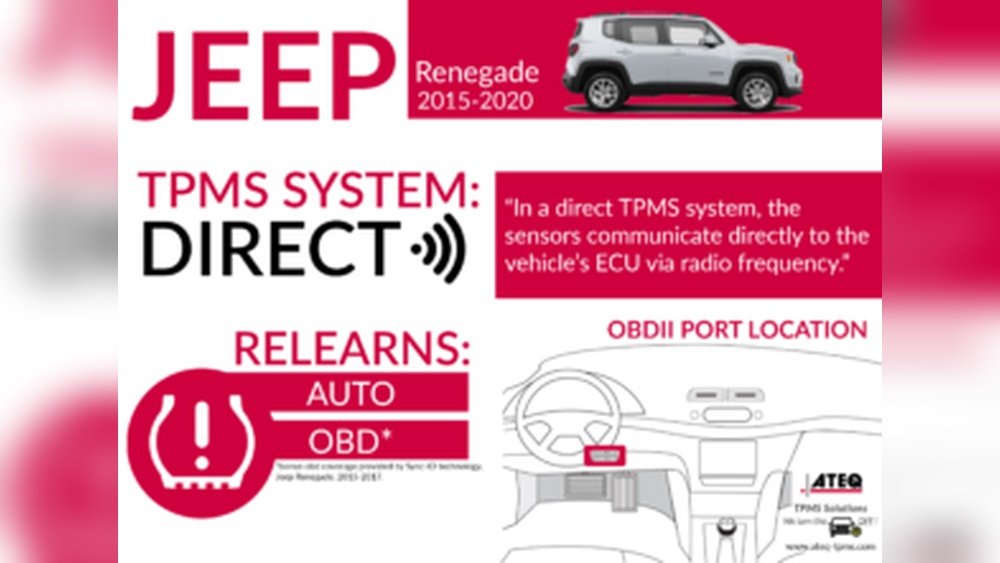
If your Jeep feels unstable, or the Tire Pressure Monitoring System (TPMS) light stays on after adjusting, visit a tire shop. They can check for leaks or sensor problems.