You want a Jeep that won’t leave you stranded on a trail or in a parking lot. But Jeep’s reputation is split right down the middle, between diehard loyalty and constant repair bills, and most “best Jeep” lists don’t explain why.
Here’s the honest answer: reliability in a Jeep comes down almost entirely to the specific engine and model year under the hood, not the badge on the grille, and a handful of generations stand well above the rest.
What Actually Makes A Jeep Reliable
Star ratings and generic “best of” lists don’t tell the whole story. A Jeep’s real reliability comes down to a few concrete things, not marketing copy or a single aggregated number.
Engine simplicity matters more than horsepower. Fewer sensors and less complex emissions equipment mean fewer parts that can fail over 150,000 miles.
Electrical architecture is the other half of the equation. Older Jeeps with basic wiring harnesses tend to outlast newer ones loaded with touchscreens, sensors, and control modules.
Maintenance history decides the rest. Even the toughest Jeep engine will fail early if fluids, belts, and cooling systems get ignored for tens of thousands of miles.
Below, we’ll break this down engine by engine and then model by model, since that’s the level of detail that actually predicts whether a specific Jeep will hold up.
Jeep Engines, Ranked By Real-World Toughness
Two Jeeps with the same nameplate can have wildly different reliability records depending on what’s under the hood. Here’s how the major Jeep engines stack up.
AMC 4.0L Inline-Six: The Gold Standard
Ask any long-time Jeep owner which engine they trust most, and you’ll hear the same answer: the AMC 4.0L inline-six. It’s the closest thing Jeep ever built to unbreakable.
This engine powered the Jeep Cherokee XJ (1984 to 2001) and the Jeep Wrangler TJ (1997 to 2006). Owner communities on Reddit and Jeep forums routinely report these trucks crossing 250,000 miles on factory internals.
The XJ Cherokee in particular earned a reputation as a “mechanical cockroach.” It’s mechanically simple, cheap to fix, and forgiving of neglect in a way no modern Jeep is.
If you’re cross-shopping a classic XJ or TJ, treat any listing claiming zero issues with skepticism. Minor oil seepage and interior wear are normal at this mileage, not red flags.
3.6L Pentastar V6: Above Average, With Known Weak Points
The 3.6L Pentastar V6 has powered Wranglers, Grand Cherokees, and Gladiators since 2011, and it’s genuinely a durable engine overall.
Multiple independent sources, from CarBuzz to owner forums, describe it as above-average and capable of clearing 200,000 to 250,000 miles with basic care.
That said, it has a handful of well-documented weak points worth knowing before you buy:
- Plastic oil filter housing cracks. The factory housing warps from heat cycling and leaks oil and coolant into the engine valley over time. Many owners swap to an aftermarket aluminum housing as a preventive fix.
- Rocker arm and lifter ticking. Needle bearings on the rocker arms can wear out, causing a distinct top-end tick. Left alone, it can chew up camshaft lobes and turn into an expensive valvetrain job.
- 2011 to 2013 cylinder head defect. Early Pentastars used soft valve seats that could trigger misfires and check engine lights. Chrysler redesigned the head in late 2012, so this is rare on 2014-and-newer builds.
- Cooling system sand clogs. Residual casting sand from the block manufacturing process can occasionally dislodge and clog the heater core or radiator.
None of these are dealbreakers on their own. But they’re exactly why shorter oil change intervals, around 4,000 to 5,000 miles instead of the extended monitor interval, matter more on a Pentastar than most owners assume.
3.0L EcoDiesel: Capable, But Maintenance-Sensitive
The 3.0L EcoDiesel V6, offered in Grand Cherokee and later Wrangler and Gladiator trims, delivers strong towing torque and highway mileage.
It has a smaller but real base of owner complaints tied to emissions hardware, particularly the EGR and DEF systems.
Diesel Jeeps reward strict maintenance discipline and punish owners who skip fluid and filter intervals. If you’re not planning to stay on top of DEF top-offs and emissions service, a gas Pentastar is the lower-maintenance choice.
2.0L Turbo Inline-Four: Newer, Still Building A Track Record
The turbocharged 2.0L four-cylinder, available in newer Wrangler and Grand Cherokee trims, is still relatively new to the fleet.
Early data suggests solid performance, but it hasn’t accumulated the decade-plus of high-mileage owner reports that the 4.0L and Pentastar have.
If long-term reliability data matters more to you than fuel economy or power, the Pentastar V6 remains the safer bet until the turbo-four has more miles behind it.
Most Reliable Jeep Models, Generation By Generation
Not everyone wants a 20-year-old SUV with manual windows. Here’s how each major Jeep model line breaks down by generation, based on which years owners consistently trust.
| Model & Generation | Years | Why It Holds Up |
|---|---|---|
| Wrangler TJ | 1997 to 2006 | 4.0L I6 option, minimal electronics, easiest Jeep to DIY-repair |
| Wrangler JK | 2012 to 2017 | Mature 3.6L Pentastar, sorted-out steering and interior electronics by the final years |
| Wrangler JL | 2018 to present | Pentastar continues the JK’s track record; skip early 4xe hybrid builds for now |
| Grand Cherokee WK2 | 2014 to 2021 | Later years resolved the WK2’s early air suspension and infotainment complaints |
| Cherokee KL | 2019 to 2023 | Post-refresh KL addressed the 9-speed transmission hesitation owners flagged early on |
| Gladiator JT | 2020 to present | Shares the Wrangler JL’s proven Pentastar and drivetrain in a truck body |
Jeep Wrangler: TJ, JK, and JL
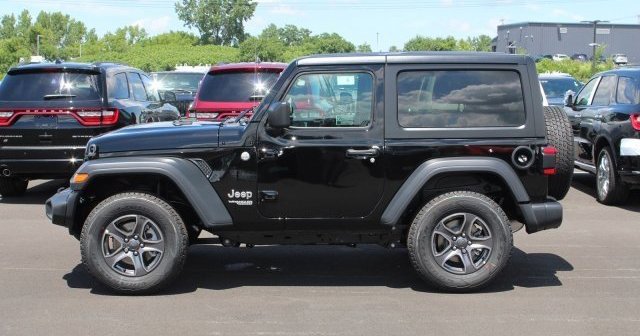
The 2017 Wrangler JK gets singled out often in owner discussions as the peak of that generation. It paired a proven Pentastar with a decade of small fixes, without adding the touchscreen complexity of newer trims.
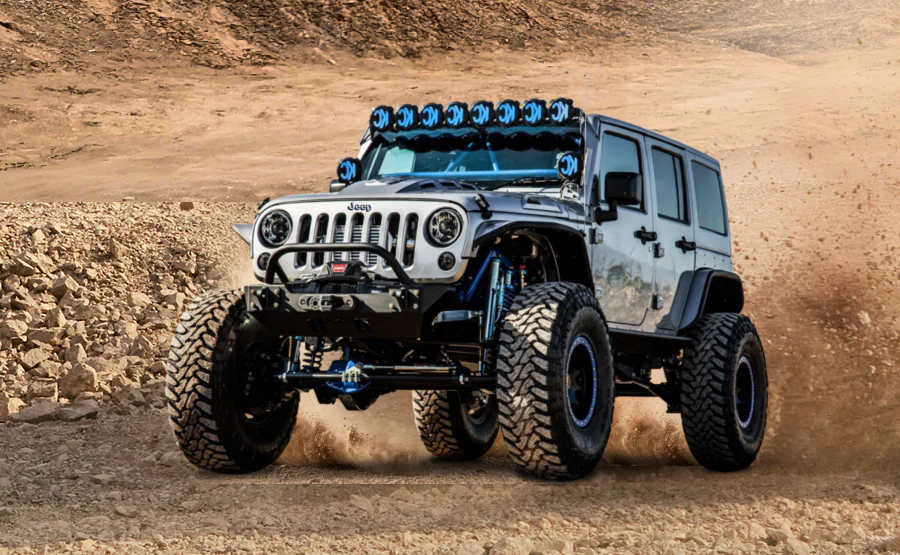
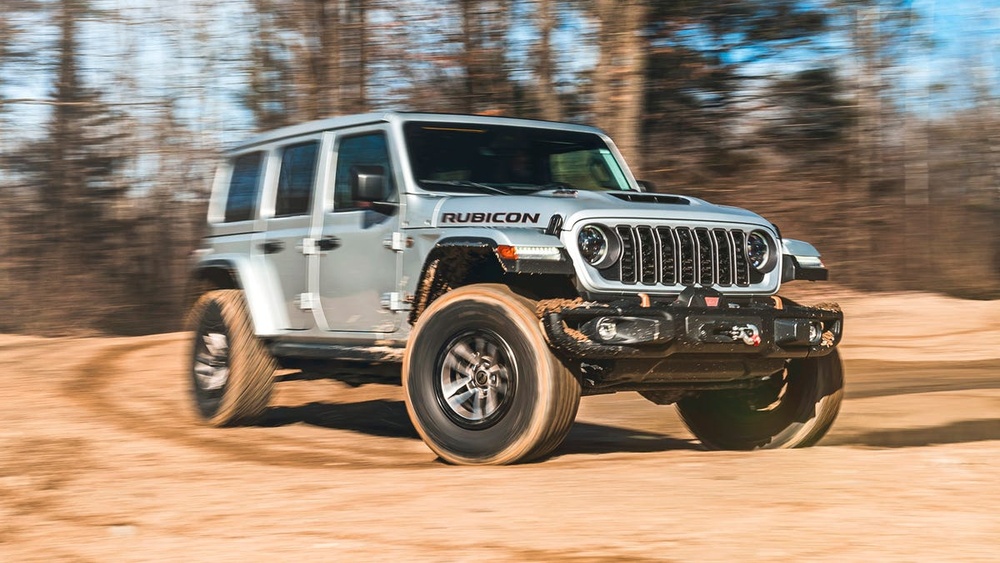
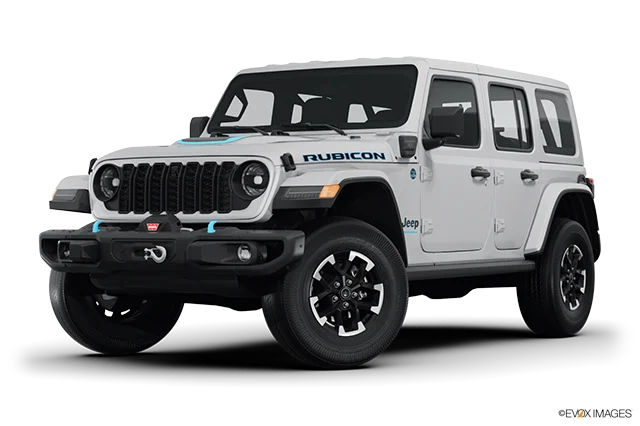
The current JL generation (2018-present) carries that reputation forward on gas-only trims.
The 4xe plug-in hybrid is newer technology with a shorter track record, so if reliability is your top priority, a non-hybrid JL is the safer near-term bet.
Jeep Grand Cherokee: WK2 and WL
Early WK2 Grand Cherokee model years, roughly 2011 to 2013, carry more electrical complaints than later ones, mostly air suspension faults and infotainment freezes tied to the Uconnect system’s early rollout.
By the later WK2 years, Jeep had largely resolved those complaints. If a WK2 is on your shortlist, a 2017-or-newer example is the safer buy over an early one, all else equal.
The newest WL generation Grand Cherokee is too recent for long-term reliability data. Treat any confident claims about its long-run durability with caution until more high-mileage examples exist.
Jeep Cherokee: XJ and KL
The XJ (1984-2001), covered above under the 4.0L engine, is the most consistently praised Cherokee generation for raw mechanical durability.
The unrelated KL generation (2014-2023) had a rockier start. Early KL models paired a new 9-speed automatic with the Pentastar, and that transmission drew real owner complaints about hesitation and rough shifts in the first few model years.
Jeep issued software updates and hardware revisions that improved things by 2019 and later.
Jeep Gladiator
Search interest in Jeep Gladiator reliability is significant, which tracks with it being a newer nameplate (since 2020) built on the well-proven Wrangler JL platform and Pentastar drivetrain.
Early owner reports generally track the JL’s reliability profile, since the two share most major components.
Jeep Compass and Renegade
Both the Compass and Renegade draw considerable owner search volume around reliability, and for good reason.
These smaller, more car-based Jeeps use different platforms and powertrains than the Wrangler/Cherokee/Grand Cherokee family, and they’ve historically scored lower in independent reliability surveys than Jeep’s body-on-frame models.
If you’re specifically comparing a Compass or Renegade against a Wrangler or Grand Cherokee for long-term durability, the body-on-frame models have the stronger track record.
That’s not a knock on the smaller Jeeps’ features or value, just a reliability-specific distinction worth knowing.
Jeep Model Years And Issues To Watch For
Every Jeep owner community gets asked the same question: which years should you avoid? A few patterns show up consistently across owner reports and repair forums, beyond what’s covered above.
Early Grand Cherokee WK2 years (2011 to 2013) carry more electrical gremlin complaints than later ones, as noted above. Air suspension faults and infotainment freezes are the most cited issues.
Pre-refresh Cherokee KL models, before the transmission software and hardware updates, drew more forum complaints about hesitation and shudder under light throttle than post-2019 examples.
2011 to 2013 Pentastar-equipped Jeeps of any model carry the higher risk of the early cylinder head defect described above, though it’s a documented and largely repairable issue rather than a reason to avoid the whole engine family.
Before you buy any specific year, pull the vehicle’s complaint and recall history directly from NHTSA.gov using the VIN. Don’t rely on a seller’s word or a general “years to avoid” list, including this one, as your only source.
Check Before You Buy: A $140 Habit That Saves Thousands
A clean-looking used Jeep can still be hiding stored trouble codes the seller cleared before listing it. A bidirectional OBD2 scanner reads that history in under five minutes, and it’s the single best move you can make before handing over cash.

- Turn your iPhone, Android device, or Windows PC into a professional...
- Recommended adapter for FORScan, Torque, BimmerCode, Dashcommand...
- Enhanced OEM Support for Ford, GM, Mazda, Nissan/Infiniti...
- Clear check Engine Light and get more live parameters (ABS, SRS, TPMS...
- Over-voltage and battery drain protection, and included firmware...
The OBDLink MX+ reads manufacturer-specific codes most cheap scanners miss, including ABS, airbag, and transmission modules on Jeep platforms. It’s what I use before buying or servicing any used Wrangler or Grand Cherokee.
If you want something simpler and cheaper for occasional use, this budget option covers the basics well.
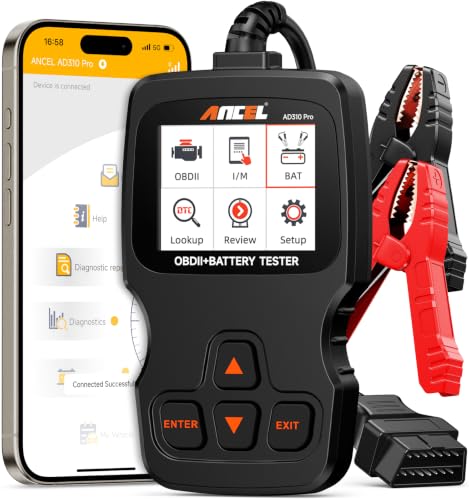
- Engine and Battery Checks in One Tool: Built for everyday car owners...
- Understand the Check Engine Light: Read and clear engine codes, view...
- Know What May Be Behind a Hard Start: Check battery health, cranking...
- Use the Scanner or Go Wireless: View diagnostic information directly...
- Easy to Use for Everyday Car Checks: Straightforward menus and clear...
Either scanner pays for itself the first time it catches a hidden code that talks a seller down a few hundred dollars, or walks you away from a bad buy entirely.
Maintenance Habits That Extend Any Jeep’s Lifespan
Engine choice sets the ceiling, but maintenance decides whether you actually reach it. A few habits matter more on Jeeps specifically than on the average commuter car.
Shorten your oil change interval on Pentastar-equipped Jeeps. Running 4,000 to 5,000 miles between changes, instead of stretching to the extended monitor interval, is the single best defense against the rocker arm and lifter issues covered above.
Investigate top-end ticking immediately. A tick from a Pentastar isn’t background noise to ignore. Left alone, it can escalate from a bearing replacement into a full camshaft job.
Flush the cooling system on schedule, especially on Pentastar and EcoDiesel Jeeps, since both have documented cooling-system weak points that get worse with neglected coolant.
Don’t skip DEF and emissions service on EcoDiesel models. These systems are unforgiving of deferred maintenance in a way gas engines simply aren’t.
What Jeep models should you stay away from?
Early Grand Cherokee WK2 years (2011 to 2013) and pre-refresh Cherokee KL models draw the most reliability complaints, mainly electrical and transmission related. Compass and Renegade have historically scored lower than Jeep’s body-on-frame models in independent reliability data.
What year Jeeps are the most reliable?
Jeeps built with the AMC 4.0L inline-six, like the XJ Cherokee and TJ Wrangler, along with the later-run 2017 JK Wrangler and post-2014 Pentastar models, consistently top owner reliability discussions.
Are Jeeps reliable after 100,000 miles?
Yes, if maintenance was kept current. Both the 4.0L I6 and 3.6L Pentastar have well-documented histories of running well past 200,000 miles with basic care and on-schedule oil changes.
What are the best used Jeeps to buy?
A late-model JK Wrangler, a post-2018 Grand Cherokee WK2, or a post-2019 Cherokee KL each offer a strong mix of proven mechanicals and modern features for a used buyer.
Is the 3.6L Pentastar a good engine?
Yes, it’s generally considered above-average and durable, with well-documented weak points like the plastic oil filter housing and rocker arm wear that are manageable with proactive maintenance.
Bottom Line
The most reliable Jeep isn’t one specific model. It’s the 4.0L-powered XJ and TJ generations for sheer mechanical toughness, and the late JK Wrangler, later WK2 Grand Cherokee, or post-refresh KL Cherokee if you want modern comfort with a track record behind it.
Whichever one you’re eyeing, run the VIN through NHTSA and scan it yourself before handing over cash. For more on spotting trouble before it strands you, see our guide to common Jeep Wrangler problems.
Which Jeep has treated you best, an old 4.0L, a Pentastar, or something newer? Drop your engine and mileage in the comments.
Last update on 2026-11-15 / Affiliate links / Images from Amazon Product Advertising API