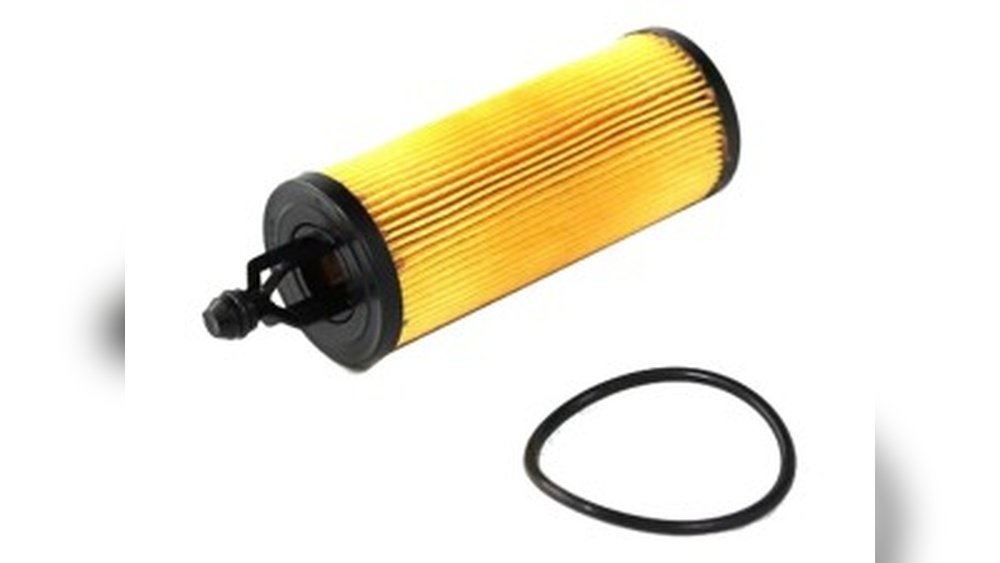
The Mopar oil filter is a critical component for your 2015 Jeep Wrangler. It ensures that your engine oil stays clean and free from contaminants, which is essential for smooth operation and longevity.
When it comes to maintaining your Jeep, using the right parts can make a significant difference. Mopar is the official parts brand of Chrysler, now Stellantis, which includes Jeep.
This means Mopar parts are designed specifically for your vehicle, offering a level of fit and performance that aftermarket alternatives may not always match.
For a 2015 Jeep Wrangler, choosing the correct oil filter is not just about buying a part; it’s about investing in the health of your engine. The 2015 model year for the Wrangler typically came with the 3.6L Pentastar V6 engine, a robust powerplant that requires consistent, high-quality lubrication. The oil filter’s job is to trap debris like metal shavings, dirt, and sludge that can form as the engine runs. Without an effective filter, these particles circulate in the oil, causing wear and tear on critical engine components such as bearings, pistons, and the crankshaft.
This article will guide you through understanding the Mopar oil filter specifically for your 2015 Jeep Wrangler. We’ll cover why using a genuine Mopar filter is important, what to look for, and how it contributes to the overall performance and maintenance of your beloved Jeep. We will also explore some common questions and provide insights to help you make the best decision for your vehicle.
Understanding The Role Of An Oil Filter
The oil filter is one of the unsung heroes of your engine. Its primary function is to remove impurities from the engine oil. These impurities can include:
- Metal particles: Generated from the normal wear and tear of engine components.
- Dirt and dust: Ingressed into the engine through the air intake system.
- Carbon deposits: Formed during the combustion process.
- Sludge: A thick, gummy substance that can form from oil breakdown.
When you start your engine, oil is pumped from the oil pan, through the filter, and then circulated throughout the engine. The filter acts like a sieve, catching these harmful particles. As the filter traps more contaminants, its efficiency can decrease over time. This is why regular oil and filter changes are crucial for maintaining engine health. A clogged filter can lead to reduced oil flow, increased engine temperature, and premature wear.
Why Choose A Genuine Mopar Oil Filter?
For your 2015 Jeep Wrangler, opting for a genuine Mopar oil filter offers several advantages over many aftermarket options. Mopar parts are designed, engineered, and tested by the same company that built your Jeep. This ensures:
- Perfect Fit: Mopar filters are made to exact specifications for your Wrangler, guaranteeing a precise fit without any modifications. This means no leaks and proper sealing.
- Optimal Performance: They are engineered to work seamlessly with your Jeep’s specific engine and oil type, providing the filtration capacity and flow rate required for optimal performance and protection.
- Durability: Mopar filters are constructed with high-quality materials designed to withstand the demanding conditions within your engine bay, including heat and pressure.
- Warranty Protection: Using genuine Mopar parts can help maintain your vehicle’s warranty, especially if it’s still under coverage. While a 2015 model might be out of its original factory warranty, using OEM (Original Equipment Manufacturer) parts is often recommended by dealerships and mechanics.
While aftermarket filters can be cheaper, they often compromise on material quality, filtration media, or seal design. A cheaper filter might not capture as many particles or could fail prematurely, leading to more expensive repairs down the line.

Identifying The Correct Mopar Oil Filter For Your 2015 Jeep Wrangler
The 2015 Jeep Wrangler typically came equipped with the 3.6L Pentastar V6 engine. This engine requires a specific oil filter that meets Mopar’s stringent standards. The most common Mopar oil filter part number for this application is Mopar MO-899 or its updated equivalent. However, it’s always best to verify the exact part number using your vehicle’s VIN (Vehicle Identification Number) through a Mopar parts dealer or an online Mopar parts catalog.
Here’s what to look for when purchasing:
- Part Number: Ensure it matches the recommendation for the 3.6L Pentastar engine in a 2015 Wrangler.
- Brand: Look for the Mopar logo to ensure you are getting a genuine part.
- Packaging: Genuine Mopar parts come in Mopar-branded packaging. Be wary of counterfeit or repackaged parts.
Key Specifications To Consider
When selecting an oil filter, several technical specifications are important, even for a genuine Mopar part:
- Filtration Efficiency: This refers to the filter’s ability to capture small particles. Mopar filters are designed to meet specific micron ratings, ensuring they trap harmful contaminants effectively.
- Flow Rate: The filter must allow oil to flow through it without restriction. If the flow rate is too low, the engine may not receive enough lubrication, especially under high demand. Mopar filters are engineered for the correct flow rate for your specific engine.
- Burst Strength: The filter housing must be able to withstand high oil pressures without failing. A burst filter can lead to a catastrophic loss of oil and severe engine damage.
- Anti-Drainback Valve: This feature prevents oil from draining out of the filter when the engine is off. This ensures immediate lubrication upon startup, reducing wear. Mopar filters include this vital component.
- Bypass Valve: In the event the filter becomes completely clogged, the bypass valve opens to allow oil to flow directly to the engine, preventing oil starvation. The calibration of this valve is critical for engine protection.
The Mopar Mo-899 Oil Filter: A Closer Look
The Mopar MO-899 oil filter is a popular choice for the 2015 Jeep Wrangler with the 3.6L Pentastar engine. While part numbers can be updated by manufacturers, this is a widely recognized filter for this application. It is designed to meet or exceed the performance requirements of the original equipment.
Here are some general characteristics often associated with Mopar oil filters like the MO-899:
- Construction: Typically features a durable metal canister with a high-quality filtering element inside. The seals are made from robust materials to prevent leaks.
- Filtration Media: Uses cellulose or synthetic blend media designed for effective particle capture and good oil flow.
- Gasket: Comes with a pre-lubricated rubber gasket for easy installation and a secure seal.
- Anti-Drainback Valve: Integrated to keep oil in the filter when the engine is off.
Example: When I changed the oil on my own Jeep Wrangler, I noticed the Mopar filter felt substantial. The rubber gasket was pliable and the overall construction seemed very solid compared to some cheaper aftermarket options I’d seen. It installed smoothly, and I haven’t had any oil leaks around the filter housing since.
Benefits Of Using Mo-899 (or Equivalent)
- Engine Protection: Provides excellent protection against wear by capturing fine contaminants.
- Reliability: Engineered for consistent performance over its service life.
- Peace of Mind: Knowing you are using a part designed specifically for your Jeep.

When To Change Your Oil Filter
The 2015 Jeep Wrangler owner’s manual provides specific recommendations for oil and filter changes. Generally, for the 3.6L Pentastar engine, this is typically around every 5,000 to 7,500 miles or every 6 months, whichever comes first. However, this can vary based on driving conditions.
Consider changing your oil and filter more frequently if you:
- Drive in dusty or dirty conditions: Off-roading or driving on unpaved roads can introduce more contaminants into the air intake and potentially into the oil.
- Frequently drive short distances: Short trips where the engine doesn’t reach full operating temperature can lead to moisture and sludge buildup.
- Tow heavy loads: Towing puts extra strain on the engine, generating more heat and potentially accelerating oil breakdown.
- Drive aggressively: Hard acceleration and braking can increase engine wear and oil contamination.
It’s always a good practice to check your oil level and condition regularly between changes. If the oil appears very dark or gritty, it’s a sign that it’s time for a change, regardless of the mileage.
How To Change The Oil And Filter On A 2015 Jeep Wrangler
Changing the oil and filter on your 2015 Jeep Wrangler is a routine maintenance task that many owners can perform themselves. Here’s a general overview. Disclaimer: Always refer to your owner’s manual for specific instructions and safety precautions. If you are not comfortable performing this task, it’s best to have it done by a qualified mechanic.
Tools And Materials Needed:
- New Mopar Oil Filter: (e.g., MO-899 or verified equivalent)
- New Engine Oil: Check your owner’s manual for the correct type and quantity (typically 5W-30 synthetic oil for the 3.6L Pentastar, around 6 quarts).
- Wrench for Drain Plug: Usually a 13mm or 15mm socket.
- Oil Filter Wrench: To remove the old filter.
- Drain Pan: To collect the old oil.
- Funnel: For adding new oil.
- Gloves and Rags: To keep clean.
- Jack and Jack Stands: If needed for access.
- Safety Glasses: To protect your eyes.
Steps:
- Warm Up the Engine: Run the engine for a few minutes to warm the oil. Warm oil flows better and carries away more contaminants.
- Safely Lift the Vehicle (if necessary): Use a jack and securely place jack stands under the frame. Never work under a vehicle supported only by a jack.
- Locate the Oil Drain Plug: It’s usually at the bottom of the oil pan.
- Position the Drain Pan: Place the drain pan directly under the drain plug.
- Remove the Drain Plug: Carefully loosen and remove the drain plug using the appropriate wrench. Be prepared for the hot oil to flow out.
- Let the Oil Drain: Allow all the old oil to drain completely. This usually takes about 10-15 minutes.
- Replace the Drain Plug: Clean the drain plug and the area around the hole. Reinstall the drain plug and tighten it securely (do not overtighten).
- Locate the Oil Filter: On the 3.6L Pentastar, the oil filter is typically located on the passenger side of the engine, towards the front.
- Position the Drain Pan: Move the drain pan under the oil filter, as some oil will spill out when it’s removed.
- Remove the Old Oil Filter: Use an oil filter wrench to loosen the filter. Once loose, finish unscrewing it by hand. Be careful, as it will be full of oil.
- Prepare the New Filter: Take your new Mopar oil filter. Apply a thin film of new oil to the rubber gasket on the new filter. This helps create a good seal and makes removal easier next time.
- Install the New Filter: Screw the new filter on by hand until the gasket makes contact with the engine block. Then, tighten it an additional 3/4 to 1 full turn by hand, or as specified on the filter or in your manual. Do not use a wrench to tighten the new filter, as this can damage it or make it difficult to remove later.
- Add New Oil: Lower the vehicle if it was lifted. Open the hood and locate the oil fill cap. Use a funnel to add the correct amount of new engine oil.
- Check Oil Level: After adding oil, wait a few minutes for it to settle. Check the oil level using the dipstick. Add more oil if needed to reach the full mark.
- Start the Engine: Start the engine and let it run for a minute or two. Check for any leaks around the drain plug and the oil filter. The oil pressure light on the dashboard should turn off.
- Final Check: Turn off the engine and wait a few minutes. Re-check the oil level on the dipstick and top off if necessary.
- Dispose of Old Oil: Properly dispose of the old oil and filter. Many auto parts stores and service centers have recycling programs.
Common Mistakes To Avoid
- Overtightening the Filter: This can damage the filter or the engine mounting point, leading to leaks or making future removal extremely difficult.
- Forgetting the Gasket: Ensure the old filter’s rubber gasket is not stuck to the engine block. If you install the new filter over the old gasket, it will cause a major oil leak.
- Using the Wrong Oil Type/Quantity: Always follow the manufacturer’s recommendations for oil viscosity and capacity.
- Not Checking for Leaks: Always perform a thorough check for leaks after changing the oil and filter.

Mopar Oil Filter Performance Data And Comparison
While Mopar does not always publicly release detailed performance data for every single filter part number in the same way some independent testing labs do, their filters are designed to meet or exceed the Original Equipment Manufacturer (OEM) specifications. This means they are tested to perform within the parameters set by Jeep for your 2015 Wrangler.
Let’s consider how a Mopar filter generally stacks up against other types of filters.
| Feature | Mopar Oil Filter (e.g., MO-899) | Premium Aftermarket Filter | Economy Aftermarket Filter |
|---|---|---|---|
| **Fitment** | Engineered specifically for your Jeep Wrangler. | Usually designed for multiple vehicle makes/models. | Often generic fitment; may require adapters. |
| **Filtration Media** | High-quality cellulose or synthetic blend. | Often synthetic media, potentially offering higher efficiency. | Cellulose or basic blend; may capture fewer small particles. |
| **Efficiency** | Meets or exceeds OEM standards for particle capture. | Can exceed OEM standards, especially with synthetic media. | May meet minimum standards, but less efficient overall. |
| **Flow Rate** | Optimized for the 3.6L Pentastar engine. | Generally good, but may vary slightly. | Can be restrictive, potentially impacting oil flow. |