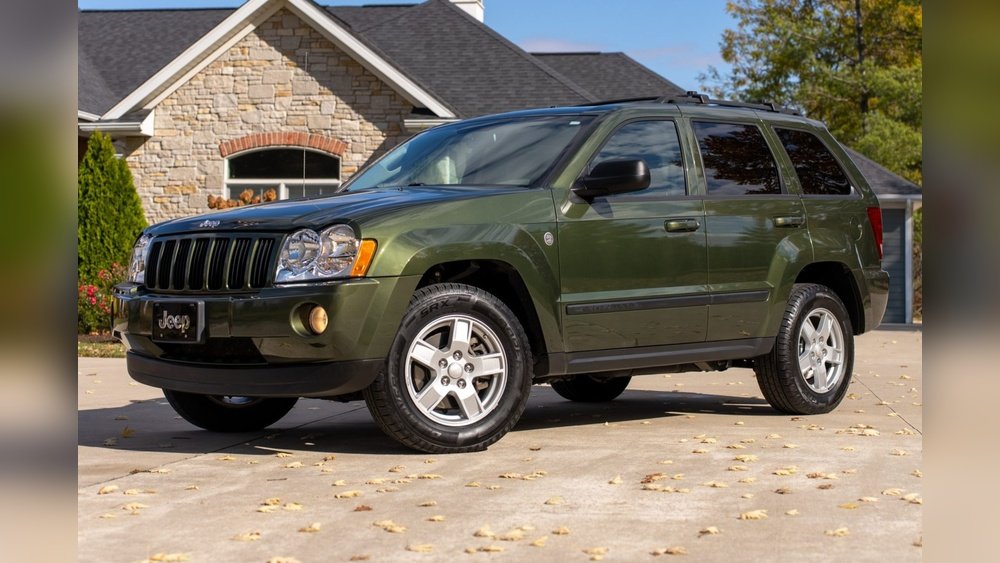
The 2007 Jeep Grand Cherokee Laredo represents a significant model year for Jeep's iconic SUV, blending rugged capability with everyday comfort. Among its many features, the steering wheel plays a crucial role in the driving experience, acting as the primary interface between the driver and the vehicle.
Specifically, the medium khaki 2007 Jeep Grand Cherokee Laredo steering wheel is a distinctive component that contributes to the interior's aesthetic and functionality. Understanding its nuances, from material composition to potential upgrades and maintenance, is key for owners looking to preserve or enhance their vehicle’s feel and appearance.
This article will explore the medium khaki 2007 Jeep Grand Cherokee Laredo steering wheel in detail. We will cover its original specifications, the materials used, common wear and tear issues, options for repair and replacement, and how it integrates with the vehicle’s overall design. Whether you’re a long-time owner or considering purchasing a used model, this guide aims to provide comprehensive insights into this specific component.
Key Takeaways
- The medium khaki steering wheel in the 2007 Jeep Grand Cherokee Laredo is designed to complement the interior’s color scheme, often featuring a textured grip for better control.
- Common materials include leather or a leather-like synthetic, chosen for durability and tactile feel.
- Wear and tear, such as cracking, fading, or loss of texture, is common due to UV exposure, driver contact, and age.
- Restoration options range from deep cleaning and conditioning to professional re-upholstery or replacement.
- Aftermarket options exist for those seeking to upgrade functionality or aesthetics, though compatibility with the 2007 Laredo model must be verified.
- Proper maintenance, including regular cleaning and protection from harsh elements, can significantly extend the life and appearance of the steering wheel.
Understanding The 2007 Jeep Grand Cherokee Laredo Steering Wheel
The 2007 model year marked the fourth generation of the Jeep Grand Cherokee, codenamed WK. This generation saw a significant redesign, moving towards a more refined and contemporary look both inside and out. The Laredo trim, being the base model, still offered a comfortable and functional interior, with the steering wheel as a central element. The medium khaki color option was part of a palette designed to provide a warm and inviting cabin ambiance, contrasting with the more common black or grey interiors.
Original Specifications And Features
The steering wheel for the 2007 Jeep Grand Cherokee Laredo was typically designed with ergonomics and driver interaction in mind. Standard features often included:
- Material: Primarily a durable, synthetic material or genuine leather, depending on specific packages or options. The medium khaki variant often featured a textured surface to enhance grip.
- Design: A three-spoke design was common, providing a sturdy feel and accommodating various control layouts.
- Controls: Depending on the Laredo’s specific options, the steering wheel might have integrated controls for the audio system, cruise control, and sometimes climate functions. These buttons were usually integrated seamlessly into the spoke designs.
- Adjustability: The steering column typically offered tilt adjustment, allowing drivers to find a comfortable driving position. Some models might have also featured telescopic adjustment, though this was less common on the base Laredo trim. You can learn more about steering wheel height adjustment issues in our Jeep Steering Wheel Height Adjustment Broken: Fix It Now! guide.
The Medium Khaki Color Palette
The medium khaki color was a deliberate choice by Chrysler (Jeep’s parent company at the time) to offer an alternative to starker interior tones. This shade provided a neutral yet warm aesthetic, aiming to create a more comfortable and less utilitarian cabin feel. It was often paired with other complementary colors for the dashboard, door panels, and seating, contributing to a cohesive interior design. The specific shade could vary slightly, but it generally fell into a light to medium brown-tan range.
Material Composition And Durability
The choice of material for the steering wheel was critical for both feel and longevity.
- Leather: Genuine leather offered a premium feel, better grip, and a softer touch. However, it was more susceptible to wear from oils and UV exposure, leading to cracking or fading over time.
- Synthetic Materials: Higher-quality synthetic materials were often used to mimic the look and feel of leather while offering increased durability and resistance to fading and cracking. These were common on base trims like the Laredo.
- Textured Surfaces: Regardless of the primary material, a textured grip area was often incorporated into the design, particularly on the sides and bottom of the wheel, to prevent hands from slipping.
The durability of the medium khaki steering wheel largely depended on its material, the owner’s care, and environmental factors. Exposure to direct sunlight, high temperatures, and frequent handling with sweaty or oily hands could accelerate wear.
Common Issues And Wear Patterns
Over time, the medium khaki 2007 Jeep Grand Cherokee Laredo steering wheel can exhibit several common issues, primarily related to its age, material, and exposure to the elements. Understanding these problems is the first step toward addressing them.
Leather Degradation And Fading
- Cracking: The most common issue with leather steering wheels is cracking, especially on the top and sides where the sun’s rays are most intense and where hands frequently rest. UV radiation breaks down the leather’s natural oils, making it brittle.
- Fading: The medium khaki color, like many lighter shades, can fade significantly when exposed to prolonged sunlight. The vibrant hue can turn dull and uneven, with areas exposed to more light becoming noticeably lighter.
- Wear Patches: The texture and color can wear away in high-contact areas, such as the grips and the center where hands might rub during turns. This can leave smoother, shinier, or lighter patches.
Synthetic Material Wear
While often more durable, synthetic materials are not immune to wear:
- Surface Abrasion: The textured surface can become smooth and shiny over time due to friction from hands and accessories.
- Peeling: In some cases, the outer coating or color layer on synthetic wheels can begin to peel or flake, particularly at edges or stress points.
- Discoloration: Similar to leather, synthetic materials can also fade or discolor due to UV exposure, though they might be more resistant to cracking.
If the steering wheel is equipped with controls, these buttons can also suffer from wear:
- Worn Markings: The labels on the buttons (e.g., volume up, cruise control) can wear off, making them difficult to identify.
- Sticky or Unresponsive Buttons: Grime, dirt, and residue can accumulate around the buttons, leading to them becoming sticky or failing to register presses.
- Cracked Button Housings: The plastic housing for the buttons can become brittle with age and may crack or break.
General Dirt And Grime Accumulation
The porous nature of leather and the textured surfaces of synthetics make them prone to trapping dirt, oils, and other residues from hands. This can lead to a dull appearance, a slippery feel, and an unpleasant odor over time.
Repair And Restoration Options
Fortunately, there are several avenues for addressing a worn or damaged medium khaki 2007 Jeep Grand Cherokee Laredo steering wheel, ranging from DIY solutions to professional services.
Diy Cleaning And Conditioning
For minor wear, dirt, and dullness, a thorough cleaning and conditioning can make a significant difference.
- Cleaning:
- Use a dedicated interior cleaner or a mild soap solution (like diluted dish soap) with a microfiber cloth.
- For leather, avoid harsh chemicals that can strip natural oils.
- Gently scrub textured areas and around buttons to lift embedded dirt.
- Wipe down with a clean, damp cloth and allow to air dry completely.
- Conditioning:
- Apply a high-quality leather conditioner (if applicable) or a protectant designed for automotive interiors.
- Use a separate microfiber cloth to apply the product in a thin, even layer.
- Allow the conditioner to penetrate for the time recommended by the product manufacturer, then buff off any excess.
- For synthetic materials, a protectant with UV inhibitors can help prevent further fading and cracking.
Leather Repair Kits
For minor cracks, scuffs, and color loss, DIY leather repair kits can be effective. These kits typically include:
- Leather Cleaner and Prep Solution: To ensure a clean surface for repair.
- Colorant/Dye: Matched as closely as possible to the medium khaki shade.
- Applicators: Sponges, brushes, or small spatulas.
- Sealer/Top Coat: To protect the repaired area.
Pro Tip: Achieving a perfect color match can be challenging. It’s advisable to test the colorant on an inconspicuous area first. For significant damage, DIY kits may not provide a seamless finish.
Professional Re-upholstery And Dyeing
For more extensive damage, such as deep cracks, significant fading, or worn-through areas, professional services offer a higher quality result.
- Steering Wheel Re-upholstery: A specialist can remove the old leather or synthetic cover and replace it with new material. This can be done using genuine leather, high-quality synthetic leather, or even Alcantara for a sportier feel. You can often choose the exact color and texture.
- Color Restoration/Dyeing: Professionals can also recolor a faded or stained steering wheel. They use specialized automotive dyes that are flexible and durable, designed to bond with the material. This is a good option if the structural integrity of the wheel is sound but the color has degraded.
Steering Wheel Replacement
If the steering wheel is severely damaged, or if you’re looking for an upgrade, replacement is an option.
- OEM Replacement: Sourcing a genuine medium khaki steering wheel from a 2007 Jeep Grand Cherokee Laredo (or a compatible model year) from a dealership or salvage yard. This ensures perfect fit and color match but can be costly.
- Aftermarket Steering Wheels: Numerous aftermarket companies offer replacement steering wheels. However, compatibility with the 2007 Grand Cherokee Laredo’s airbag system and steering column is paramount. Some aftermarket wheels may require a specific adapter hub. Options might include:
- Sportier designs with different grip areas.
- Wheels with integrated heating elements (if not originally equipped, this would involve significant electrical modification).
- Wheels made from different materials like carbon fiber or wood grain.
When considering aftermarket options, always verify fitment for the 2007 Jeep Grand Cherokee Laredo WK. Websites specializing in Jeep parts or steering wheels can help with this.
Replacing The Steering Wheel: A Step-by-step Overview
Replacing a steering wheel is a moderately complex task that involves safety-critical components, particularly the airbag. If you are not comfortable working with these systems, it is highly recommended to have a professional perform the replacement.
Warning: Disconnecting the battery and allowing sufficient time for the airbag system to discharge is crucial before beginning any work on the steering wheel. Failure to do so can result in accidental airbag deployment, causing serious injury.
Here is a general overview of the process:
- Disconnect the Battery: Locate the battery and disconnect the negative terminal. Wait at least 15-30 minutes for the airbag system’s capacitor to discharge.
- Remove Airbag Module:
- Locate access holes on the sides or back of the steering wheel hub.
- Insert a small screwdriver or Allen wrench into these holes to release retaining clips that hold the airbag module in place.
- Carefully lift the airbag module away from the steering wheel.
- Disconnect the electrical connector(s) for the airbag and any steering wheel controls. Store the airbag module safely away from the work area.
- Remove Steering Wheel:
- Locate the center nut holding the steering wheel to the steering column. Note its position with a marker if you plan to reuse it.
- Use a steering wheel puller tool to gently remove the steering wheel from the splined shaft. Do not try to force it off by hammering or prying excessively.
- Install New Steering Wheel:
- Transfer any necessary components (clock spring, control modules) from the old wheel to the new one, if not pre-installed. Ensure the clock spring is centered correctly.
- Align the new steering wheel onto the steering column splines, ensuring it’s oriented correctly.
- Install the center nut and tighten it to the manufacturer’s specified torque.
- Reconnect Controls and Airbag:
- Reconnect the electrical connectors for the steering wheel controls and the airbag module.
- Carefully place the airbag module back into position and ensure the retaining clips engage securely.
- Reconnect Battery and Test:
- Reconnect the negative battery terminal.
- Turn the ignition key to the “ON” position (without starting the engine) and check for any airbag warning lights. If the light stays on, there may be an issue with the airbag connection.
- Start the engine and test all steering wheel controls (audio, cruise control, etc. ).
- Check the steering wheel’s alignment and ensure it feels secure.
This process requires precision and care. If any step seems unclear or if you encounter difficulties, consulting a professional mechanic is highly advised.
Enhancing And Customizing Your Steering Wheel
Beyond repair and restoration, owners may consider enhancing or customizing their medium khaki 2007 Jeep Grand Cherokee Laredo steering wheel. This can involve adding features, changing materials, or improving aesthetics.
Adding Functionality
- Aftermarket Control Integration: While the factory controls are integrated, some aftermarket steering wheels offer provisions for additional buttons or modern control modules. This often requires custom wiring and integration.
- Heated Steering Wheel: Some high-end trims or aftermarket options include a heated steering wheel. Retrofitting this onto a Laredo model would be a complex electrical project, requiring installation of heating elements, wiring, and a control switch.
Aesthetic Customizations
- Colored Stitching: If re-upholstering, you can opt for contrasting stitching (e.g., red, silver, black) to add a personalized touch to the medium khaki base.
- Material Upgrades: Beyond standard leather, options like perforated leather, suede, or Alcantara can provide a different tactile feel and visual appeal.
- Carbon Fiber or Wood Trim: Some custom steering wheels incorporate real or faux carbon fiber or wood grain accents into the design, often on the spokes or rim.
- Steering Wheel Covers: For a simpler, less permanent customization, a steering wheel cover can be added. These come in various materials (leather, faux fur, neoprene) and colors. Ensure the cover fits snugly and does not impede steering or airbag deployment.
Integrating With Other Interior Upgrades
The steering wheel is a focal point of the interior. Customizations can be coordinated with other upgrades:
- Seat Covers: Matching or contrasting seat covers in a similar color or material can create a unified look.
- Shift Knobs: A custom gear shift knob can complement a new steering wheel. For example, a leather-wrapped knob with similar stitching could tie the two components together. Check out options like Gear Shift Knobs For Jeep Wrangler: Upgrade Your Ride for inspiration on style.
- Dashboard Trim Kits: Kits offering faux wood, carbon fiber, or brushed metal trim can be applied to various dashboard panels to match the steering wheel’s accents.
- Floor Mats: Custom floor mats, especially those with Jeep branding or specific color accents, can further enhance the interior theme.
When considering any customization, always prioritize safety. Ensure that modifications do not interfere with the airbag system, steering column functions, or driver visibility.
Maintenance Tips For Longevity
Proper and consistent maintenance is key to preserving the appearance and functionality of your medium khaki 2007 Jeep Grand Cherokee Laredo steering wheel, regardless of whether it’s original, restored, or replaced.
Regular Cleaning Schedule
- Frequency: Aim to clean the steering wheel at least once a month, or more often if it feels grimy or slippery.
- Method: Use a soft microfiber cloth and a cleaner specifically designed for automotive interiors. For leather, use a dedicated leather cleaner. Avoid household cleaners, as they can contain harsh chemicals that damage automotive materials.
- Detailing: Pay attention to crevices, seams, and around buttons where dirt and grime tend to accumulate. An old toothbrush or soft detailing brushes can be helpful here.
Protecting Against Uv Damage
- Parking: Whenever possible, park your Grand Cherokee in a shaded area or a garage to minimize direct sun exposure.
- Window Tinting: Consider professional window tinting. This can significantly reduce the amount of UV radiation entering the cabin, protecting not only the steering wheel but also the dashboard, seats, and other interior surfaces.
- Dash Covers: A dash cover can help shield the dashboard and reduce interior temperatures, indirectly benefiting the steering wheel.
- UV Protectants: Regularly apply a quality interior protectant that contains UV inhibitors. These products create a barrier on the surface, helping to prevent fading and cracking. Apply to a cloth first, then wipe the steering wheel, rather than spraying directly.
Conditioning (leather Wheels)
- Frequency: Condition leather steering wheels every 3-6 months, depending on climate and usage. In hot, dry climates, more frequent conditioning might be necessary.
- Product Choice: Use a reputable leather conditioner designed for automotive use. Avoid products that leave a greasy residue, as this can make the wheel slippery.
- Application: Apply a thin, even coat using a soft cloth. Allow it to soak in, then buff off any excess with a clean cloth.
Avoiding Harsh Materials And Chemicals
- Hand Lotions and Sanitizers: Be mindful of lotions, sunscreens, and hand sanitizers. The oils and chemicals in these products can degrade leather and some synthetic materials over time. Wiping hands before driving can help.
- Sharp Objects: Avoid placing sharp objects (like keys or rings) directly on the steering wheel surface, as they can cause scratches.
By incorporating these maintenance practices into your routine, you can significantly extend the life and maintain the aesthetic appeal of your medium khaki 2007 Jeep Grand Cherokee Laredo steering wheel.
Frequently Asked Questions
What Is The Best Way To Clean A Faded Medium Khaki Steering Wheel?
For a faded steering wheel, start with a gentle cleaner and a microfiber cloth to remove surface dirt. If the color is still dull, consider using a leather recoloring kit or professional dyeing service for a more permanent solution.
For minor fading on synthetic materials, a UV-protectant dressing might help restore some vibrancy and prevent further degradation.
Always test any product on an inconspicuous area first.
Can I Swap A Steering Wheel From A Different Jeep Model Into My 2007 Grand Cherokee Laredo?
Compatibility can be tricky. While some steering wheels from the same generation WK Grand Cherokee might fit, and potentially some from related Chrysler/Dodge vehicles of the same era, it’s crucial to verify spline count, airbag connector type, and compatibility with steering wheel control modules. Aftermarket steering wheels designed for the WK platform are often the safest bet for a direct swap, or you may need a specific adapter hub. Always consult a parts specialist or mechanic before attempting a swap. You might find relevant information in guides discussing Jeep Grand Wheels Bolt Pattern, which relates to overall component compatibility.
How Do I Know If My Steering Wheel Is Leather Or Synthetic?
Often, the feel and texture can provide clues. Genuine leather typically has a softer, more supple feel and may show subtle natural grain patterns.
Synthetic materials, especially on older vehicles, might feel slightly more plasticky or have a very uniform, almost "perfect" texture.
A quick search for the original vehicle specifications or trim level details for the 2007 Laredo can also confirm the factory material. If it feels cold and hard, it's likely synthetic.
If it feels slightly warmer and more yielding, it's more likely leather.
Is It Safe To Drive With A Cracked Steering Wheel?
Driving with a significantly cracked steering wheel can be unsafe. Deep cracks, especially those compromising the grip, can reduce control, particularly during emergency maneuvers.
Furthermore, if the cracks are extensive, they could potentially weaken the structure of the wheel, and if it's leather, the underlying material could be exposed and further damaged.
It’s best to address cracks promptly through repair or replacement to ensure optimal safety and control.
What Does “medium Khaki” Refer To In The Context Of The 2007 Jeep Grand Cherokee Laredo Interior?
"Medium khaki" refers to the specific color of the interior trim and upholstery, including the steering wheel. It's a neutral, warm tone that falls between a light tan and a medium brown.
Jeep offered various interior color schemes, and medium khaki was one of the options available for the 2007 Laredo trim, designed to provide a comfortable and inviting cabin atmosphere.
It was often paired with darker accents on the dashboard and carpets.
The medium khaki 2007 Jeep Grand Cherokee Laredo steering wheel is more than just a functional component; it’s an integral part of the vehicle’s interior character. While age and use can lead to