Upgrade Your Jeep Wrangler: A Deep Dive Into Gear Shift Knobs
Your Jeep Wrangler is more than just a vehicle; it's a statement. It’s an invitation to adventure, a symbol of freedom, and a trusted companion for off-road excursions.
While its rugged capabilities are legendary, the details matter. One often-overlooked component that can significantly impact your driving experience and the interior aesthetic of your Wrangler is the gear shift knob.
It’s one of the most frequently touched parts of your vehicle, and upgrading it can offer a blend of improved ergonomics, enhanced durability, and a personalized touch that reflects your style.
From the satisfying click of a manual transmission to the smooth operation of an automatic, the shift knob is your direct connection to the drivetrain. For Jeep owners, this connection is often more visceral.
Whether you’re navigating challenging trails, cruising down the highway, or simply enjoying a weekend drive, the feel and function of your shift knob play a crucial role.
A stock knob might be functional, but it often lacks character and can feel bland or slippery, especially during demanding off-road maneuvers. This is where the aftermarket shines, offering a vast array of options designed to elevate both the form and function of your Jeep’s interior.
This guide will explore the world of Jeep Wrangler gear shift knobs. We’ll cover the different types available, the materials used, considerations for manual versus automatic transmissions, and what to look for to ensure you choose the perfect knob for your needs.
We’ll also discuss installation and some popular options that can transform your driving experience.
Understanding Your Transmission Type: Manual Vs. Automatic
Before diving into specific knob styles, it’s essential to know which type of transmission your Jeep Wrangler has. This is the most critical factor in selecting the right shift knob.
Manual Transmission Knobs
Manual transmission shift knobs are typically threaded onto the shifter stick. They come in various shapes and sizes, and their primary function is to provide a comfortable and secure grip for shifting gears. Because you’ll be using it frequently and with significant force, especially when downshifting or navigating difficult terrain, the ergonomics and grip are paramount.
Key Features for Manual Knobs:
- Thread Size: Most Jeep Wrangler manual transmissions use a standard thread size (usually 16mm x 1.5), but it’s always wise to confirm. Adapters are sometimes available if you find a knob you love that doesn’t have the exact thread pitch.
- Locking Mechanism: Some knobs have a set screw or locking mechanism to prevent them from loosening over time due to vibrations. This is a valuable feature for a secure feel.
- Weight: Heavier knobs can sometimes offer a more satisfying, positive shift feel, as the momentum helps the shifter slide into gear. However, extremely heavy knobs might feel cumbersome to some drivers.
- Shape and Size: From classic spherical designs to more modern, ergonomic shapes that fit the palm, the feel in your hand is subjective but important.
Automatic Transmission Knobs
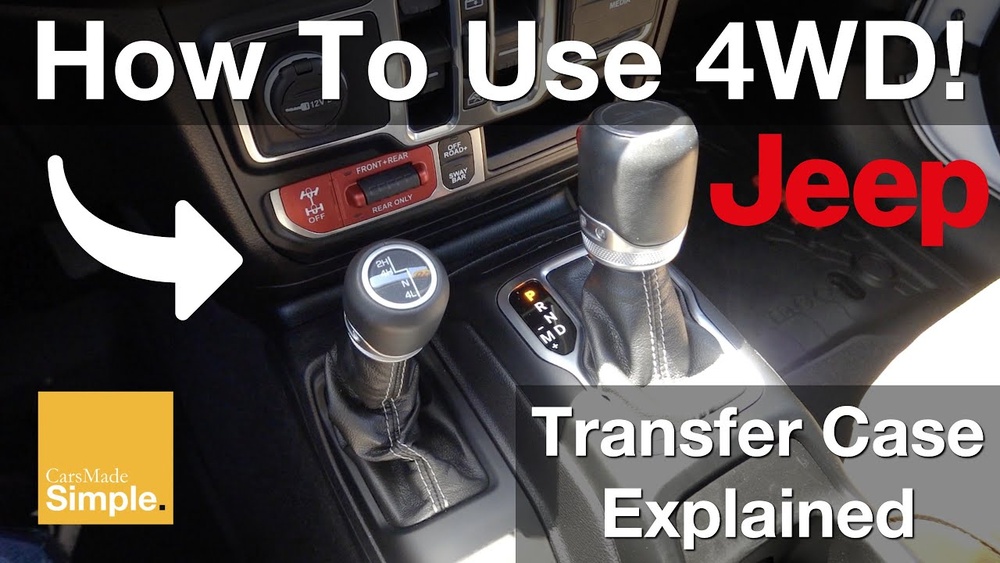
Automatic transmission shift knobs, especially on modern Wranglers, often have a more complex mechanism. They usually include a button for shifting out of Park and may have integrated features like overdrive controls. Aftermarket knobs for automatics need to be compatible with the specific shifter assembly of your Wrangler model year.
Key Features for Automatic Knobs:
- Shifter Compatibility: This is non-negotiable. Automatic shifter assemblies vary significantly between generations (JK, JL, etc.). You need a knob specifically designed for your Wrangler’s automatic shifter.
- Button Integration: If the stock shifter has a button for Park/Neutral release, the aftermarket knob must accommodate this, either by replicating the button function or by being designed to work with the existing mechanism.
- Grip and Ergonomics: Similar to manual knobs, a comfortable and secure grip is important, especially if you plan on off-roading where quick shifts between Drive and Reverse might be necessary.
- Aesthetics: Automatic knobs often have a more prominent visual presence and can be a focal point for interior customization.

Popular Materials For Jeep Wrangler Shift Knobs
The material of your shift knob directly influences its feel, durability, and appearance. Each material offers a unique set of benefits and drawbacks.
1. Billet Aluminum
Billet aluminum knobs are a very popular choice for Jeep Wranglers. They are machined from a solid block of aluminum, offering a premium look and feel.
- Pros:
- Durability: Extremely strong and resistant to wear and tear.
- Aesthetics: Can be polished to a mirror finish, anodized in various colors, or given a brushed look.
- Weight: Often heavier than plastic knobs, which can contribute to a more solid shifting feel.
- Customization: Available in a wide range of finishes and designs.
- Cons:
- Temperature Sensitivity: Can get very hot in direct sunlight or very cold in winter, making them uncomfortable to touch initially.
- Cost: Generally more expensive than plastic or rubber options.
Example: Many billet aluminum knobs feature intricate designs, like skulls, military-inspired motifs, or simple, clean lines, often with colored inserts or finishes.
2. Stainless Steel
Similar to aluminum in terms of strength and durability, stainless steel offers a different aesthetic and feel.
- Pros:
- High Durability: Extremely resistant to corrosion and scratching.
- Premium Feel: Offers a substantial, weighty feel.
- Sleek Look: Provides a modern, often polished or brushed metallic appearance.
- Cons:
- Temperature Sensitivity: Like aluminum, it can become uncomfortably hot or cold.
- Weight: Can be quite heavy, which might be a pro or con depending on preference.
- Cost: Can be on the higher end of the price spectrum.
3. Resin And Polyurethane
These materials are often used to create knobs with embedded objects or unique visual effects. They offer good grip and are generally less affected by temperature extremes than metal.
- Pros:
- Unique Aesthetics: Perfect for custom designs with embedded items (coins, dice, etc.) Or vibrant colors.
- Grip: Often provide a comfortable, non-slip grip.
- Temperature Neutrality: Less prone to extreme temperature changes.
- Cons:
- Durability: Can be less durable than metal and may crack or chip over time, especially with heavy use or impact.
- UV Sensitivity: Some resins can yellow or degrade with prolonged sun exposure.
Pro Tip: Look for high-quality resins that are UV-stabilized to prevent discoloration and cracking over time, especially if your Jeep spends a lot of time in the sun.
4. Carbon Fiber
Carbon fiber offers a high-tech, sporty look and is known for its strength-to-weight ratio.
- Pros:
- Lightweight: Significantly lighter than metal knobs.
- High Strength: Very durable and resistant to impact.
- Modern Aesthetics: Provides a sleek, performance-oriented look.
- Cons:
- Cost: Often one of the most expensive options.
- Feel: Can sometimes feel less substantial than a heavy metal knob.
- Scratching: While strong, the clear coat can be susceptible to scratches if not cared for properly.
5. Wood
For a classic, rustic, or luxurious feel, wood shift knobs are an excellent choice.
- Pros:
- Unique Aesthetics: Offers a warm, natural, and often sophisticated look.
- Comfortable Feel: Generally comfortable to the touch across a range of temperatures.
- Customization: Can be found in various wood types and finishes.
- Cons:
- Durability: Can be susceptible to scratches, dents, and damage from moisture or extreme temperature fluctuations if not properly sealed.
- Maintenance: May require occasional polishing or sealing to maintain its appearance.
- Cost: High-quality wood knobs can be expensive.
Key Features To Consider When Buying
Beyond material and transmission type, several other factors can enhance your shift knob choice.
1. Ergonomics And Grip
This is arguably the most important functional aspect. A good shift knob should feel comfortable and secure in your hand, allowing for precise shifts without slipping, even with sweaty hands or gloves on.
- Shape: Consider shapes that naturally fit the contours of your palm. Ball shapes, T-handles, pistol grips, or ergonomically sculpted designs can all offer different benefits.
- Texture: Some knobs have textured surfaces (knurling, rubber inserts) to improve grip.
- Size: A knob that is too small might feel flimsy, while one that is too large might be difficult to maneuver.
In my experience, I found that a slightly larger, weighted knob with a subtle texture made shifting feel more deliberate and less prone to accidental bumps, especially during spirited driving.
2. Weight
The weight of a shift knob can significantly impact the shifting sensation.
- Heavy Knobs: Often provide a more satisfying, “buttery” feel. The inertia of a heavier knob can help the shifter mechanism engage more smoothly, making shifts feel more precise and less notchy.
- Lightweight Knobs: Can feel more direct but might transmit more vibration or feel less substantial.
Consider this: If you frequently engage in activities that require quick gear changes (like rock crawling or competitive off-roading), a well-balanced knob that isn’t excessively heavy might be preferable to avoid fatigue.
3. Finish And Aesthetics
Your Jeep Wrangler is a reflection of your personality. The shift knob is a small but noticeable interior detail that can tie into your overall build theme.
- Colors: From classic black and chrome to vibrant anodized colors or custom painted finishes, match your knob to your interior or exterior accents.
- Designs: Options range from minimalist and sleek to aggressive and themed (e.g., skulls, military emblems, sports logos).
- Engravings: Some knobs can be custom engraved with logos, text, or patterns.
4. Durability And Longevity
If you’re an avid off-roader or simply want a knob that lasts, durability is key. Metal knobs (aluminum, stainless steel) generally offer the best longevity. Avoid materials that are prone to cracking, chipping, or fading if your Jeep is exposed to harsh conditions.
5. Ease Of Installation
Most aftermarket shift knobs are designed for DIY installation. For manual transmissions, this typically involves unscrewing the old knob and screwing on the new one. For automatics, it can be more involved, sometimes requiring disassembly of the shifter console. Always check installation instructions and ensure you have the correct tools if needed.

Popular Shift Knob Styles For Jeep Wranglers
The variety of shift knob styles available for Jeep Wranglers is vast, catering to every taste and functional need.
1. Classic Sphere Knobs
These are timeless and popular for their simple, familiar shape. They offer a comfortable grip for most hands and are available in a wide range of materials and finishes.
- Best For: Drivers who prefer a traditional feel and a straightforward aesthetic.
- Materials: Commonly found in polished metal, weighted aluminum, or durable resin.
2. Ergonomic/sculpted Knobs
Designed to fit the natural curve of the hand, these knobs offer superior comfort and control. They often feature thumb rests, finger grooves, or a shape that promotes a more relaxed grip.
- Best For: Drivers who prioritize comfort during long drives or need extra grip for off-roading.
- Materials: Often made from billet aluminum, polyurethane, or composite materials.
3. T-handle Knobs
T-handle knobs provide a larger surface area for grip and can be easier to manipulate, especially with gloves. They offer a sturdy feel and a distinct look.
- Best For: Those who prefer a robust feel and easy maneuverability, often favored by off-roaders.
- Materials: Typically made from billet aluminum or stainless steel for maximum strength.
4. Pistol Grip Knobs
These knobs mimic the grip of a firearm, offering a secure and tactical feel. They are popular for their aggressive styling and excellent control.
- Best For: Drivers seeking a bold, custom look with a very secure grip.
- Materials: Frequently crafted from billet aluminum, sometimes with rubberized inserts for enhanced grip.
5. Themed Knobs (skulls, Military, Etc.)
For those who want their Jeep to express a specific personality or interest, themed knobs are a great option. These can range from subtle emblems to elaborate sculpted designs.
- Best For: Enthusiasts who want to personalize their Jeep’s interior with unique styling.
- Materials: Can be made from resin, metal, or even 3D-printed materials.
6. Weighted Performance Knobs
These knobs are specifically designed with extra weight to enhance the shifting experience. The added mass helps the shifter engage gears more smoothly and with a more satisfying feel.
- Best For: Drivers who appreciate a premium, precise shifting feel and want to minimize notchiness.
- Materials: Usually made from dense metals like stainless steel or solid aluminum.
Installation Guide: Replacing Your Jeep Wrangler Shift Knob
Replacing a shift knob is usually a straightforward process, but it varies slightly between manual and automatic transmissions.
Manual Transmission Installation
- Identify the Thread Direction: Most shift knobs thread on clockwise (righty-tighty). Some rare exceptions exist, but this is the standard.
- Remove the Old Knob: Grip the old knob firmly and twist it counter-clockwise. It might be tight, so you may need to use a bit of force. If it’s stuck, a penetrating lubricant like WD-40 can help, but be sure to clean the threads afterward.
- Clean the Shifter Threads: Wipe down the threads on the shifter stick to remove any dirt or debris.
- Install the New Knob: Carefully thread the new knob onto the shifter stick clockwise. Ensure it screws on smoothly without cross-threading.
- Tighten: Screw the knob on until it’s snug and oriented correctly. Some knobs have a set screw underneath; if yours does, tighten it to secure the knob in place and prevent it from loosening.
Automatic Transmission Installation
Automatic shifter knob replacement can be more complex and often requires consulting the specific instructions for your aftermarket knob and your Jeep model.
- Access the Shifter Assembly: This often involves removing trim pieces around the shifter console. This might require screwdrivers, trim removal tools, and potentially removing screws hidden under panels.
- Disengage the Old Knob: There might be a release button