Seeing a warning light on your Jeep Renegade’s dashboard can be worrying, especially if you don’t know what it means. These lights are your car’s way of telling you something needs attention, from a simple reminder to a serious problem.
Knowing the meaning of Jeep Renegade warning lights can help you stay safe, avoid costly repairs, and drive with confidence.
Why Dashboard Warning Lights Matter
Every Jeep Renegade has a set of dashboard warning lights. These lights use different colors and symbols to communicate important messages about your vehicle’s health. Ignoring them can lead to breakdowns or accidents. Some lights are just reminders, but others mean you must stop driving right away.
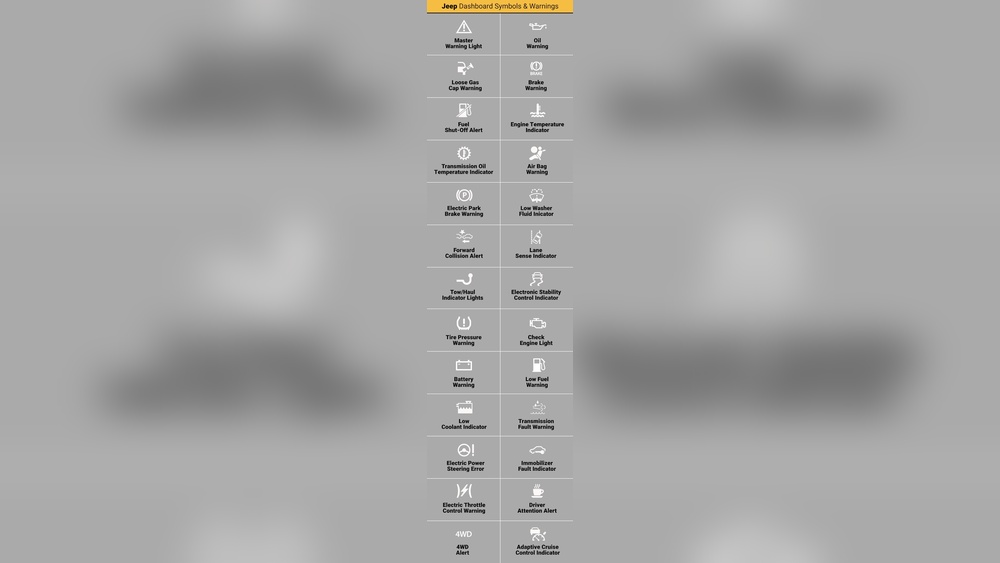
Common Jeep Renegade Warning Lights And Their Meanings
Let’s look at the most common warning lights you’ll see and what each one means.
Engine Warning Light
This light looks like an engine or sometimes says “CHECK ENGINE. ” It can mean many things, from a loose gas cap to a serious engine problem.
If it stays on, get your Renegade checked soon. If it’s flashing, stop driving and call for help.
Oil Pressure Warning
An oil can symbol means your engine’s oil pressure is low. Driving with this light on can quickly damage the engine. Check your oil level right away. If it’s full and the light stays on, get professional help.
Battery Charge Warning
A battery-shaped light means there’s a problem with your charging system. Your battery might be failing, or the alternator could be bad.
Your car may lose power or not start.
Brake System Warning
This light looks like a circle with an exclamation point or the word “BRAKE.” It can mean the parking brake is on, or there’s a problem with your brake system. Low brake fluid or worn pads may trigger it. If you feel the brakes aren’t working well, stop driving.
Abs Warning Light
ABS stands for Anti-lock Braking System. If this light comes on, your anti-lock brakes may not work properly, but standard brakes should still function. Drive carefully and get the system checked.
Tire Pressure Monitoring System (tpms)
A horseshoe shape with an exclamation point signals low tire pressure. Check all tires and inflate them to the recommended pressure.
Airbag Warning Light
A symbol of a person with a circle in front of them shows a problem with your airbag system. Airbags may not work in a crash. Have this checked as soon as possible.
Coolant Temperature Warning
A thermometer symbol means your engine is overheating. Stop as soon as it’s safe and let the engine cool down. Driving hot can destroy the engine.
Traction Control Light
This light flashes when your traction control system is working to prevent wheel spin. If it stays on, there may be a fault in the system.
Electronic Stability Control (esc) Light
An ESC symbol means your stability control is active or there’s an issue with the system. If it’s always on, get it checked.

Color Codes: What They Mean
Jeep Renegade warning lights use colors to show urgency. Here’s a quick guide:
| Color | Meaning | Action Needed |
|---|---|---|
| Red | Serious issue or safety warning | Stop driving if safe |
| Yellow/Amber | Attention needed soon | Check soon |
| Green/Blue | System active or information | No immediate action |
Red lights mean stop immediately, while yellow means you can keep driving but need service soon. Green and blue lights are usually for information, like high beams or cruise control.
What To Do When A Warning Light Comes On
Not every warning light means you should panic. Here are steps to follow:
- Check the manual. Your Renegade’s manual explains every symbol.
- Notice the color. Red needs urgent action. Yellow needs attention soon.
- Pay attention to how the car feels. Unusual noises, smells, or handling mean you should stop and call for help.
- Don’t ignore lights. Small problems can become big ones if left unchecked.
Jeep Renegade Warning Light Quick Reference
Here’s a handy comparison of a few key Jeep Renegade warning lights:
| Symbol | Name | Immediate Danger? | What To Do |
|---|---|---|---|
| Engine icon | Check Engine | Sometimes | Check cap, visit mechanic |
| Oil can | Oil Pressure | Yes | Stop, check oil, get help |
| Circle/Exclamation | Brake System | Yes | Stop, check brakes |
| Battery | Battery Charge | Possibly | Check system, see mechanic |
| Horseshoe/Exclamation | TPMS | No | Check tire pressure |
Two Insights Most Owners Miss
First, many drivers don’t realize that even brief warning lights matter. If a light comes on for a few seconds and then goes away, it still means the system noticed something unusual. Logging these events can help your mechanic find problems.
Second, using an OBD-II scanner can help you read the fault codes yourself. These small devices plug into your car and show why the light is on. They save time and give you more control over repairs.

Common Mistakes With Warning Lights
Some owners cover or ignore warning lights, hoping they’ll go away. This is risky.
Also, many think all warning lights mean a huge repair bill, but sometimes it’s just a sensor or a loose wire. Don’t panic—get a proper diagnosis.
When To Get Professional Help
If a red warning light stays on, or your Renegade feels or sounds different, get help right away. For yellow lights, make an appointment soon. Don’t guess if you’re not sure—modern cars are complex, and problems can get worse quickly.