Building your own cold air intake for a Jeep Cherokee is an exciting project that can boost both performance and satisfaction. Many Jeep owners want more horsepower, better throttle response, and a deeper engine sound without spending hundreds on a commercial kit. With basic tools, a bit of patience, and some smart shopping, you can make a custom cold air intake that fits your needs and budget.
Why Build A Cold Air Intake For Your Jeep Cherokee?
A cold air intake brings cooler air from outside the engine bay into your engine. Cooler air is denser and contains more oxygen, which helps your engine burn fuel more efficiently. This can mean more power, especially at higher RPMs.
Many stock intakes pull warm air from inside the engine bay. Aftermarket kits fix this, but DIY builds let you:
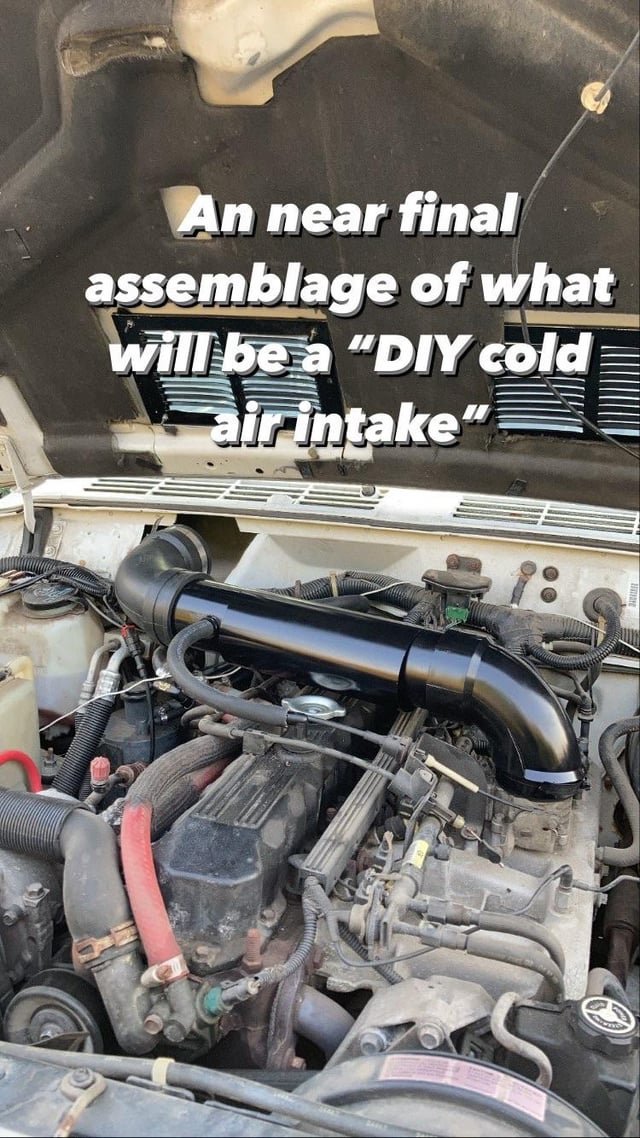
- Save money (often under $100)
- Customize the look and fit
- Learn more about your vehicle
Performance gains vary, but some Jeep Cherokee owners report improvements of 5–10 horsepower and slightly better gas mileage.
What You’ll Need: Tools And Parts
Before starting, gather everything you need:
- High-flow cone air filter (3” or 3.5” inlet, depending on your Jeep’s throttle body)
- Aluminum or plastic intake tubing (3” or 3.5” diameter, 2–3 feet long)
- Silicone couplers and clamps
- Mass air flow (MAF) sensor adapter (if your Cherokee uses one)
- Hose for crankcase ventilation (if required)
- Basic hand tools (screwdrivers, sockets, pliers)
- Heat shield material (optional but recommended)
- Zip ties or mounting brackets
Tip: Double-check your Jeep Cherokee’s model year. For example, the 1997–2001 XJ has a different setup than older models.
Typical Costs
| Part | Estimated Cost |
|---|---|
| Air Filter | $20–$40 |
| Intake Tubing | $25–$50 |
| Couplers & Clamps | $10–$20 |
| Other Supplies | $10–$30 |
Step-by-step: Building And Installing Your Cold Air Intake
Upgrading your intake is straightforward if you plan ahead. Here’s how to do it right:
1. Remove The Old Air Intake
- Disconnect the battery for safety.
- Unclip or unscrew the air box and remove the stock intake tubing.
- Carefully unplug any sensors attached to the old system.
Insight: Don’t throw away your stock parts—you may need them for emissions testing or resale.
2. Measure And Test Fit Your New Tubing
- Hold the new intake tubing in place to check fit.
- Make sure there’s enough space, especially near the radiator and fan.
- Mark where the filter will sit—ideally near the front of the engine bay for the coldest air.
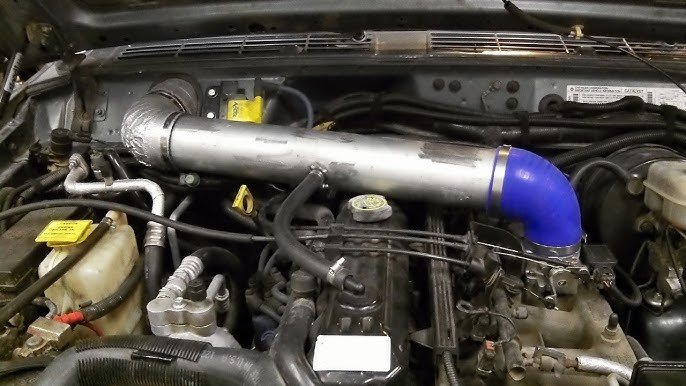
3. Install Couplers, Clamps, And Filter
- Attach couplers to the throttle body and intake tubing. Tighten the clamps.
- If your model has a MAF sensor, install the adapter between the tubing and throttle body.
- Connect the air filter to the end of the tubing.
- Secure everything using brackets or zip ties. Avoid placing parts near moving belts or hot surfaces.
Tip: Check that the tubing does not rub against sharp edges or hot exhaust parts.
4. Reconnect Sensors And Hoses
- Plug in the MAF sensor and any other sensors.
- If your Jeep has a crankcase breather hose, connect it to the new intake using an adapter or grommet.
5. Build A Heat Shield (optional)
A simple heat shield can help your intake pull colder air. Use thin aluminum or heat-resistant plastic to separate the filter from the engine. Secure it with brackets.
6. Final Checks
- Double-check all connections.
- Reconnect the battery.
- Start the engine and listen for leaks or unusual sounds.
- Take a short test drive, checking for engine codes or poor running.
Comparing Diy Cold Air Intake Vs. Store-bought Kits
Many wonder if building your own intake is really worth it. Here’s a quick comparison:
| Feature | DIY Intake | Aftermarket Kit |
|---|---|---|
| Cost | Low ($50–$150) | High ($200+) |
| Fit & Finish | Custom, may need adjustment | Perfect fit |
| Performance Gain | Similar | Similar |
| Installation Time | 2–3 hours | 1–2 hours |
| Learning Experience | High | Low |
Common Mistakes And How To Avoid Them
- Wrong tubing size: Measure your throttle body opening before buying parts.
- Loose connections: Always double-check clamps and couplers for air leaks.
- Poor filter placement: Place the filter away from the engine for best results.
- Ignoring sensors: Do not skip reconnecting the MAF or breather hose.
- No heat shield: Without a barrier, you lose much of the cold air benefit.
Extra Tip: Some Jeep Cherokees may display a check engine light if the MAF sensor isn’t installed correctly. Always test before long drives.
Real-world Results
Owners have shared their experiences online, and most agree that a DIY cold air intake gives:
- A noticeable “growl” when accelerating
- Slightly better throttle response
- Small but real gains in horsepower
You won’t turn your Cherokee into a race car, but for the cost, the upgrade is worth it for daily driving and off-road fun. For more on cold air intake benefits, visit this Wikipedia page.
Maintenance Tips For Your Cold Air Intake
- Check the filter every 5,000 miles and clean or replace as needed.
- Tighten all clamps after off-road trips.
- Inspect the tubing for cracks, especially after extreme weather.
Keeping the system clean and tight ensures long-term performance.
Frequently Asked Questions
How Much Horsepower Can I Gain From A Cold Air Intake?
Most Jeep Cherokee owners see gains of 5–10 horsepower. The biggest difference is in throttle response and engine sound.
Is A Diy Cold Air Intake Safe For My Engine?
Yes, if installed correctly with a quality air filter and tight connections. Always reconnect all sensors and hoses.
Will I Get Better Gas Mileage?
Some users report a small improvement, usually 1–2 MPG. Real results depend on driving style and other engine factors.
Do I Need To Tune My Engine After Installing A Cold Air Intake?
For basic intakes on a Jeep Cherokee, a tune is not required. However, if you add other upgrades, a tune may help.
Can I Pass Emissions Tests With A Diy Intake?
Usually yes, if you keep all sensors and hoses connected. For strict states, keep your original intake for inspections.
Making your own cold air intake is a practical way to upgrade your Jeep Cherokee. You’ll learn more about your vehicle, save money, and enjoy a more responsive engine.
With careful planning and attention to detail, this project can be rewarding for both beginners and experienced mechanics.


















