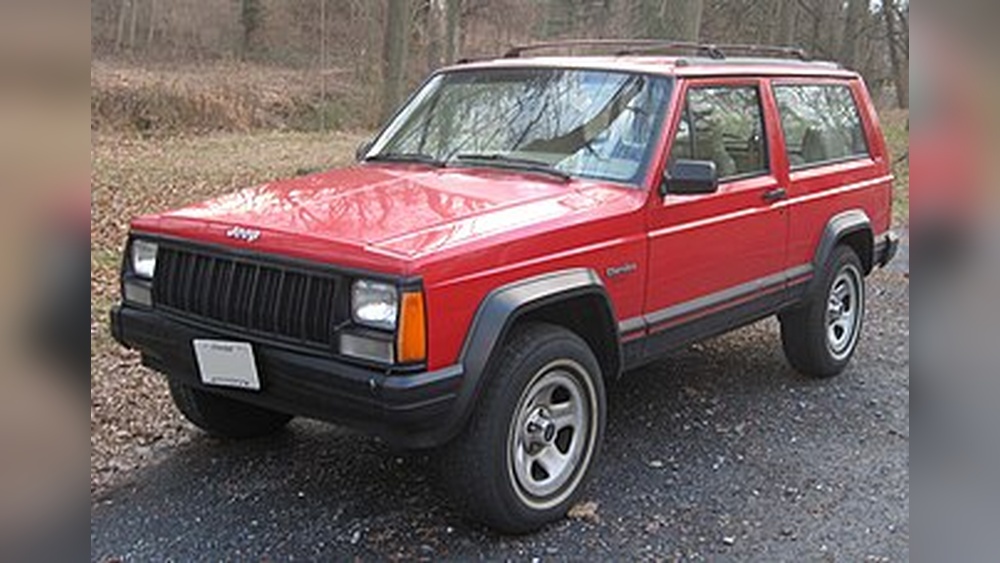
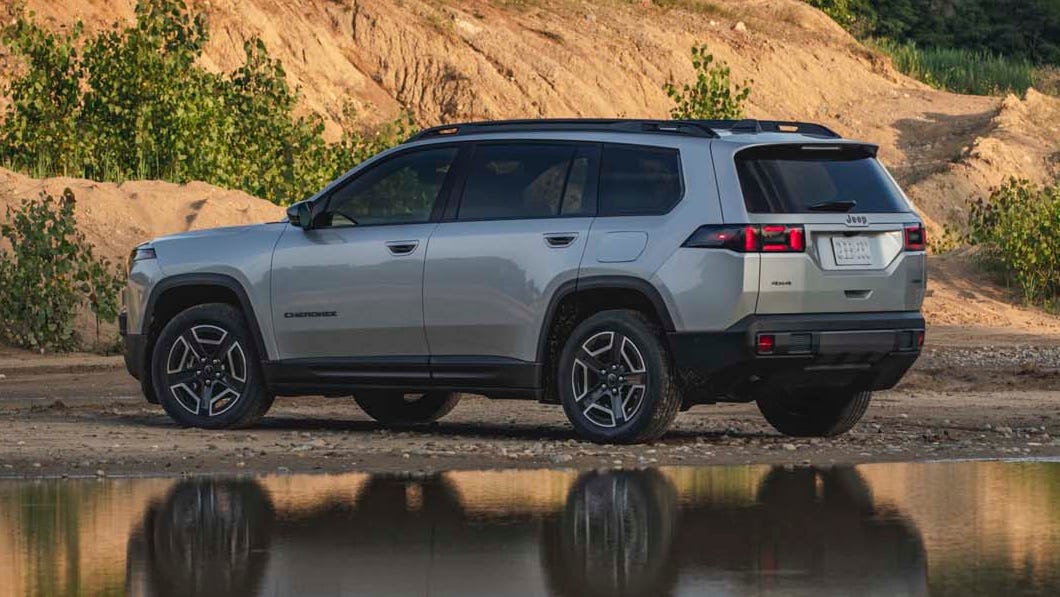
If you own a Jeep Cherokee, you likely know it as a capable SUV with off-road abilities and a strong four-wheel drive (4WD) system. But what if you want to convert your Jeep Cherokee to 2-wheel drive (2WD)? Maybe you’re searching for better fuel efficiency, less maintenance, or a unique project challenge. This guide will explain what’s involved, the reasons for making such a change, common pitfalls, and how to approach the process—step by step. Whether you have a classic XJ Cherokee, a newer model, or just want to understand the differences, this article is your trusted roadmap.
Why Convert A Jeep Cherokee To 2-wheel Drive?
For many, the 4WD system is the heart of the Jeep Cherokee’s appeal. However, there are several practical reasons why owners consider switching to 2WD:
- Better Fuel Efficiency: 4WD systems add weight and create mechanical drag, which can lower gas mileage. Removing these parts can improve efficiency by 1–3 miles per gallon, depending on driving conditions.
- Lower Maintenance Costs: 4WD components like transfer cases, front differentials, and drive shafts need regular care. Eliminating them means fewer parts to service.
- Simpler Repairs: With fewer moving parts, diagnosing and fixing future problems becomes easier and often cheaper.
- Weight Reduction: Shedding the 4WD system can reduce your Cherokee’s weight by 100–200 pounds, making it a bit lighter on its feet.
- Project Builds: Some enthusiasts want to build a custom Cherokee for street use or racing, where 2WD is preferred.
- Failed 4WD Systems: If your 4WD system is too expensive to fix, converting to 2WD is sometimes cheaper than repairing or replacing parts.
It’s important to note: Converting to 2WD is not reversible without significant work. This is a major change, so be sure it fits your needs.
Understanding Jeep Cherokee Drivetrain Differences
Before starting a conversion, it’s essential to understand what makes a 4WD Cherokee different from a 2WD Cherokee. Here’s a quick comparison:
| Feature | 4WD Cherokee | 2WD Cherokee |
|---|---|---|
| Transfer Case | Yes | No |
| Front Driveshaft | Yes | No |
| Front Differential | Yes | No |
| Fuel Efficiency | Lower | Higher |
| Weight | Heavier | Lighter |
| Complexity | Higher | Lower |
Key Insight: Many parts are shared, but the drivetrain and suspension design are the main differences. Always check your specific Cherokee model and year, as layouts can vary.
What You Need For The Conversion
Switching a 4WD Jeep Cherokee to 2WD isn’t just removing the front driveshaft. It’s a bigger project that requires:
- Basic tools: Wrenches, sockets, jacks, stands
- Replacement parts: 2WD transmission or tailshaft housing, 2WD driveshaft, crossmember (sometimes)
- New transmission mount (may be different)
- 2WD Cherokee parts: Sourced from salvage yards or online
- Repair manual: For your specific year/model
You’ll also need:
- Mechanical skill: This is not a beginner DIY job.
- Workshop space: A flat, safe area to work under the vehicle.
- Patience: The process can take several days.
Tip: Some beginners forget about the need for a new driveshaft after removing the transfer case. Always plan for this part.
Step-by-step: How To Make Jeep Cherokee 2 Wheel Drive
This overview is for general reference. Always refer to a service manual for your specific Cherokee model and year.
1. Preparation And Safety
- Park your Cherokee on a flat surface.
- Disconnect the battery.
- Raise the vehicle with a jack and support it securely on jack stands.
- Wear safety glasses and gloves.
2. Remove The Front Driveshaft
- Locate the front driveshaft under the vehicle.
- Unbolt it from both the transfer case and the front differential.
- Slide the driveshaft out and set aside.
3. Remove The Front Differential And Axles (optional)
- For a true weight reduction, some owners remove the front differential and CV axles.
- Support the front axle housing and unbolt it from the suspension.
- Remove the CV axles from the wheel hubs.
Note: Some choose to leave the front axle in place for structural reasons, especially if unsure about suspension changes.
4. Remove The Transfer Case
- Drain the transfer case fluid.
- Disconnect the transfer case from the transmission.
- Remove any wiring or linkages.
- Slide the transfer case out (it’s heavy—use caution).
5. Replace Transmission Tail Housing
- The 4WD transmission is shorter and connects to a transfer case. The 2WD transmission has a longer tailshaft housing.
- You can either:
- Swap the entire transmission for a 2WD unit from the same year/model.
- Install a 2WD tailshaft housing and output shaft on your current transmission (advanced work).
- Install the 2WD transmission mount and crossmember if needed.
6. Install 2wd Driveshaft
- Find a driveshaft from a 2WD Cherokee of the same wheelbase and year.
- Install the new driveshaft between the transmission and the rear differential.
7. Double-check Suspension And Steering
- Removing the front axle or differential may affect suspension geometry.
- Inspect and replace any parts as needed.
- Make sure the front wheels are properly aligned.
8. Test Drive And Troubleshooting
- Lower the vehicle carefully.
- Reconnect the battery.
- Start the engine and check for leaks or strange noises.
- Test drive at low speed, listening for vibrations or issues.
Beginner Mistake: Forgetting to check transmission fluid level after the swap. Always top off fluids.
Cost Considerations
The cost of converting a Jeep Cherokee to 2WD can vary widely. Here’s a breakdown:
| Item | Estimated Cost (USD) |
|---|---|
| 2WD Driveshaft (used) | $50–$150 |
| 2WD Transmission or Tailshaft | $200–$700 |
| Labor (if not DIY) | $500–$1500 |
| Miscellaneous (fluids, mounts, tools) | $50–$200 |
If you do the work yourself and source parts secondhand, you might complete the project for under $500. Having a shop do the swap could cost $1,500 or more.
Potential Downsides And Risks
While converting to 2WD offers benefits, there are also risks:
- Reduced resale value: Modified Cherokees often sell for less, as most buyers want 4WD.
- Insurance complications: Some insurance companies may not cover non-standard modifications.
- Loss of off-road ability: 2WD Cherokees are much less capable in snow, mud, or off-road conditions.
- Possible drivetrain issues: If work is not done correctly, you may experience vibrations, leaks, or transmission damage.
Non-obvious insight: If you live in a region with harsh winters, a 2WD Cherokee may struggle on icy roads. Consider your local climate before making the switch.
Alternatives To Full Conversion
Not ready for a full conversion? Here are a few less-involved options:
- Remove just the front driveshaft: This disables 4WD but leaves the system in place for easy reinstallation.
- Install free-wheeling hubs: Some aftermarket kits allow you to disconnect the front wheels from the drivetrain, reducing drag.
- Rebuild or repair the 4WD system: Sometimes, fixing what’s broken is cheaper and easier than converting.
Pro tip: Always keep any parts you remove, in case you want to reverse the process or sell them.
Real-world Examples
Car forums and Jeep communities are full of stories from owners who have made this swap. For example, a user on the JeepForum community reported gaining 2 mpg after removing the transfer case and front driveshaft.
Another owner built a drag racing Cherokee with a full 2WD swap, reporting a 200-pound weight drop and improved quarter-mile times.
If you need more inspiration or real-world advice, check out discussions at JeepForum.

Legal And Registration Issues
In some areas, converting a vehicle’s drivetrain may affect its registration or emissions status. Always check with your local DMV before starting the conversion.
Some states require inspections or paperwork for significant mechanical changes.
What Are The Main Benefits Of Making A Jeep Cherokee 2 Wheel Drive?
The biggest benefits are improved fuel efficiency, lower maintenance, and simplified repairs. The vehicle becomes lighter and may feel more responsive on the road. For those who never use 4WD, it reduces unnecessary complexity.
Can I Switch Back To 4wd After Converting To 2wd?
Technically, yes, but it is a lot of work. You would need to reinstall the transfer case, front driveshaft, front differential, and related parts. This is time-consuming and expensive, so only proceed if you’re sure you won’t need 4WD again.
Will Converting To 2wd Affect My Cherokee’s Value?
Usually, yes. Most buyers expect a Jeep Cherokee to have 4WD. Removing it can lower resale value and limit your pool of interested buyers. If resale is important to you, consider other options.
Is This Conversion Legal Everywhere?
In most places, it’s legal to convert your own vehicle, but some states have strict rules for major modifications. Always check with your local DMV or inspection agency before starting. You might need to update your registration or pass a new inspection.
What Is The Hardest Part Of The Conversion?
For most people, the transmission work is the most difficult step. Swapping tailshaft housings or transmissions requires mechanical skill, special tools, and sometimes heavy lifting equipment. If you’re not experienced, consider hiring a professional for this part.
In Summary
Converting a Jeep Cherokee to 2 wheel drive is a significant but rewarding project for the right owner. Whether you want better fuel economy, lower maintenance, or a new challenge, it’s possible with careful planning and the right parts. Just remember—this swap is not easily undone, and it does change the soul of your Jeep. Weigh the pros and cons, consider your driving needs, and don’t hesitate to ask for advice from experienced Jeep owners. With patience and attention to detail, you can give your Cherokee a whole new life on the road.