The Fun And Freedom Of Little 4-wheeler Gas Jeeps
Imagine a sunny afternoon, the wind in your hair, and the thrill of adventure. For many, this picture includes a 4-wheeler gas jeep.
These miniature marvels aren't just toys; they are gateways to outdoor fun, teaching valuable skills, and creating lasting memories. Whether it's for a child's first taste of driving or a small adult looking for a recreational vehicle, these little 4-wheelers offer a unique blend of excitement and accessibility.
These vehicles, often resembling scaled-down versions of iconic jeep models, are designed for off-road exploration. They provide a safe and controlled way to experience the joy of driving and navigating varied terrain.
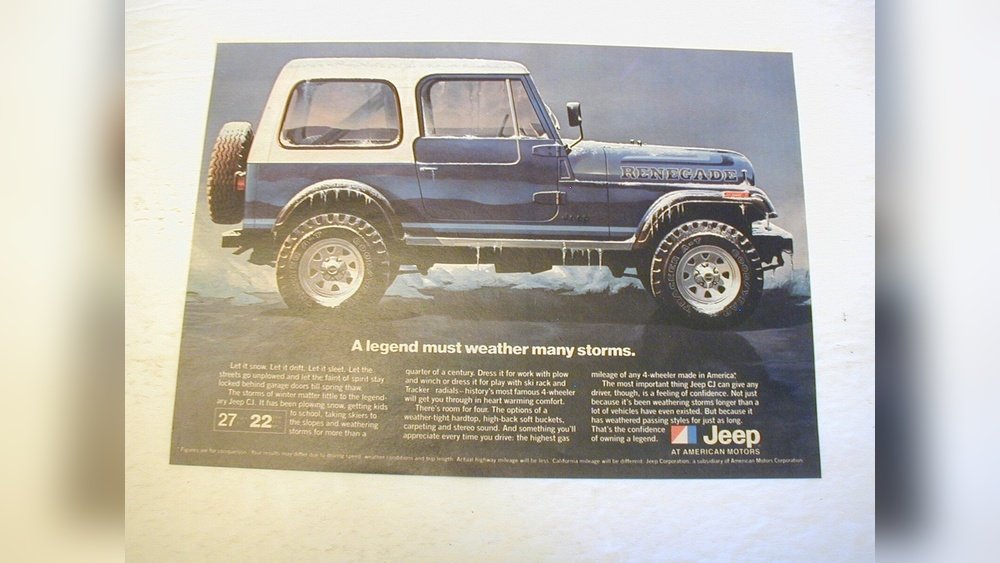
From backyard trails to park paths, a 4-wheeler gas jeep can turn an ordinary day into an extraordinary adventure.
This article will explore what makes these vehicles so popular, what to consider when choosing one, and the sheer joy they bring to riders of all ages.
Understanding The Appeal Of Mini 4-wheeler Jeeps
The charm of a little 4-wheeler gas jeep lies in its ability to combine the rugged appeal of a full-sized jeep with the user-friendliness and safety of a smaller vehicle. They are built with younger riders in mind, but many models are also suitable for adults who want a lighter, more agile off-road experience.
Safety First: Designed For Young Riders
Safety is paramount when it comes to vehicles for children. Manufacturers of these mini jeeps prioritize safety features to ensure a secure riding experience. This often includes:
- Speed Limiters: Many models come with adjustable speed limiters, allowing parents to control how fast their child can go. This is crucial for beginners who are still learning to handle the vehicle.
- Remote Engine Shut-off: Some parental controls include a remote key fob that can shut down the engine from a distance, providing an extra layer of security.
- Seatbelts and Roll Bars: Similar to their full-sized counterparts, these mini jeeps often feature seatbelts and sturdy roll bars to protect the rider in case of a rollover.
- Sturdy Construction: They are built with durable frames and materials designed to withstand minor impacts and the rigors of off-road use.
Simplicity In Operation
Compared to full-sized ATVs or complex off-road vehicles, these little jeeps are designed for simple operation. They typically feature:
- Automatic Transmissions: Most models come with automatic transmissions, making them easy to drive. Riders mainly focus on steering and using the accelerator and brake pedals.
- Basic Controls: The dashboard usually has straightforward controls, often including a key ignition, lights, and perhaps a simple gear selector (forward, neutral, reverse).
- Low Center of Gravity: Their design often prioritizes a lower center of gravity, contributing to stability on uneven ground.
The Thrill Of Off-road Adventure
Despite their small size, these 4-wheelers offer a genuine off-road experience. They are capable of handling dirt trails, grass, and light gravel, providing a sense of independence and adventure for the rider. This is where the “jeep” aspect truly shines, the ability to go where paved roads end.
Key Features To Look For In A Little 4-wheeler Gas Jeep
When selecting a mini 4-wheeler jeep, several features should be considered to ensure you get the right vehicle for your needs and the rider’s capabilities. These factors range from engine size and power to build quality and intended use.
Engine Size And Power
The engine is the heart of any vehicle, and for little 4-wheelers, it determines the performance and suitability for different terrains and riders.
- Small Engines (e.g., 50cc – 100cc): These are typically found in models designed for very young children. They offer lower speeds and are ideal for flat, open areas like backyards or driveways. They provide a gentle introduction to driving.
- Medium Engines (e.g., 110cc – 150cc): These engines provide more power and are suitable for slightly older children or smaller adults. They can handle more varied terrain, including gentle inclines and rougher paths.
- Larger Engines (e.g., 150cc – 200cc+): While still considered “little” in the grand scheme of off-road vehicles, these offer the most power and capability. They are best suited for older teens or adults and can tackle more challenging trails.
Pro Tip: Always match the engine size to the rider’s experience and the intended terrain. Overpowering a young or inexperienced rider can be dangerous.
Drivetrain And Suspension
The drivetrain and suspension system are critical for off-road performance and rider comfort.
- Drivetrain: Most little 4-wheelers will have a 2WD (two-wheel drive) system. Some higher-end models might offer 4WD (four-wheel drive) for better traction on slippery or steep surfaces, mimicking full-sized off-road vehicles.
- Suspension: A good suspension system absorbs shocks from bumps and uneven ground, providing a smoother ride and better control. Look for models with independent suspension on all wheels if possible, as this offers superior handling compared to solid axles.
Build Quality And Durability
Since these vehicles are often used outdoors and may encounter rough conditions, their build quality is essential.
- Frame Material: A steel frame is standard and provides the necessary strength.
- Body Panels: Look for durable plastic or composite body panels that can withstand minor impacts and UV exposure.
- Tires: The type and tread of the tires will affect traction. Knobby, off-road tires are best for varied terrain.
Braking System
Effective brakes are non-negotiable for safety.
- Disc Brakes: Hydraulic disc brakes, especially on all four wheels, offer the best stopping power and reliability.
- Drum Brakes: Some smaller or more budget-friendly models might use drum brakes, which are adequate but generally less effective than disc brakes, particularly in wet conditions.
Size And Weight Capacity
Ensure the jeep is appropriately sized for the rider and can handle their weight. Check the manufacturer's specifications for maximum rider weight and recommended age range.
A vehicle that is too small or too large for the rider can be difficult and unsafe to operate.
Popular Types Of Little 4-wheeler Gas Jeeps
The market offers a variety of mini 4-wheeler jeeps, each catering to different preferences and needs. While specific brands and models change, they generally fall into a few categories based on design and intended use.
It's important to note that "gas jeep" can sometimes refer to ATVs (All-Terrain Vehicles) that have a jeep-like body style, or sometimes even small UTVs (Utility Task Vehicles) designed for younger riders.
Here are some common types you might encounter:
1. The Classic Mini Jeep Wrangler Style
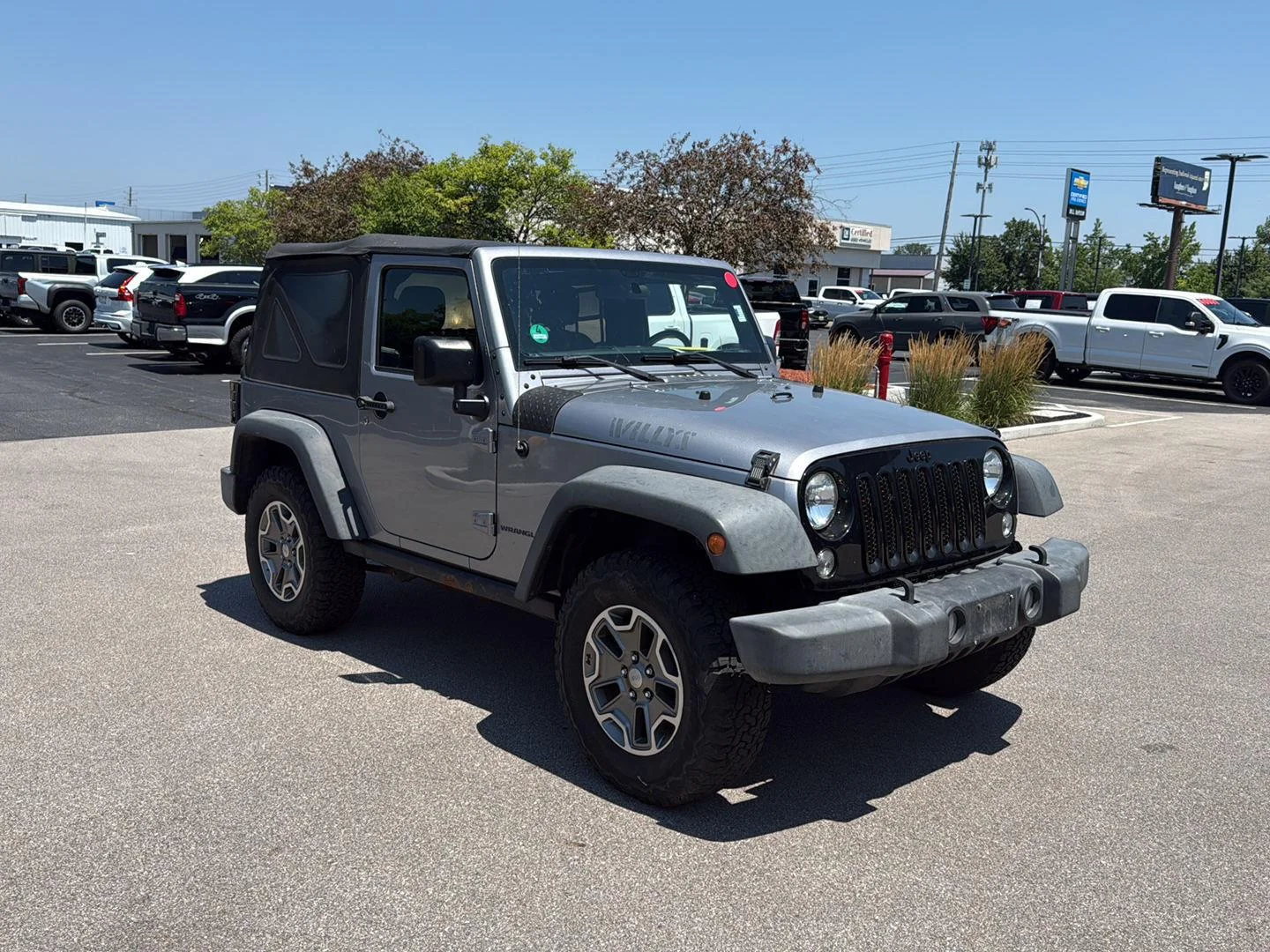
These are perhaps the most recognizable. They are designed to mimic the iconic Jeep Wrangler, complete with a boxy body, round headlights, and often a mock grille.
- Target Audience: Primarily children aged 6-12, though some larger models can accommodate smaller adults.
- Features: Usually feature a single-seater design, automatic transmission, and engines ranging from 50cc to 150cc. They are built for recreational use on relatively flat terrain like lawns, dirt paths, or designated riding areas.
- Pros: Familiar and appealing design, often come with safety features like speed limiters and remote shut-offs.
- Cons: Can be less powerful for very rough terrain, primarily designed for lighter use.
2. The Sporty Atv-style Mini Jeep
Some manufacturers blend the ATV form factor with jeep-like styling, creating a vehicle that looks more aggressive and sporty. These might have a more open design than the classic mini jeep.
- Target Audience: Children aged 6-14, with some models suitable for beginners of any age.
- Features: Often have a slightly lower profile, sportier tires, and sometimes more aggressive suspension. Engine sizes typically range from 70cc to 150cc. They might offer more agile handling for recreational riding.
- Pros: More dynamic appearance, potentially better handling for enthusiastic riders.
- Cons: May offer less protection from the elements compared to a fully enclosed mini jeep.
3. The Two-seater Mini Utv/side-by-side Jeep
These are larger vehicles designed to accommodate two riders side-by-side. They resemble small UTVs and offer a more stable and social riding experience.
- Target Audience: Older children, teenagers, or adults looking for a companion ride. Often suitable for ages 12 and up, with adult supervision.
- Features: Typically feature engines from 100cc up to 200cc or more. They have steering wheels, bucket seats with seatbelts, and a more robust frame. These are great for family outings.
- Pros: Can carry two people, offering a shared adventure. More stable due to wider stance, generally more powerful and capable on varied terrain.
- Cons: Larger and heavier, requiring more space for storage and operation. Can be more expensive.
4. The Electric Mini Jeep
While the request specifies “gas,” it’s worth noting the growing popularity of electric versions. These offer a quieter, emission-free alternative.
- Target Audience: Similar to gas models, catering to children and recreational riders.
- Features: Powered by rechargeable batteries. Engine power is measured in watts or voltage. Offer instant torque and quiet operation.
- Pros: Environmentally friendly, quieter operation, lower running costs (electricity vs. gas), less maintenance.
- Cons: Limited range and charging time, may not offer the same raw power or top speed as comparable gas models.
When choosing, consider the rider's age, experience level, the intended use (backyard fun vs. trail riding), and your budget.
Always check the manufacturer's safety recommendations and age guidelines.

Essential Safety Gear For Little 4-wheeler Riders
Riding a 4-wheeler, even a small one, carries inherent risks. Proper safety gear is non-negotiable for protecting the rider. Investing in quality safety equipment is just as important as choosing the right vehicle.
Here’s a breakdown of essential gear:
- Helmet: This is the most critical piece of safety equipment.
- Type: A DOT-approved (or equivalent standard like ECE) full-face helmet offers the best protection for the head and face. Avoid novelty helmets or those not certified for impact protection.
- Fit: Ensure the helmet fits snugly but comfortably. It should not move around when the rider shakes their head. Chin straps must be securely fastened.
- Eye Protection:
- Goggles or Visor: If the helmet doesn’t have a full face shield, wear goggles that fit securely with the helmet. This protects the eyes from dirt, debris, insects, and wind, which can impair vision.
- Protective Clothing:
- Long Sleeves and Pants: Wear durable, long-sleeved shirts and long pants made of sturdy material like denim or specialized riding gear. This protects the skin from abrasions, sunburn, and minor impacts. Avoid loose clothing that could get caught in moving parts.
- Riding Boots: Over-the-ankle boots are essential. They protect the feet and ankles from impacts, crushing injuries, and abrasions. Hiking boots can work, but dedicated riding boots offer superior protection.
- Gloves: Full-fingered gloves improve grip on the handlebars and protect the hands from scrapes, blisters, and impacts. Look for gloves with good padding and grip.
- Body Armor (Optional but Recommended):
- Chest Protectors/Pads: For more aggressive riding or rougher terrain, consider a chest protector or padded vest to shield the torso.
- Knee and Elbow Pads: These offer additional protection against impacts and abrasions, especially for younger or less experienced riders.
Parental Supervision And Training
Beyond gear, constant adult supervision is crucial for young riders. Ensure the rider understands the vehicle’s controls and limitations. Many manufacturers offer basic training materials or recommend specific riding courses. Teaching responsible riding habits from the start is key to preventing accidents.
Maintaining Your Little 4-wheeler Gas Jeep
Like any gasoline-powered engine, a mini 4-wheeler jeep requires regular maintenance to ensure it runs smoothly, safely, and lasts for years. Neglecting maintenance can lead to performance issues, costly repairs, and safety hazards.
Regular Checks Before Each Ride
Before every outing, perform a quick but thorough inspection:
- Tire Pressure and Condition: Check that tires are properly inflated and free from damage like cuts or bulges.
- Fluid Levels: Ensure the oil level is correct. For many small engines, this is a simple dipstick check. Also, check the fuel level.
- Brakes: Test the brakes to ensure they engage firmly and the vehicle stops effectively. Check brake fluid levels if applicable.
- Chain/Belt Tension: If the vehicle has a chain drive, check its tension and lubrication. If it has a belt drive, inspect for wear.
- Fasteners: Quickly check that nuts, bolts, and screws are tight, especially on critical components like wheels, handlebars, and the seat.
- Lights and Horn: If equipped, test that lights and the horn are working.
Periodic Maintenance Tasks
Beyond pre-ride checks, schedule regular maintenance based on the manufacturer’s recommendations (often listed in hours of use or mileage).
- Oil Changes: The engine oil should be changed at regular intervals to keep the engine lubricated and clean. The frequency depends on the engine size and usage, but typically ranges from 20 to 50 hours of operation.
- Air Filter Cleaning/Replacement: A clogged air filter restricts airflow to the engine, reducing power and efficiency. Clean or replace it according to the schedule.
- Spark Plug Inspection/Replacement: Spark plugs ignite the fuel-air mixture. They should be inspected for wear and fouling and replaced as needed.
- Fuel System Maintenance: Keep the fuel tank clean and use fresh fuel. Periodically check the fuel lines for leaks or damage. Consider using a fuel stabilizer if the vehicle will be stored for an extended period.
- Lubrication: Lubricate moving parts like suspension joints, steering components, and chains regularly to prevent wear and ensure smooth operation.
- Battery Care: If the vehicle has an electric start, check the battery terminals for corrosion and ensure the battery is charged.
Storage
Proper storage is vital, especially during off-seasons.



















