When you think about upgrading your Jeep Grand Cherokee, many parts come to mind: tires, suspension, engine performance. But one component that often gets overlooked, yet plays a crucial role in your driving experience and safety, is the steering wheel.
If you're looking to replace a worn-out wheel, add a touch of personalization, or improve functionality, a junkyard steering wheel for your Jeep Grand Cherokee can be a surprisingly good option.
This isn't just about finding a cheap replacement; it's about smart sourcing, understanding compatibility, and knowing what to look for.
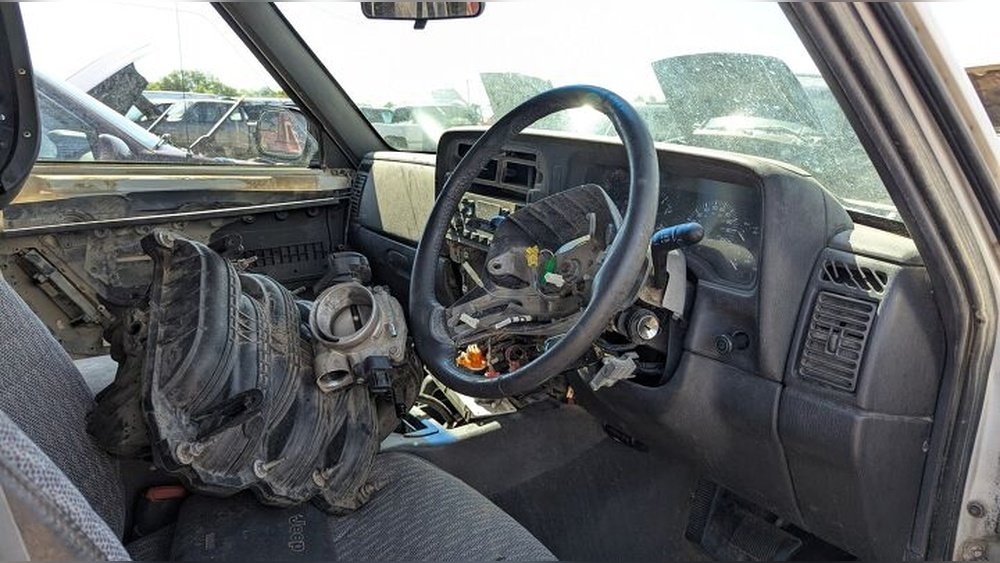
Many owners face situations where their original steering wheel is damaged, cracked, or simply looks dated. In these cases, the cost of a brand-new OEM (Original Equipment Manufacturer) steering wheel can be quite high.
This is where the junkyard, or salvage yard, comes into play.
These yards are treasure troves of used auto parts, and with a bit of patience and knowledge, you can find a perfectly good steering wheel for a fraction of the new price. However, it’s not as simple as just grabbing the first wheel you see.
There are specific considerations for Jeep Grand Cherokees that we’ll explore, from model year compatibility to airbag systems and material condition.
This guide will walk you through everything you need to know about sourcing a junkyard steering wheel for your Jeep Grand Cherokee. We’ll cover how to identify the right fit, what to inspect before you buy, and the steps involved in the replacement process.
Whether you’re a seasoned DIYer or looking to save money on a repair, understanding the ins and outs of junkyard parts can lead to a successful and cost-effective upgrade for your beloved Grand Cherokee.
Why Consider A Junkyard Steering Wheel?
The allure of a junkyard steering wheel for your Jeep Grand Cherokee stems from a few key advantages, primarily centered around cost savings and availability. When your current steering wheel is damaged, perhaps from sun exposure, age, or an accident, the thought of buying a new one can be daunting. Dealership prices for OEM replacements can be substantial, often running into hundreds of dollars, especially for models with integrated controls or airbag systems. A junkyard offers a direct solution to this financial hurdle.
Beyond the obvious price difference, junkyards can be a valuable resource for finding specific trim or special edition steering wheels. Jeep has offered various Grand Cherokee trims over the years, each potentially featuring unique steering wheel designs, materials (like wood grain or perforated leather), or button layouts for things like audio and cruise control. If you’re trying to restore a classic Grand Cherokee to its original glory or simply prefer a particular aesthetic, a salvage yard might be the only place to find that exact, discontinued part. This is especially true for older generations where parts are no longer manufactured.
Furthermore, for those who enjoy DIY projects and the satisfaction of working on their own vehicle, sourcing parts from a junkyard adds another layer to the experience. It encourages a deeper understanding of the vehicle’s components and how they are assembled. It’s a practical way to learn about automotive repair while keeping costs down. However, it’s crucial to remember that safety systems like airbags are integrated into many steering wheels, and their proper function is paramount.
Understanding Jeep Grand Cherokee Steering Wheel Generations And Compatibility
The Jeep Grand Cherokee has a long history, spanning multiple generations, and steering wheel designs have evolved significantly throughout these years. This evolution means that not all steering wheels are interchangeable. Understanding the generation of your Grand Cherokee is the first and most critical step in finding a compatible junkyard replacement.
The Jeep Grand Cherokee has primarily been produced in five distinct generations:
- First Generation (ZJ): 1993, 1998
- Second Generation (WJ): 1999, 2004
- Third Generation (WK): 2005, 2010
- Fourth Generation (WK2): 2011, 2026
- Fifth Generation (WL): 2026, Present
Within these generations, there can be further sub-model variations and design changes, especially during mid-cycle refreshes. For example, a steering wheel from a 1995 Grand Cherokee (ZJ) will likely not fit a 2005 Grand Cherokee (WK), and vice-versa. The spline count and type on the steering column, the mounting mechanism, and the electrical connectors for features like airbags, horn, and steering wheel controls (if equipped) are specific to certain years and models.
Key Compatibility Factors to Consider:
- Model Year Range: Steering wheels are generally most compatible within their specific generation and often within a narrower range of years within that generation. Some minor overlap might exist between very close years, but it’s not guaranteed. Always confirm the compatibility range for your specific year and trim.
- Airbag System: This is the most critical safety component. Steering wheels from models with airbags cannot be directly fitted to models without them, and vice-versa, without significant and potentially unsafe modifications. Even within airbag-equipped models, the airbag module itself can differ in shape, connector, and resistance, which can cause an airbag warning light to illuminate or, worse, affect deployment. It’s best to try and match a wheel from a vehicle with the same airbag system configuration as yours.
- Steering Wheel Controls: If your Grand Cherokee has buttons on the steering wheel for audio, cruise control, or the instrument cluster display, the replacement wheel must have compatible wiring and connectors. A wheel without these controls won’t have the necessary connections, and a wheel with different controls might have incompatible wiring.
- Trim Level: Higher trim levels often come with premium features like leather wrapping, wood accents, or heated steering wheels. While the basic mounting might be the same, the electrical components and trim pieces can differ. If you have a specific feature, try to find a junkyard wheel that matches.
- Horn Button/Airbag Cover: The center section that houses the horn and airbag can also vary in design. Ensure the one you’re looking at matches your vehicle’s aesthetic or can be swapped with your original if necessary (though this can be complex with airbags).
Pro Tip: Before heading to the junkyard, thoroughly research your specific Jeep Grand Cherokee model’s steering wheel part numbers and compatibility charts. Online forums dedicated to Jeep Grand Cherokees are excellent resources for this information, often populated by owners who have successfully performed similar swaps.

What To Inspect At The Junkyard: A Buyer’s Checklist
Walking into a junkyard with a clear plan is essential for finding a quality steering wheel. You don’t want to bring home a part that looks good at first glance but is riddled with hidden problems. Here’s a detailed checklist of what to inspect:
1. Overall Condition And Material Integrity
Start with a general visual inspection. Look for any obvious signs of damage that could compromise the wheel’s structure or your grip.
- Cracks and Splits: Pay close attention to the entire surface of the wheel, especially where the grip meets the spokes. Cracks can worsen over time and make the wheel uncomfortable or unsafe to use. Check for cracks in the plastic trim as well.
- Tears and Punctures: If the wheel is leather-wrapped or has a soft-touch finish, inspect for tears, cuts, or deep gouges. These can be unsightly and may indicate the material is degrading.
- Wear and Tear: Significant wear on the grip areas is common. While some minor shininess from hand oils is normal, excessive smoothness or bald spots can mean the material is worn thin.
- Fading and Discoloration: Sun exposure can cause significant fading, especially on darker wheels. Check if the color is consistent or if there are noticeable patches where it has lightened.
2. Airbag Module Condition (if Applicable)
If your Grand Cherokee has an airbag, the steering wheel will include the airbag module. This is a critical safety component, and its condition is paramount.
- Airbag Cover Integrity: Inspect the plastic cover that hides the airbag. It should be free of cracks, tears, or signs of tampering. A damaged cover might mean the airbag has been deployed or mishandled.
- Connector Security: If possible, try to get a look at the electrical connector for the airbag. It should be clean, free of corrosion, and securely attached. Never attempt to disconnect or connect an airbag module unless you are trained and follow proper safety procedures. (This inspection is purely visual).
- Warning Signs: Some junkyard vehicles might have a visible airbag warning light on the dashboard. This could indicate an issue with the airbag system, potentially including the steering wheel itself.
If your vehicle is equipped with steering wheel controls, meticulously check each button.
- Button Functionality: Press each button firmly. They should depress smoothly and feel like they are engaging. Listen for any clicking sounds that indicate they are working.
- Button Surface Wear: Check the labels on the buttons for excessive wear. If the icons are completely rubbed off, the buttons may have been heavily used and could be prone to failure.
- Loose Buttons: Ensure no buttons are loose, wobbly, or feel like they are about to fall off.
- Wiring Harness: If accessible, examine the wiring harness connected to the controls for any signs of fraying, cuts, or corrosion.
The center of the steering wheel is where the horn is typically located.
- Horn Pad Condition: Inspect the horn pad (often the airbag cover itself) for cracks or damage.
- Mounting: Ensure the horn pad is securely attached to the steering wheel and doesn’t rattle or feel loose.
- Spline/Hub Fit: While you likely won’t be able to fully test this without removing the wheel, try to get a sense of how the wheel mounts to the column. Look for any damage to the central hub where it connects.
5. Clock Spring Inspection (visual)
The clock spring is a crucial ribbon cable assembly located behind the steering wheel that allows electrical signals to pass from the steering column to the steering wheel (for airbag, horn, and controls) while the wheel turns.
- Visual Damage: If you can see any part of the clock spring assembly (sometimes visible around the steering column when the wheel is off), check for obvious signs of damage, such as torn wires or a cracked housing. A damaged clock spring will cause your airbag light to come on, and your horn and controls will stop working.
6. Material And Finish
Beyond structural integrity, consider the aesthetic and feel.
- Leather Quality: If it’s a leather-wrapped wheel, check for dryness, cracking, or excessive wear. Try to feel the texture, it should feel supple, not brittle or rough.
- Plastic Finish: For plastic wheels, check for deep scratches, melting (from extreme heat), or a chalky appearance that indicates UV damage.
- Odor: Sometimes, a steering wheel can absorb strong odors (smoke, mildew). Give it a sniff test if possible.
Example: When I was looking for a replacement wheel for my old Grand Cherokee, I found one that looked perfect from a distance. But up close, I noticed a spiderweb of tiny cracks on the underside of the grip, and the leather felt unnaturally dry and stiff. I passed on it, knowing those cracks would likely spread and make it uncomfortable.
The Junkyard Steal: Pricing And Negotiation
One of the biggest draws of a junkyard steering wheel is the price. However, prices can vary significantly based on the yard, the condition of the part, and the specific model of your Grand Cherokee.
Typical Price Ranges:
- Basic, Non-Airbag Wheel: You might find these for as little as $20 to $50. These are usually for older models or base trims without extra features.
- Airbag-Equipped Wheel: These generally cost more due to the safety component. Expect prices from $50 to $150, depending on the year, condition, and whether the airbag module is included and functional.
- Wheels with Controls/Premium Features: If the wheel has integrated audio controls, cruise control buttons, or premium materials like wood trim or perforated leather, the price can climb higher, potentially reaching $100 to $250 or more.
Negotiation Tactics:
- Inspect Thoroughly: Pointing out minor flaws (scratches, worn spots) can be a basis for negotiation.
- Know the Market Value: Do a quick online search for similar used steering wheels on sites like eBay or dedicated Jeep parts forums. This gives you leverage if the yard’s price is too high.
- Bundle Parts: If you’re buying multiple items, ask for a package deal.
- Build Rapport: Some smaller, independent yards are more open to negotiation, especially if you’re a regular customer or friendly with the staff.
- “As-Is” Nature: Remember that most junkyard parts are sold “as-is.” While some yards offer a limited warranty (e.g., 30 days), it’s usually for defects, not for issues you discover later due to improper installation or unforeseen wear.
Where to Find Junkyards:
- Local Salvage Yards: Search online for “auto salvage yards near me” or “used Jeep parts.”
- Online Junkyard Databases: Websites like Pull-A-Part, U-Pull-It, or local equivalents often list their inventory and prices. Some even allow you to search for specific parts.
- Specialty Jeep Salvage Yards: There are yards that specialize in Jeep parts, which can be excellent resources for Grand Cherokees.
Example: I once found a perfect leather steering wheel for a WK Grand Cherokee at a local yard. The price was $120. However, one of the audio control buttons was slightly sticky. I mentioned it, and they knocked $20 off the price, bringing it down to $100. It was a small discount, but it acknowledged the imperfection.

Installation: Diy Vs. Professional
Replacing a steering wheel can range from a relatively straightforward DIY job to a complex task, largely depending on whether your Grand Cherokee has an airbag.
Diy Installation (for Non-airbag Wheels Or Experienced Diyers)
If your Grand Cherokee does not have an airbag, or if you are a very experienced DIYer comfortable working with safety systems, the process is generally as follows:
- Disconnect Battery: Crucially, disconnect the negative battery terminal and wait at least 15-30 minutes to allow any residual power in the airbag system to dissipate. This is a non-negotiable safety step.
- Remove Airbag Module (If Present): If you are replacing an airbag wheel with another airbag wheel, you’