If you’re searching for a Jeep YJ, you’re not alone. This classic SUV, known as the Wrangler YJ, was built from 1987 to 1995.
Its boxy style and fun driving experience attract both collectors and off-road fans. But not all YJs are equal—some years have more problems than others.
Choosing the wrong year could mean expensive repairs, constant breakdowns, or even disappointment. Let’s look at which Jeep YJ years to avoid, why these issues happen, and how you can find a reliable YJ for your adventures.
What Makes The Jeep Yj Unique?
The Jeep YJ was the first Wrangler model. It replaced the CJ series and brought several changes:
- Rectangular headlights (unique to YJ)
- A wider and lower stance than older Jeeps
- Leaf spring suspension for both front and rear
- Easier handling on-road compared to previous models
Despite these updates, some years had significant flaws. Understanding these can help you avoid costly mistakes.
Jeep Yj Years To Avoid
Some YJ years stand out for having more problems, recalls, or weak reliability. Here’s a closer look at the years you should be cautious about:
1987 Jeep Yj
The first production year often has teething issues. The 1987 YJ had several:
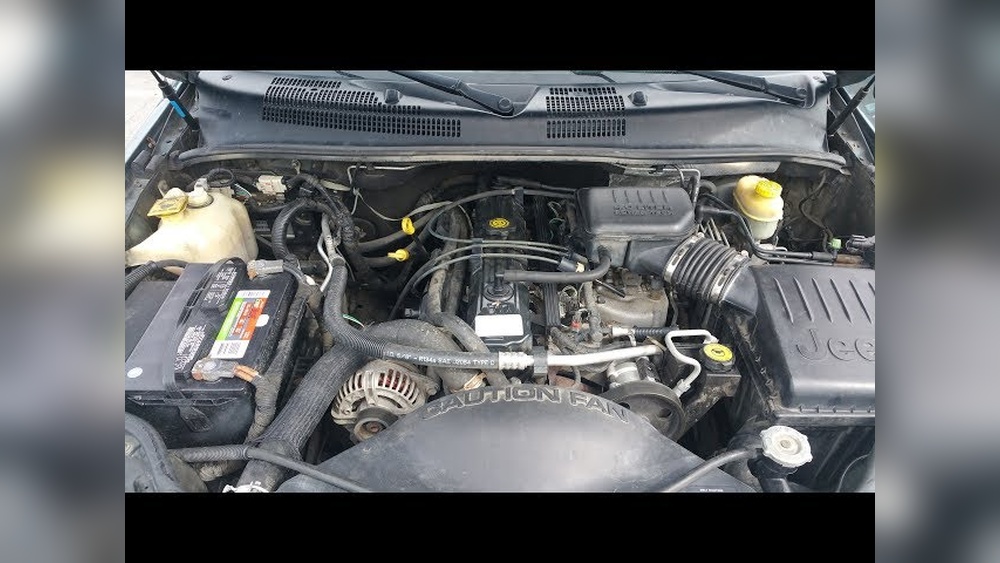
- Weak 2.5L four-cylinder engine: Many owners report poor power and durability.
- Carburetor problems: The carbureted engines struggled with cold starts and stalling.
- Electrical gremlins: Headlights and dash lights often failed.
These issues make the 1987 model less desirable, especially for daily driving.
1988-1990 Jeep Yj
The following years saw some improvements, but major problems remained:
- Peugeot BA-10/5 transmission: Used from 1987 to early 1989, this manual gearbox is known for poor reliability. It often fails before 100,000 miles.
- Frame rust: Early YJs didn’t have enough rust protection, especially in northern climates.
- Rear axle issues: The Dana 35 rear axle sometimes breaks under heavy use.
If you find a YJ from these years, check the transmission and frame carefully.
1991 Jeep Yj
Jeep switched to fuel injection in 1991, which fixed some carburetor issues. However, a few problems remained:
- First-year fuel injection glitches: Some owners had stalling and rough idling.
- Electrical system bugs: Wiring harness issues led to random failures.
While not as risky as the earliest models, 1991 YJs can still surprise you with expensive repairs.
1995 Jeep Yj
The final year of the YJ had some unique challenges:
- Rush to finish production: Some quality control corners were cut.
- Parts mismatch: Jeep was switching to the new TJ platform, so some YJs left the factory with odd combinations of parts.
Buying a 1995 model means double-checking that everything is original and works as it should.

Jeep Yj Years Worth Considering
Not every YJ is a headache. Here are some better years:
- 1992-1994: These models have better electronics, improved rust protection, and the reliable AX-15 manual transmission.
- Fuel-injected 4.0L engine: Available from 1991 onward, this engine is much more dependable than the older carbureted engines.
Common Problems Across All Yj Years
Even the best YJs have their quirks. Here are some problems you might find, no matter the year:
- Rust: The frame, floor pans, and body mounts are common rust spots.
- Weak axles: The stock Dana 35 rear axle is not strong enough for heavy off-roading or big tires.
- Electrical issues: Old wiring and corroded connectors can cause random faults.
- Leaky soft tops: Water leaks are common, especially in older or poorly maintained YJs.
Here’s a comparison of major problem areas by year:
| Year | Engine Issues | Transmission Issues | Rust Risk | Electrical Problems |
|---|---|---|---|---|
| 1987 | High | High | High | Medium |
| 1988-1990 | Medium | High | High | Medium |
| 1991 | Medium | Medium | Medium | High |
| 1992-1994 | Low | Low | Medium | Low |
| 1995 | Medium | Medium | Medium | Medium |
What To Look For When Buying A Jeep Yj
If you’re set on a YJ, do these checks before buying:
- Inspect the frame and underbody for rust holes or repairs.
- Test the transmission for smooth shifting—avoid models with the BA-10/5 manual.
- Start the engine cold and hot to check for rough idle, smoke, or leaks.
- Check for matching VINs on the body and frame for originality.
- Make sure all electronics (lights, wipers, radio) work as expected.
Here’s a quick comparison of the best and worst YJ features:
| Best Features | Worst Features |
|---|---|
| Simple, classic design | Poor rust protection (early years) |
| Reliable 4.0L engine (from 1991) | Weak axles |
| Easy to repair and customize | Problematic transmissions (BA-10/5) |
Non-obvious Insights For Jeep Yj Buyers
- Look for previous upgrades: If a YJ has had its transmission or rear axle replaced with stronger parts, it can be a better buy—even if it’s from a “bad” year.
- Originality matters: Collectors prefer YJs with factory parts and matching numbers. Modified YJs can be fun but lose value quickly.
- Rust repair is expensive: Fixing serious frame rust can cost more than the Jeep’s value. Always check inside the frame rails with a small camera or by tapping with a hammer.
- The right tires matter: Many YJ problems come from oversized tires. If you see a YJ with huge tires but stock axles, expect future repairs.
- Documentation is key: A well-kept maintenance history beats a low price. It shows the owner cared about the Jeep.