Jeep Xj To Jk Wheel Adapters: Bridging Generations Of Trail Capability
The Jeep world is a passionate one, filled with enthusiasts eager to customize their rides for better performance, unique looks, or specific off-road challenges. One common desire among Jeep owners is the ability to swap wheels from different generations of the iconic brand.
For those looking to fit modern JK Wrangler wheels onto an older Jeep XJ Cherokee, wheel adapters are often the solution. These adapters act as a crucial bridge, allowing incompatible bolt patterns to connect, opening up a world of wheel choices.
Understanding how these adapters work, their benefits, potential drawbacks, and how to choose the right ones is essential for any XJ owner considering this popular modification.
The Jeep XJ Cherokee, produced from 1984 to 2001, boasts a classic 5×4.5 inch (5×114.3mm) bolt pattern. The Jeep JK Wrangler, manufactured from 2007 to 2018, sports a different, larger 5×5 inch (5x127mm) bolt pattern. This difference in stud spacing is the primary reason why direct wheel installation is impossible. Without adapters, an XJ owner would be limited to wheels designed specifically for the XJ’s bolt pattern, which can be a more restricted selection compared to the vast array of wheels available for the JK. Wheel adapters solve this by essentially creating a new hub surface on the XJ that matches the JK’s bolt pattern, or vice versa, depending on the adapter’s design.
Why Swap Jeep Wheels? The Allure Of Modern Rims
The appeal of fitting JK wheels onto an XJ goes beyond mere compatibility. The JK generation introduced a range of wheel designs, from basic steelies to stylish alloy options, that many XJ owners find more aesthetically pleasing.
Furthermore, the JK's larger bolt pattern is also shared by other Jeep models and even some trucks, meaning a wider selection of aftermarket wheels designed for this pattern are available.
This increased availability can translate into more options, better pricing, and access to specialized off-road wheels that might not be offered in the XJ’s original bolt pattern.
Beyond aesthetics, there are practical considerations. Some JK wheels are designed to accommodate larger brake systems, which can be a desirable upgrade for an XJ, especially if it's being used for more demanding off-road excursions or towing.
The wider stance that some JK wheels, particularly those with different offsets, can provide also contributes to improved stability on uneven terrain.
This enhanced stability is a critical factor for any off-road vehicle, offering better control and confidence when tackling challenging trails.
Understanding Wheel Adapters: The Mechanics Of Compatibility
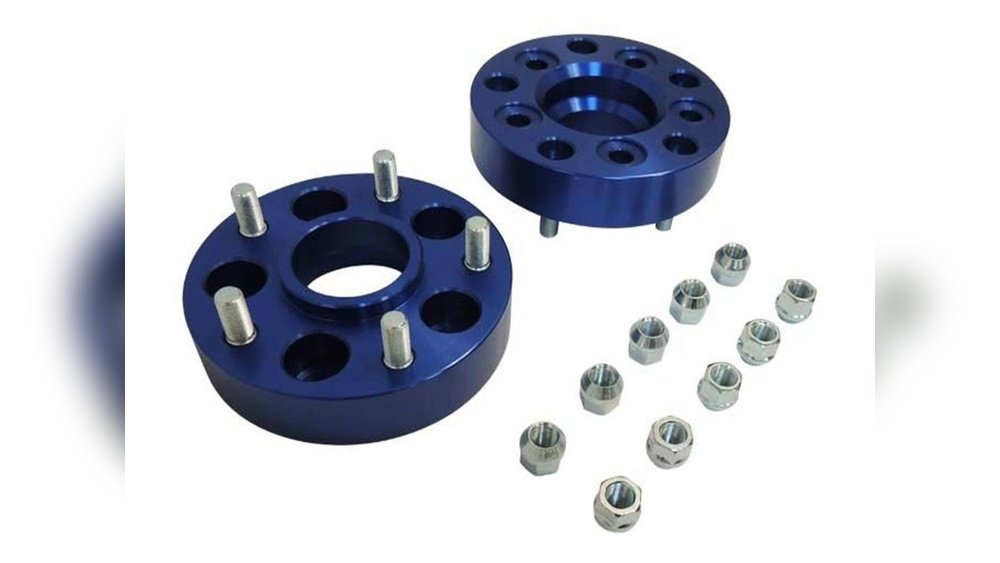
At their core, wheel adapters are precision-machined pieces of metal, typically aluminum or steel, that bolt onto your existing wheel studs. They feature two distinct bolt patterns: one that matches your vehicle’s original hub (in this case, the XJ’s 5×4.5 inch pattern) and another that matches the bolt pattern of the wheels you wish to install (the JK’s 5×5 inch pattern).
There are two main types of adapters to consider for this specific swap:
- Bolt-On Adapters (or Spacers with a second bolt pattern): These are the most common type. They have a set of studs that protrude from the adapter itself. You bolt the adapter to your Jeep’s hub using your original lug nuts. Then, you mount the new wheel onto the adapter’s studs using lug nuts designed for the JK wheel. These adapters effectively push the wheel further out from the hub, increasing the vehicle’s track width.
- Hub-Centric Adapters: These are designed to be more precise. They not only adapt the bolt pattern but also feature a lip that matches your Jeep’s hub diameter and a corresponding recess on the wheel to center it perfectly. This ensures that the wheel is properly centered on the adapter, which is then centered on the hub, minimizing vibration and stress on your wheel bearings. While bolt-on adapters are functional, hub-centric designs offer a more secure and balanced fit.
The thickness of the adapter is a critical factor. Thicker adapters will push the wheels out further, potentially causing them to rub against the fenders or suspension components, especially if larger tires are used.
Conversely, thinner adapters might not provide enough clearance for brake calipers or other parts.
It’s a delicate balance that requires careful consideration of your specific setup, including tire size and suspension lift.
The Benefits Of Using Xj To Jk Wheel Adapters
The primary advantage of using Jeep XJ to JK wheel adapters is the vastly expanded wheel selection. This allows XJ owners to:
- Access a Wider Range of Aftermarket Wheels: Many modern aftermarket wheels are designed with the JK’s 5×5 bolt pattern. Using adapters opens up this entire market to your XJ.
- Achieve a Desired Stance: Adapters, especially thicker ones, can push your wheels outward, giving your Jeep a more aggressive, wider stance. This can improve stability on uneven terrain and enhance the vehicle’s visual appeal.
- Potentially Improve Brake Clearance: Some JK wheels, or wheels designed for the JK pattern, may offer more clearance for larger brake rotors and calipers, a valuable upgrade for performance and safety.
- Utilize Existing JK Wheels: If you’re upgrading from a JK or have acquired JK wheels, adapters provide a direct path to using them on your XJ without needing to sell and buy a new set of wheels.
- Cost-Effectiveness: In some cases, finding a good set of used JK wheels and a set of adapters can be more economical than purchasing a brand-new set of wheels specifically for the XJ bolt pattern, especially if you’re looking for specific styles or features.
Potential Drawbacks And Considerations
While adapters offer significant benefits, it’s crucial to be aware of the potential downsides. These are not minor issues and can impact your Jeep’s handling, safety, and long-term durability if not addressed properly.
- Added Stress on Wheel Bearings: Any time you increase the offset of a wheel (by pushing it further out with an adapter), you are effectively changing the leverage placed on your wheel bearings. This can lead to premature wear and potential failure if the adapters are excessively thick, the wheels are too wide, or the vehicle is subjected to heavy off-road abuse without proper consideration.
- Vibrations and Balancing Issues: Improperly installed or low-quality adapters can lead to vibrations, especially at higher speeds. Ensuring the adapter is perfectly centered on the hub and the wheel is properly seated on the adapter is paramount. Even with good adapters, the added complexity can sometimes make achieving perfect wheel balance more challenging.
- Reduced Steering Precision: A wider track width, while beneficial for stability, can sometimes make steering feel slightly less precise, particularly at lower speeds. This is due to increased scrub radius and changes in steering geometry.
- Potential for Rubbing: As mentioned, thicker adapters push wheels outward. This can cause tires to rub against fenders, fender flares, or suspension components, especially when turning or when the suspension is compressed. This often necessitates the use of fender flares or even fender trimming.
- Durability Concerns with Lower Quality Adapters: Not all adapters are created equal. Cheaply made adapters, especially those with imprecise machining or made from lower-grade materials, can crack or fail under stress. This is a serious safety hazard.
- Increased Maintenance: The added components mean more potential points of failure and more to check during regular maintenance. Lug nut torque needs to be checked meticulously on both the adapter-to-hub connection and the wheel-to-adapter connection.
Choosing The Right Adapters: Key Factors To Consider
Selecting the correct wheel adapters for your Jeep XJ to JK conversion is critical for safety and performance. Here are the essential factors to evaluate:
1. Bolt Pattern Match
This is the most fundamental aspect. You need adapters that specifically match your XJ’s 5×4.5 inch (5×114.3mm) bolt pattern on one side and the JK’s 5×5 inch (5x127mm) bolt pattern on the other. Always double-check the specifications provided by the manufacturer.
2. Adapter Thickness
The thickness determines how much the wheels will be pushed outward.
- Thinner adapters (e.g., 1 to 1.5 inches): These are often sufficient to clear minor brake caliper interference or provide a slight stance improvement without drastically altering the vehicle’s geometry. They are generally less likely to cause significant issues with rubbing or bearing stress.
- Thicker adapters (e.g., 2 inches or more): These provide a more pronounced stance change and can accommodate wheels with significant backspacing. However, they also place more stress on the wheel bearings and increase the likelihood of tire rubbing.
Pro Tip: Before purchasing, consider the backspacing of your desired JK wheels and the stock XJ wheel wells. A good rule of thumb is to aim for an adapter thickness that results in the final wheel offset being as close as possible to a factory JK offset, if possible, to minimize negative impacts on geometry.
3. Material And Construction
Adapters are typically made from either T6 aluminum or steel.
- Aluminum: Lighter weight, corrosion-resistant. Common for spacers and thinner adapters. Ensure it’s high-grade T6 aluminum for strength.
- Steel: Heavier but generally considered stronger, especially for thicker adapters or applications involving extreme loads.
Look for adapters with a hub-centric design if available. These have a lip that matches your XJ’s hub diameter and a corresponding bore on the wheel side to ensure perfect centering. This is superior to lug-centric adapters, which rely solely on the lug nuts to center the wheel.
4. Stud Size And Thread Pitch
Ensure the studs integrated into the adapter (for mounting the wheel) match the lug nuts used for JK wheels. Similarly, confirm the holes for mounting the adapter to your XJ hub accommodate your XJ's original studs.
Most adapters will specify the required lug nut thread pitch (e.
g. , 1/2″-20 or M14x1. 5).
5. Hub Diameter And Wheel Bore
For optimal fit, the adapter’s hub bore (the inner diameter that fits over your Jeep’s hub) should precisely match your XJ’s hub diameter. Likewise, the wheel bore of the adapter (where the wheel mounts) should ideally match the hub bore of the JK wheel you intend to use, creating a hub-centric fitment. If a perfect match isn’t available, a slightly larger wheel bore on the adapter is acceptable, as long as the wheel itself has a hub bore that matches your XJ’s hub diameter (if using a spacer-like adapter) or the adapter’s hub-centric lip.
6. Quality And Reputation Of The Manufacturer
Always purchase adapters from reputable manufacturers known for quality control and durable products. Read reviews, check forums, and choose brands that stand behind their products with warranties. Avoid generic, unbranded adapters from unknown sources.
Installation Guide: A Step-by-step Approach
Installing wheel adapters on your Jeep XJ is a manageable DIY project for those with basic mechanical skills and the right tools. However, always prioritize safety. If you are unsure at any point, consult a professional mechanic.
Tools and Materials You’ll Need:
- Wheel Adapters: Correct size and bolt pattern for XJ to JK.
- Lug Nuts: For mounting the adapter to the XJ hub and for mounting the JK wheel to the adapter. Ensure correct thread pitch and seating type (conical/acorn for most aftermarket wheels).
- Torque Wrench: Essential for precise tightening.
- Jack and Jack Stands: For safely lifting and supporting the vehicle.
- Socket Set and Ratchet: With appropriate sizes for lug nuts and adapter mounting bolts.
- Wire Brush: To clean the hub surface.
- Penetrating Oil (optional): For stubborn lug nuts.
- Thread Locker (e.g., Loctite Blue): Recommended for adapter mounting bolts.
- Gloves and Safety Glasses.
Installation Steps:
- Prepare the Vehicle: Park your Jeep on a level surface. Engage the parking brake and place wheel chocks behind the wheels that will remain on the ground.
- Loosen Lug Nuts: Slightly loosen the lug nuts on the wheel you are working on while the vehicle is still on the ground. Do not remove them completely yet.
- Lift the Vehicle: Using your jack, lift the Jeep at the appropriate jacking point until the wheel is off the ground. Securely place a jack stand beneath the frame or axle for support. Never work under a vehicle supported only by a jack.
- Remove the Wheel: Fully unscrew the lug nuts and carefully remove the factory XJ wheel.
- Clean the Hub: Use a wire brush to thoroughly clean the wheel studs and the mounting surface of the hub. This ensures the adapter sits flush and makes proper contact. Remove any rust, dirt, or debris.
- Mount the Adapter:
- Slide the wheel adapter onto the XJ’s wheel studs. Ensure it sits completely flush against the hub surface.
- Apply a small amount of blue thread locker to the threads of your XJ’s wheel studs where the adapter will mount.
- Install the appropriate lug nuts (these should be for the adapter-to-hub connection) onto the adapter’s studs.
- Tighten the lug nuts in a star pattern to ensure even pressure.
- Torque the lug nuts to the manufacturer’s specified torque setting for your XJ. This is crucial for safety. Consult your Jeep’s service manual or a reliable online resource for the correct torque value (typically around 100-120 ft-lbs for XJs, but verify).
- Mount the JK Wheel:
- Place the JK wheel onto the adapter’s studs. Ensure the wheel sits flat against the adapter face.
- Install the appropriate lug nuts for the JK wheel (these will thread onto the adapter’s studs).
- Tighten these lug nuts in a star pattern.
- Torque the wheel lug nuts to the specifications for the JK wheel or the adapter manufacturer’s recommendation (often similar to XJ torque values, but again, verify).
- Repeat for All Wheels: Follow the same procedure for the remaining wheels on your Jeep.
- Final Checks: Once all wheels and adapters are installed, carefully lower the vehicle. Re-torque all lug nuts (both on the adapter-to-hub connection and the wheel-to-adapter connection) after driving a short distance (e.g., 25-50 miles). This is a critical safety step, as components can settle. Period