Understanding Jeep Xj Oem Wheel Size
The Jeep Cherokee XJ is a beloved icon in the off-road community and for everyday drivers alike. Its rugged capability, compact size, and enduring design have made it a popular choice for decades.
When it comes to customizing or maintaining your XJ, one of the most critical aspects is understanding the OEM wheel size. The correct wheel size is not just about looks; it impacts your vehicle's performance, handling, safety, and even its speedometer accuracy.
This guide will explore everything you need to know about Jeep XJ OEM wheel sizes, from factory specifications to common upgrades and considerations.
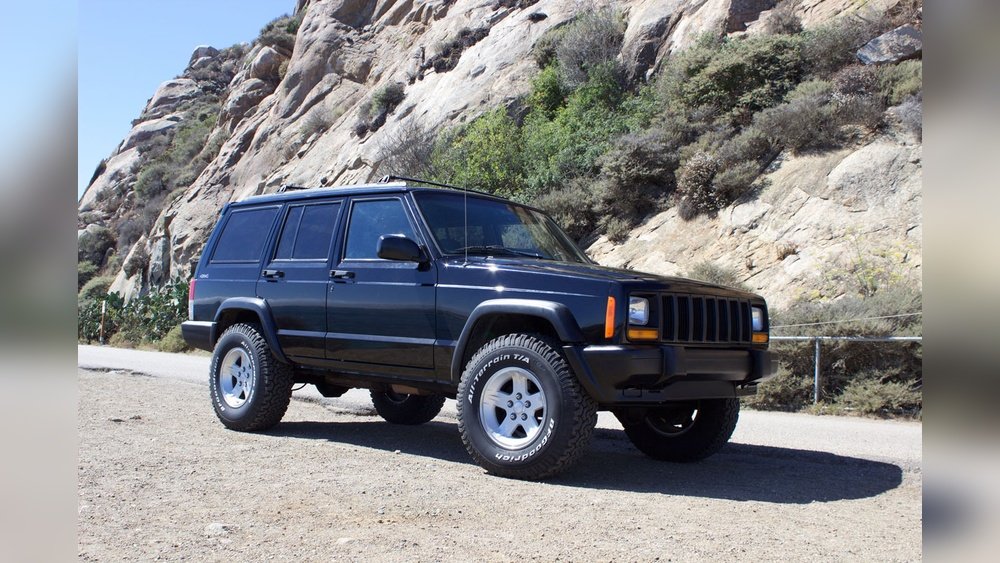
When Jeep rolled out the Cherokee XJ in 1984, it introduced a revolutionary unibody construction for an SUV, setting it apart from its body-on-frame competitors. This innovative design contributed to its lighter weight and more car-like handling, making it accessible to a broader audience.
Over its impressive 17-year production run, the XJ saw several updates and variations, but its core appeal remained consistent. Understanding the original equipment manufacturer (OEM) wheel specifications is your starting point for any wheel-related project.
These are the sizes that Jeep engineers designed the vehicle to use, ensuring optimal balance between ride comfort, off-road performance, and fuel efficiency.
The most common OEM wheel size for the Jeep Cherokee XJ is 15 inches in diameter. This size was standard on the majority of XJ models produced throughout its lifespan. However, it’s important to note that some higher trim levels or later model years might have offered optional 16-inch wheels. The width of these OEM wheels typically ranged from 7 to 7.5 inches. Knowing both the diameter and width is crucial because it dictates the tire sizes that can be safely and effectively mounted. A 15×7 wheel will have different tire size options compared to a 15×7.5 wheel, and both differ significantly from a 16-inch wheel.
Beyond just the diameter and width, other crucial specifications determine wheel fitment. These include the bolt pattern, offset, and center bore. The bolt pattern refers to the number of lug nuts and the diameter of the circle on which they are mounted. For the Jeep XJ, the standard bolt pattern is 5×4.5 inches (or 5×114.3mm). This means there are five lug nuts arranged in a circle with a diameter of 4.5 inches. The offset is the distance from the wheel’s mounting surface to the centerline of the wheel. A positive offset pushes the wheel inward, while a negative offset pushes it outward. The XJ typically uses a low positive offset (around +25mm to +30mm), which helps keep the wheels tucked within the fender wells. The center bore is the hole in the center of the wheel that fits over the vehicle’s hub. Using wheels with the correct bolt pattern, offset, and center bore ensures proper fitment and reduces stress on your vehicle’s suspension and steering components.
Common Jeep Xj Oem Wheel Sizes And Specifications
Throughout its production, the Jeep Cherokee XJ featured a few key OEM wheel sizes that are important for owners to recognize. While 15-inch wheels were the most prevalent, understanding the variations and their associated tire sizes is essential for proper maintenance and modification.
The most widespread OEM wheel size for the Jeep XJ is 15×7 inches. This size was standard on a vast majority of models from 1984 through the early 2000s. This wheel size commonly accommodated tires ranging from 29 to 31 inches in overall diameter. For example, a P235/75R15 tire is a very common size that fits well on a 15×7 wheel and is close to the stock diameter for many XJs. This size offers a good balance for daily driving and light off-roading, providing decent ground clearance without excessive strain on the drivetrain or requiring significant suspension modifications.
Later model XJs, particularly those equipped with optional packages or higher trim levels, sometimes came with 16-inch wheels. These were often 16×7.5 inches. The larger diameter of the 16-inch wheel allows for a lower profile tire or a tire with a similar overall diameter but potentially more sidewall for better on-road comfort and steering response. A common tire size found on 16-inch XJ wheels is 225/75R16, which is very close to the 30-inch mark in diameter. These wheels were often seen on models like the Cherokee Limited or Sport, offering a slightly more refined look and feel.
A less common, but still factory-offered, size was the 15×8 inch wheel. While not as widespread as the 15×7, these were sometimes found on specific trims or as dealer-installed options. An 8-inch wide wheel can accommodate a slightly wider tire than a 7-inch wheel, allowing for better flotation on soft surfaces like sand or mud, and can also provide a more stable platform for aggressive off-road driving. Tire sizes like 31×10.50R15 are often paired with 15×8 wheels.
Here’s a quick look at the typical specifications:
| Wheel Diameter | Wheel Width | Bolt Pattern | Offset (Approx.) | Common Tire Sizes (Stock/Near Stock) |
|---|---|---|---|---|
| 15 inches | 7 inches | 5×4.5 inches | +25mm to +30mm | P215/75R15, P225/75R15, P235/75R15 |
| 15 inches | 8 inches | 5×4.5 inches | +20mm to +25mm | 30×9.50R15, 31×10.50R15 |
| 16 inches | 7.5 inches | 5×4.5 inches | +25mm to +30mm | 225/75R16, 235/70R16 |
It's crucial to remember that these are general OEM specifications. Variations can exist based on the specific year, trim level, and even regional market.
Always verify the exact specifications for your particular Jeep XJ before purchasing new wheels or tires.

Why Oem Wheel Size Matters
Choosing the correct OEM wheel size is fundamental for maintaining your Jeep XJ’s intended performance and safety characteristics. Deviating significantly from factory specifications without proper adjustments can lead to a cascade of issues, affecting everything from your braking distance to the longevity of your drivetrain. Understanding these implications will help you make informed decisions, whether you’re replacing a damaged wheel or planning an upgrade.
One of the most immediate impacts of incorrect wheel and tire size is on your speedometer and odometer accuracy. Your Jeep’s speedometer is calibrated at the factory based on the original tire diameter. When you install tires that are significantly larger or smaller than the OEM size, the rotational speed of the wheel changes. A larger tire will rotate fewer times per mile, causing your speedometer to read slower than your actual speed. Conversely, a smaller tire will rotate more times per mile, making your speedometer read faster than reality. This inaccuracy can lead to speeding tickets, incorrect fuel economy readings, and a faulty odometer. For example, if you upgrade to 33-inch tires from the stock 29-inch tires on a 15×7 wheel, your speedometer might read 60 mph when you are actually traveling closer to 69 mph.
Another critical factor is the effect on your braking system. Larger, heavier wheels and tires increase the rotational mass of your vehicle. This means your brakes have to work harder to slow down or stop the vehicle, potentially increasing stopping distances. While some off-road enthusiasts opt for larger tires for increased ground clearance, it’s important to be aware of the trade-off in braking performance. If you plan on significantly increasing tire size, consider upgrading your braking system as well to maintain safe stopping capabilities.
The drivetrain is also significantly affected. Larger tires require more torque to get moving and to maintain speed, especially off-road. This puts extra stress on your axles, transfer case, and transmission. While the Jeep XJ is known for its robust drivetrain, consistently running oversized tires without appropriate gearing changes or reinforcements can lead to premature wear and potential failure of these components. In my experience, pushing the limits with excessively large tires on stock gearing is a common way to shorten the lifespan of an XJ’s drivetrain.
Furthermore, incorrect wheel offset and backspacing can cause tire rub against the fenders, suspension components, or body panels. This not only looks unsightly but can also damage your tires and fenders. It can also negatively impact steering geometry and put undue stress on suspension parts like ball joints and tie rods. Maintaining the correct offset, or choosing an offset that is within a reasonable range for the intended tire size and suspension setup, is crucial for proper alignment and handling.
Finally, ride quality and handling are directly influenced by wheel and tire choice. OEM wheels and tires are chosen to provide a balance of comfort and capability for the intended use of the vehicle. Significantly larger or smaller wheels, or tires with very different sidewall profiles, can alter the vehicle’s suspension dynamics, leading to a harsher ride, increased body roll in corners, or a tendency for the vehicle to wander on the highway.
Common Upgrades And Considerations For Jeep Xj Wheels
While sticking to OEM wheel size is ideal for maintaining factory performance, many Jeep XJ owners choose to upgrade their wheels and tires for improved off-road capability, aesthetics, or a more personalized driving experience. When venturing beyond factory specifications, careful planning and understanding potential trade-offs are essential.
The most popular upgrade for Jeep XJ owners is increasing the tire diameter. This provides greater ground clearance, allowing the vehicle to navigate over obstacles more easily. Common upgrade sizes include 31×10.50R15, 32-inch, and 33-inch tires. To accommodate these larger tires, you’ll typically need to make some modifications:
- Suspension Lift: A suspension lift kit is almost always required to clear larger tires. A 2-inch to 4-inch lift is common for 31-inch or 32-inch tires, while 33-inch tires often necessitate a 4-inch lift or more, depending on the specific tire and suspension setup.
- Fender Trimming: Even with a lift, some trimming of the fenders or fender flares might be necessary to prevent rubbing, especially during articulation (when the suspension moves unevenly, like going over rocks).
- Gearing Changes: Larger tires require more torque. To compensate for the increased rotational mass and maintain acceptable acceleration and towing power, re-gearing the differentials is often recommended. Stock XJs typically have gear ratios like 3.55 or 3.73. For 31-32 inch tires, 4.10 gears are a good match, while 33-inch tires often benefit from 4.56 gears.
- Wheel Offset and Backspacing: When fitting larger tires, especially wider ones (e.g., 10.5 inches or 12.5 inches), the wheel’s offset and backspacing become critical. Many off-roaders opt for wheels with a negative offset (often around 0mm or less) or lower positive offset (e.g., 0mm to -12mm) and reduced backspacing. This pushes the wheels outward, providing more clearance for suspension components and reducing the chance of rubbing on the inner fender wells. However, excessively wide stances can lead to increased stress on wheel bearings and ball joints, and may cause tire rub on the fenders at full steering lock.
When choosing new wheels for an upgraded setup, consider the material and construction. Aluminum alloy wheels are popular for their lighter weight and stylish designs, which can help reduce unsprung mass and improve handling.
Steel wheels are generally heavier but are known for their durability and ease of repair in off-road situations.
Pro Tip: When upgrading tires, always consider the load rating and speed rating. Ensure the new tires can safely support the weight of your Jeep and handle the speeds you intend to drive. Off-road tires often have lower speed ratings than all-season tires.
Another consideration is the center bore. While the XJ uses a 5×4.5 bolt pattern, aftermarket wheels might have a larger center bore. In such cases, hub-centric rings are used to perfectly center the wheel on the hub, preventing vibrations and ensuring a secure fit. Always ensure the hub-centric rings match both your vehicle’s hub diameter and the wheel’s center bore.
Finally, think about the tire tread pattern. Aggressive all-terrain (AT) tires offer a good compromise between on-road manners and off-road traction. Mud-terrain (MT) tires provide maximum off-road grip but can be noisy and wear faster on pavement. All-season tires are best suited for on-road use and light trails. The choice depends heavily on how and where you plan to use your Jeep XJ.

Factors Beyond Size: Wheel Offset, Backspacing, And Bolt Pattern
While OEM wheel size (diameter and width) is often the first specification people consider, other critical factors like offset, backspacing, and bolt pattern are equally important for proper wheel fitment and vehicle performance on a Jeep XJ. Neglecting these can lead to significant problems, from poor handling to component damage.
The bolt pattern is arguably the most fundamental aspect of wheel fitment. As mentioned, the Jeep Cherokee XJ uses a 5×4.5 inch (5×114.3mm) bolt pattern. This means there are five lug holes arranged in a circle with a diameter of 4.5 inches. It is absolutely essential that any aftermarket wheel you choose has the same bolt pattern. Using wheels with an incompatible bolt pattern is impossible without specialized adapters, which are generally not recommended for regular use due to potential safety concerns and added complexity. Wheels from other Jeep models (like some Wranglers) or other manufacturers might share this bolt pattern, but always double-check compatibility, as other dimensions might differ.
Wheel offset refers to the distance between the wheel’s mounting surface (where it bolts to the hub) and the wheel’s centerline. It’s typically measured in millimeters (mm).
- Positive Offset: The mounting surface is closer to the outside of the wheel. This pushes the wheel inward towards the vehicle’s suspension.
- Negative Offset: The mounting surface is further from the outside of the wheel. This pushes the wheel outward, away from the suspension and towards the fender.
- Zero Offset: The mounting surface is exactly at the wheel’s centerline.
The Jeep XJ generally came with a low positive offset, typically in the range of +25mm to +30mm. This