When you take your Jeep XJ off-road, you want it to handle bumps and uneven terrain smoothly. A crucial part of this smooth performance is the adjustable track bar.
This component connects your Jeep's axle to its frame, keeping the axle centered under the vehicle. If it's not set up right, especially after lifting your Jeep, you'll notice some problems.
Your steering might feel loose, or your Jeep might pull to one side. Installing an adjustable track bar helps you fix these issues and ensures your Jeep tracks straight, even on the roughest trails.
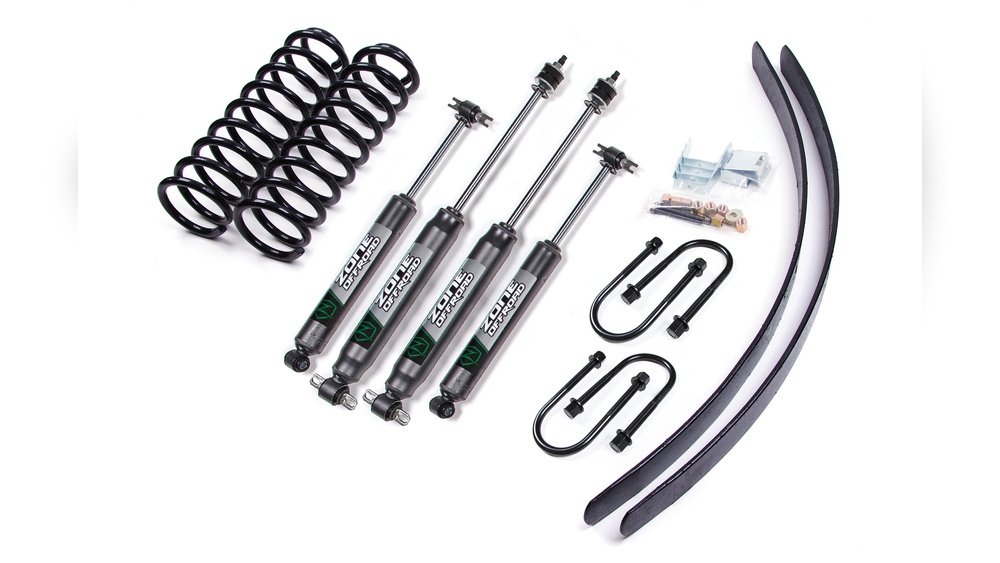
This guide will walk you through why an adjustable track bar is important for your Jeep XJ, what to look for when buying one, and how to install it yourself. We’ll cover the tools you need, the steps involved, and some tips to make the job easier.
Getting this right means a better driving experience on and off the road, with improved handling and safety.
Why An Adjustable Track Bar Matters For Your Jeep Xj
The track bar, also known as a Panhard rod, is a simple but vital piece of suspension geometry. It’s a metal bar that attaches to the frame on one end and the axle on the other. Its main job is to prevent side-to-side movement of the axle. Think of it like a stabilizing arm. Without it, your axle would literally slide back and forth under the Jeep as you drive, especially when turning or going over bumps.
The Effect Of Lift Kits
Most Jeep XJ owners eventually install a lift kit to gain more ground clearance and fit larger tires. While a lift kit is great for off-roading, it often messes with the factory track bar angle. When you lift the Jeep, the track bar becomes angled upwards from the frame to the axle. This angle causes the axle to shift sideways, usually towards the passenger side. The higher the lift, the more the axle shifts. This misalignment means your steering wheel might not be centered, and your Jeep might not track straight.
Benefits Of An Adjustable Track Bar
An adjustable track bar is designed to fix this axle shift. Unlike a stock track bar, which has a fixed length, an adjustable one allows you to change its length.
This adjustability lets you precisely center the axle under the Jeep, correcting the steering wheel's position and ensuring the vehicle drives straight.
Here’s why it’s a smart upgrade:
- Corrects Axle Centering: The primary benefit. It brings the axle back to its proper position under the chassis.
- Improves Steering Feel: A properly centered axle leads to more predictable and stable steering. You’ll feel less wander and a more direct connection to the road (or trail).
- Reduces Steering Wheel Pull: If your Jeep pulls to one side after a lift, an adjustable track bar is often the solution.
- Enhances Off-Road Stability: On uneven terrain, a centered axle maintains better tire contact with the ground, improving traction and control.
- Works with Various Lift Heights: Because it’s adjustable, it can be set up to work correctly with different lift sizes, making it a versatile upgrade.
Understanding Track Bar Angles
When the track bar is angled too much, it can also cause what’s known as “death wobble. ” While death wobble is a complex issue with multiple potential causes, an improperly angled or worn track bar is a common contributor.
An adjustable track bar, when set correctly, helps to restore the proper geometry and reduce the likelihood of this dangerous phenomenon.
Choosing The Right Adjustable Track Bar For Your Jeep Xj
Not all adjustable track bars are created equal. When you’re shopping, consider a few key factors to ensure you get a quality part that will perform well and last.
Material And Construction
Look for track bars made from heavy-duty steel, usually DOM (Drawn Over Mandrel) tubing. DOM is stronger and more durable than seam-welded tubing, which is important for off-road use where the track bar can take a beating. The ends of the track bar are also critical. They should feature high-quality bushings or heim joints (rod ends).
- Bushings: These are typically made of polyurethane or rubber. They offer a quieter ride and absorb some vibration. However, they can wear out over time, especially under heavy use.
- Heim Joints: These are spherical bearings that offer more precise movement and are very durable. They are common in higher-end track bars. The downside is they can be noisier and require more maintenance (cleaning and lubrication).
Adjustability Mechanism
The way the track bar adjusts is also important. Most adjustable track bars use a threaded sleeve that allows you to extend or retract the bar. Ensure this mechanism is robust and easy to adjust. Some have jam nuts to keep the adjustment from loosening over time.
Compatibility With Your Lift
Make sure the track bar you choose is designed to work with your specific lift height. While they are adjustable, some are optimized for certain ranges.
Check the manufacturer’s specifications. For example, a track bar designed for a 4-inch lift might be adjustable enough for 3-5 inches, but might not be ideal for a 6-inch lift.
Brand Reputation And Reviews
Do some research on different brands. Look for manufacturers known for producing quality Jeep suspension components.
Reading reviews from other Jeep XJ owners can give you valuable insights into the performance, durability, and ease of installation of a particular track bar.
Cost Vs. Value
Adjustable track bars can range in price. While it might be tempting to go for the cheapest option, it’s often worth investing a bit more in a well-built unit from a reputable brand.
A cheap track bar might fail prematurely, leading to costly repairs or even accidents.
Consider the long-term value and performance.
Here’s a quick look at some common features to compare:
| Feature | Basic Adjustable Track Bar | Premium Adjustable Track Bar |
|---|---|---|
| **Material** | Seam-welded steel | DOM steel tubing |
| **End Connectors** | Standard rubber bushings | Polyurethane bushings or heim joints |
| **Adjustability** | Basic threaded sleeve | Robust sleeve with jam nuts |
| **Durability** | Moderate | High |
| **Noise Level** | Low | Can be higher with heim joints |
| **Price Range** | $150 – $250 | $250 – $450+ |

Tools And Preparation For Installation
Before you start, gather all the necessary tools and prepare your Jeep. Having everything ready will make the installation process smoother and safer.
Essential Tools
You’ll need a good set of wrenches and sockets. Here’s a list of common tools:
- Socket Set: Including common sizes like 13mm, 15mm, 17mm, 19mm, and possibly larger ones depending on your specific track bar.
- Wrench Set: Matching the socket sizes.
- Torque Wrench: Crucial for tightening bolts to the manufacturer’s specifications.
- Breaker Bar: For loosening stubborn bolts.
- Pry Bar: May be needed to help align holes.
- Jack and Jack Stands: For safely lifting and supporting the Jeep. Never work under a vehicle supported only by a jack.
- Wheel Chocks: To prevent the Jeep from rolling.
- Wire Brush: To clean bolt threads and mounting holes.
- Penetrating Oil (like PB Blaster or WD-40): To help loosen rusty bolts.
- Measuring Tape: For initial alignment.
- Safety Glasses: Always protect your eyes.
- Gloves: To protect your hands.
- Marker or Paint Pen: To mark alignment before removal.
Preparing Your Jeep Xj
- Park on a Level Surface: Ensure your Jeep is parked on a flat, stable area.
- Engage Parking Brake and Chock Wheels: Apply the parking brake firmly and place wheel chocks behind the rear wheels.
- Disconnect Battery (Optional but Recommended): For safety, especially if working near electrical components.
- Clean the Area: Clean the track bar mounting points on both the axle and the frame. Remove any dirt, rust, or debris. This will make it easier to remove the old bar and install the new one.
- Inspect Old Components: While you’re there, inspect the old track bar, its bushings, and the mounting hardware for any signs of wear or damage. This can help you understand why you might be replacing it.
Getting The Old Track Bar Out
The stock track bar is usually held in place with a single bolt on each end. These bolts can be very tight, especially if they are rusty.
- Apply Penetrating Oil: Spray the bolt heads and nuts with penetrating oil and let it soak for at least 15-30 minutes, or even overnight if possible. Reapply if needed.
- Use a Breaker Bar: A breaker bar provides more leverage than a standard ratchet.
- Heat (Use with Caution): If the bolts are extremely stubborn, you might consider using a torch to heat the nut or surrounding area. Be very careful not to damage nearby rubber components or fuel lines. This should be a last resort.
Step-by-step Installation Guide
Installing an adjustable track bar is a moderately difficult DIY job. Taking your time and following these steps will help ensure a successful installation.
Step 1: Loosen And Remove The Old Track Bar
- Lift the Front of the Jeep: Use your jack to lift the front of the Jeep and place jack stands securely under the frame rails. Lower the Jeep onto the jack stands.
- Remove Wheels: Take off both front wheels. This gives you full access to the track bar ends.
- Locate Track Bar Bolts: Identify the bolts connecting the track bar to the axle bracket on one side and the frame bracket on the other.
- Mark Alignment (Optional but Recommended): Before removing the bolts, you can use a marker or paint pen to mark the position of the track bar relative to the frame or axle. This can help with initial alignment later.
- Remove Bolts: Using your socket set and breaker bar, carefully loosen and remove the bolts and nuts holding the stock track bar in place. Start with either the axle end or the frame end. You might need to move the axle slightly or use a pry bar to get enough clearance.
- Remove the Old Track Bar: Once the bolts are out, you should be able to remove the old track bar. It might require some wiggling or tapping with a rubber mallet.
Step 2: Prepare The New Adjustable Track Bar
- Assemble the New Track Bar: Follow the manufacturer’s instructions to assemble your new adjustable track bar. This usually involves threading the adjustable sleeve onto the main bar.
- Set Initial Length: For now, set the adjustable track bar to roughly the same length as the stock one you removed. You’ll fine-tune this later. If you marked the old one, try to match that length.
- Install Bushings/Heim Joints: If your track bar came with separate bushings or heim joints, install them according to the instructions. Ensure they are seated properly.
Step 3: Install The New Adjustable Track Bar
- Position the New Track Bar: With the Jeep still on jack stands, position the new adjustable track bar between the axle bracket and the frame bracket.
- Align Holes: This can be the trickiest part. You might need to use a pry bar to slightly shift the axle or frame to align the holes for the mounting bolts. The adjustable nature of the new bar helps, but you may need some force.
- Insert Bolts: Once aligned, insert the new mounting bolts and nuts. Do not tighten them fully yet. Leave them snug enough to hold the bar in place but loose enough to allow for adjustment.
- Repeat for Other End: Install the bolts for the other end of the track bar, again leaving them slightly loose.
Step 4: Center The Axle And Adjust The Track Bar
This is the most critical step for achieving proper alignment.
- Lower the Jeep: Carefully lower the Jeep back onto the ground. The weight of the vehicle on its suspension will affect the axle position.
- Measure Axle Position: Measure the distance from the edge of the differential housing to the inner edge of the fender flare on both the driver’s side and the passenger’s side. The goal is to have these measurements be equal.
- Adjust Track Bar Length:
- If the axle is shifted towards the passenger side (common with lifts), you need to lengthen the track bar.
- If the axle is shifted towards the driver’s side, you need to shorten the track bar.
- To adjust, you’ll need to lift the Jeep again onto jack stands. Loosen the jam nuts on the adjustable sleeve (if present), then turn the sleeve to lengthen or shorten the bar as needed.
- Repeat Measuring and Adjusting: Lower the Jeep again and re-measure. Repeat this process of lifting, adjusting, lowering, and measuring until the axle is perfectly centered. This might take a few tries.
Step 5: Final Tightening And Torqueing
Once the axle is centered and the track bar is at the correct length:
- Lift Jeep: Lift the Jeep back onto jack stands.
- Tighten Track Bar Bolts: Tighten the track bar mounting bolts and nuts to the manufacturer’s specified torque. This is very important for safety. If you don’t have the specs, a common torque for track bar bolts is around 80-100 ft-lbs, but always check your specific hardware.
- Tighten Adjustment Sleeve: If your track bar has an adjustable sleeve with jam nuts, make sure to tighten those securely against each other to prevent any loosening from vibration.
- Reinstall Wheels: Put the front wheels back on the Jeep.
- Lower Jeep: Carefully lower the Jeep off the jack stands.
- Final Torque Wheels: Torque your lug nuts to the proper specification (usually around 90-100 ft-lbs for an XJ).
- Reconnect Battery (if disconnected).
Step 6: Test Drive And Alignment Check
- Test Drive: Take your Jeep for a slow, careful test drive. Listen for any unusual noises and pay attention to how the steering feels.
- Check Steering Wheel: Ensure your steering wheel is centered when driving straight.
- Professional Alignment: After installing a track bar, it’s highly recommended to get a professional front-end alignment. While the adjustable track bar centers the axle, a



















