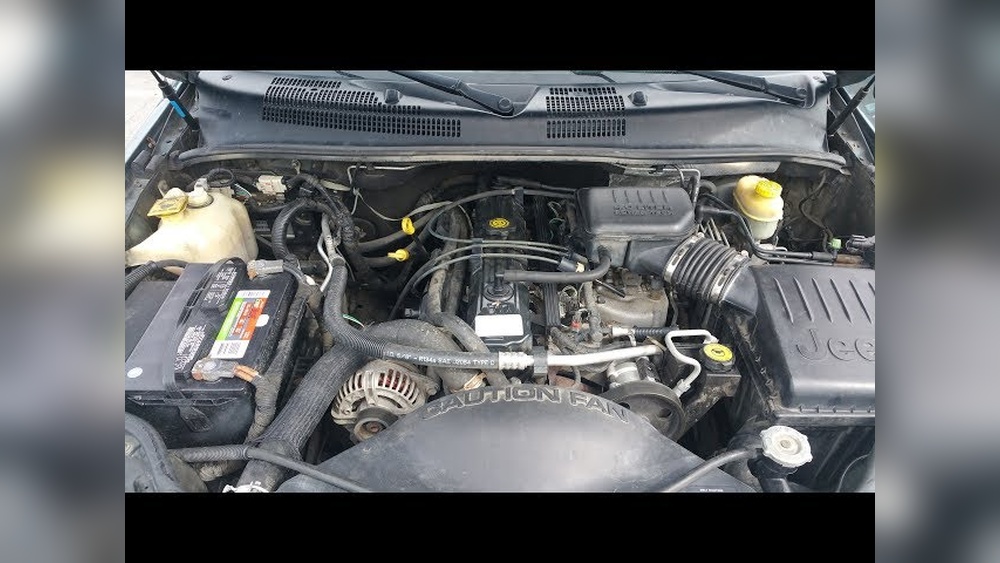
Lifting a Jeep Cherokee XJ by 4. 5 inches is a popular upgrade for off-road fans.
It gives the Jeep XJ more ground clearance, better approach angles, and room for bigger tires. But, when you go this high with your lift, you can run into some challenging problems—especially with the slip yoke eliminator (SYE).
Many owners discover these issues after the lift, not before. If you’re planning a 4.
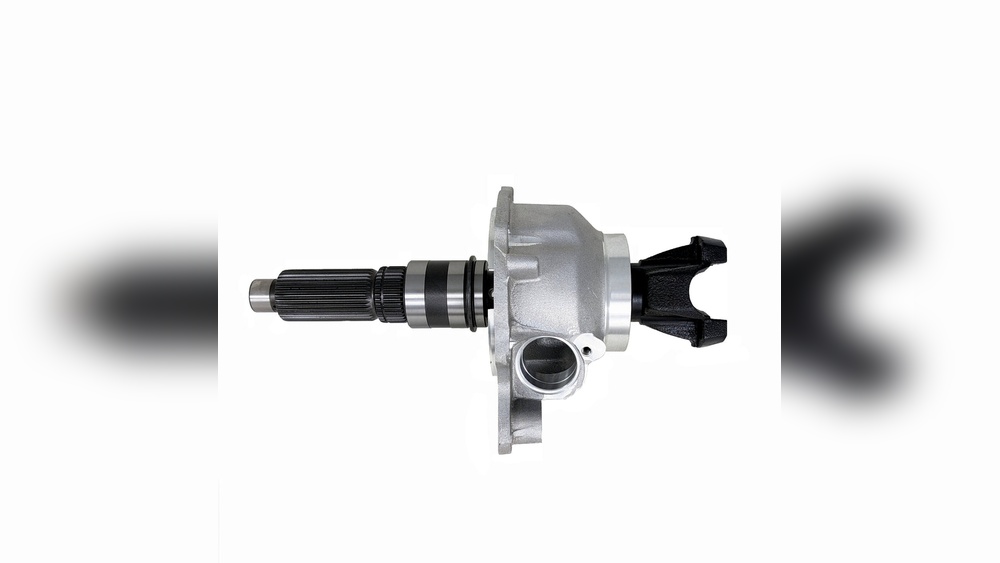
5-inch lift on your XJ, it’s smart to know about the most common SYE-related problems, how to spot them, and what you can do to fix or avoid them.
Driveshaft Vibration
One of the first problems after a 4.5-inch lift is driveshaft vibration. The stock slip yoke cannot handle the new angle of the driveshaft. This causes shaking, especially when you accelerate or drive at highway speeds.
Why It Happens
Lifting your XJ changes the angle where the driveshaft meets the transfer case. The factory slip yoke design is limited and can’t keep the driveshaft straight. The result is vibration that you can feel in your seat or through the floor.
How To Identify
- You may notice a low humming or strong vibration when driving.
- The shaking often gets worse as you speed up.
- Sometimes, the vibration goes away when you let off the gas.
Fixes And Prevention
- Installing a slip yoke eliminator (SYE) kit is the best fix. This allows for a double cardan (CV) driveshaft, which handles steeper angles.
- Make sure your new driveshaft is the correct length for your lift.
- Check all u-joints for wear, as vibration can quickly damage them.
Pro Tip: Many beginners try to ignore early vibrations, thinking they will go away. Ignoring this can lead to u-joint failure or even damage your transfer case.
Transfer Case Output Shaft Stress
With a 4.5-inch lift, the output shaft of the transfer case is under more stress. The longer distance and steeper angle put extra pressure on the shaft, especially if you keep the stock slip yoke.
Common Signs
- Clicking or clunking noises from underneath.
- The rear driveshaft may pop out slightly, causing leaks.
- The transfer case may develop cracks over time.
How This Happens
The stock slip yoke lets the driveshaft move in and out as the suspension flexes. After a big lift, the driveshaft can pull too far out.
This makes the output shaft act as a weak link, and it may bend or break.
Solutions
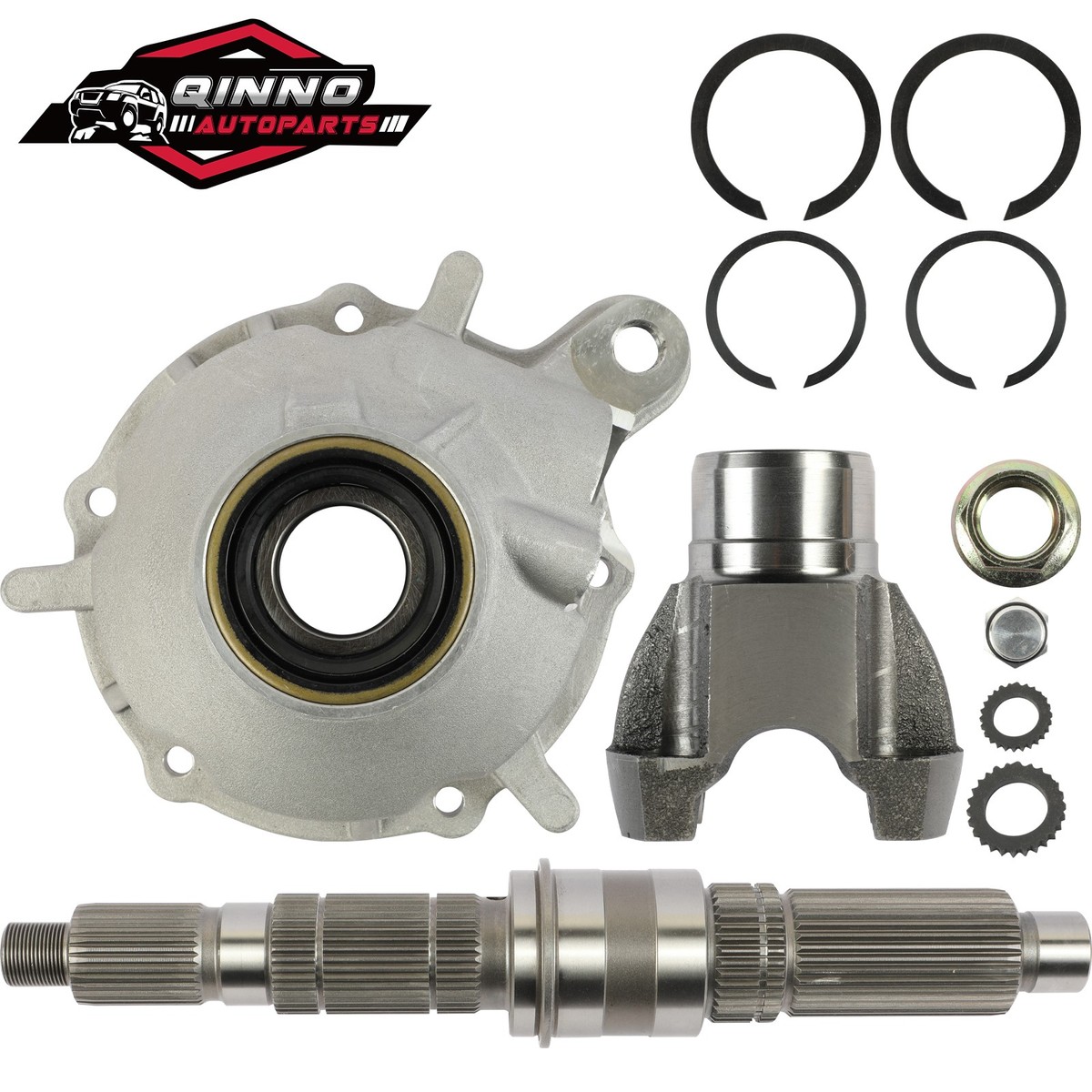
- An SYE kit replaces the slip yoke with a fixed yoke, reducing shaft stress.
- Check transfer case mounts and crossmembers for movement.
- If you notice leaking or odd noises after your lift, stop and inspect your transfer case.
Non-obvious Insight: Some owners forget to check the transfer case fluid after a lift. Even a small leak can lead to serious internal damage.
Driveshaft Length And Binding
A short driveshaft is a hidden problem with a 4.5-inch lift. The higher the Jeep, the more the driveshaft has to stretch. Many people reuse the stock driveshaft, not realizing it’s now too short.
What To Watch For
- Loud clunk when going over bumps.
- Driveshaft binding or not spinning freely.
- Early u-joint or output shaft seal failure.
Why It Matters
A driveshaft that is too short can actually slip out of the transfer case if you flex the suspension fully. This is dangerous on the trail and can leave you stranded.
How To Solve
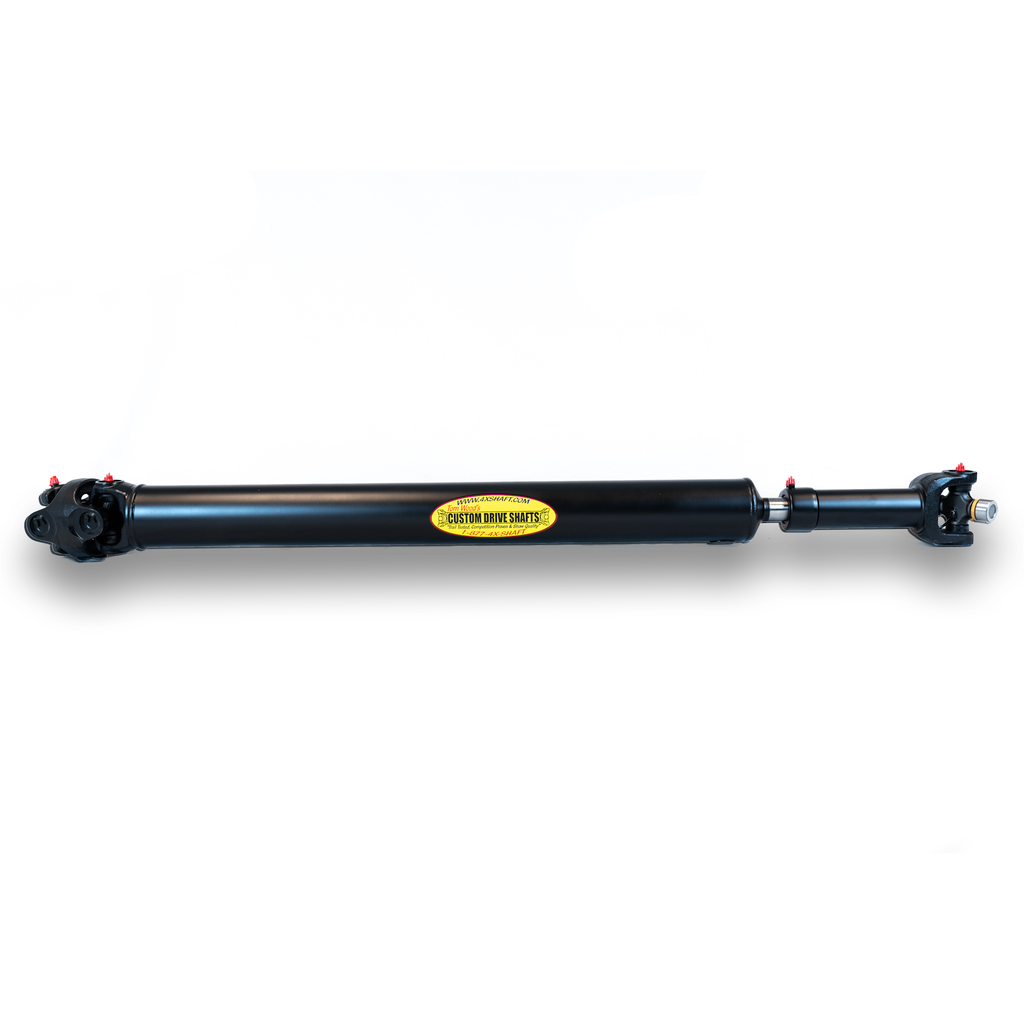
- Order a custom-length CV driveshaft after installing your SYE.
- Measure from the transfer case yoke to the axle yoke at ride height.
- Test your suspension travel to make sure the driveshaft stays engaged.
Experience-based Tip: Many shops recommend waiting until your lift is installed before ordering the new driveshaft. This way, you get the perfect length.
Pinion Angle Issues
Lifting the XJ changes the rear axle pinion angle. If you don’t adjust it, you can cause vibration, quick u-joint wear, and even damage the driveshaft or transfer case.
What Is Pinion Angle?
It’s the angle between the rear axle’s pinion (where the driveshaft bolts on) and the driveshaft itself. With an SYE and double cardan driveshaft, the pinion should point almost directly at the transfer case output.
Common Problems
- U-joint failure within a few thousand miles.
- Vibration that never goes away, even after installing an SYE.
- Leaking rear axle seals.
Adjusting The Pinion Angle
- Use adjustable rear control arms or axle shims.
- After setting the pinion, re-check at ride height and full droop.
- A professional alignment shop with 4×4 experience can help dial this in.
Beginner Mistake: Some owners only fix the driveshaft angle but forget to check pinion alignment. Both are needed for a smooth ride.
Here’s a summary of how a 4.5-inch lift changes key driveline specs:
| Component | Stock XJ | XJ w/ 4.5″ Lift |
|---|---|---|
| Driveshaft Angle | Low (10-12°) | High (18-22°) |
| Slip Yoke Engagement | Safe | Risky/Short |
| Pinion Angle | Factory Spec | Needs Adjustment |
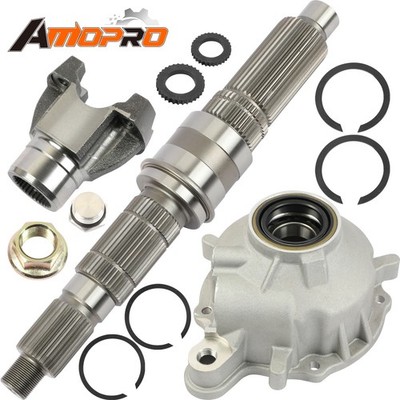
Choosing The Right Sye Kit
Not all SYE kits are the same. Here’s a quick look at the main options:
| SYE Type | Pros | Cons |
|---|---|---|
| Hack-n-Tap | Cheap, DIY | Weaker, leaks possible |
| Full Replacement | Strong, reliable | More expensive |
Most experts recommend the full replacement SYE for a 4.5-inch lift, especially if you plan to off-road aggressively.
Final Thoughts
Lifting your Jeep XJ 4.5 inches is exciting, but it brings real driveline challenges. Driveshaft vibration, transfer case stress, short driveshafts, and pinion angle issues are all common, but fixable with the right knowledge and parts. Plan your upgrades, measure carefully, and don’t cut corners on your SYE kit or driveshaft. With good preparation, your lifted XJ will handle the trails smoothly and reliably.
If you want more technical details on SYE kits and installation, visit this 4WheelParts guide for a deep dive.
Frequently Asked Questions
What Is A Slip Yoke Eliminator (sye) And Why Do I Need One?
An SYE replaces the factory slip yoke on the transfer case. After a 4.5-inch lift, it helps prevent driveline vibration and damage by letting you use a stronger double cardan driveshaft.
Can I Drive My Xj With A 4.5-inch Lift And No Sye?
You can, but you’ll likely face vibration, u-joint wear, or even driveline failure. It’s risky, especially if you off-road or drive at highway speeds.
How Much Does An Sye And Driveshaft Upgrade Cost?
Prices vary, but most spend between $400–$700 for both parts and labor, depending on the kit and driveshaft quality.
Will A Transfer Case Drop Help Instead Of An Sye?
A transfer case drop lowers the transfer case to reduce driveline angle. It’s a short-term fix but reduces ground clearance and is less reliable than an SYE for lifts over 3 inches.
Do I Need To Change Both Front And Rear Driveshafts?
Usually, only the rear driveshaft needs to be replaced after a 4.5-inch lift and SYE. The front usually has enough length and angle to work with stock parts.