The allure of customizing your Jeep XJ is undeniable. Among the most popular modifications are wheel spacers, and the 1.
25-inch size is a frequent choice for many owners. These seemingly simple accessories can dramatically alter your Jeep's stance, improve its off-road capability, and allow for larger tire fitment.
However, like any modification, they come with their own set of considerations, benefits, and potential drawbacks. Understanding what 1.
25-inch Jeep XJ wheel spacers are, how they work, and their implications is crucial before you bolt them on. This guide will explore everything you need to know to make an informed decision about whether this popular spacer size is right for your XJ.
Understanding Jeep Xj Wheel Spacers
At their core, wheel spacers are metal rings that bolt between your Jeep’s wheel hub and the back of your wheel. Their primary function is to push the wheel outward from the hub. This increases the wheel offset, effectively widening your Jeep’s track width. For the Jeep XJ, a 1.25-inch spacer is a common choice because it offers a noticeable improvement in stance and tire clearance without being overly aggressive, which can sometimes lead to more significant issues.
The reason many XJ owners opt for spacers is to achieve a more aggressive stance, making the Jeep look more purposeful and ready for adventure. A wider stance can also offer practical benefits, such as improved stability on uneven terrain and reduced the likelihood of the tires rubbing against suspension components or fender flares. Furthermore, wheel spacers can be a cost-effective way to gain clearance for larger tires, a common upgrade for off-roading enthusiasts. Instead of investing in new wheels with a different offset, spacers can achieve a similar visual and functional result.
Why Choose 1.25 Inches For Your Jeep Xj?
The 1. 25-inch size for Jeep XJ wheel spacers strikes a balance.
It’s large enough to make a visible difference in the vehicle’s appearance and offer functional advantages, but not so large that it typically causes excessive stress on wheel bearings or requires extensive modifications to the fenders or suspension.
Enhancing Stance And Aesthetics
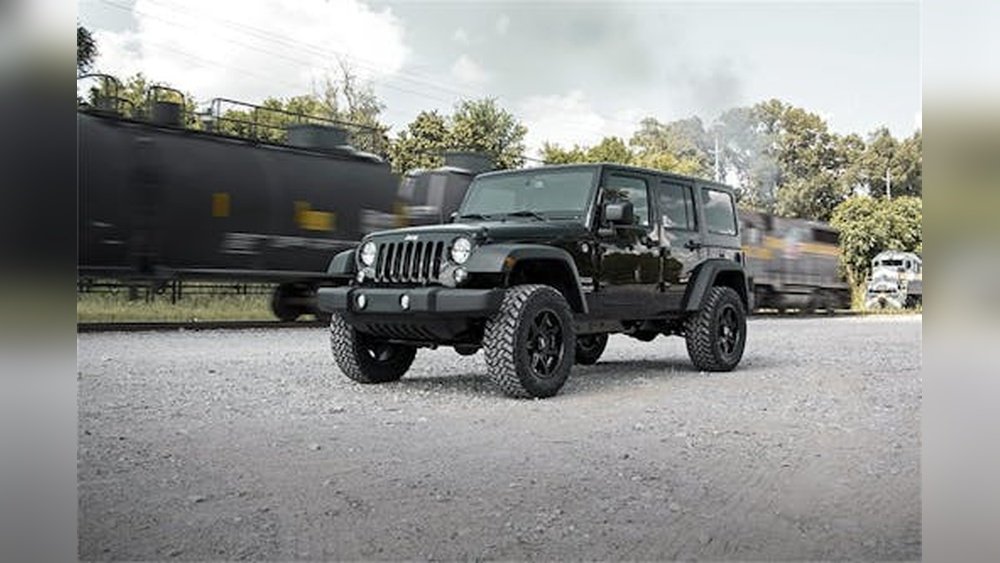
One of the most immediate benefits of installing 1.25-inch wheel spacers is the improved visual appeal. They push the wheels out, creating a more muscular and aggressive look. This is often referred to as giving the Jeep a “better stance.” For many Jeep owners, the aesthetic is a significant part of the ownership experience, and a wider track width contributes to that rugged, go-anywhere image. The wheels sit more flush with the fenders, filling out the wheel wells more effectively.
Tire Clearance And Rubbing
A common challenge when upgrading to larger tires on a Jeep XJ is tire rub. This can occur against the control arms at full steering lock, the fender flares, or the pinch seam on the body. While lifting the Jeep is the primary method to accommodate larger tires, wheel spacers can provide that extra bit of clearance needed to prevent rubbing, especially when combined with a modest lift. The 1.25-inch spacer effectively moves the tire away from the inner fender well and suspension components, allowing for a slightly larger tire diameter or width without immediate contact. This can sometimes mean the difference between fitting a 31-inch tire and needing to trim body panels.
Improved Stability
A wider track width, achieved through wheel spacers, can lead to increased stability, particularly when driving off-road. A more stable platform is less prone to tipping or rolling on uneven surfaces. When you’re navigating challenging trails, this added stability can give you more confidence and control. The wider stance distributes the vehicle’s weight over a larger area, making it feel more planted.
Cost-effective Solution
Compared to purchasing new aftermarket wheels with a different offset, wheel spacers are generally a more affordable modification. If you already have a set of wheels you like but need them to sit further out to clear larger tires or achieve a desired look, spacers offer a budget-friendly alternative. This makes them an attractive option for Jeep owners looking to maximize their modification budget.
Types Of Wheel Spacers
When you’re looking at wheel spacers, you’ll primarily encounter two main types: universal spacers and hub-centric spacers. For a Jeep XJ, understanding the difference is crucial for proper fitment and safety.
Universal Spacers
Universal spacers are designed to fit a range of bolt patterns. They are essentially a plate with holes drilled through them. The main drawback here is that they do not center on the vehicle’s hub. This means they rely solely on the lug nuts to center the wheel. This can lead to vibrations and put extra stress on the wheel studs. While they might be cheaper, they are generally not recommended for most applications, especially on a vehicle like a Jeep that might see demanding use.
Hub-centric Spacers
Hub-centric spacers are designed with a lip or bore that matches your Jeep XJ’s hub diameter. This lip fits over the hub, ensuring the spacer is perfectly centered on the axle. The wheel then also centers on this lip. This proper centering is vital for reducing vibrations and ensuring a smooth ride. For a Jeep XJ, you’ll want spacers that are specifically designed for its hub bore size (typically around 70.5mm or 2.77 inches). This type of spacer is generally considered safer and more stable.
Bolt-on Vs. Bolt-through Spacers
Within these types, you’ll also see variations in how they attach:
- Bolt-Through Spacers: These are the most common type. They are a single piece of material with holes drilled through them for your vehicle’s studs. You bolt the spacer to your hub using shorter studs that are integrated into the spacer, and then you bolt your wheel to the spacer using your vehicle’s original studs.
- Bolt-On Spacers: These are less common for typical wheel spacers and more often seen in adapter systems. They are essentially a plate that bolts to your hub, and then your wheel bolts to the spacer using your original studs. For a 1.25-inch spacer, you are almost always looking at the bolt-through style.
For a 1.25-inch spacer on a Jeep XJ, the hub-centric, bolt-through design is the most recommended for safety and performance.
Material And Construction
The material and construction of your wheel spacers significantly impact their durability, strength, and safety.
Aluminum Alloys
Most aftermarket wheel spacers, including those for the Jeep XJ, are made from aluminum alloys. Common alloys include 6061-T6 and 7075-T6.
- 6061-T6 Aluminum: This is a widely used, strong, and corrosion-resistant aluminum alloy. It’s a good balance of strength and cost, making it a popular choice for many automotive components.
- 7075-T6 Aluminum: This is a significantly stronger and more durable aluminum alloy, often used in aerospace applications. While more expensive, it offers superior resistance to stress and fatigue, making it a premium choice for wheel spacers where strength is paramount.
The thickness of the spacer material also plays a role. A 1.25-inch spacer made from a quality aluminum alloy should be robust enough for most Jeep XJ applications.
Studs And Lug Nuts
The studs integrated into bolt-through spacers are critical. They should be high-strength, typically made from hardened steel, and often feature rolled threads for increased durability. The lug nuts used to secure the spacer to the hub and the wheel to the spacer are equally important. You’ll need two sets:
- Lug nuts for the spacer-to-hub connection: These often have a smaller diameter and may be a different thread pitch than your original lug nuts. They should be conical seat or acorn seat lug nuts that match the spacer’s design.
- Lug nuts for the wheel-to-spacer connection: These will use your Jeep XJ’s original stud thread pitch (usually 1/2-inch x 20) and should match your wheels’ seat type (conical, ball, or flat).
It’s crucial that the spacer comes with appropriately rated studs and that you use the correct type and grade of lug nuts.
Installation Process For 1.25-inch Xj Wheel Spacers
Installing 1.25-inch wheel spacers on your Jeep XJ is a relatively straightforward process that most DIYers can tackle. However, proper torque and attention to detail are paramount for safety.
Tools And Materials Needed
- 1.25-inch Jeep XJ Wheel Spacers: Ensure they are hub-centric and designed for your XJ’s bolt pattern (5×4.5 inches or 5×114.3mm).
- Jack and Jack Stands: For safely lifting and supporting the vehicle.
- Lug Wrench or Socket Set: With the correct socket size for your lug nuts.
- Torque Wrench: Essential for proper tightening of lug nuts.
- Wire Brush: For cleaning the hub and wheel mating surfaces.
- Anti-Seize Compound: Optional, but can help prevent future seizing.
- Threadlocker (Blue): Recommended for the lug nuts securing the spacer to the hub.
- Gloves and Safety Glasses: For personal protection.
Step-by-step Installation Guide
- Prepare the Vehicle: Park your Jeep XJ on a level surface and engage the parking brake. Loosen the lug nuts on the wheel you’ll be working on slightly (do not remove them yet).
- Lift and Support: Use your jack to lift the vehicle at the appropriate jack point. Place jack stands securely under the frame or axle to support the weight of the Jeep. Lower the vehicle onto the jack stands.
- Remove the Wheel: Fully remove the lug nuts and take off the wheel.
- Clean the Hub and Wheel: Thoroughly clean the Jeep’s wheel hub surface and the mating surface on the back of your wheel with a wire brush. Any dirt, rust, or debris can prevent the spacer and wheel from seating properly, leading to vibrations and potential loosening.
- Install the Spacer:
- Position the hub-centric wheel spacer onto the Jeep’s wheel hub. Ensure the spacer’s center bore slides over the hub lip.
- Align the holes in the spacer with the wheel studs on your Jeep.
- Apply a small amount of blue threadlocker to the threads of your Jeep’s original wheel studs (where the spacer will be bolted).
- Install the shorter lug nuts (provided with the spacer) onto the spacer’s studs.
- Hand-tighten these lug nuts initially.
- Torque the Spacer Lug Nuts: Using your torque wrench, tighten the spacer’s lug nuts in a star pattern (or crisscross pattern) to the manufacturer’s recommended torque specification. This is typically around 80-100 ft-lbs, but always check the spacer manufacturer’s instructions. Proper torque is critical to ensure the spacer is securely fastened.
- Prepare the Wheel: Clean the mating surface of the wheel where it will contact the spacer.
- Mount the Wheel: Place your Jeep XJ wheel back onto the hub, ensuring it seats flush against the spacer.
- Install Wheel Lug Nuts: Install your Jeep’s original lug nuts onto the spacer’s studs. Hand-tighten them.
- Torque Wheel Lug Nuts: Using your torque wrench, tighten the wheel lug nuts in a star pattern to the manufacturer’s recommended torque specification for your Jeep XJ (typically around 100-120 ft-lbs).
- Repeat for Other Wheels: Repeat the entire process for the remaining three wheels.
- Final Check: After driving a short distance (about 50 miles), it is absolutely essential to re-torque all lug nuts on all wheels. This is because the aluminum spacer and studs can settle, and the torque can loosen slightly. Failure to re-torque can lead to serious safety issues, including wheel detachment.
Pro Tip: When cleaning, if you encounter stubborn rust on the hub, a flap disc on an angle grinder can speed things up, but be careful not to remove too much material. Ensure the hub surface remains flat and smooth.
Potential Benefits Of 1.25-inch Spacers
The 1. 25-inch size offers a sweet spot for many Jeep XJ owners looking for specific improvements without going overboard.
Aesthetics
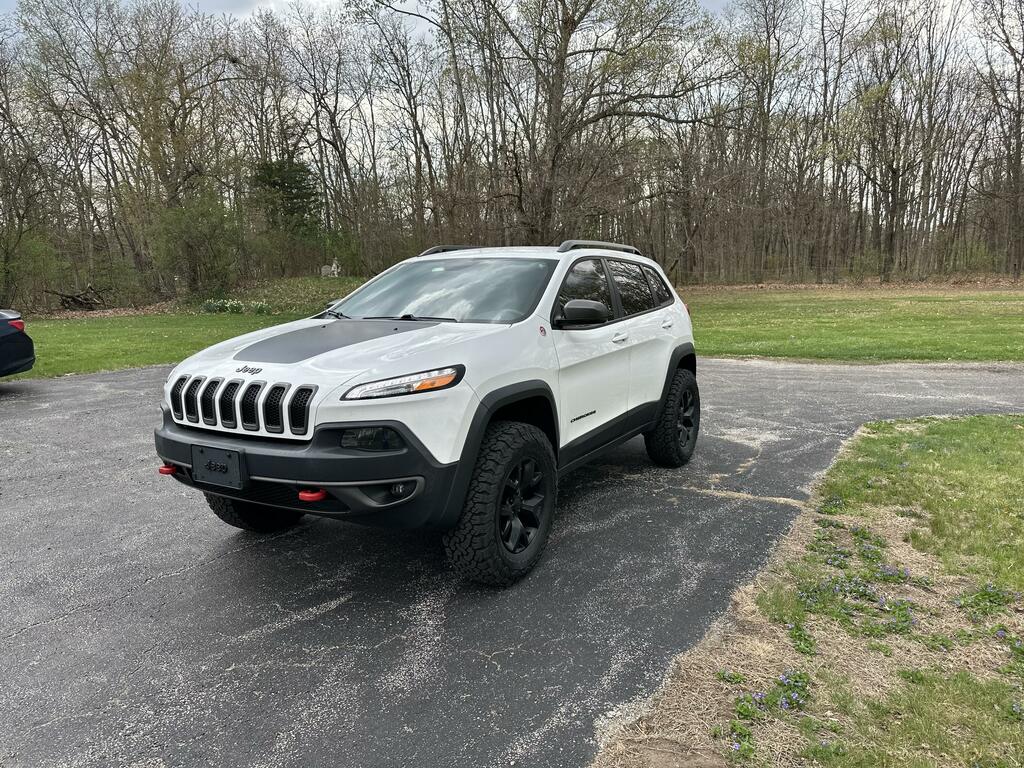
As mentioned, the most noticeable benefit is the improved stance. Pushing the wheels out by 1.25 inches on each corner gives the XJ a wider, more aggressive, and planted look. This is often a primary motivator for owners seeking a more “custom” appearance. The wheels appear to fill the fender wells better, reducing the tucked-in look that can come with stock offsets.
Tire Clearance
For those running slightly larger tires than stock, 1. 25-inch spacers can be a lifesaver.
If you’re experiencing minor rubbing on the control arms at full lock or on the fenders, these spacers can often resolve the issue. They effectively move the tire outward by 1.
25 inches, giving you that extra room. This can allow you to fit, for example, a 31-inch tire on a stock or mildly lifted XJ without significant rubbing or the need for fender trimming.
Reduced Steering Effort (in Some Cases)
While not a primary benefit, a wider track width can, in some instances, slightly reduce the steering effort required, especially at lower speeds or when maneuvering in tight spaces. This is due to the leverage created by the wider stance.
However, this effect is usually minor and not the main reason to install spacers.
Accommodating Different Wheel Offsets
If you find a great deal on aftermarket wheels that have a very low positive offset or even a negative offset, wheel spacers can be used to bring the effective offset closer to what your Jeep XJ prefers. This allows for more flexibility in wheel choices.
Potential Drawbacks And Risks
While 1. 25-inch spacers offer benefits, it’s crucial to be aware of the potential downsides and risks associated with their use.
Ignoring these can lead to safety issues and premature wear on your Jeep’s components.
Increased Stress On Wheel Bearings
Pushing the wheel further out from the hub increases the leverage on the wheel bearings. This means the bearings have to work harder to support the weight of the vehicle. While 1.25 inches is a relatively modest increase, over time and especially with aggressive off-roading, this can lead to accelerated wear on the wheel bearings and potentially premature failure. This is one of the most significant concerns with any wheel spacer.