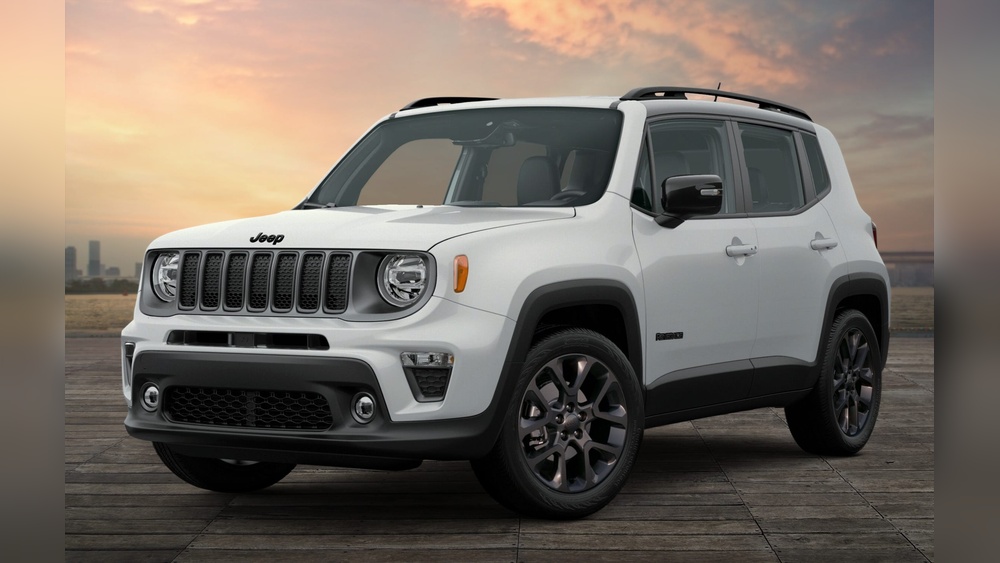
The Jeep Wrangler Unlimited is an iconic vehicle, known for its off-road prowess and rugged design. When it comes to modifying a Wrangler, especially the Unlimited model with its longer wheelbase, one of the most critical, yet often misunderstood, aspects is wheel backspacing.
This single measurement plays a huge role in how your tires fit, how your Jeep handles off-road, and even the overall look of your vehicle. Getting it wrong can lead to rubbing, poor performance, and even damage.
Understanding wheel backspacing is key to making the right choices for your Wrangler Unlimited build.
What Is Wheel Backspacing?
Wheel backspacing is a measurement taken from the mounting surface of the wheel (where it bolts to the hub) to the inner edge of the wheel. Think of it as how far the wheel sits *inward* toward the vehicle’s chassis. This measurement is usually expressed in inches.
A wheel with low backspacing (or high offset, which is related but measured differently) will stick out further from the vehicle. This is often called a “negative offset” wheel in the aftermarket world. On the other hand, a wheel with high backspacing will sit further inside the wheel well, closer to the suspension components.
How Backspacing Affects Your Jeep Wrangler Unlimited
The amount of backspacing on your Wrangler Unlimited’s wheels directly influences several key aspects of its performance and appearance:
- Tire Clearance: This is the most significant impact. Wheels with less backspacing push the tires outward, away from suspension components like control arms and fenders. This is crucial when you upgrade to larger, wider tires, as it helps prevent them from rubbing on the suspension or bodywork.
- Fender Clearance: Pushing tires out also affects how close they are to your fenders. While this can help with articulation off-road, too much outward poke can lead to tire contact with fender flares or the fender itself, especially during turns or when the suspension is compressed.
- Steering Geometry: Backspacing affects the scrub radius, which is the distance between the steering axis and the center of the tire contact patch. Altering the scrub radius can change how the steering feels. Wheels that stick out too far can make steering heavier and more susceptible to being pulled by ruts in the road.
- Suspension Component Clearance: Wheels with too much backspacing can interfere with brake components, steering knuckles, or other suspension parts. This is less common with aftermarket wheels designed for Wranglers, but it’s a possibility.
- Fender Flare and Body Mount Clearance: As tires move outward, they can hit fender flares or even the body mount points behind the front tires. This is a common issue when fitting larger tires without considering backspacing.
- Aesthetics: Many Jeep owners prefer the look of tires that sit more flush with the fender or even stick out slightly. Wheel backspacing is a primary factor in achieving this look.
The Difference Between Backspacing And Offset
It’s important to clarify the difference between wheel backspacing and wheel offset. While they are related and both affect wheel position, they are measured differently.
- Backspacing: Measured from the wheel’s mounting surface to the inner lip of the wheel.
- Offset: Measured from the wheel’s mounting surface to the centerline of the wheel.
Here’s a simple way to visualize it:
- Zero Offset: The mounting surface is exactly in the center of the wheel.
- Positive Offset: The mounting surface is *further out* than the centerline. This means the wheel sits *further in* towards the vehicle. This is common on many factory cars and trucks.
- Negative Offset: The mounting surface is *further in* than the centerline. This means the wheel sticks *further out* from the vehicle. This is very common for lifted trucks and Jeeps.
Relationship:
Generally, wheels with less backspacing have a more negative offset, causing them to stick out further. Wheels with more backspacing have a more positive offset, causing them to sit further in.
For Jeep Wranglers, especially the Unlimited, people often talk about backspacing because it’s a more intuitive measurement for understanding how much clearance you have *inside* the wheel well.
Stock Wheel Backspacing On Jeep Wrangler Unlimited
Understanding the factory specifications for your Jeep Wrangler Unlimited is a good starting point. Most stock JK (2007-2018) and JL (2018-present) Wrangler Unlimited models come with wheels that have a relatively high amount of backspacing.
- JK Wrangler Unlimited (2007-2018): Typically came with 17-inch wheels and a backspacing of around 6.25 inches (or 159mm). The offset was usually around +44.45mm.
- JL Wrangler Unlimited (2018-present): Similar to the JK, stock 17-inch wheels often have a backspacing of around 6.25 inches (or 159mm) and an offset of +44.45mm. Some higher trims might have slightly different wheel sizes or offsets, but the general principle of higher backspacing remains.
This higher backspacing on stock wheels is designed to keep the tires tucked in for better fuel economy, better handling on-road, and to avoid rubbing on the fenders and body during normal driving conditions. However, it limits the size of aftermarket tires you can fit without modifications.
Why Stock Backspacing Limits Tire Size
The stock 6.25 inches of backspacing means the wheel is positioned quite far inward. When you want to install larger, more aggressive off-road tires, this inward position becomes a problem:
- Suspension Interference: As tires get wider and taller, they naturally move outward slightly when the suspension articulates. With high backspacing, there’s less room for this outward movement before hitting the control arms, sway bar links, or steering components.
- Fender Rubbing: The tire will also be closer to the body of the Jeep. When turning the steering wheel, or when the suspension compresses, the tire can easily rub against the fender liners, fender flares, or even the actual fender sheet metal.
- Limited Turning Radius: In some cases, larger tires on stock wheels can limit how far you can turn the steering wheel before the tires hit suspension components or the frame.
This is why most off-road enthusiasts opt for aftermarket wheels with lower backspacing when upgrading to larger tires.

Common Aftermarket Wheel Backspacing For Wranglers
When you start looking at aftermarket wheels for your Jeep Wrangler Unlimited, you’ll notice a wide range of backspacing options. The goal for most off-roaders is to reduce backspacing to allow for larger tires and a more aggressive stance.
The most popular backspacing options for modified Jeep Wranglers, especially those running 33-inch to 37-inch tires, fall into a specific range:
- 4.5 inches: This is a very common choice. Wheels with 4.5 inches of backspacing will push the tires out significantly compared to stock. This provides excellent clearance for suspension components and allows for wider tires. It often results in a stance where the tires are flush with or slightly outside the fender flares.
- 4 inches: Even lower backspacing. This pushes the tires out even further. It’s ideal for very wide tires or for maximizing clearance on heavily modified suspension systems. However, it can lead to tires sticking out quite a bit past the fenders, which might require fender flares to keep road spray down and comply with local regulations.
- 3.5 inches: This is on the extreme end for many setups. While it offers maximum clearance, it can cause significant tire poke beyond the fenders, potentially leading to issues with road debris and legality. It’s typically used for very specific builds with wide tires and aggressive fender trimming.
How Backspacing Influences Tire Size Fitment
The relationship between wheel backspacing and the tire size you can fit is direct and crucial.
- With Stock Backspacing (6.25 inches): You’re typically limited to around 32-inch tires without significant modifications (like fender trimming or suspension lifts that can help clear larger tires). Even then, some rubbing might occur during articulation.
- With 4.5-inch Backspacing: This is often the sweet spot for fitting 33-inch to 35-inch tires on a Wrangler Unlimited, especially with a modest 2-3 inch lift. It provides enough clearance for suspension components and reduces fender rubbing considerably. You might still experience some minor rubbing at full steering lock or full compression, but it’s usually manageable.
- With 4-inch Backspacing: This is ideal for 35-inch to 37-inch tires, especially when paired with a 3-4 inch lift. It gives ample room for the tire’s sidewall and tread to clear suspension parts.
- With 3.5-inch Backspacing: This is generally for aggressive setups aiming for 37-inch tires and beyond, often with significant suspension articulation and body modifications.
Pro Tip: Always remember that tire width also plays a huge role alongside backspacing. A wider tire will always require more clearance than a narrower tire of the same diameter, regardless of backspacing.
Calculating Your Needs: Tire Size Vs. Backspacing
Choosing the right combination of tire size and wheel backspacing requires careful consideration. There’s no single “best” answer, as it depends on your intended use, lift height, and desired look.
Here’s a breakdown to help you decide:
Tire Size And Expected Backspacing Needs
Let’s assume you have a Jeep Wrangler Unlimited (JK or JL) and you’re planning a lift and larger tires.
- 33-inch Tires:
- Lift: Often fits on stock suspension with minimal or no lift, but fender trimming might be needed for aggressive off-roading.
- Wheel Backspacing: You can often get away with stock backspacing (6.25 inches), but 4.75 to 5.5 inches is better for more clearance and on-road comfort. If you’re going wider than 10.5 inches, 4.5 inches of backspacing becomes more advantageous.
- 35-inch Tires:
- Lift: Typically requires at least a 2.5-inch to 3-inch lift for reasonable on-road manners and to avoid constant rubbing. Fender trimming is often recommended for off-road use.
- Wheel Backspacing: 4.5 inches is the most popular and recommended choice. It provides good clearance for suspension components and allows the tire to sit closer to the fender without excessive rubbing. Some might opt for 4 inches if they have very wide 35s or want a more aggressive stance.
- 37-inch Tires:
- Lift: Usually requires a 3.5-inch to 4.5-inch lift. Significant fender trimming (or aftermarket fenders) and potentially suspension modifications (like extended bump stops) are necessary.
- Wheel Backspacing: 4.0 inches is a common choice here. For wider 37-inch tires or for maximum articulation, 3.5 inches might be necessary, but this pushes the tire out considerably.
The Role Of Lift Height
Lift height is not the only factor determining tire fitment. While a lift provides vertical clearance, backspacing determines the horizontal clearance between the tire and the vehicle’s body and suspension.
- A taller lift can sometimes compensate for slightly higher backspacing by providing more overall space, but it doesn’t change the fundamental geometry of how the tire interacts with the steering and suspension at its closest points.
- Conversely, with lower backspacing, you can often fit larger tires with *less* lift because the tires are pushed outward, away from the suspension components that are usually the first point of contact.
The Impact Of Tire Width
Don't forget tire width! A 35×12.
50R17 tire is much wider than a 35×10. 50R17 tire.
- Wider tires (e.g., 12.5 inches or more) will always require more backspacing clearance. If you choose wheels with too little backspacing for a wide tire, the tire will stick out excessively and may rub on fenders or body mounts.
- Narrower tires (e.g., 10.5 inches) can sometimes fit with slightly higher backspacing or allow for more turning radius.
Example: A 35×12.50R17 tire on a 4.5-inch backspace wheel will poke out more than a 35×10.50R17 tire on the same wheel. The 4.5-inch backspace is generally considered ideal for 35×12.50 tires on a JK/JL Wrangler.
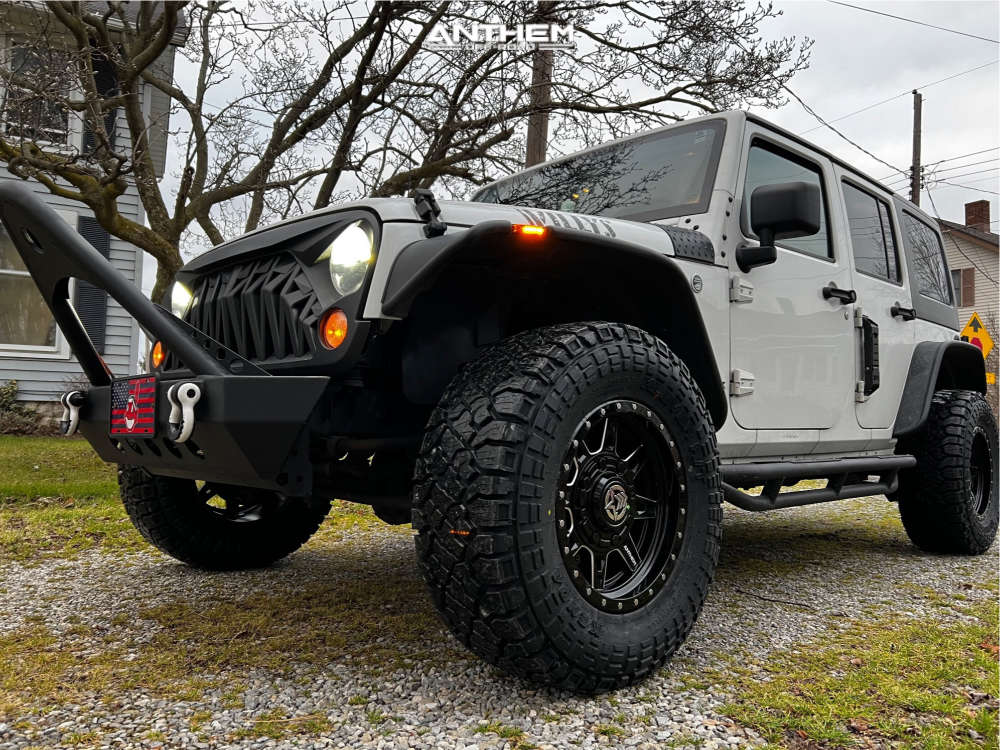
Understanding Scrub Radius And Steering Feel
While tire clearance is the primary concern, wheel backspacing also impacts your Jeep’s steering dynamics through its effect on the scrub radius.
Scrub Radius: This is the distance between where the steering axis (the imaginary line through the kingpins or ball joints) intersects the ground and the center of the tire’s contact patch with the ground.
- Positive Scrub Radius: The steering axis intersects the ground *inside* the tire’s contact patch. This is common on many stock vehicles.
- Negative Scrub Radius: The steering axis intersects the ground *outside* the tire’s contact patch. This is often seen on performance vehicles and can improve steering feel.
- Zero Scrub Radius: The steering axis and tire contact patch center align.
How Backspacing Affects Scrub Radius
When you change wheel backspacing, you are essentially moving the tire’s contact patch horizontally without changing the steering axis.
- Increasing Backspacing (Wheel moves inward): This generally increases the scrub radius (makes it more positive).
- Decreasing Backspacing (Wheel moves outward): This generally decreases the scrub radius (makes it more negative).
Implications For Your Wrangler Unlimited
- Heavier Steering: Wheels with very low backspacing (pushing tires far out) can lead to a more negative scrub radius. This can make steering feel lighter, but it also means the steering wheel is more likely to be yanked by ruts, bumps, or uneven surfaces in the road. This is often referred to as “bump steer” or “wandering. “
- Improved On-Road Manners: Many Jeep owners find that wheels with 4.5 inches of backspacing offer a good balance. They provide enough outward push for tire clearance but don’t excessively negative scrub radius, which can degrade on-road handling.
- Off-Road Stability: While a negative scrub radius can be good for nimble handling