The Jeep Wrangler Unlimited Rubicon is a legendary off-road vehicle, built for adventure. But even the most capable machines can be improved.
For many owners, one of the most impactful upgrades is a new set of wheels. Upgrading your wheels isn't just about looks; it can significantly change your Wrangler's performance, handling, and off-road capability.
Choosing the right wheels can feel overwhelming, with so many options available. This guide will help you understand what to look for when upgrading your Jeep Wrangler Unlimited Rubicon wheels.
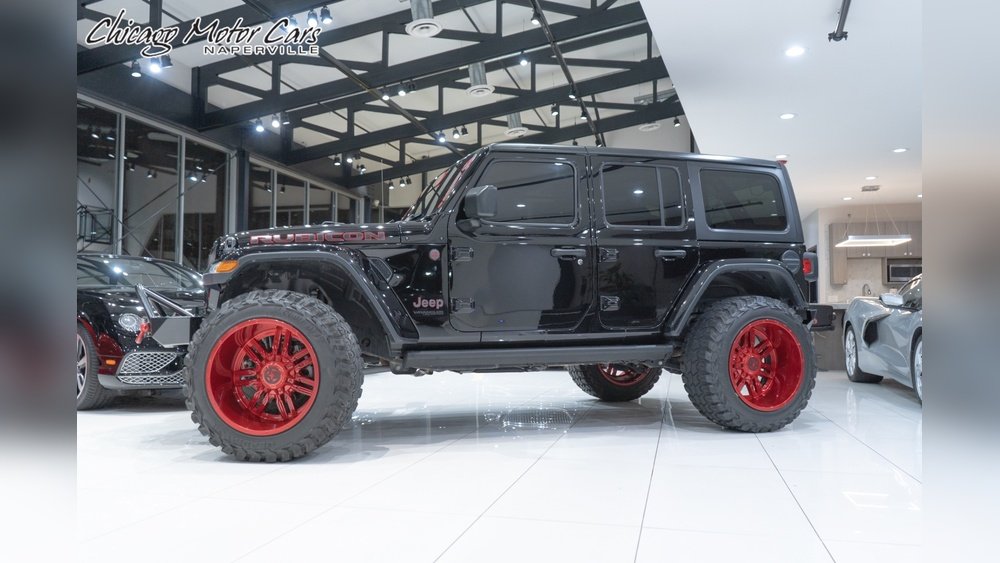
We'll cover materials, sizes, offsets, backspacing, and how these choices affect your driving experience, both on and off the pavement.
Understanding Wheel Specifications For Your Rubicon Unlimited
Before diving into specific wheel choices, it’s essential to understand the key specifications that define them. These numbers dictate how a wheel fits your Jeep and how it performs.
Diameter And Width: The Foundation Of Your Wheel Choice
The wheel diameter is the measurement across the center of the wheel. Common sizes for the Wrangler Unlimited Rubicon range from 17 inches to 20 inches or even larger. Larger diameter wheels generally allow for larger brake components and can accommodate lower-profile tires, which can offer better on-road handling. However, for serious off-roading, a smaller diameter wheel (like 17 inches) is often preferred because it allows for a taller sidewall on the tire. A taller sidewall provides more cushion on rough terrain, reduces the risk of tire damage, and can offer better grip.
Wheel width refers to the distance between the inner and outer bead seats, where the tire mounts. Wider wheels provide a larger mounting surface for the tire, which can help improve stability, especially when running wider tires for better off-road traction. Common widths for the Rubicon Unlimited range from 8.5 inches to 10 inches. A wider wheel can also help seat the bead of a tire more securely, which is crucial when airing down for off-road adventures.
Bolt Pattern And Lug Nuts: Ensuring A Perfect Fit
The bolt pattern is the arrangement of the lug nut holes on the wheel. For most Jeep Wranglers, including the Unlimited Rubicon, the bolt pattern is 5×5 inches (or 5x127mm). This means there are five lug nut holes spaced evenly around a 5-inch diameter circle. It’s crucial to match this bolt pattern exactly. Using wheels with the wrong bolt pattern is impossible and dangerous.
Lug nuts are what secure the wheel to the vehicle’s hub. While the bolt pattern is standard, some aftermarket wheels might require specific types of lug nuts, such as acorn, bulge acorn, or shank style, to sit flush and securely in the wheel’s lug holes.
Always check what type of lug nuts are recommended or included with your chosen wheels.
Offset And Backspacing: Critical For Clearance And Stance
Wheel offset is the distance from the wheel’s mounting surface to the centerline of the wheel. It can be positive, zero, or negative.
- A positive offset means the mounting surface is closer to the outside of the wheel.
- A zero offset means the mounting surface is exactly in the center.
- A negative offset means the mounting surface is closer to the inside of the wheel.
Backspacing is the distance from the rear of the wheel mounting surface to the outside edge of the wheel.
These two measurements are closely related and are vital for ensuring your wheels and tires don’t rub against suspension components, fenders, or the body of your Jeep.
- Stock Rubicon Unlimited typically has a positive offset and a certain amount of backspacing.
- Negative offset wheels push the wheel further out from the hub, giving your Jeep a wider, more aggressive stance. This can help clear larger brake calipers and suspension components, and it’s often necessary when fitting wider tires. However, excessive negative offset can lead to tire rubbing on the fenders or bodywork, especially during turns or suspension compression. It can also put more stress on wheel bearings and suspension components.
- Positive offset wheels tuck the wheel further into the fender, which can be beneficial for maintaining better on-road manners and reducing stress on bearings, but they offer less clearance for wider tires or suspension modifications.
Most aftermarket wheels for the Wrangler Rubicon Unlimited aim for a negative offset, often in the range of 0mm to -24mm, with backspacing typically around 4.5 inches to 5.2 inches. This provides the necessary clearance for larger tires and suspension articulation while achieving a desirable aesthetic.
Material Matters: Choosing The Right Wheel Construction
The material a wheel is made from significantly impacts its weight, strength, durability, and cost. For the Jeep Wrangler Unlimited Rubicon, you’ll primarily encounter two types: aluminum alloy and steel.
Aluminum Alloy Wheels: The Popular Choice
Aluminum alloy wheels are the most popular choice for Wrangler upgrades, and for good reason. They offer a great balance of strength, weight, and aesthetics.
- Weight: Aluminum alloy wheels are significantly lighter than steel wheels. This reduced unsprung weight (the weight of components not supported by the suspension, like wheels, tires, brakes, and hubs) has several benefits. Lighter wheels improve acceleration, braking performance, and fuel efficiency. They also allow the suspension to react more quickly to bumps and imperfections in the road or trail, leading to a smoother ride and better tire contact with the ground.
- Strength and Durability: Modern aluminum alloys are very strong, capable of withstanding the rigors of off-roading. Many are designed with thicker lips and reinforced spokes to resist impacts from rocks and debris.
- Aesthetics: Aluminum alloys can be cast or forged into intricate and stylish designs. They are available in a vast array of finishes, including polished, machined, black, chrome, and various colors, allowing for significant customization of your Rubicon’s look.
- Corrosion Resistance: While not immune, aluminum alloys generally offer better corrosion resistance than steel, especially when properly coated and maintained.
Pro Tip: For serious off-road use, look for aluminum alloy wheels specifically designed for heavy-duty applications. These often feature a reinforced bead area and a thicker overall construction to withstand impacts.
Steel Wheels: The Budget-friendly Workhorse
Steel wheels are the traditional choice for off-road vehicles due to their incredible durability and lower cost.
- Strength and Impact Resistance: Steel is exceptionally strong and resilient. When steel wheels bend or deform upon impact, they often do so without cracking, which can be a lifesaver on the trail. They are less likely to shatter than some aluminum wheels when subjected to extreme forces.
- Cost: Steel wheels are generally less expensive than aluminum alloy wheels, making them an attractive option for budget-conscious builders or for use as dedicated trail spares.
- Weight: The downside of steel is its weight. Steel wheels are considerably heavier than aluminum, which negatively impacts acceleration, braking, fuel economy, and suspension performance.
- Corrosion: Steel is prone to rust, especially in areas with salt on the roads or in humid environments. They often have a painted finish that can chip or scratch, exposing the metal to the elements.
- Design: Steel wheels typically have a simpler, more utilitarian design, often in a black painted finish. While functional, they offer less aesthetic variety than aluminum wheels.
For a Jeep Wrangler Unlimited Rubicon, most owners opt for aluminum alloy wheels due to the performance benefits and aesthetic options. However, steel wheels can be a viable option for extreme off-road builds where ultimate durability and cost are the primary concerns, or for a dedicated set of trail-only wheels.

Sizing Up Your Options: Common Wheel And Tire Combinations
When upgrading wheels, the tire size you plan to run is a critical factor. The wheel must be compatible with the tire, and the combination must fit your Jeep without excessive modification.
The Rubicon Unlimited is known for its off-road prowess, and many owners opt for larger, more aggressive tires.
Here are some common wheel and tire size combinations and what to expect:
17-inch Wheels: The Off-road Sweet Spot
17-inch wheels are perhaps the most popular choice for Rubicon Unlimited owners looking to enhance off-road performance.
- Wheel Size: Typically 17×8.5 or 17×9 inches.
- Tire Size: This diameter allows for taller tire sidewalls, commonly 33-inch, 35-inch, or even 37-inch tires. For example, a 35×12.50R17 tire offers a good balance of ground clearance and sidewall flex.
- Pros: Maximizes tire sidewall for a smoother ride, better articulation, and reduced risk of tire damage on rough terrain. Offers excellent clearance for larger brake components.
- Cons: May require suspension modifications (like a lift kit) and fender trimming for larger tire sizes (35 inches and up) to prevent rubbing, especially at full suspension compression or steering lock.
- Offset/Backspacing: Negative offsets (e.g., 0mm to -12mm) with around 4.5 to 4.75 inches of backspacing are common to accommodate wider tires and improve stance.
18-inch Wheels: A Blend Of On-road And Off-road
18-inch wheels offer a compromise, providing a slightly more aggressive look while still allowing for a decent tire sidewall.
- Wheel Size: Commonly 18×8.5 or 18×9 inches.
- Tire Size: Allows for tires in the 33-inch to 35-inch range, with a slightly shorter sidewall than 17-inch setups.
- Pros: Offers a good balance between on-road handling and off-road capability. Aesthetically pleasing for many owners.
- Cons: The shorter sidewall may offer less comfort and articulation compared to 17-inch wheels with taller tires. Clearance for larger tires might still require a lift.
- Offset/Backspacing: Similar negative offsets as 17-inch wheels (e.g., 0mm to -12mm) are typical to achieve clearance.
20-inch Wheels And Larger: The Aesthetic Focus
20-inch wheels and larger are primarily chosen for their striking visual appeal, often paired with lower-profile tires.
- Wheel Size: Commonly 20×9 or 20×10 inches.
- Tire Size: These setups usually run with 33-inch or 34-inch tires, but with significantly shorter sidewalls than on smaller diameter wheels.
- Pros: Creates a bold, aggressive stance. Can improve on-road steering response due to less tire sidewall flex.
- Cons: Significantly compromises off-road ride quality and tire protection due to the very short sidewall. Increased risk of wheel damage from impacts. May require more extensive modifications for clearance, even with less aggressive tire sizes. Fuel economy can also be negatively affected.
- Offset/Backspacing: Negative offsets are common to push the wheels out for an aggressive look.
Example: A popular upgrade for a Rubicon Unlimited is a set of 17×8.5 wheels with a -12mm offset, paired with 35×12.50R17 tires. This combination provides excellent off-road capability, a wider stance, and generally fits with a 2-3 inch suspension lift and some fender trimming.
Key Considerations For Rubicon Wheel Upgrades
Beyond the basic specifications, several other factors are crucial when selecting new wheels for your Wrangler Unlimited Rubicon.
Tire Clearance And Lift Requirements
As mentioned, fitting larger tires often necessitates modifications to your Jeep.
- Rubicon Unlimited Stock: The stock Rubicon Unlimited comes with 33-inch tires and has decent fender clearance.
- 35-Inch Tires: Most 35-inch tires will fit on a stock Rubicon without rubbing during normal driving, but you will likely experience rubbing during full suspension compression or sharp turns. To comfortably run 35s off-road and avoid damage, a 2-3 inch suspension lift is highly recommended. You may also need to trim the fenders or install aftermarket fenders.
- 37-Inch Tires and Larger: These require significant modifications. A 4-6 inch suspension lift is typically needed, along with aftermarket fenders, potential re-gearing of the axles (to compensate for the increased tire diameter and maintain proper performance), and possibly modifications to the steering and suspension components.
The wheel’s offset and backspacing play a significant role in clearance. Wheels with more negative offset and less backspacing push the tire outwards, which can help clear suspension components but increase the likelihood of rubbing on the fenders or body.
Load Rating: Essential For Heavy-duty Use
Your Jeep Wrangler Unlimited Rubicon is designed to handle significant weight and stress, especially off-road. Therefore, the wheels you choose must have an adequate load rating. This is the maximum weight a wheel can safely support.
- Stock Rubicon Wheels: These are designed to meet or exceed the vehicle’s Gross Vehicle Weight Rating (GVWR).
- Aftermarket Wheels: Always check the load rating of any aftermarket wheel. For a vehicle like the Rubicon, you should look for wheels with a load rating that is equal to or greater than the stock wheels. Many reputable aftermarket wheels designed for trucks and SUVs will have load ratings of 2,000 lbs or more per wheel. Avoid wheels with significantly lower load ratings, as they may not be strong enough for demanding off-road conditions or heavy loads.
Beadlock Vs. Non-beadlock Wheels
This is a critical distinction for serious off-roaders.
- Non-Beadlock Wheels: These are the standard type of wheel. The tire bead is held onto the wheel rim solely by air pressure. While generally reliable, especially with good quality tires and appropriate tire pressure, there’s a risk of the tire bead unseating (popping off the rim) when running very low tire pressures off-road.
- Beadlock Wheels: These wheels have a mechanical ring that bolts around the outside of the wheel, clamping the tire bead securely to the rim. This allows you to run extremely low tire pressures (e.g., 10-15 psi, or even lower) without the risk of the tire unseating. Lower tire pressure dramatically increases the tire’s contact patch, providing superior traction and smoother crawling over obstacles.
Pros of Beadlocks:
- Allows for very low tire pressures for maximum off-road traction.
- Significantly reduces the risk of tire de-beading.
- Provides a more secure tire mounting for extreme conditions.
Cons of Beadlocks:
- Often more expensive than non-beadlock wheels.
- Can be heavier due to the added ring and hardware.
- Installation and maintenance can be more involved.
*



















