The Jeep Wrangler is an icon. For decades, it’s been the go-to vehicle for off-road adventures and open-air freedom. A big part of that freedom comes from its convertible top. When the weather is nice, dropping the top transforms your Wrangler into a whole new experience.
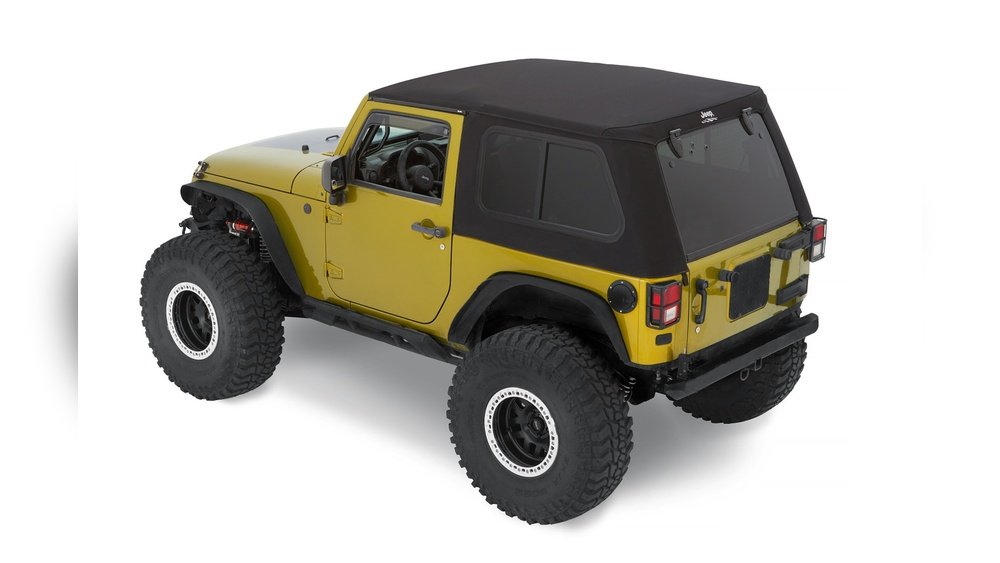
For many Wrangler owners, the Trektop by Bestop is a popular choice for a soft top replacement. It offers a sleek, modern look and can be easier to use than the factory soft top for some owners. However, like any modification, installing a new top can seem a bit daunting. Will it fit perfectly? Is it difficult to do yourself?
This guide will walk you through the easy steps for a perfect Trektop installation on your Jeep Wrangler. We’ll cover everything from preparing your Jeep to securing the final seams, making sure you get a snug, leak-free fit that enhances your Wrangler’s look and your driving pleasure.
Preparing Your Jeep For The Trektop
Before you even open the box for your new Trektop, a little preparation goes a long way. This stage is crucial for a smooth installation and a flawless final fit.
Rushing this part can lead to frustration and a less-than-perfect result.
Cleanliness Is Key
First, you need a clean workspace and a clean Jeep. Park your Wrangler in a well-lit area, ideally out of direct sunlight and away from strong winds. A garage or a shaded driveway is perfect.
Next, thoroughly clean your Jeep’s tub rails and door surrounds. These are the areas where the Trektop will seal. Any dirt, mud, or old adhesive residue can prevent the new top from sealing properly, leading to leaks. Use an automotive-grade cleaner and a clean microfiber cloth. Pay close attention to the edges where the fabric will meet the body. For stubborn residue, a bit of isopropyl alcohol can help break it down. Don’t forget to clean the inside of the Jeep, too, especially around the windshield frame and roll bar.
Gather Your Tools And Parts
Open the Trektop box and carefully inventory all the parts. Bestop usually includes everything you need, but it’s wise to double-check against the instruction manual. You’ll typically find:
- The main Trektop fabric
- Door surrounds
- Tailgate bar
- Various mounting hardware (knobs, screws, brackets)
- The instruction manual
Now, gather your tools. You won’t need a massive toolkit, but having these on hand will make the job easier:
- Phillips head screwdriver
- Socket wrench set (with common sizes like 10mm and 13mm)
- Measuring tape
- Utility knife or strong scissors (for potentially trimming zip ties or packaging)
- A soft blanket or towel to protect your Jeep’s paint from tools.
- A helper. While some installations can be done solo, having a second person makes it significantly easier, especially when stretching the fabric.
Understand The Trektop Design
The Trektop is designed differently from some other soft tops. It’s a “no-drill” top for most applications, meaning it doesn’t require permanent modifications to your Jeep’s body. It uses a combination of factory attachment points, spring-loaded rods, and tensioning systems to create a snug fit. Familiarize yourself with the main components and how they are intended to connect before you begin. Read through the Bestop instructions once completely before starting the installation.
Installing The Trektop Frame And Door Surrounds
The foundation of your Trektop installation is setting up the internal frame and the door surrounds. These components provide the structure and sealing points for the main fabric.
Attaching The Door Surrounds
The door surrounds are usually the first pieces you’ll install. These are the plastic or rubber pieces that attach to the sides of your Jeep, just behind the doors. They create a seal between the soft top fabric and your Jeep’s body.
Most Trektop models use existing screw holes or clips to attach the door surrounds. You might need to remove a few small factory screws.
The surrounds typically have channels or slots where the soft top fabric will later tuck in.
Ensure they are seated correctly and firmly attached. If your kit came with new screws or clips, use those.
Pro Tip: Don’t overtighten any screws at this stage. You might need to adjust the position slightly later to get the best seal. Just make them snug.
Setting Up The Bow System
The Trektop uses a bow system, a series of rods or bars that give the soft top its shape and support. Unlike some older soft tops that required manual assembly of many parts, the Trektop often features a more integrated bow system.
For many Trektop models, the bows are pre-assembled or snap together easily. You'll need to unfold and position these bows over your Jeep’s interior.
They usually rest on or attach to the roll bar structure. The key here is to ensure the bows are oriented correctly, they are often asymmetrical.
Look for labels or specific mounting points indicated in the Bestop instructions.
The bows are designed to create the correct tension and shape for the fabric. As you position them, you should feel them lock into place or secure with provided clips.
Make sure each bow is fully seated and stable.

Mounting The Main Trektop Fabric
This is where your Trektop starts to look like a soft top. Carefully unfolding and positioning the main fabric is critical for achieving that perfect, wrinkle-free fit.
Initial Placement And Attachment
With the door surrounds and bow system in place, it’s time to drape the main Trektop fabric over the Jeep. Start at the front, usually near the windshield header. The Trektop will have a windshield header channel that slides onto the top of your windshield frame.
Gently unfold the fabric, making sure not to snag it on any sharp edges. Position it so that the seams and any logos are centered correctly.
The goal is to have the fabric hang evenly on both sides.
Now, begin securing the fabric to the door surrounds. The fabric usually has a flap or channel that tucks into the door surrounds.
You might need to use a bit of pressure to push it in. Work your way from the front of the door surround towards the back.
Engaging The Bow System
As you secure the fabric to the door surrounds, you’ll also need to connect it to the bow system. The Trektop fabric has specific attachment points, often Velcro straps, snaps, or a system where the fabric stretches over the bows.
Follow the instructions precisely. Some bows might need to be pushed or pulled into position as the fabric is stretched. This is where a helper is invaluable. One person can hold the fabric taut while the other secures the connection points.
Ensure the fabric is smooth and free of major wrinkles as you go. Small wrinkles will often disappear as the top settles and gains tension, but large ones indicate that the fabric isn’t aligned correctly.
Securing The Rear And Tailgate Area
The back of the Trektop is just as important as the front for a watertight seal. This area often involves a tailgate bar and careful tensioning.
Installing The Tailgate Bar
The tailgate bar is a crucial component that seals the bottom rear edge of your soft top. It typically slides into a channel at the very bottom of the Trektop fabric.
First, ensure the fabric at the rear is positioned correctly. Then, take the tailgate bar and carefully slide it into the designated channel on the fabric.
This might require a bit of wiggling. Once in place, the bar will rest against the tailgate opening of your Jeep.
Some tailgate bars clip or hook into place on the Jeep’s body, while others simply rest there, held by the tension of the fabric. Refer to your specific Trektop model’s instructions for the exact method.
Tensioning And Final Adjustments
Once the fabric is attached at the front, sides, and rear, it’s time for the final tensioning. This is what gives the Trektop its tight, professional look and prevents flapping in the wind.
Many Trektop models have tension cables or adjustment knobs located at the rear corners or along the sides. You’ll need to tighten these to pull the fabric snug.
Start by making the adjustments even on both sides. As you tighten, watch the fabric.
It should become taut, and any remaining wrinkles should start to smooth out. You’re looking for a drum-like tightness.
Example: If your Trektop has rear corner adjustment knobs, you might turn them clockwise to increase tension. Do this in small increments, checking the fabric’s appearance and feel after each turn.
Warning: Do not overtighten to the point where you feel excessive force on the bows or attachment points. This could damage the fabric or the hardware. The goal is taut, not strained.

Final Checks And Sealing
You’re almost there! A few final steps ensure your Trektop installation is complete and ready for the elements.
Checking For Gaps And Leaks
With the top fully installed and tensioned, do a thorough visual inspection. Walk around your Jeep and look for any areas where the fabric doesn’t seem to be sealing correctly against the door surrounds, windshield frame, or body tub.
Pay special attention to the corners and seams. These are common spots for leaks. Run your hand along the edges to feel for any drafts.
If you find any small gaps, you might be able to adjust the tension knobs slightly or gently push the fabric into place. Sometimes, simply letting the top sit in the sun for a few hours can help the fabric relax and settle into a better position.
The Sun’s Role In Installation
Sunlight is your friend during a soft top installation. The warmth from the sun makes the fabric more pliable and easier to stretch. If you’re installing on a cool or cold day, warming the fabric with a hairdryer (on a low setting, held at a distance) can help.
Once installed, leaving the Jeep parked in the sun for a day can help the fabric conform to the frame and body, smoothing out minor wrinkles and improving the seal.
Testing The Windows (if Applicable)
Some Trektop models come with removable or integrated windows. If yours does, ensure they are properly zipped and sealed. Test the zippers to make sure they move smoothly. A sticky zipper can be improved with a bit of silicone lubricant. Make sure the window seals are flush against the main fabric and the Jeep body.
Common Issues And How To Solve Them
Even with the best instructions, you might encounter a few hiccups during installation. Knowing how to address common problems can save you a lot of frustration.
Wrinkles That Won’t Go Away
Minor wrinkles are normal and usually disappear with time and sun exposure. However, persistent, large wrinkles often mean the fabric isn’t seated correctly on the bows or isn’t evenly tensioned.
- Solution: Loosen the tension slightly, reposition the fabric on the bows, and then re-tension evenly. Ensure the fabric is centered from front to back and side to side.
Leaks At The Door Or Window Seals
This is the most common complaint with any soft top. Gaps here can let in rain and drafts.
- Solution: Double-check that the door surrounds are installed correctly and securely. Make sure the fabric is fully tucked into the channels of the door surrounds. Ensure any included seals or weatherstripping are in place and not pinched or damaged. Sometimes, a small piece of automotive-grade rubber seal can be added discreetly to fill a persistent gap, but this should be a last resort.
Difficulty Zipping Windows
Zippers can be finicky, especially on new soft tops.
- Solution: Never force a zipper. If it’s sticking, try cleaning the teeth with a soft brush and applying a silicone-based lubricant. Gently work the zipper back and forth to distribute the lubricant. Ensure the fabric on either side of the zipper is pulled taut and not caught in the teeth.
The Top Seems Too Tight Or Too Loose
Getting the tension just right is key. Too tight, and you risk damage.
Too loose, and it will flap and leak.
- Solution: Adjust the tension cables or knobs incrementally. If it feels too tight, loosen them slightly. If it’s too loose, tighten them evenly. Remember that the fabric will stretch slightly over time, so you might need to make minor adjustments after a few weeks of use.

Maintaining Your Trektop For Longevity
Once your Trektop is installed, proper care will ensure it looks great and performs well for years to come.
Regular Cleaning
Keep your Trektop clean to prevent dirt and grime from damaging the fabric and seals.
- Washing: Use a soft brush or sponge with cool water and a mild soap specifically designed for automotive soft tops or vinyl. Avoid harsh detergents, abrasive cleaners, or power washers, as these can damage the fabric and coatings. Rinse thoroughly with clean water.
- Drying: Allow the top to air dry completely before putting windows back up or storing it. Never use heat guns or high-temperature dryers.
Protecting The Fabric
Protecting the fabric from the elements is crucial, especially the UV rays from the sun.
- Protectant Sprays: Apply a fabric protectant spray designed for soft tops every few months. These sprays help repel water, block UV rays, and prevent fading and mildew. Ensure the fabric is clean and dry before application.
- Mold and Mildew Prevention: If you live in a humid climate, pay extra attention to preventing mold and mildew. Ensure the top dries completely after rain or washing. If you spot any early signs, clean the area immediately with a specialized soft top cleaner.
Zipper Care
Keep your zippers working smoothly.
- Lubrication: Periodically clean the zipper teeth and apply a silicone-based lubricant to ensure they glide easily. This prevents them from sticking or breaking.
Storage (if Applicable)
If you plan to remove the Trektop for extended periods (e. g. , during winter), store it properly.
- Clean and Dry: Ensure the top is completely clean and dry before folding.
- Folding: Fold the top loosely, following the manufacturer’s recommended folding pattern if provided. Avoid sharp creases.
- Storage Location: Store it in a cool, dry place, preferably in a breathable bag or the original box, away from direct sunlight, moisture, and pests.
Comparing Trektop Models And Alternatives
While the Bestop Trektop is a popular choice, understanding its place among other options can be helpful. Bestop offers several variations of the Trektop, and other manufacturers also produce Jeep soft tops.
Trektop Variations
Bestop often refines its designs. The most common Trektop is the Trektop NX, known for its sleek, frameless design that offers a more modern, sloped-back look compared to traditional soft tops. There’s also the Trektop Pro, which offers a more rigid, hybrid design with built-in windows that don’t need to be



















