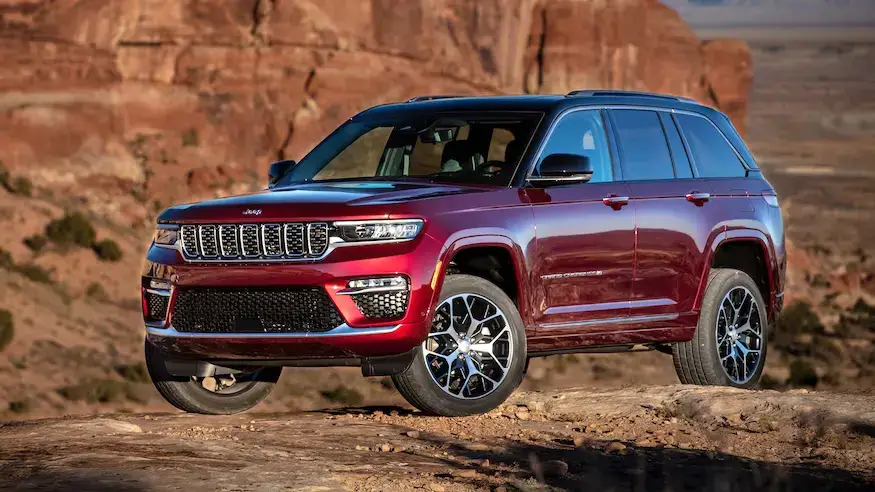
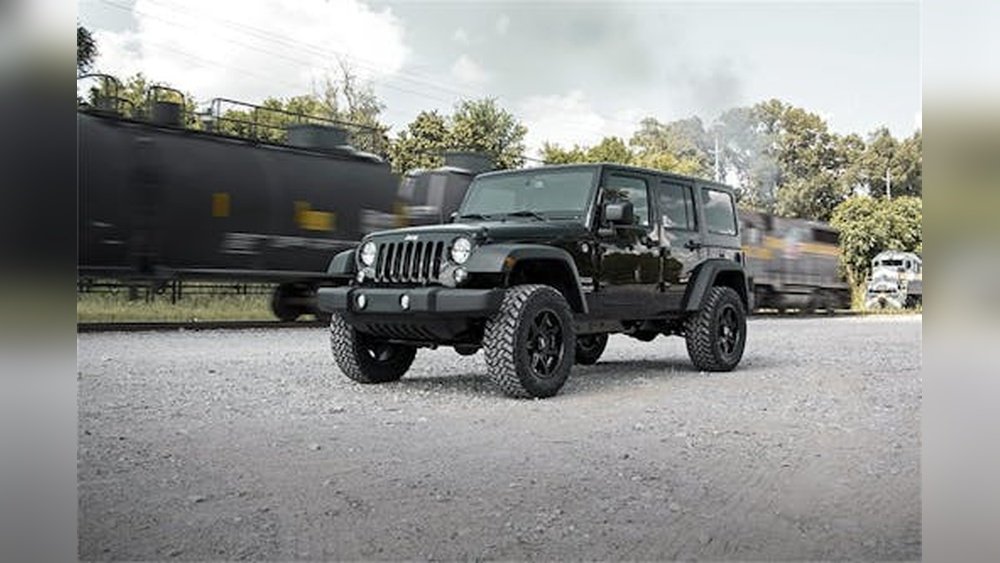
Embarking on the journey of towing with your Jeep Wrangler is an exciting prospect, opening up possibilities for adventure, from hauling gear for your next camping trip to bringing along your favorite toys. However, to do this safely and effectively, a proper trailer hitch setup is essential.
Many Wrangler owners find themselves wondering how to install a trailer hitch themselves, hoping to save money and gain a sense of accomplishment.
While it might seem daunting, installing a trailer hitch on a Jeep Wrangler is often a surprisingly straightforward process, achievable with the right tools and a bit of patience.
This guide will walk you through the easy steps for a perfect towing setup, ensuring your Wrangler is ready for whatever you need to pull.
The decision to install your own hitch might stem from a desire for DIY satisfaction or a need to manage your budget. Fortunately, aftermarket hitches for the Wrangler are designed with ease of installation in mind, often requiring no drilling and utilizing existing mounting points on the vehicle’s frame.
This means you can transform your off-road icon into a capable tow vehicle without needing specialized mechanic skills. We’ll cover everything from choosing the right hitch for your needs to the step-by-step installation process, including crucial safety checks.
Understanding Trailer Hitch Basics For Your Jeep Wrangler
Before you start turning wrenches, it’s important to understand the different types of trailer hitches available for your Jeep Wrangler and what their specifications mean. This knowledge will help you choose the right hitch for your towing needs and ensure you’re not overloading your vehicle.
Hitch Classes Explained
Trailer hitches are categorized into different classes based on their weight capacity. For most Jeep Wrangler applications, you’ll be looking at Class III hitches.
- Class I: Typically for smaller vehicles, with capacities usually around 2,000 lbs gross trailer weight (GTW) and 200 lbs tongue weight (TW). Not common for Wranglers.
- Class II: Slightly higher capacity, often up to 3,500 lbs GTW and 350 lbs TW. Still generally too light for the Wrangler’s potential.
- Class III: This is the most common class for SUVs and trucks like the Wrangler. Capacities usually range from 5,000 lbs GTW up to 8,000 lbs GTW, with tongue weights from 500 lbs to 800 lbs. This class is suitable for towing campers, utility trailers, and even smaller boats.
- Class IV: These are heavy-duty hitches, often exceeding 10,000 lbs GTW. While some Wranglers can be equipped to handle this, they are less common for DIY installations and often require professional assessment of the vehicle’s towing capacity.
For a Jeep Wrangler, a Class III hitch is almost always the best choice. It provides ample capacity for most common towing tasks without being overly complex or requiring modifications to the vehicle. Always check your Wrangler’s owner’s manual for its specific maximum towing capacity and tongue weight rating. This information is crucial and overrides any hitch manufacturer’s claims if they exceed your vehicle’s limits.
Receiver Size Matters
The receiver size refers to the opening where the hitch ball mount (also called a shank or ball mount) inserts. The most common receiver sizes for Class III hitches are 2-inch by 2-inch. This size is standard for most aftermarket hitches designed for SUVs and trucks. Ensure the hitch you purchase has a 2-inch receiver, as this will give you the widest range of compatibility with trailer accessories.
Understanding Weight Ratings
It’s vital to grasp the difference between Gross Trailer Weight (GTW) and Tongue Weight (TW).
- Gross Trailer Weight (GTW): This is the total weight of the trailer itself, plus any cargo inside it. It’s the maximum weight your hitch and vehicle can pull.
- Tongue Weight (TW): This is the downward force the trailer tongue exerts on the hitch ball. It’s typically 10-15% of the GTW. A proper tongue weight is essential for stable towing. Too little tongue weight can cause the trailer to sway dangerously, while too much can overload your rear suspension.
Always ensure your chosen hitch and your vehicle’s towing capacity can safely handle both the GTW and TW of the trailer you intend to tow.
Choosing The Right Hitch For Your Jeep Wrangler
With the basics understood, let’s look at selecting the best hitch for your specific Jeep Wrangler model. Fortunately, the Wrangler platform is very popular, meaning there are many excellent aftermarket options available.
Common Hitch Types For Wranglers
The most prevalent type of hitch for a Jeep Wrangler is the custom-fit, bolt-on receiver hitch. These are designed to bolt directly into pre-drilled holes on the Wrangler’s frame or crossmembers, often requiring no drilling.
- Rear Receiver Hitches: These are the most common and versatile. They mount to the rear of the vehicle and accept a 2-inch receiver. They are ideal for towing trailers, but also for mounting bike racks or cargo carriers.
- Front Receiver Hitches: Less common, but useful for specific applications like mounting a winch, spare tire carrier, or for maneuvering trailers in tight spots. They are generally not used for primary towing.
For most Wrangler owners, a rear receiver hitch will be the primary focus.
Top Brands And Considerations
Several reputable brands offer high-quality hitches for the Jeep Wrangler. Some popular choices include:
- Curt: Known for their extensive range of hitches, Curt offers robust, custom-fit options for Wranglers with excellent load ratings.
- Draw-Tite: Another major player, Draw-Tite provides durable hitches often praised for their ease of installation and strong construction.
- Reese: A long-standing name in towing, Reese offers reliable hitches that are a solid choice for many Wrangler owners.
- TeraFlex: For those who prioritize off-road performance and durability, TeraFlex offers heavy-duty options that can handle more demanding use, sometimes with integrated spare tire carriers.
When choosing, consider:
- Vehicle Compatibility: Ensure the hitch is specifically designed for your Jeep Wrangler model year and trim.
- Towing Capacity: Match the hitch’s capacity to your vehicle’s maximum towing capacity and your intended use.
- Ease of Installation: Look for hitches that advertise no-drill installation, as this significantly simplifies the process.
- Material and Finish: A good quality steel hitch with a protective coating (like powder coating) will resist rust and corrosion, especially important for off-road vehicles.
Pro Tip: Many aftermarket hitches are designed to fit without interfering with the spare tire, even on models that carry a larger spare tire. Always check product descriptions and customer reviews for fitment notes.

Tools And Materials You’ll Need
Gathering the right tools before you begin is key to a smooth and efficient installation. Most of what you need will be standard automotive tools.
Here’s a comprehensive list of what you’ll likely require:
- Safety Gear:
- Safety Glasses: Essential to protect your eyes from debris.
- Work Gloves: To protect your hands and improve grip.
- Tools for Removal (if applicable):
- Socket Set: Including metric and SAE sizes. Common sizes for Wrangler hitch bolts are 19mm, 21mm, and sometimes larger.
- Wrench Set: Similar to the socket set.
- Ratchet: With extensions for hard-to-reach bolts.
- Torque Wrench: Crucial for tightening bolts to the manufacturer’s specified torque.
- Tools for Installation:
- New Trailer Hitch: Ensure it’s the correct model for your Wrangler.
- Hardware Kit: Usually included with the hitch, containing bolts, nuts, and washers.
- Fish Wire Tool (if needed): Some hitches might require feeding bolts through frame rails. A fish wire tool helps with this.
- Penetrating Oil: Such as WD-40 or PB Blaster, to loosen stubborn bolts.
- Wire Brush: To clean threaded holes.
- Jack Stands and/or Ramps: To safely lift and support the rear of the Jeep if needed for better access.
- Helper: An extra pair of hands can be incredibly useful, especially when positioning the heavy hitch.
Example: For a typical Jeep Wrangler JK (2007-2018), you’ll likely need a 19mm socket and wrench for the frame bolts. Always double-check the specific requirements for your hitch model.
Step-by-step Jeep Wrangler Trailer Hitch Installation
This guide outlines the general steps for installing a common bolt-on receiver hitch on a Jeep Wrangler. Always refer to the specific instructions that come with your purchased hitch, as designs can vary slightly.
Preparation And Safety First
- Park on a Level Surface: Ensure your Jeep is on a flat, stable surface.
- Engage Parking Brake: Apply the parking brake firmly.
- Chock Wheels: Place wheel chocks behind the front wheels for extra safety.
- Gather Tools and Hitch: Lay out all your tools and the hitch components.
- Read Hitch Instructions: Thoroughly read the manufacturer’s instructions for your specific hitch model.
Removing Existing Components (if Necessary)
Some Wrangler models might have a factory tow hook or a spare tire carrier that needs to be temporarily removed or adjusted to allow clearance for the hitch.
- Spare Tire: If your spare tire is very large, you might need to lower it or temporarily remove it for better access to the frame.
- Tow Hooks/Bumpers: Some aftermarket hitches are designed to work with the factory bumper, while others might require removal of tow hooks. Follow your hitch instructions.
Locating Mounting Points
Jeep Wranglers are often designed with pre-drilled mounting holes in the frame rails. These are usually located on the inside or outside of the frame rails, towards the rear of the vehicle.
- Inspect the Frame: Look for threaded holes that align with the mounting brackets on your new hitch.
- Clean the Holes: If the holes are dirty or rusted, use a wire brush to clean them thoroughly. This ensures the bolts thread in easily and achieve proper torque.
- Apply Penetrating Oil: Spray a small amount of penetrating oil into each mounting hole and let it sit for a few minutes to help loosen any rust or debris.
Positioning And Mounting The Hitch
This is where a helper can be invaluable. Trailer hitches can be heavy and awkward to maneuver into place.
- Lift the Hitch: With your helper, carefully lift the hitch into position, aligning its mounting brackets with the pre-drilled holes on the Jeep’s frame.
- Insert Bolts: Start threading the bolts by hand into each hole. This helps ensure they are properly aligned and not cross-threaded.
- Install Washers and Nuts: If your hitch uses nuts and bolts, place the appropriate washers onto the bolts before threading on the nuts.
- Hand-Tighten All Hardware: Once all bolts are in place, hand-tighten them as much as possible.
Securing The Hitch (tightening Bolts)
This is a critical step for safety. Over-tightening can strip threads or damage components, while under-tightening can lead to the hitch coming loose.
- Use a Torque Wrench: Once all bolts are hand-tight, use your torque wrench to tighten them to the manufacturer’s specified torque. This is usually listed in the hitch installation manual.
- Tighten in a Pattern: Tighten the bolts in a criss-cross pattern, similar to how you would tighten lug nuts on a tire. This ensures even pressure distribution.
- Verify Torque: Go around and re-check the torque on all bolts to ensure they are all tightened correctly.
Warning: Always use a torque wrench for this step. Guessing the tightness can be dangerous. If you don’t have one, consider borrowing one from an auto parts store or a friend.
Reinstalling Removed Components
If you removed your spare tire, tow hooks, or any other parts, reinstall them now. Ensure everything is securely fastened.
Electrical Connection (trailer Wiring)
Towing requires trailer lights (brake lights, turn signals, running lights). You’ll need to connect a trailer wiring harness. Modern Wranglers often come with a factory-equipped trailer wiring plug, usually located near the hitch area.
- Locate the Plug: Look for a plastic connector, typically 4-pin or 7-pin, behind the rear bumper.
- Connect the Harness: Purchase a T-connector harness specifically designed for your Wrangler model. These T-connectors plug directly into your Jeep’s factory wiring, eliminating the need to splice wires. This is a much safer and cleaner installation.
- Route the Wiring: Secure the trailer wiring harness to the hitch or frame using zip ties or provided clips. Ensure it hangs low enough to reach trailer connectors but won’t drag on the ground.
- Test the Lights: Before your first tow, connect a trailer or use a trailer light tester to verify that all your brake lights, turn signals, and running lights are functioning correctly.
Pro Tip: A 7-pin connector is standard for most trailers with electric brakes or more complex lighting systems. A 4-pin connector is sufficient for basic lighting on smaller trailers. Ensure your hitch is equipped with the correct connector type or that you have an adapter.
Testing And Final Checks
After installation, a thorough check is essential for safety.
- Visual Inspection: Look over the entire hitch installation. Are all bolts tight? Is the hitch sitting flush against the frame? Is the wiring harness secure?
- Shake Test: Try to rock the hitch assembly with your hands. There should be no significant movement or rattling.
- Drive Test: Take your Wrangler for a short, slow drive around the block. Listen for any unusual noises.
- Re-Torque Bolts: After your first drive, it’s a good practice to re-torque all the hitch mounting bolts to ensure they haven’t loosened.
- Check Vehicle Manual: Confirm your Wrangler’s towing capacity and tongue weight limits again. Never exceed these limits.
Towing Best Practices For Your Jeep Wrangler
Installing the hitch is only half the battle. Safe towing involves understanding how to properly load your trailer and drive with it attached.
Loading Your Trailer Correctly
- Weight Distribution: Load heavier items over or slightly forward of the trailer’s axles. This helps maintain proper tongue weight.
- Tongue Weight: Aim for 10-15% of the trailer’s