If you own a Jeep Wrangler, you know how important it is to keep your tires in top shape for every adventure. But what happens when your Tire Pressure Monitoring System (TPMS) light stays on, or you’ve just installed new tires?
That’s where Jeep Wrangler TPMS programming comes in. Understanding how to properly program and reset your TPMS sensors can save you time, money, and frustration.
You’ll learn simple, step-by-step methods to get your TPMS working perfectly again whether you’re swapping tires, upgrading to off-road wheels, or just need to clear a warning light.
Ready to take control of your Jeep’s tire pressure system and drive with confidence? Keep reading!

What Is Tpms In Jeep Wrangler
The Tire Pressure Monitoring System (TPMS) helps keep your Jeep Wrangler’s tires safe. It checks the air pressure in each tire.
If pressure is too low, TPMS alerts the driver. This helps avoid flat tires and improves fuel efficiency.
TPMS is a built-in safety feature in Jeep Wranglers. It uses sensors located inside each tire.
These sensors send real-time pressure data to the vehicle’s computer. The system warns you with a dashboard light if pressure drops.
How Does Tpms Work In Jeep Wrangler?
Each tire has a sensor that measures air pressure. The sensor sends information wirelessly to the Jeep’s control module.
If pressure is below the recommended level, the system triggers a warning light. This alerts the driver to check tires immediately.
Types Of Tpms In Jeep Wrangler
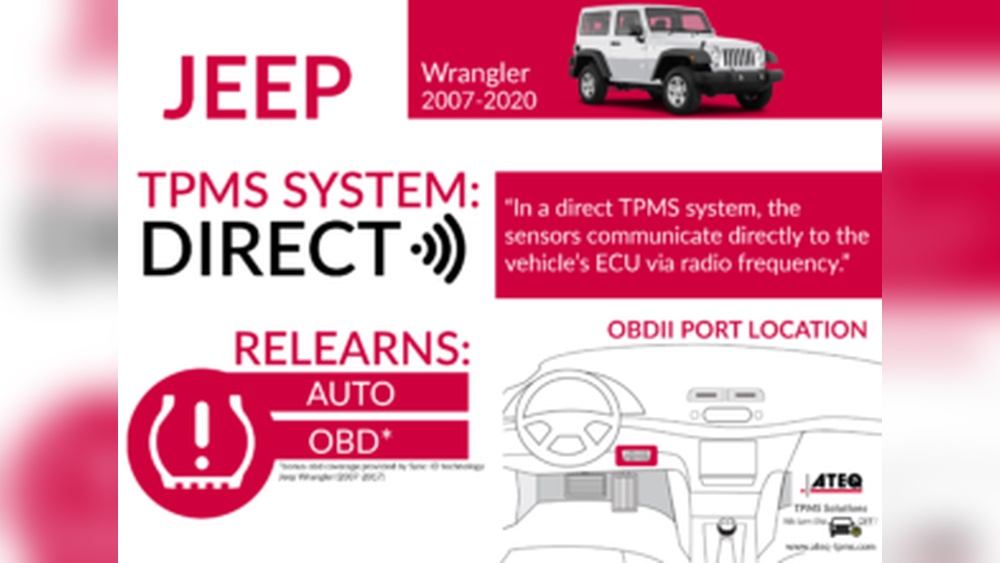
There are two main types of TPMS: direct and indirect. Jeep Wranglers use direct TPMS sensors inside each tire.
These sensors provide exact pressure readings. Indirect TPMS estimates pressure by monitoring wheel speed but is less common in Wranglers.
Why Tpms Programming Is Important
TPMS sensors need programming after replacement or tire changes. Programming links new sensors to the Jeep’s computer.
Without programming, the system may not recognize sensors. This can cause false warnings or no alerts at all.
Benefits Of Tpms In Jeep Wrangler
TPMS improves safety by preventing tire blowouts. It helps maintain correct tire pressure for better handling.
Proper tire pressure also saves fuel and extends tire life. This system makes driving your Jeep safer and more efficient.

Why Program Tpms Sensors
Programming the Jeep Wrangler TPMS yourself saves time and money. No waiting for dealer appointments. No paying high service fees. You control the process and schedule. This DIY approach is simple and effective. It helps you keep your vehicle safe and compliant. Learning efficient programming steps makes the task faster. Let’s explore how avoiding dealer fees and using efficient practices pay off.
Avoiding Dealer Fees
Dealers often charge high fees for TPMS programming. These costs add up with each tire change.
Doing the programming yourself cuts these expenses. All you need is a basic TPMS tool.
This tool costs much less than dealer fees. Programming at home or on the trail saves money.
No need to drive to the dealership. No waiting in line or for appointments.
DIY programming also lets you avoid hidden charges. Dealerships may charge for labor and parts.
Handling the task yourself means no surprise bills. You control your spending and timing.
This freedom is important for Jeep owners who value adventure and efficiency.
Efficient Programming Practices
Efficient programming reduces mistakes and repeat work. First, check all sensors are correctly installed.
Inflate tires to the recommended pressure. Use a reliable TPMS scanner to read sensor data.
Transfer sensor IDs to the vehicle’s ECU carefully. Follow each step methodically to avoid errors.
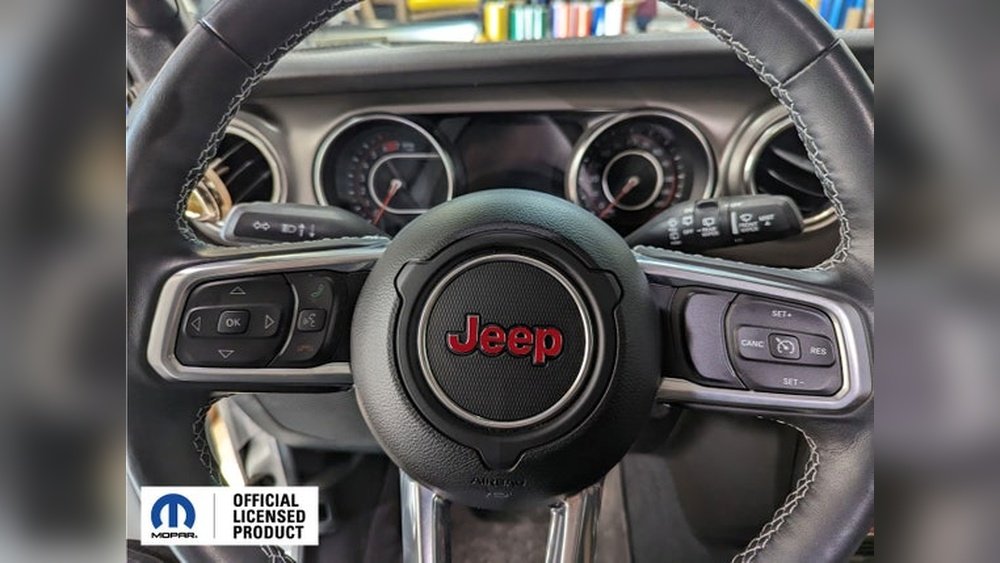
Keeping the ignition on while programming helps the process. Use steering wheel controls if your model supports it.
Adjust front and rear tire pressure limits if needed. Having a clear workspace and good lighting speeds the job. Practice makes the process faster and easier.
Efficient programming also means less downtime for your Jeep. You get back on the road or trail quickly.
This saves time and avoids the hassle of repeated visits to the dealer or mechanic.

Frequently Asked Questions
Can I Program My Tpms Sensors Myself?
You can program TPMS sensors yourself using a TPMS tool and an OBDII dongle. Follow device instructions carefully.
Does Jeep Tpms Need To Be Programmed?
Jeep TPMS sensors usually require programming or relearning after installation or tire changes. Use a TPMS tool or OBDII device to sync sensors with the vehicle.
Some models program automatically, but most need manual activation for accurate tire pressure monitoring.
How To Recalibrate Jeep Tire Pressure?
Inflate all tires to the recommended PSI, including the spare. Use a TPMS tool to scan and program sensor IDs.
For JL/JT models, adjust PSI limits via the audio menu and steering wheel controls. Confirm sensors are installed correctly and the ignition is ON during recalibration.
The TPMS reset button on a Jeep is usually located under the steering wheel or near the glove box. Some models require a TPMS tool for resetting.
Check your owner’s manual for exact location and reset instructions.
Conclusion
Programming the Jeep Wrangler TPMS keeps your tires safe and efficient. Regularly check tire pressure to avoid sensor errors.
Use the right tools to program and reset sensors quickly. Adjust settings when using custom or larger tires.
Proper TPMS care improves driving comfort and fuel economy.
Stay alert to warning lights and respond promptly. This simple process saves time and prevents costly tire issues.
Keep your Jeep ready for any adventure with correct TPMS programming.